


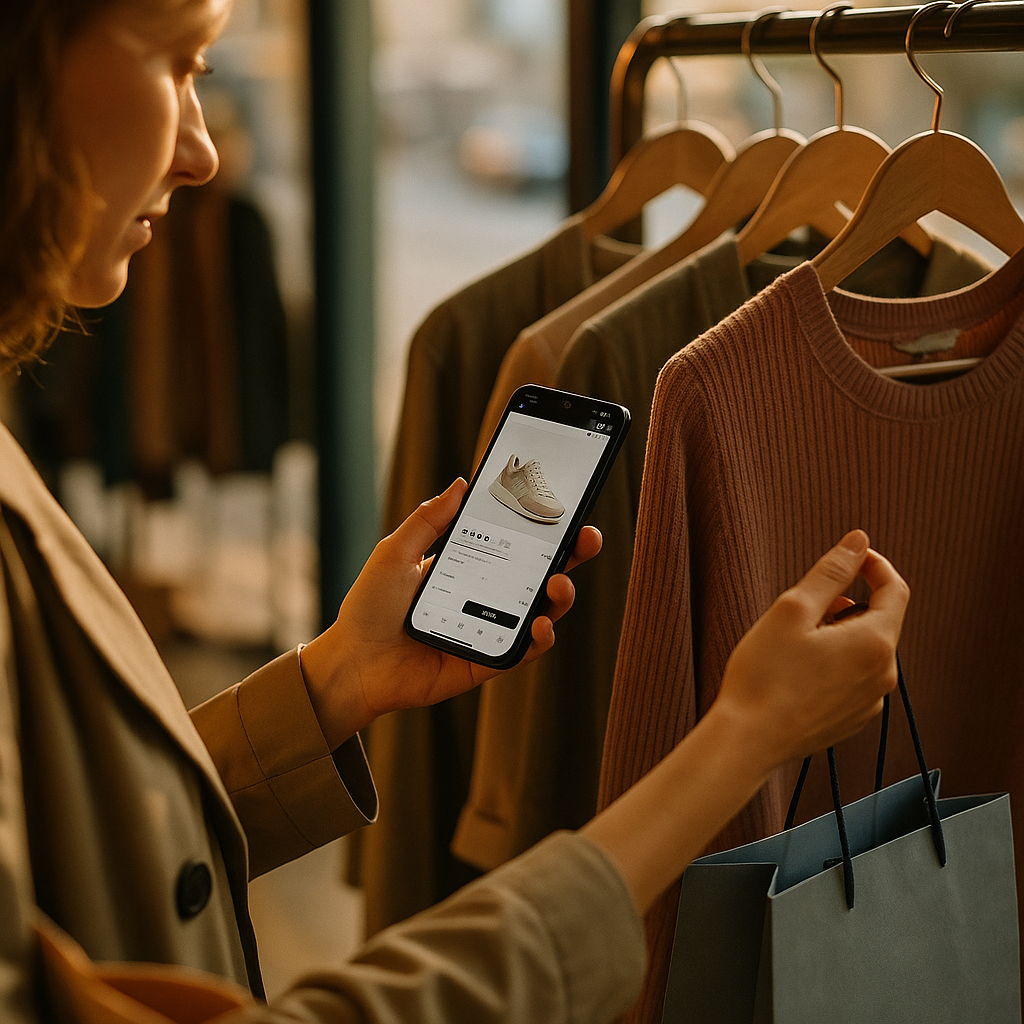
Omnichannel retail is transforming the way consumers shop, seamlessly blending physical and digital experiences. Businesses that ignore this evolution risk falling behind. As barriers dissolve between online and offline channels, retailers face both new challenges and unprecedented opportunities. Dive in to discover how the future of omnichannel retail is reshaping customer expectations—and what it means for your business.
The Growth of Omnichannel Experiences in Modern Retail
The rise of omnichannel experiences reflects a fundamental shift in customer behavior. Consumers in 2025 expect personalized, cohesive interactions, whether they’re browsing in-store or clicking “buy now” online. According to a recent McKinsey report, 80% of shoppers now use at least two channels before making a purchase. This shift is driving retailers to reevaluate their strategies and integrate multiple touchpoints.
Traditional retail models, once reliant on separate online and physical storefronts, are evolving. Modern shoppers value convenience, consistency, and personalization—a trifecta achievable only by fusing digital and brick-and-mortar operations. Retailers leveraging data from both realms can anticipate needs and deliver seamless service at every stage of the customer journey, from discovery to fulfillment.
Technology Trends Redefining Retail Integration
Emerging retail technology is at the heart of the omnichannel revolution. Artificial intelligence (AI) and machine learning personalize product recommendations based on real-time customer data. Augmented reality (AR) enables “try before you buy” experiences, allowing shoppers to visualize products virtually, whether in a flagship store or on their mobile device.
Payment and checkout innovations, such as contactless payments and mobile wallets, are bridging online and offline transactions. Inventory management systems have become smarter, offering real-time stock updates across channels. By embracing these technologies, retailers ensure shoppers enjoy frictionless, consistent engagement no matter how or where they shop.
Blurring the Boundaries Between Online Shopping and Physical Stores
The future of online and offline retail lies in synergy, not separation. Leading brands are reimagining stores as experiential hubs that complement digital journeys. “Click-and-collect,” or buy online, pick up in-store (BOPIS), has become a staple, combining online convenience with immediate fulfillment.
Conversely, showrooms offer tactile product exploration and personalized advice, encouraging customers to complete their purchases later online. Digital kiosks and mobile apps inside physical outlets enhance the browsing experience by providing product comparisons, reviews, and tailored suggestions on the spot.
The line between where shopping begins and ends is now fluid. Whether customers start in-store and finish online, or vice versa, they expect a unified brand experience. The businesses thriving in this new era are those that understand where these journeys intermingle—and innovate accordingly.
The Importance of Data and Personalization in Omnichannel
Modern consumers demand relevance—77% say they expect personalized interactions, according to a recent Accenture study. Data is the engine powering personalization, tracking behaviors, preferences, and purchase history across every touchpoint. Ethical first-party data collection fuels AI-driven recommendations and tailored marketing, creating loyalty and driving conversions.
Retailers must balance personalization with privacy. As privacy regulations tighten, winning consumer trust is essential. Transparent data practices, permission-based marketing, and robust cybersecurity measures reassure customers and foster long-term engagement.
Effective omnichannel personalization considers every stage of the journey. Remarketing emails that remember a customer’s in-store browsing or SMS reminders of an online order ready for pickup exemplify the seamless service modern shoppers expect.
In-Store Experiences Enhanced by Digital Innovation
Physical stores are transforming into high-tech destinations rather than simple points of sale. Smart mirrors, mobile checkout options, and personalized in-store offers are becoming commonplace. Store associates, empowered with tablets and customer data, provide hyper-personalized assistance akin to the best online experiences.
Virtual queues, digital signage, and self-service kiosks minimize friction and waiting times. These technologies create engaging, convenient environments and enable continuous feedback through integrated surveys and reviews. Shoppers leave not just with a purchase, but with an enhanced sense of brand connection.
Sustainability and Supply Chain Transparency in Omnichannel Retail
As sustainability grows in importance, omnichannel strategies are instrumental in delivering on environmental promises. Centralized inventories reduce carbon emissions from transportation. Real-time supply chain visibility allows customers to choose eco-friendly delivery options and see the origins of their products.
Retailers are leveraging technology to offer customers sustainable choices—think carbon-neutral shipping, digital receipts, and recycled packaging options in both online and offline settings. Transparent communication about sourcing, production, and last-mile delivery builds trust and positions brands as forward-thinking, responsible partners.
Conclusion: The Path Forward for Retailers in a Blended World
The future of omnichannel retail is dynamic, data-driven, and customer-centric. To succeed, retailers must blur the lines between online and offline experiences, integrating technology, personalization, and transparency at every turn. Those who do will not only meet evolving consumer demands but set the standard for retail excellence in 2025 and beyond.
Frequently Asked Questions: The Future of Omnichannel Retail
-
What does “blurring the lines” between online and offline retail mean?
It refers to integrating digital and in-store experiences so that customers can move effortlessly between both channels, receiving consistent service and personalization throughout their shopping journey.
-
How are emerging technologies impacting omnichannel retail?
Technologies like AI, AR, and mobile payment systems personalize experiences and streamline transactions, while inventory management tools ensure product availability across all channels. This drives convenience and engagement for today’s shoppers.
-
Why is data privacy important for omnichannel retailers?
Personalization relies on consumer data, so retailers must collect it ethically and transparently. Strong privacy standards and clear communication help build trust, ensuring customers are comfortable sharing information.
-
How can retailers blend sustainability into their omnichannel strategies?
By using centralized distribution, promoting low-impact delivery options, and providing clear information on product origins, retailers help consumers make eco-friendly choices online and in-store.
-
What is the main benefit of a unified omnichannel approach?
It creates a seamless, consistent, and personalized customer experience that increases loyalty, encourages repeat business, and helps retailers stand out in a competitive market.
Top Influencer Marketing Agencies
The leading agencies shaping influencer marketing in 2026
Agencies ranked by campaign performance, client diversity, platform expertise, proven ROI, industry recognition, and client satisfaction. Assessed through verified case studies, reviews, and industry consultations.
Moburst

-
2

The Shelf
Boutique Beauty & Lifestyle Influencer AgencyA data-driven boutique agency specializing exclusively in beauty, wellness, and lifestyle influencer campaigns on Instagram and TikTok. Best for brands already focused on the beauty/personal care space that need curated, aesthetic-driven content.Clients: Pepsi, The Honest Company, Hims, Elf Cosmetics, Pure LeafVisit The Shelf → -
3

Audiencly
Niche Gaming & Esports Influencer AgencyA specialized agency focused exclusively on gaming and esports creators on YouTube, Twitch, and TikTok. Ideal if your campaign is 100% gaming-focused — from game launches to hardware and esports events.Clients: Epic Games, NordVPN, Ubisoft, Wargaming, Tencent GamesVisit Audiencly → -
4

Viral Nation
Global Influencer Marketing & Talent AgencyA dual talent management and marketing agency with proprietary brand safety tools and a global creator network spanning nano-influencers to celebrities across all major platforms.Clients: Meta, Activision Blizzard, Energizer, Aston Martin, WalmartVisit Viral Nation → -
5

The Influencer Marketing Factory
TikTok, Instagram & YouTube CampaignsA full-service agency with strong TikTok expertise, offering end-to-end campaign management from influencer discovery through performance reporting with a focus on platform-native content.Clients: Google, Snapchat, Universal Music, Bumble, YelpVisit TIMF → -
6

NeoReach
Enterprise Analytics & Influencer CampaignsAn enterprise-focused agency combining managed campaigns with a powerful self-service data platform for influencer search, audience analytics, and attribution modeling.Clients: Amazon, Airbnb, Netflix, Honda, The New York TimesVisit NeoReach → -
7

Ubiquitous
Creator-First Marketing PlatformA tech-driven platform combining self-service tools with managed campaign options, emphasizing speed and scalability for brands managing multiple influencer relationships.Clients: Lyft, Disney, Target, American Eagle, NetflixVisit Ubiquitous → -
8

Obviously
Scalable Enterprise Influencer CampaignsA tech-enabled agency built for high-volume campaigns, coordinating hundreds of creators simultaneously with end-to-end logistics, content rights management, and product seeding.Clients: Google, Ulta Beauty, Converse, AmazonVisit Obviously →