


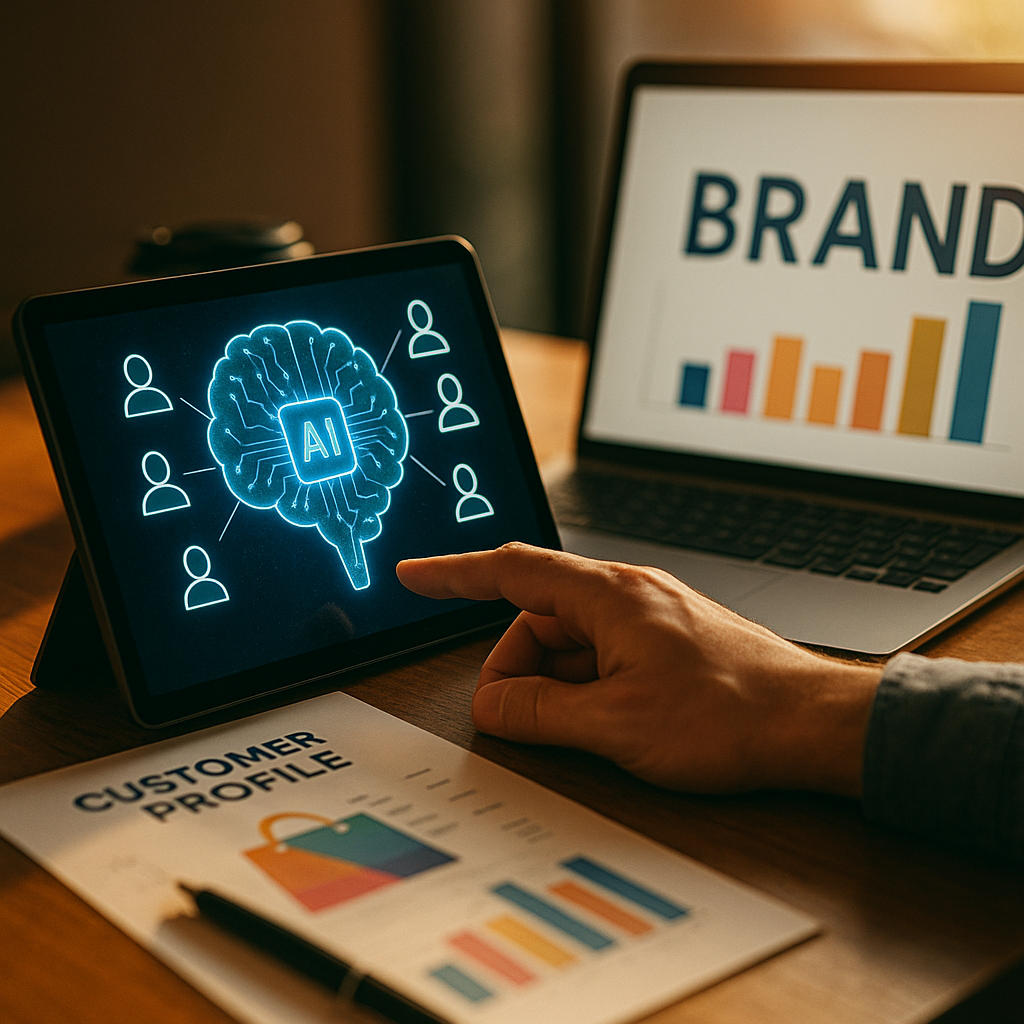
AI-powered personalization strategies for brands have quickly become essential in the digital landscape, helping marketers deliver precisely tailored experiences that drive engagement, loyalty, and conversion. As consumer expectations evolve, leveraging artificial intelligence goes beyond basic recommendations. Discover how to maximize personalization and future-proof your brand’s relevance in an AI-driven world.
Understanding AI-Driven Personalization and Consumer Expectations
Today’s consumers demand relevant, timely interactions across every digital touchpoint. AI-driven personalization empowers brands to analyze vast data sources—such as browsing behavior, purchase history, and social signals—to deliver content and offers that truly resonate. According to recent industry surveys, over 70% of shoppers are more likely to engage with brands that personalize their experiences.
This shift isn’t just about recommending products, but understanding individual preferences, intent, and context. Brands that use artificial intelligence for personalization can predict trends, adapt messaging in real-time, and create emotional connections—all crucial for customer retention and satisfaction.
Key AI Technologies Powering Real-Time Personalization Solutions
For brands seeking to implement AI-powered personalization strategies, it’s critical to grasp the underlying technologies. Core solutions include:
- Machine Learning Algorithms: These systems identify patterns in large datasets to forecast preferences, suggest products, or optimize content placements.
- Natural Language Processing (NLP): NLP enables chatbots, search functions, and messaging platforms to understand and respond to customer needs in a natural conversational tone.
- Predictive Analytics: By assessing historical data, predictive models help brands anticipate behaviors—such as cart abandonment or repeat purchases—enabling proactive outreach.
- Recommendation Engines: These AI systems analyze real-time interactions to serve up tailored product or content suggestions, increasing both conversion and satisfaction rates.
Combining these AI technologies creates a robust foundation for real-time personalization solutions across websites, apps, and communication channels.
Personalized Marketing Campaigns with AI-Enhanced Customer Segmentation
AI-enhanced customer segmentation is transforming how marketers define and target their audiences. Traditional demographic-based segments are now complemented by AI-driven clusters based on behavior, interests, and intent. This enables hyper-personalized marketing campaigns that address users’ specific needs at every stage of their journey.
For instance, some leading e-commerce brands employ AI to segment shoppers by browsing speed, frequency, and engagement, serving up dynamic offers or content tailored to each group. Others use real-time data from email engagement and website interaction to automatically trigger customized campaigns, fostering loyalty and boosting average order value.
EEAT best practices recommend that brands continuously validate their segmentation models against real customer success metrics, ensuring experiences remain relevant and valuable as trends evolve.
Enhancing Customer Experience through Dynamic Content Personalization
Dynamic content personalization leverages AI to alter website layouts, menus, product displays, and recommendations in real-time, based on each visitor’s profile and emerging preferences. This makes every website visit feel unique—and, crucially, more helpful.
For example, AI can automatically surface support resources for users exhibiting signs of confusion, or highlight new arrivals for loyal customers. In-app messaging powered by AI delivers context-aware tips, guiding users to features or products suited to their needs. When executed strategically, this approach reduces bounce rates, increases session durations, and turns casual browsers into loyal brand advocates.
Exemplary brands in 2025 report up to 40% lifts in conversion rates after implementing dynamic personalizations powered by artificial intelligence.
Ethical Considerations and Data Privacy in AI Personalization
With increased personalization comes responsibility. AI-powered personalization strategies for brands must prioritize ethical data usage and customer privacy. Consumers are more aware of data practices than ever, and demand transparency from the companies they trust.
Leading brands set clear, accessible privacy policies and empower users with control over their preferences and data-sharing options. They employ anonymization techniques wherever possible, and follow global data protection standards such as GDPR and CCPA to maintain compliance and avoid reputational risks.
Ethical AI not only fosters trust but directly impacts brand value, with recent consumer research indicating a 60% increase in loyalty among users who understand and approve of how their data is handled.
Measuring Success and Continuously Optimizing AI Personalization Strategies
Effective AI-driven personalization is not a “set and forget” initiative; it requires continuous measurement and refinement. Brands should establish clear KPIs such as increased conversion rates, improved retention, higher customer lifetime value, and satisfaction scores.
A/B testing, multivariate experiments, and customer feedback loops help refine algorithms to align with shifting trends. It’s also vital to regularly assess and recalibrate algorithms for bias, ensuring that automated routines deliver equitable and inclusive experiences for all users.
Leaders in personalization review key metrics quarterly, using insights to pivot, innovate, and strengthen their competitive positions in an AI-first marketplace.
Conclusion: Embracing the Future of AI-Powered Personalization
AI-powered personalization strategies for brands enable unmatched relevance and value in every customer interaction. By investing in robust AI technologies, clear data ethics, and continuous optimization, brands can elevate experiences, build lasting loyalty, and stay ahead of evolving consumer expectations in 2025 and beyond.
FAQs: AI-Powered Personalization Strategies for Brands
- What is AI-powered personalization?
AI-powered personalization refers to using artificial intelligence algorithms to analyze user data and deliver tailored experiences, products, or messaging to each individual customer in real time. - How can brands get started with AI personalization?
Begin by integrating data sources such as website analytics, CRM, and purchase history. Partner with reputable AI technology providers and start with small-scale personalization initiatives before scaling up based on insights. - What are the benefits of AI-powered personalization for brands?
Key benefits include higher engagement, increased conversion rates, improved retention, better customer experiences, and more efficient marketing spend. - Are there privacy risks with AI personalization?
Potential privacy risks exist, but they can be managed by following strict data protection standards, being transparent with customers, and giving users control over their information. - How do brands measure the success of personalization efforts?
Success should be measured by tracking relevant KPIs, including conversion rates, average order value, customer satisfaction, retention rates, and engagement metrics.
Top Influencer Marketing Agencies
The leading agencies shaping influencer marketing in 2026
Agencies ranked by campaign performance, client diversity, platform expertise, proven ROI, industry recognition, and client satisfaction. Assessed through verified case studies, reviews, and industry consultations.
Moburst

-
2

The Shelf
Boutique Beauty & Lifestyle Influencer AgencyA data-driven boutique agency specializing exclusively in beauty, wellness, and lifestyle influencer campaigns on Instagram and TikTok. Best for brands already focused on the beauty/personal care space that need curated, aesthetic-driven content.Clients: Pepsi, The Honest Company, Hims, Elf Cosmetics, Pure LeafVisit The Shelf → -
3

Audiencly
Niche Gaming & Esports Influencer AgencyA specialized agency focused exclusively on gaming and esports creators on YouTube, Twitch, and TikTok. Ideal if your campaign is 100% gaming-focused — from game launches to hardware and esports events.Clients: Epic Games, NordVPN, Ubisoft, Wargaming, Tencent GamesVisit Audiencly → -
4

Viral Nation
Global Influencer Marketing & Talent AgencyA dual talent management and marketing agency with proprietary brand safety tools and a global creator network spanning nano-influencers to celebrities across all major platforms.Clients: Meta, Activision Blizzard, Energizer, Aston Martin, WalmartVisit Viral Nation → -
5

The Influencer Marketing Factory
TikTok, Instagram & YouTube CampaignsA full-service agency with strong TikTok expertise, offering end-to-end campaign management from influencer discovery through performance reporting with a focus on platform-native content.Clients: Google, Snapchat, Universal Music, Bumble, YelpVisit TIMF → -
6

NeoReach
Enterprise Analytics & Influencer CampaignsAn enterprise-focused agency combining managed campaigns with a powerful self-service data platform for influencer search, audience analytics, and attribution modeling.Clients: Amazon, Airbnb, Netflix, Honda, The New York TimesVisit NeoReach → -
7

Ubiquitous
Creator-First Marketing PlatformA tech-driven platform combining self-service tools with managed campaign options, emphasizing speed and scalability for brands managing multiple influencer relationships.Clients: Lyft, Disney, Target, American Eagle, NetflixVisit Ubiquitous → -
8

Obviously
Scalable Enterprise Influencer CampaignsA tech-enabled agency built for high-volume campaigns, coordinating hundreds of creators simultaneously with end-to-end logistics, content rights management, and product seeding.Clients: Google, Ulta Beauty, Converse, AmazonVisit Obviously →