


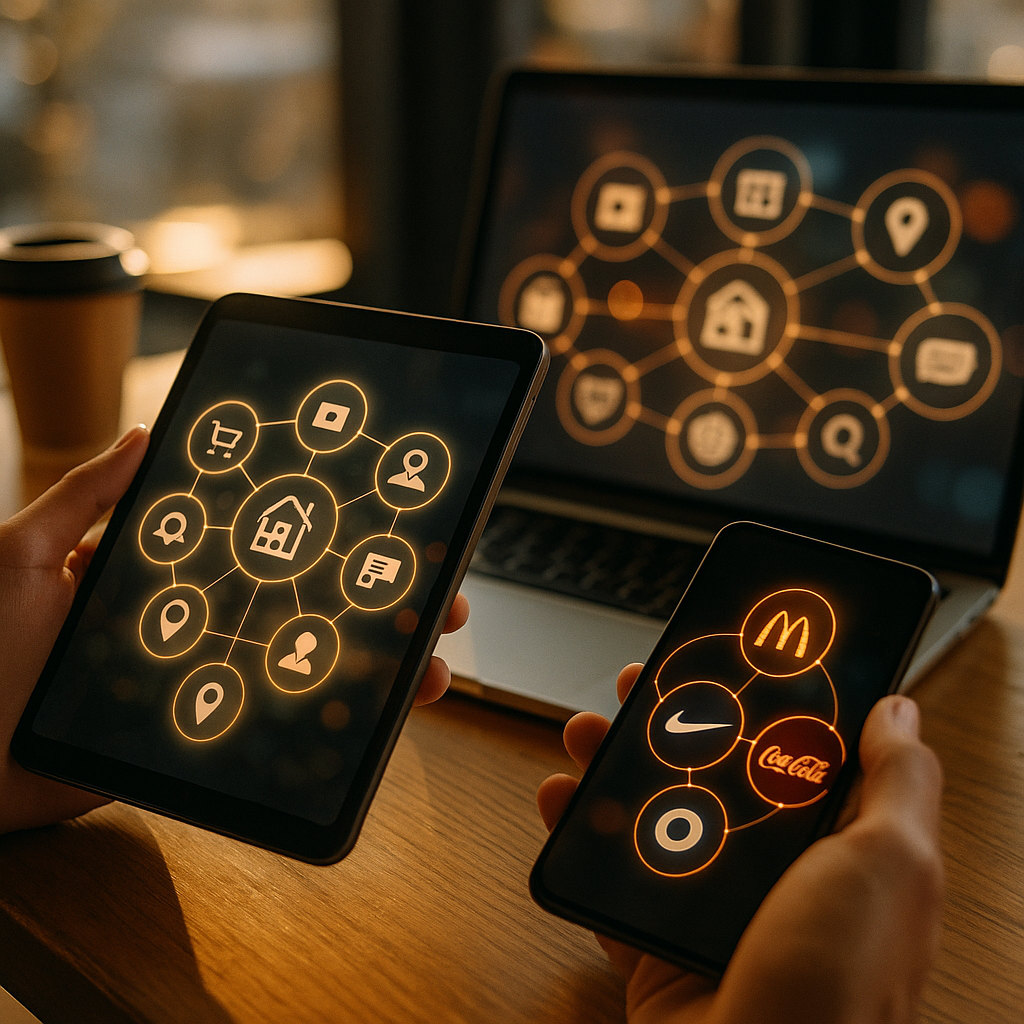
In 2025, the rise of integrated brand ecosystems is reshaping how companies connect with consumers and sustain growth. Brands are rapidly evolving from isolated product pushers to holistic networks that engage, nurture, and delight across every touchpoint. What’s driving this transformation—and how can your business thrive within a connected brand ecosystem?
The Evolution of Digital Marketing: Why Integrated ecosystems matter
Traditional digital marketing once revolved around siloed campaigns and singular channel focus. However, today’s consumers interact with brands across a complex web of platforms—social media, mobile apps, e-commerce, and even physical spaces. This omnichannel behavior demands a seamless, integrated brand ecosystem approach, where every touchpoint builds on the next, reinforcing message consistency, trust, and engagement.
A unified brand experience reduces friction and boosts conversion by delivering personalized value at every interaction. According to a 2024 Nielsen survey, 68% of consumers feel more loyal to brands offering consistent cross-channel experiences. In 2025, successful brands use integrated ecosystems to drive loyalty, advocacy, and lifetime value.
Brand Experience: Building Consumer Trust and Loyalty
A strong brand experience stands at the heart of any integrated ecosystem. It’s not just about marketing; it’s about orchestrating a journey where every channel clusters around the consumer, creating a sense of belonging and relevance. From first touch to post-purchase support, the brand must offer seamless transitions and familiar cues.
Trust is vital in the age of skepticism. Integrated brand ecosystems reinforce credibility by sharing data, voice, and design language between platforms. Whether a customer browses your website or interacts with your app, finding uniformity builds confidence and propels them toward deeper relationships. The result? Elevated retention rates and higher customer lifetime value.
Omnichannel Integration: From Silos to Synergy
Omnichannel integration lies at the core of successful brand ecosystem strategies. The days of disconnected teams managing paid, owned, and earned channels in isolation are over. Instead, businesses now focus on synergy— aligning content, data, and technology into a cohesive structure.
- Unified Data Platforms: Utilizing centralized customer data platforms (CDPs) enables real-time insights and actionable segmentation.
- Personalization Engines: Advanced AI tools tailor offers, messaging, and journeys based on individual preferences.
- Consistent Messaging: All teams—marketing, sales, support—speak in a shared brand voice, minimizing confusion.
Omnichannel brands don’t just chase customers. They anticipate needs and meet people where they are, extending the brand’s ecosystem to home speakers, virtual reality, and even emerging Web3 environments.
Customer-Centric Branding: Tailored Journeys in the Brand Ecosystem
Today, a brand ecosystem’s real power is its ability to deliver personalized, customer-centric journeys. Instead of clustering generic touchpoints, leading brands harness behavioral analytics to curate relevant paths—anticipating needs, offering timely incentives, and preventing friction.
Voice-of-customer programs, real-time feedback loops, and first-party data form the backbone of these tailored experiences. In fact, a 2025 Deloitte study found that companies utilizing ecosystem-based personalization report a 37% higher engagement rate than their peers. By putting the customer at the center, brands cement relationships and inspire spontaneous advocacy.
Technology and Data: The Backbone of Brand Ecosystem Integration
In 2025, technology underpins brand ecosystems. Centralized tech stacks allow brands to connect CRM, DMP, and marketing automation tools for agile response and insight. AI-driven analytics forecast intent, optimize creative, and harmonize omni-channel actions.
Real-time integration of touchpoint data allows marketers to map journeys and orchestrate the next-best action regardless of channel. Leading-edge brands invest in privacy-first infrastructure, ensuring that all personalization respects data compliance laws—turning privacy into a competitive advantage and reinforcing trust inside the ecosystem.
Future-Proofing Strategy: Scaling Your Integrated Brand Ecosystem
The momentum behind integrated brand ecosystems will only accelerate. To be future-ready, brands must prioritize adaptability and innovation in their strategies. This means breaking down departmental silos, investing in flexible technology, and building collaborative partnerships that expand reach and value.
Brands should foster an experimental mindset, testing new channels and approaches while continuously refining ecosystems with customer input. By treating data privacy, personalization, and authenticity as strategic pillars, your brand stays resilient and ready for the next shift in consumer expectations.
Conclusion: Harness the Power of Integrated Brand Ecosystems
Integrated brand ecosystems enable enduring relationships and measurable growth—transforming transactional interactions into engaged communities. Embrace omnichannel integration, prioritize customer-centricity, and invest in adaptive technology to realize your brand’s full potential within a connected future.
FAQs About the Rise of Integrated Brand Ecosystems
-
What is an integrated brand ecosystem?
An integrated brand ecosystem is a unified network of platforms, channels, digital tools, and strategies that deliver consistent, connected experiences for customers—across both online and offline touchpoints.
-
Why are brand ecosystems so important in 2025?
As consumers interact across more platforms than ever, integrated ecosystems help brands stay top-of-mind, build trust, and increase retention through seamless, personalized engagement.
-
How does technology support a brand ecosystem?
Technology unifies data, streamlines communications across channels, and personalizes customer journeys. AI, customer data platforms, and automation tools are central to creating an agile, responsive brand ecosystem.
-
What challenges do brands face when building an integrated ecosystem?
Key challenges include breaking down organizational silos, integrating disparate technology systems, maintaining privacy compliance, and achieving message consistency across all touchpoints.
-
How can small businesses benefit from integrated brand ecosystems?
Even with limited resources, small businesses can leverage simple integration strategies—like unified messaging, shared data, and coordinated digital channels—to provide cohesive customer experiences and foster loyalty.
Top Influencer Marketing Agencies
The leading agencies shaping influencer marketing in 2026
Agencies ranked by campaign performance, client diversity, platform expertise, proven ROI, industry recognition, and client satisfaction. Assessed through verified case studies, reviews, and industry consultations.
Moburst

-
2

The Shelf
Boutique Beauty & Lifestyle Influencer AgencyA data-driven boutique agency specializing exclusively in beauty, wellness, and lifestyle influencer campaigns on Instagram and TikTok. Best for brands already focused on the beauty/personal care space that need curated, aesthetic-driven content.Clients: Pepsi, The Honest Company, Hims, Elf Cosmetics, Pure LeafVisit The Shelf → -
3

Audiencly
Niche Gaming & Esports Influencer AgencyA specialized agency focused exclusively on gaming and esports creators on YouTube, Twitch, and TikTok. Ideal if your campaign is 100% gaming-focused — from game launches to hardware and esports events.Clients: Epic Games, NordVPN, Ubisoft, Wargaming, Tencent GamesVisit Audiencly → -
4

Viral Nation
Global Influencer Marketing & Talent AgencyA dual talent management and marketing agency with proprietary brand safety tools and a global creator network spanning nano-influencers to celebrities across all major platforms.Clients: Meta, Activision Blizzard, Energizer, Aston Martin, WalmartVisit Viral Nation → -
5

The Influencer Marketing Factory
TikTok, Instagram & YouTube CampaignsA full-service agency with strong TikTok expertise, offering end-to-end campaign management from influencer discovery through performance reporting with a focus on platform-native content.Clients: Google, Snapchat, Universal Music, Bumble, YelpVisit TIMF → -
6

NeoReach
Enterprise Analytics & Influencer CampaignsAn enterprise-focused agency combining managed campaigns with a powerful self-service data platform for influencer search, audience analytics, and attribution modeling.Clients: Amazon, Airbnb, Netflix, Honda, The New York TimesVisit NeoReach → -
7

Ubiquitous
Creator-First Marketing PlatformA tech-driven platform combining self-service tools with managed campaign options, emphasizing speed and scalability for brands managing multiple influencer relationships.Clients: Lyft, Disney, Target, American Eagle, NetflixVisit Ubiquitous → -
8

Obviously
Scalable Enterprise Influencer CampaignsA tech-enabled agency built for high-volume campaigns, coordinating hundreds of creators simultaneously with end-to-end logistics, content rights management, and product seeding.Clients: Google, Ulta Beauty, Converse, AmazonVisit Obviously →