


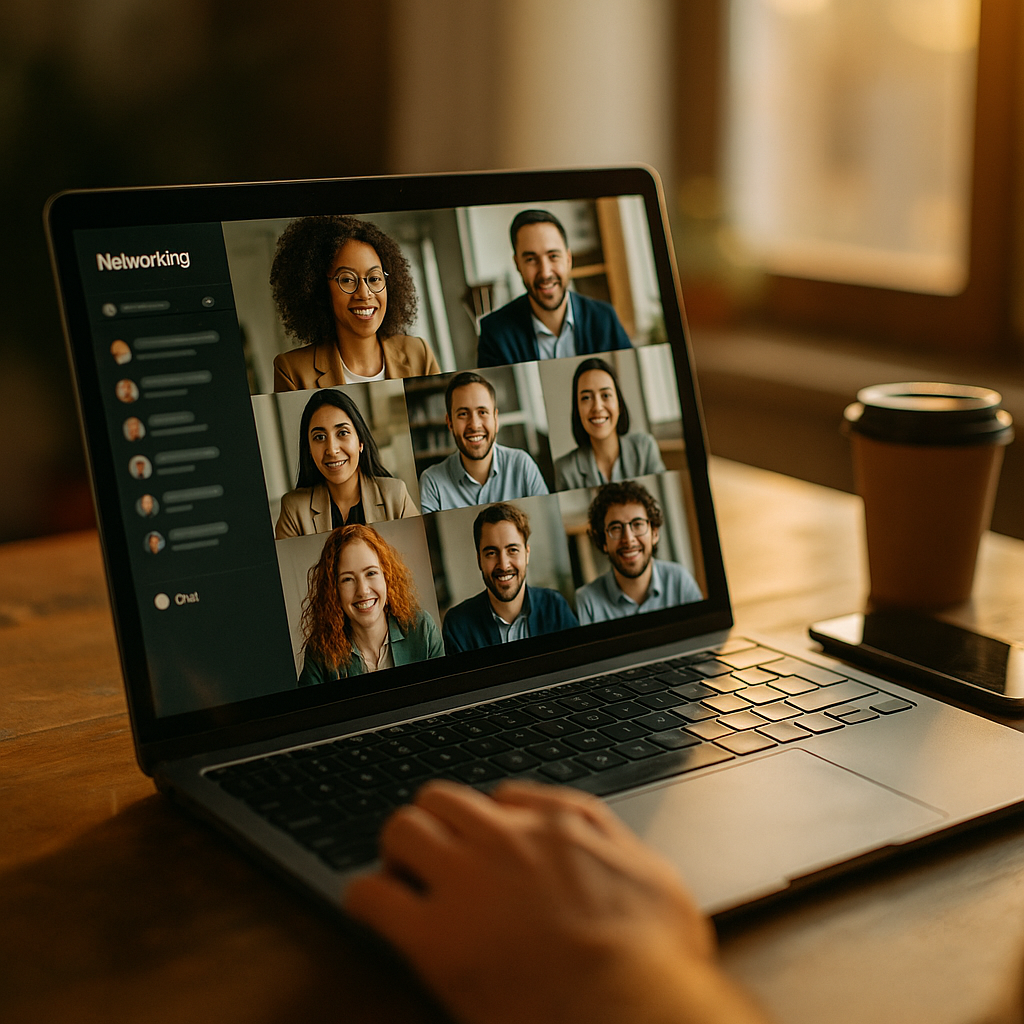
Virtual event platforms with networking features have revolutionized how professionals connect and collaborate digitally. As businesses and organizations increasingly operate online, selecting the best platform can determine the success of any virtual gathering. In this review, we examine leading platforms, dissect networking functionalities, and highlight what event organizers should prioritize for a seamless 2025 experience.
Comprehensive Virtual Event Solutions: The Top Platforms of 2025
The best virtual event platforms of 2025 blend intuitive interfaces, scalability, and robust networking. Leading solutions like Hopin, Brella, Remo, Airmeet, and vFairs continue to evolve, adding advanced AI elements and seamless integrations. A platform’s reputation hinges on its real-time engagement tools and capacity to bring global attendees together while mimicking in-person interaction.
Successful platforms include:
- Hopin: Known for speed, flexibility, and interactive networking through 1:1 video meetings and randomized matchmaking.
- Brella: Specializes in AI-powered matchmaking and structured networking schedules.
- Remo: Offers a unique “virtual table” format for organic, small group conversations.
- Airmeet: Prioritizes open lounges and social spaces with topic-driven tables for targeted discussions.
- vFairs: Excels in customizable 3D environments with rich sponsor and exhibitor interaction zones.
These platforms support everything from global summits to intimate workshops, enabling organizers to tailor experiences based on event size and audience needs.
Evaluating Networking Features in Virtual Event Platforms
A platform’s value often depends on its networking functionality. In 2025, the most sought-after features go beyond basic chatrooms. Event professionals want to foster meaningful relationships and maximize ROI for attendees and sponsors alike. Some key networking features to look out for include:
- AI-driven matchmaking: Algorithms pair attendees based on interests and goals, improving engagement rates.
- Breakout rooms and topic tables: Facilitate intimate, focused interactions beyond main sessions.
- On-demand meeting scheduling: Enables participants to book 1:1 or group meetings instantly.
- Integrated social profiles: Attendees create detailed profiles, making introductions and follow-ups seamless.
- Gamification: Points, leaderboards, and prizes encourage attendees to connect and participate.
- Post-event networking: Continued platform access lets relationships grow after the event ends.
The platforms offering these capabilities consistently produce higher satisfaction scores and post-event retention for both attendees and organizers.
User Experience: Accessibility and Engagement at Scale
The user experience (UX) plays a major role in the success of virtual networking events. Platforms leading the market in 2025 design their tools around accessibility, inclusivity, and ease of use, ensuring attendees of all tech backgrounds can participate confidently. Accessibility features such as automated captioning, language support, and responsive designs are now standard expectations.
Engagement is fueled by interactive tools:
- Live polling keeps sessions dynamic.
- Q&A sessions enable direct audience-speaker communication.
- Real-time chat offers spontaneous networking moments.
- Customizable avatars and digital business cards let users express themselves professionally.
For hybrid or international events, platforms prioritize seamless mobile compatibility and browser-based access, reducing technical barriers and ensuring more inclusive, widespread participation.
Security and Data Privacy: Trust in Virtual Event Environments
With sensitive personal data and corporate information in circulation, security is a top concern for event organizers in 2025. Virtual event platforms with networking features must adhere to global standards for data privacy, such as GDPR compliance and ISO certifications. Transparent privacy policies, optional attendee visibility controls, and robust encryption practices build participant trust.
Leading platforms also provide:
- Multi-factor authentication for both moderators and attendees
- Secure data storage with end-to-end encryption
- Clear opt-in/out choices for networking visibility
- Onboarding processes outlining networking rules and safe conduct
Platforms with clear, proactive privacy measures see noticeably higher adoption rates among corporate clients and regulated industries.
Integrations and Analytics: Maximizing Virtual Event ROI
Virtual event platforms in 2025 thrive by integrating with popular CRM, marketing, and collaboration tools, such as Salesforce, HubSpot, and Slack. Rich analytics dashboards measure engagement, networking activity, and lead generation, allowing organizers to justify investment and tweak future strategies.
Key analytics and integration benefits include:
- Lead scoring based on networking actions
- Session-level attendance tracking and heatmaps
- Automated follow-up workflows directly connecting CRM systems to event data
- Third-party app support for polls, games, and sponsor showcases
- Customizable reporting on networking outcomes, helping sponsors assess event success
With robust data, organizers can pivot quickly, improve future events, and offer more value to all stakeholders.
Choosing the Right Virtual Event Networking Platform: Critical Considerations
Decision-makers must align their platform choice with event objectives, audience demographics, and technical requirements. Here are expert tips to guide the selection process:
- Define core event goals: Prioritize platforms that cater to networking if it is a primary aim.
- Assess scalability: Ensure the platform handles your expected attendee numbers smoothly.
- Test networking features: Request a demo to experience matchmaking, meeting booking, and analytics firsthand.
- Check security and compliance: Verify data protection standards and local law adherence.
- Review support and customization: Strong platforms offer technical support and custom branding options.
- Analyze post-event networking tools: Value persists when relationships can be nurtured after the event.
Organizations that carefully evaluate these factors see better networking outcomes and greater satisfaction among both attendees and stakeholders.
Conclusion: Virtual Event Platforms with Networking Features in 2025
Virtual event platforms with networking features are more sophisticated and essential than ever in 2025. By prioritizing robust matchmaking, strong UX, sound security, and actionable analytics, organizers can ensure outstanding digital experiences. The right solution not only meets but exceeds attendee expectations—unlocking real value and lasting connections.
FAQs: Virtual Event Platforms with Networking Features
-
What are the top virtual event platforms for networking in 2025?
The leading platforms include Hopin, Brella, Remo, Airmeet, and vFairs—each offering advanced networking features, scalability, and strong security practices.
-
Which networking features should I prioritize?
Look for AI matchmaking, breakout rooms, on-demand meetings, integrated profiles, gamified engagement, and options for post-event networking.
-
How do platforms ensure security and privacy?
Top platforms comply with GDPR and international standards, offering encrypted data storage, multi-factor authentication, privacy settings, and clear data use policies.
-
Can virtual event networking be as effective as in-person networking?
With current platforms and AI enhancements, many organizers report equal or higher engagement, especially when events use structured matchmaking and interactive features.
-
How do virtual event platforms measure networking success?
Platforms provide analytics on attendee meetings, message rates, engagement, and lead conversion, helping organizers optimize both live and future events.
Top Influencer Marketing Agencies
The leading agencies shaping influencer marketing in 2026
Agencies ranked by campaign performance, client diversity, platform expertise, proven ROI, industry recognition, and client satisfaction. Assessed through verified case studies, reviews, and industry consultations.
Moburst

-
2

The Shelf
Boutique Beauty & Lifestyle Influencer AgencyA data-driven boutique agency specializing exclusively in beauty, wellness, and lifestyle influencer campaigns on Instagram and TikTok. Best for brands already focused on the beauty/personal care space that need curated, aesthetic-driven content.Clients: Pepsi, The Honest Company, Hims, Elf Cosmetics, Pure LeafVisit The Shelf → -
3

Audiencly
Niche Gaming & Esports Influencer AgencyA specialized agency focused exclusively on gaming and esports creators on YouTube, Twitch, and TikTok. Ideal if your campaign is 100% gaming-focused — from game launches to hardware and esports events.Clients: Epic Games, NordVPN, Ubisoft, Wargaming, Tencent GamesVisit Audiencly → -
4

Viral Nation
Global Influencer Marketing & Talent AgencyA dual talent management and marketing agency with proprietary brand safety tools and a global creator network spanning nano-influencers to celebrities across all major platforms.Clients: Meta, Activision Blizzard, Energizer, Aston Martin, WalmartVisit Viral Nation → -
5

The Influencer Marketing Factory
TikTok, Instagram & YouTube CampaignsA full-service agency with strong TikTok expertise, offering end-to-end campaign management from influencer discovery through performance reporting with a focus on platform-native content.Clients: Google, Snapchat, Universal Music, Bumble, YelpVisit TIMF → -
6

NeoReach
Enterprise Analytics & Influencer CampaignsAn enterprise-focused agency combining managed campaigns with a powerful self-service data platform for influencer search, audience analytics, and attribution modeling.Clients: Amazon, Airbnb, Netflix, Honda, The New York TimesVisit NeoReach → -
7

Ubiquitous
Creator-First Marketing PlatformA tech-driven platform combining self-service tools with managed campaign options, emphasizing speed and scalability for brands managing multiple influencer relationships.Clients: Lyft, Disney, Target, American Eagle, NetflixVisit Ubiquitous → -
8

Obviously
Scalable Enterprise Influencer CampaignsA tech-enabled agency built for high-volume campaigns, coordinating hundreds of creators simultaneously with end-to-end logistics, content rights management, and product seeding.Clients: Google, Ulta Beauty, Converse, AmazonVisit Obviously →