


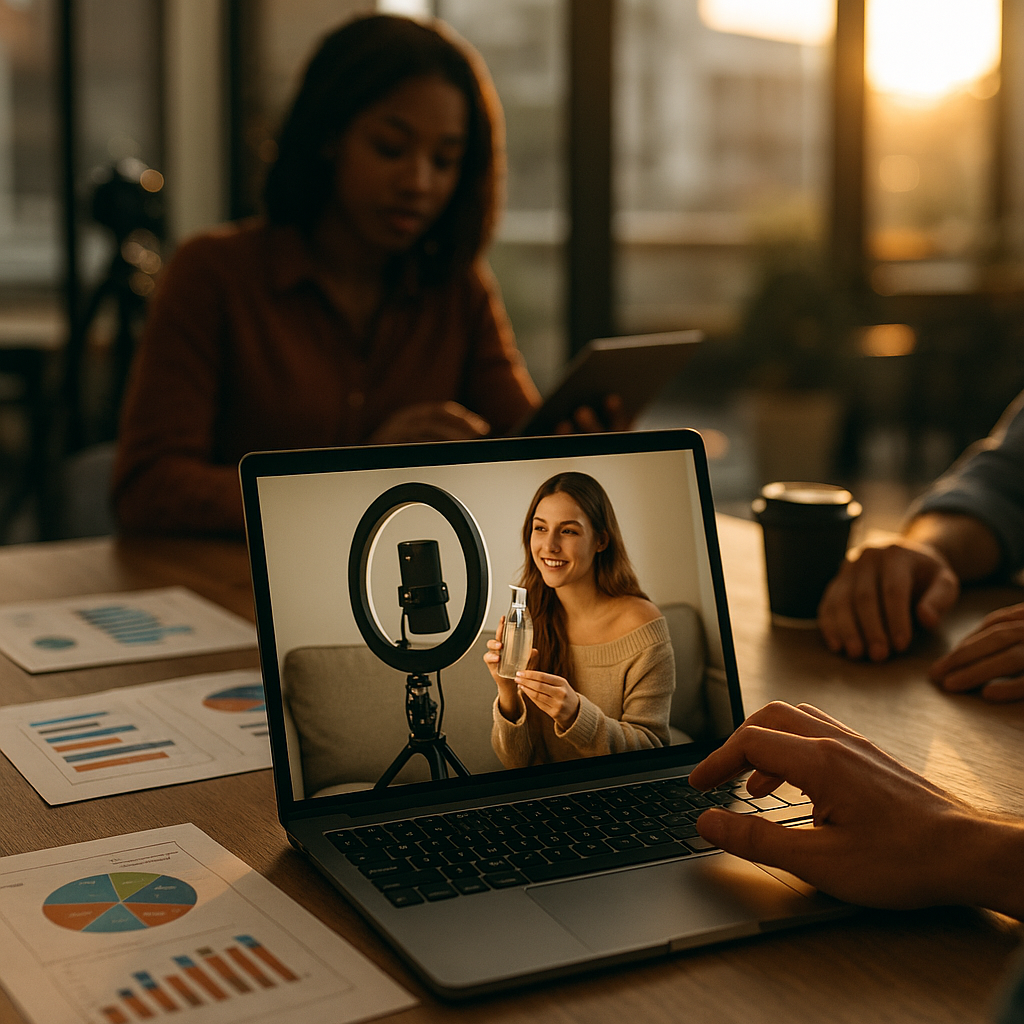
Wondering how to integrate influencer marketing into your media mix for maximum impact in 2025? Mastering influencer partnerships can amplify reach, build trust, and deliver measurable results within your broader marketing strategy. Let’s explore data-driven, actionable steps that will help you blend influencer campaigns seamlessly into your existing media ecosystem for real, lasting value.
Why Add Influencer Marketing to Your Media Mix?
As brands navigate an increasingly saturated digital landscape, adding influencer marketing to your media mix provides authentic engagement and extends your brand’s voice beyond traditional advertising. Influencer marketing delivers credible, audience-driven content that builds trust faster than ads alone. A 2024 Statista report showed 67% of marketers planned to boost influencer budgets after observing higher ROI compared to display or search ads.
By including influencers in your media strategy, you achieve these tangible advantages:
- Extended reach: Influencers grant access to active, loyal communities.
- Authenticity: Partnered voices drive organic engagement.
- Content diversity: User-focused content complements brand assets.
- Improved targeting: Influencers help you reach niche or hard-to-engage segments.
- Integrated storytelling: Influencer-created narratives span social, digital, and even offline activations.
Marketers in 2025 increasingly regard influencer marketing as an essential pillar—not a stand-alone tactic—for a well-rounded media plan.
Selecting Influencer Marketing Platforms for Optimal Results
The key to successful integration is choosing the right influencer channels that align with your business goals. Consider:
- Audience overlap: Does the influencer’s community echo your ideal buyer personas?
- Platform fit: Are your targets more active on Instagram, TikTok, LinkedIn, or YouTube?
- Performance analytics: Can you track campaign metrics and outcomes directly on the platform?
- Content style: Does the influencer’s tone and content style resonate with your brand identity?
Data from Influencer Marketing Hub’s 2024 Benchmark Report highlighted Instagram and TikTok as leading ROI generators, but brands also report growth via niche platforms like Twitch or Podcasts. Always pilot campaigns on one or two channels, analyze performance, then expand to others as you build confidence.
Blending Influencer Marketing with Paid and Owned Media
True success lies in blending influencer marketing with your existing paid, earned, and owned channels.
- Paid Media Collaboration: Amplify influencer-created content using social ads, sponsored posts, or retargeting. This approach increases longevity and reach of high-performing assets, maximizing your budget impact.
- Owned Channel Integration: Repurpose influencer content on your website, blog, and newsletters. Customer testimonials or unboxing videos add authenticity to your digital presence.
- Earned Media Synergy: Leverage influencer relationships to generate organic PR, reviews, or press pickups—blurring the lines between influencer advocacy and journalistic credibility.
Track the lift in brand awareness and conversions across each channel. Brands integrating influencer assets into cross-channel campaigns consistently report higher engagement, according to the 2024 Nielsen Global Marketing Report.
Measuring the Impact: Attribution and Analytics in Influencer Campaigns
Quantifying influencer marketing’s real contribution is critical for buy-in and optimization. In 2025, robust measurement frameworks blend first-party analytics and partner-provided data. Consider these key metrics:
- Brand Lift: Awareness, perception, and sentiment before and after campaigns.
- Engagement: Likes, shares, comments, saves, and time spent on content.
- Traffic & Conversions: Unique clicks, attributed sales, cost per acquisition, and return on ad spend (ROAS).
- Audience Growth: Follower increases during and after influencer activation.
Advanced marketers employ trackable links, unique promo codes, and pixel-based attribution to ensure credible reporting. Google Analytics 4, native channel insights, and influencer-specific platforms are critical for understanding how influencer campaigns interact with the rest of your media mix.
Ensuring Brand Safety and Authenticity with Influencer Partnerships
Brand safety and authenticity remain top priorities. The rapid evolution of influencer regulations in 2025 means compliance is non-negotiable. To protect your brand:
- Vet thoroughly: Use tools to check influencer credibility, past controversies, audience demographics, and engagement authenticity.
- Set clear contracts: Detail expectations, content review protocols, and deliverables in writing.
- Foster transparency: Require clear disclosures (#ad, #sponsored) for compliance and trust.
- Monitor content: Use brand safety software or manual checks to spot potential risks in real time.
The most successful brands treat influencers as long-term partners, investing in relationship-building and mutual understanding. This approach yields deeper, more impactful collaborations that go far beyond one-off campaigns.
Emerging Trends: The Future of Influencer Marketing in the Media Mix
In 2025, influencer marketing continues to evolve rapidly, shaped by advances in AI, video content, and social commerce. Keep an eye on these key trends for sharper integration within your media mix:
- AI-driven influencer discovery: Brands increasingly rely on AI and machine learning to match with authentic influencers and predict campaign outcomes more accurately.
- Micro- and nano-influencers: Small, niche creators often deliver outsized engagement and conversion by connecting directly with tightly focused communities.
- Interactive content: Shoppable posts, livestreaming, and AR experiences are redefining how influencers drive engagement—and direct sales.
- Cross-channel storytelling: Influencer narratives now span multiple media touchpoints, from social to search to CTV (Connected TV).
- Deeper data integration: Influencer analytics now tie directly into broader attribution models, giving you a clearer picture of their impact on the full customer journey.
Early adopters who prioritize data, authenticity, and agile partnerships will shape tomorrow’s most effective integrated media mixes.
Integrating influencer marketing into your media mix is no longer optional—it’s essential for authentic growth in 2025. By strategically selecting partners, fostering cross-channel synergy, and emphasizing transparency and measurement, you can unlock greater ROI while building brand equity for the long term.
FAQs: Integrating Influencer Marketing Into Your Media Mix
-
How do I choose the right influencer for my brand?
Look at relevance, engagement rates, audience demographics, authenticity, and previous partnership success. Aligning values and brand personality also helps drive genuine connections.
-
What’s the best way to measure influencer marketing effectiveness?
Use a blend of direct analytics (traffic, sales, engagement) and brand lift studies. Tracked links, custom promo codes, and integrated platform analytics all give a clearer measure of true performance.
-
Can influencer marketing work for B2B brands?
Absolutely. B2B influencer programs use industry experts or thought leaders to drive credibility and lead generation, especially on LinkedIn, industry podcasts, or specialized YouTube channels.
-
What are the main risks to watch out for?
Risks include influencer fraud, brand misalignment, non-compliance with ad disclosures, and reputational damage. Meticulous vetting and clear contracts minimize these risks.
-
How much budget should I allocate to influencer marketing?
Start by piloting 10-20% of your social or digital budget for influencer campaigns. Ramp up spending as you see consistent, measurable results in your broader media mix.
Top Influencer Marketing Agencies
The leading agencies shaping influencer marketing in 2026
Agencies ranked by campaign performance, client diversity, platform expertise, proven ROI, industry recognition, and client satisfaction. Assessed through verified case studies, reviews, and industry consultations.
Moburst

-
2

The Shelf
Boutique Beauty & Lifestyle Influencer AgencyA data-driven boutique agency specializing exclusively in beauty, wellness, and lifestyle influencer campaigns on Instagram and TikTok. Best for brands already focused on the beauty/personal care space that need curated, aesthetic-driven content.Clients: Pepsi, The Honest Company, Hims, Elf Cosmetics, Pure LeafVisit The Shelf → -
3

Audiencly
Niche Gaming & Esports Influencer AgencyA specialized agency focused exclusively on gaming and esports creators on YouTube, Twitch, and TikTok. Ideal if your campaign is 100% gaming-focused — from game launches to hardware and esports events.Clients: Epic Games, NordVPN, Ubisoft, Wargaming, Tencent GamesVisit Audiencly → -
4

Viral Nation
Global Influencer Marketing & Talent AgencyA dual talent management and marketing agency with proprietary brand safety tools and a global creator network spanning nano-influencers to celebrities across all major platforms.Clients: Meta, Activision Blizzard, Energizer, Aston Martin, WalmartVisit Viral Nation → -
5

The Influencer Marketing Factory
TikTok, Instagram & YouTube CampaignsA full-service agency with strong TikTok expertise, offering end-to-end campaign management from influencer discovery through performance reporting with a focus on platform-native content.Clients: Google, Snapchat, Universal Music, Bumble, YelpVisit TIMF → -
6

NeoReach
Enterprise Analytics & Influencer CampaignsAn enterprise-focused agency combining managed campaigns with a powerful self-service data platform for influencer search, audience analytics, and attribution modeling.Clients: Amazon, Airbnb, Netflix, Honda, The New York TimesVisit NeoReach → -
7

Ubiquitous
Creator-First Marketing PlatformA tech-driven platform combining self-service tools with managed campaign options, emphasizing speed and scalability for brands managing multiple influencer relationships.Clients: Lyft, Disney, Target, American Eagle, NetflixVisit Ubiquitous → -
8

Obviously
Scalable Enterprise Influencer CampaignsA tech-enabled agency built for high-volume campaigns, coordinating hundreds of creators simultaneously with end-to-end logistics, content rights management, and product seeding.Clients: Google, Ulta Beauty, Converse, AmazonVisit Obviously →