


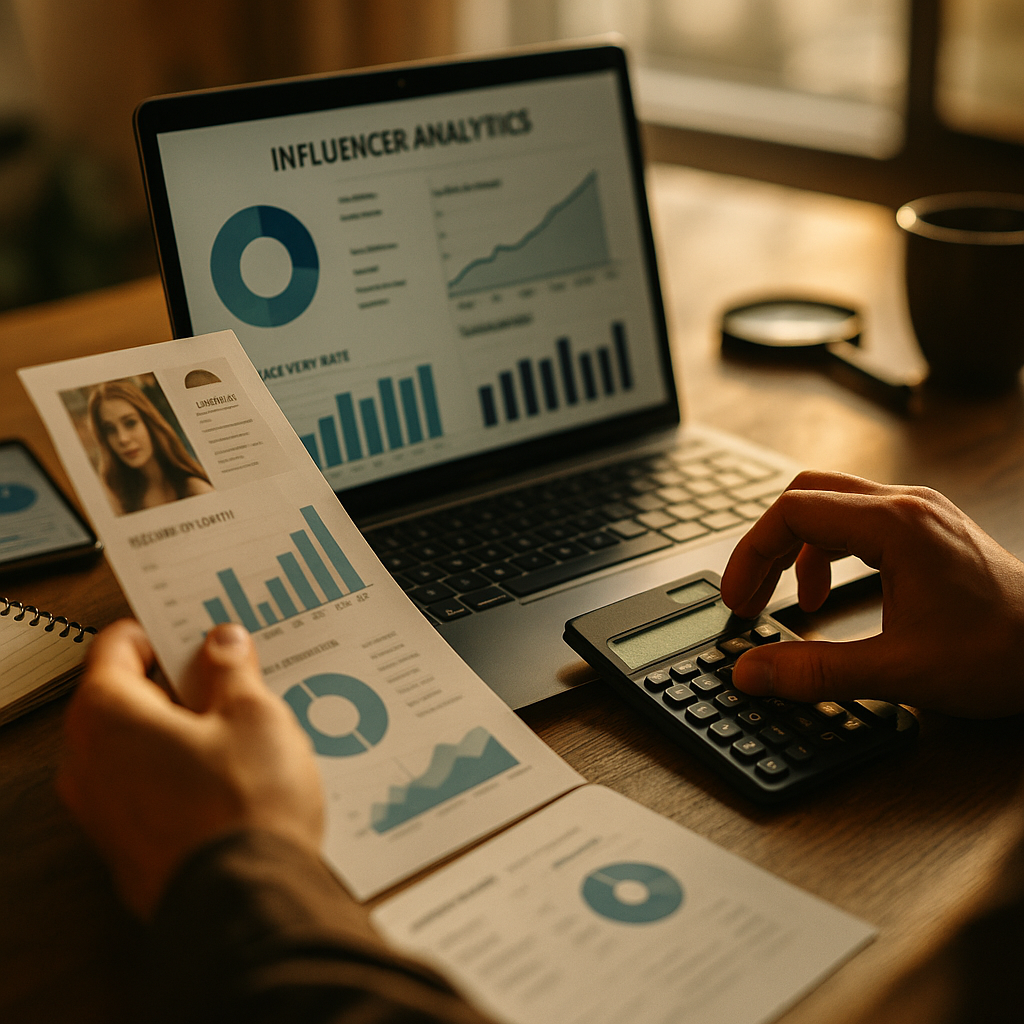
Tools that help brands audit influencer data integrity have become indispensable in 2025. With influencer marketing budgets at an all-time high, robust auditing ensures authentic partnerships, transparency, and ROI. But how do brands choose the right tools and methods to verify influencer data? Let’s uncover the leading solutions and best practices that ensure your influencer collaborations are built on genuine metrics and trustworthy results.
Understanding Influencer Data Integrity and Its Importance
Influencer data integrity means verifying the accuracy and authenticity of analytics such as audience demographics, engagement rates, and reach. Fake followers, misleading engagement, and unverified content can heavily skew results. Inaccurate data impacts campaign decisions and undermines brand trust. With influencer partnerships forecasted to drive over $24 billion in global marketing spend by 2025, data integrity has moved front and center for all serious brands.
Brands now demand concrete verification methods to safeguard investments, ensure transparency, and support ethical marketing. Brands risk damaging their reputation and ROI if they partner with influencers whose data is inflated or inauthentic.
Key Features of Influencer Audit Tools for Brand Safety
Modern influencer audit tools offer features designed specifically to guarantee brand safety and data transparency. When choosing such tools, brands should look for these essential capabilities:
- Fake Follower Detection: Algorithms identify sudden spikes in followers or engagement that suggest bot activity.
- Audience Demographics Verification: Accurate breakdowns of audience age, location, and interests using first-party and third-party data.
- Content Authenticity Checks: AI-driven systems detect plagiarized or inauthentic content across platforms.
- Historical Engagement Analysis: Longitudinal charts track engagement anomalies over months, not just recent activity.
- Automated Reporting: Dashboards summarize red flags and compliance risks in easy-to-digest formats for brand teams.
These features empower brands to confidently filter out risky partnerships and invest only in data-driven influencer collaborations.
Top Tools That Help Brands Audit Influencer Data Integrity
Several industry-leading tools dominate the influencer audit space in 2025, each trusted by global brands for their cutting-edge analytics and transparency safeguards:
- HypeAuditor
Known for comprehensive fraud detection, HypeAuditor’s AI evaluates follower authenticity, engagement quality, audience geography, and more. It integrates directly with multiple platforms for up-to-the-minute data. - Upfluence
Upfluence offers real-time influencer vetting. Its Discovery tool scans profiles, flags suspicious patterns, and helps brands find influencers whose values align with their objectives. - Modash
With a seamless Chrome extension, Modash verifies influencer reach, audience overlap, and engagement patterns across Instagram, TikTok, and YouTube, ensuring data is not manipulated or outdated. - Brandwatch Influence
Backed by robust social listening, Brandwatch Influence merges conversation analytics with influencer performance metrics, creating a 360-degree risk profile before investment. - Traackr
Traackr specializes in granular data audits and benchmarking, allowing brands to monitor influencer campaign results over time and eliminate metrics inflation.
Each of these tools has features tailored for specific campaign requirements, and many brands use a combination for maximum accuracy and peace of mind.
Integrating Influencer Audit Tools with Campaign Workflows
Integrating influencer verification tools into existing marketing workflows is crucial for streamlining campaigns and ensuring efficiency. Here’s how top brands do it in 2025:
- Onboarding Stage: Audit influencers immediately during vetting, before any contracts are signed. Automated reports from tools like HypeAuditor speed up decisions.
- Ongoing Monitoring: Utilize automated dashboards and alerts to flag any mid-campaign changes in influencer data integrity, enabling rapid responses to emerging issues.
- Post-Campaign Analysis: Measure actual outcomes vs. predicted results using historical data trends from tools like Traackr, refining future selection criteria.
Seamless integrations now exist between audit platforms and social media management suites, creating a unified data pipeline. Many tools now also offer direct API access for brands managing larger influencer rosters across multiple regions.
Best Practices for Brands Auditing Influencer Data
To maximize influencer data transparency, industry leaders in 2025 recommend these best practices:
- Always Request Platform Access: Secure read-only API access or data permissions from influencers’ business accounts to validate self-reported metrics against official numbers.
- Cross-Reference Data Points: Compare audience, engagement, and reach stats across several tools to detect inconsistencies.
- Stay Updated on Platform Changes: Social platforms frequently update APIs and data-sharing policies; sync with audit providers to ensure uninterrupted, accurate data flow.
- Include Transparency Clauses: Agreements with influencers should mandate ongoing data sharing and penalty provisions for manipulated data.
- Conduct Regular Spot Audits: Even established influencers can experience anomalies; routine checks protect your brand long-term.
Consistency is key—auditing isn’t a one-off process but an ongoing commitment to data integrity and campaign excellence.
The Future of Brand-Side Influencer Verification
Looking ahead, brand safety solutions are becoming even more sophisticated. By 2025, advances in AI and blockchain verification are enabling near real-time authentication of influencer metrics and campaign results. Smart contracts are automating payment processes based on verified outputs, virtually eliminating fraud and building trust for both brands and influencers.
With stricter regulations around influencer transparency being discussed globally, brands must stay agile, invest in the latest audit technologies, and champion continuous learning. This approach keeps campaigns both compliant and ahead of the curve, while reinforcing genuine, impactful influencer partnerships.
Conclusion: Investing in Reliable Influencer Audit Tools Pays Off
The use of tools that help brands audit influencer data integrity sets leading marketers apart in 2025. Brands that invest in verification platforms and best practices consistently outpace competitors in ROI, trust, and campaign success. The message is clear: authentic influencer partnerships start with a unwavering commitment to data transparency and diligence.
FAQs: Tools That Help Brands Audit Influencer Data Integrity
-
What is influencer data integrity?
Influencer data integrity means ensuring that the audience, engagement, and reach metrics reported by influencers are accurate and free from fraud or manipulation. -
Why should brands care about auditing influencer data?
Auditing influencer data protects brands from wasting budget on inflated metrics, and ensures campaigns reach real, relevant audiences—boosting ROI and reputation. -
How do influencer audit tools detect fake followers?
Audit tools use AI to scan for bots, sudden follower spikes, inexplicable engagement changes, and account activity that suggests non-human interactions. -
Can these audit tools integrate with existing marketing systems?
Yes, many tools offer API integrations and direct connections with campaign management suites, allowing brands to automate checks within their workflow. -
Are influencer audit tools worth the investment?
Absolutely. The cost of audit tools is easily offset by the prevention of fraud, improved influencer selection, and higher confidence in campaign results.
Top Influencer Marketing Agencies
The leading agencies shaping influencer marketing in 2026
Agencies ranked by campaign performance, client diversity, platform expertise, proven ROI, industry recognition, and client satisfaction. Assessed through verified case studies, reviews, and industry consultations.
Moburst

-
2

The Shelf
Boutique Beauty & Lifestyle Influencer AgencyA data-driven boutique agency specializing exclusively in beauty, wellness, and lifestyle influencer campaigns on Instagram and TikTok. Best for brands already focused on the beauty/personal care space that need curated, aesthetic-driven content.Clients: Pepsi, The Honest Company, Hims, Elf Cosmetics, Pure LeafVisit The Shelf → -
3

Audiencly
Niche Gaming & Esports Influencer AgencyA specialized agency focused exclusively on gaming and esports creators on YouTube, Twitch, and TikTok. Ideal if your campaign is 100% gaming-focused — from game launches to hardware and esports events.Clients: Epic Games, NordVPN, Ubisoft, Wargaming, Tencent GamesVisit Audiencly → -
4

Viral Nation
Global Influencer Marketing & Talent AgencyA dual talent management and marketing agency with proprietary brand safety tools and a global creator network spanning nano-influencers to celebrities across all major platforms.Clients: Meta, Activision Blizzard, Energizer, Aston Martin, WalmartVisit Viral Nation → -
5

The Influencer Marketing Factory
TikTok, Instagram & YouTube CampaignsA full-service agency with strong TikTok expertise, offering end-to-end campaign management from influencer discovery through performance reporting with a focus on platform-native content.Clients: Google, Snapchat, Universal Music, Bumble, YelpVisit TIMF → -
6

NeoReach
Enterprise Analytics & Influencer CampaignsAn enterprise-focused agency combining managed campaigns with a powerful self-service data platform for influencer search, audience analytics, and attribution modeling.Clients: Amazon, Airbnb, Netflix, Honda, The New York TimesVisit NeoReach → -
7

Ubiquitous
Creator-First Marketing PlatformA tech-driven platform combining self-service tools with managed campaign options, emphasizing speed and scalability for brands managing multiple influencer relationships.Clients: Lyft, Disney, Target, American Eagle, NetflixVisit Ubiquitous → -
8

Obviously
Scalable Enterprise Influencer CampaignsA tech-enabled agency built for high-volume campaigns, coordinating hundreds of creators simultaneously with end-to-end logistics, content rights management, and product seeding.Clients: Google, Ulta Beauty, Converse, AmazonVisit Obviously →