


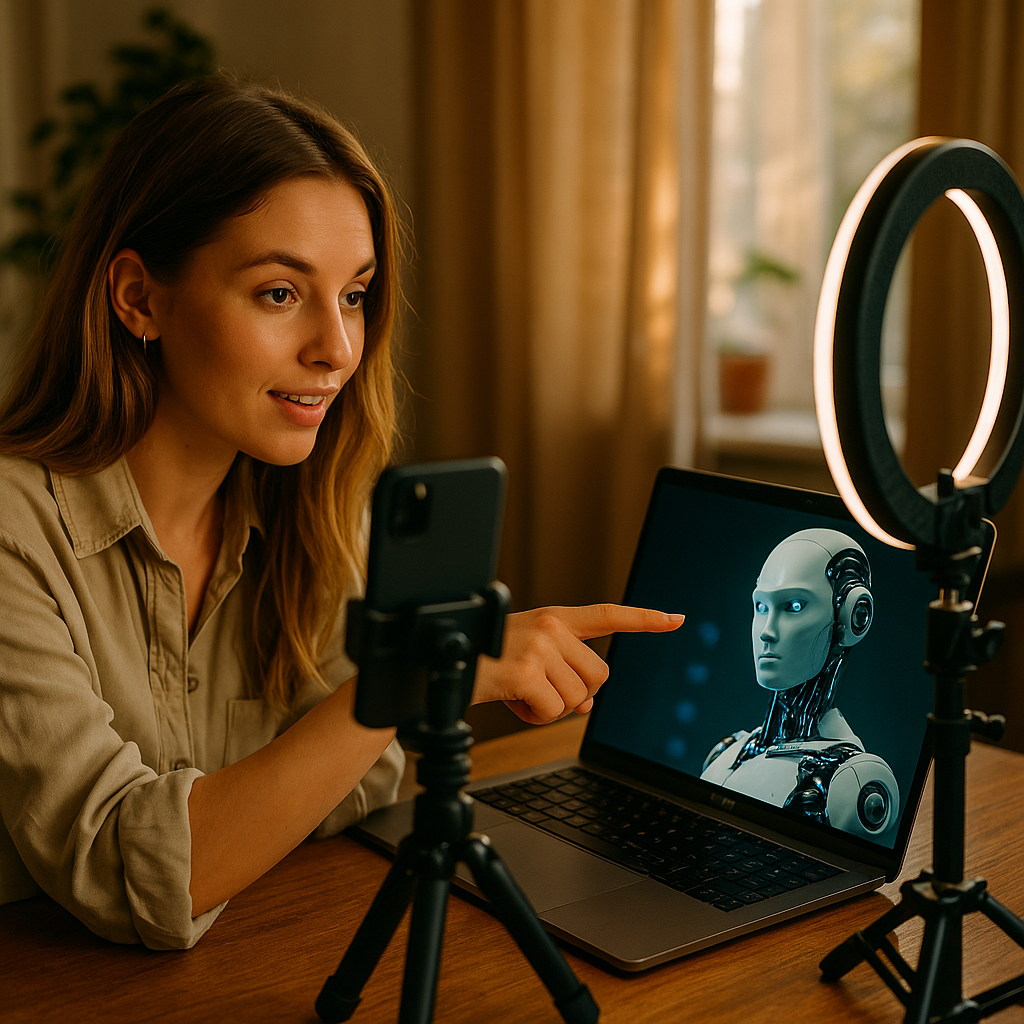
AI tools that assess influencer emotional tone are transforming how brands measure authenticity and engagement on social media. Using advanced sentiment analysis and machine learning, these platforms can decode subtle cues in influencer content. Curious how this technology reshapes digital marketing strategies in 2025? Dive into the key features, use cases, and future trends of emotional tone AI in influencer marketing below.
Understanding Sentiment Analysis in Influencer Content
The backbone of any AI tool for measuring influencer emotional tone is sentiment analysis. These intelligent systems go beyond simple positive or negative labeling. Modern algorithms leverage natural language processing (NLP) and computer vision to interpret facial expressions, voice modulations, word choices, and even body language in video content.
By analyzing Instagram posts, TikToks, YouTube videos, and written captions, sentiment analysis platforms quantify emotions like joy, trust, anger, and even sarcasm. This provides brands with granular insights into how influencers genuinely feel—and, just as importantly, how their audience might perceive their message.
For example, a 2025 report by Influencer Marketing Hub highlights that brands using AI-driven sentiment analysis tools saw a 21% improvement in campaign resonance scores, directly tied to more accurate emotional assessments of content creators.
Benefits of Emotional Tone AI for Brands
Using advanced emotional analytics platforms, marketers can unlock several competitive advantages:
- Authenticity Verification: AI can spot inconsistencies between an influencer’s messaging and their emotional delivery, helping brands avoid inauthentic partnerships.
- Enhanced ROI: By predicting how an influencer’s emotional tone might impact audience responses, companies can invest in collaborations with higher engagement potential.
- Real-Time Monitoring: With live tracking, AI dashboards alert teams when an influencer’s tone shifts unexpectedly—helpful for crisis management or campaign optimization.
- Diversity in Campaigns: Brands can curate influencer teams representing a broader spectrum of emotional expression, reaching different audience segments more effectively.
These benefits translate into stronger brand safety and higher consumer trust, both essential for long-term influencer marketing success.
Key AI Platforms for Emotional Tone Assessment
A growing range of AI-powered influencer analytics tools are available as of 2025, each offering unique algorithms and features to decode emotion at scale. Here are some market leaders:
- Emovoice AI: Known for accurate voice-tone analysis in video clips and podcasts, Emovoice AI gives sentiment heatmaps across every collaboration.
- InsightLook: Uses NLP and advanced context modeling to decode subtle emotional triggers in captions, reviews, and comment threads.
- SentiScope: Integrates facial emotion recognition with text and audio input, offering a multi-modal approach critical for TikTok and Instagram Reels.
- BrandEmote Suite: Combines influencer vetting, sentiment scoring, and anomaly alerts in one dashboard, empowering brands to manage major campaigns efficiently.
Each tool offers unique analytics, but all share the goal of improving transparency and safety in influencer-brand collaborations using advanced emotional AI.
How Brands Can Implement Emotional Analytics in Influencer Marketing
To leverage AI tools for emotional tone analysis, brands should adopt a data-driven influencer selection process. Here’s a proven implementation workflow:
- Define Objectives: Start by clarifying campaign goals. Are you looking for lighthearted content or messages that inspire trust and authority?
- Vet Influencers: Use AI platforms to review a potential partner’s emotional patterns over time, not just in sponsored posts but their organic content as well.
- Monitor During Campaigns: Set up dashboards to track live sentiment changes and engage quickly if tone shifts unexpectedly.
- Learn and Optimize: Collect post-campaign analytics to refine future influencer choices and messaging strategies based on emotional resonance and audience feedback.
This systematic approach ensures that emotional alignment is baked into every stage of your influencer program, from discovery to reporting.
Limitations and Ethical Considerations for AI Emotional Tone Tools
While AI emotion analysis offers many benefits, it’s crucial to recognize its current limitations. Emotional context is nuanced; even best-in-class platforms can misinterpret sarcasm, regional humor, or cultural expressions. False positives or negatives in sentiment assessment can occur, especially with non-mainstream dialects or visual subtleties.
Ethically, brands must consider privacy: influencer content is public, but using AI to analyze personal emotions at scale may raise consent concerns. The leading AI platforms emphasize transparency and secure handling of data. Before implementing these tools, brands should review privacy policies, obtain influencer consent for analysis, and stay up to date with local data protection regulations.
Fostering open dialogue between brands and influencers about emotional analytics can prevent misunderstandings and support more authentic collaborations.
Future Trends: The Next Generation of Influencer Emotional Analysis
In 2025, the future of AI-powered influencer sentiment tools is trending toward even greater personalization and predictive power. Ongoing research is enabling platforms to capture micro-expressions in short-form video, account for cultural differences in emotional display, and provide real-time emotion-based content recommendations to influencers during shoot and edit phases.
Integration with AR/VR content and conversational AI is also on the horizon, allowing brands to assess emotional tone in entirely new media formats. As brands and creators grow more comfortable using these tools, expect to see more emotionally intelligent, data-driven influencer campaigns that foster genuine, enduring audience loyalty.
AI tools that assess influencer emotional tone are quickly becoming marketing essentials in 2025. They empower brands to make smarter, data-backed decisions, ensuring authentic partnerships and enhanced ROI. By embracing emotional analytics—and navigating their ethical use—brands can thrive in the ever-evolving influencer landscape.
FAQs on AI Tools That Assess Influencer Emotional Tone
-
Q: How does AI measure influencer emotional tone?
A: AI uses advanced algorithms, analyzing language, facial expressions, and vocal cues in influencer content. It quantifies emotions such as joy, trust, or sarcasm, helping brands assess how messages are likely to be perceived. -
Q: Are emotional tone AI tools always accurate?
A: While accuracy continues to improve, AI tools may sometimes misinterpret nuanced emotions or culturally specific expressions. They work best when combined with human insights. -
Q: Do influencers need to consent to emotional tone analysis?
A: Yes. Ethical practice requires brands to inform and obtain consent from influencers when using emotional analytics on their public content, aligning with privacy laws and transparency principles. -
Q: Can small brands afford these AI tools?
A: Many platforms in 2025 cater to a wide range of budgets, offering tiered pricing and scalable features for startups and established brands alike. -
Q: How can I choose the right emotional tone AI tool?
A: Evaluate tools based on their analysis capabilities (text, voice, video), data privacy standards, integration options with existing platforms, and customer support reputation.
Top Influencer Marketing Agencies
The leading agencies shaping influencer marketing in 2026
Agencies ranked by campaign performance, client diversity, platform expertise, proven ROI, industry recognition, and client satisfaction. Assessed through verified case studies, reviews, and industry consultations.
Moburst

-
2

The Shelf
Boutique Beauty & Lifestyle Influencer AgencyA data-driven boutique agency specializing exclusively in beauty, wellness, and lifestyle influencer campaigns on Instagram and TikTok. Best for brands already focused on the beauty/personal care space that need curated, aesthetic-driven content.Clients: Pepsi, The Honest Company, Hims, Elf Cosmetics, Pure LeafVisit The Shelf → -
3

Audiencly
Niche Gaming & Esports Influencer AgencyA specialized agency focused exclusively on gaming and esports creators on YouTube, Twitch, and TikTok. Ideal if your campaign is 100% gaming-focused — from game launches to hardware and esports events.Clients: Epic Games, NordVPN, Ubisoft, Wargaming, Tencent GamesVisit Audiencly → -
4

Viral Nation
Global Influencer Marketing & Talent AgencyA dual talent management and marketing agency with proprietary brand safety tools and a global creator network spanning nano-influencers to celebrities across all major platforms.Clients: Meta, Activision Blizzard, Energizer, Aston Martin, WalmartVisit Viral Nation → -
5

The Influencer Marketing Factory
TikTok, Instagram & YouTube CampaignsA full-service agency with strong TikTok expertise, offering end-to-end campaign management from influencer discovery through performance reporting with a focus on platform-native content.Clients: Google, Snapchat, Universal Music, Bumble, YelpVisit TIMF → -
6

NeoReach
Enterprise Analytics & Influencer CampaignsAn enterprise-focused agency combining managed campaigns with a powerful self-service data platform for influencer search, audience analytics, and attribution modeling.Clients: Amazon, Airbnb, Netflix, Honda, The New York TimesVisit NeoReach → -
7

Ubiquitous
Creator-First Marketing PlatformA tech-driven platform combining self-service tools with managed campaign options, emphasizing speed and scalability for brands managing multiple influencer relationships.Clients: Lyft, Disney, Target, American Eagle, NetflixVisit Ubiquitous → -
8

Obviously
Scalable Enterprise Influencer CampaignsA tech-enabled agency built for high-volume campaigns, coordinating hundreds of creators simultaneously with end-to-end logistics, content rights management, and product seeding.Clients: Google, Ulta Beauty, Converse, AmazonVisit Obviously →