


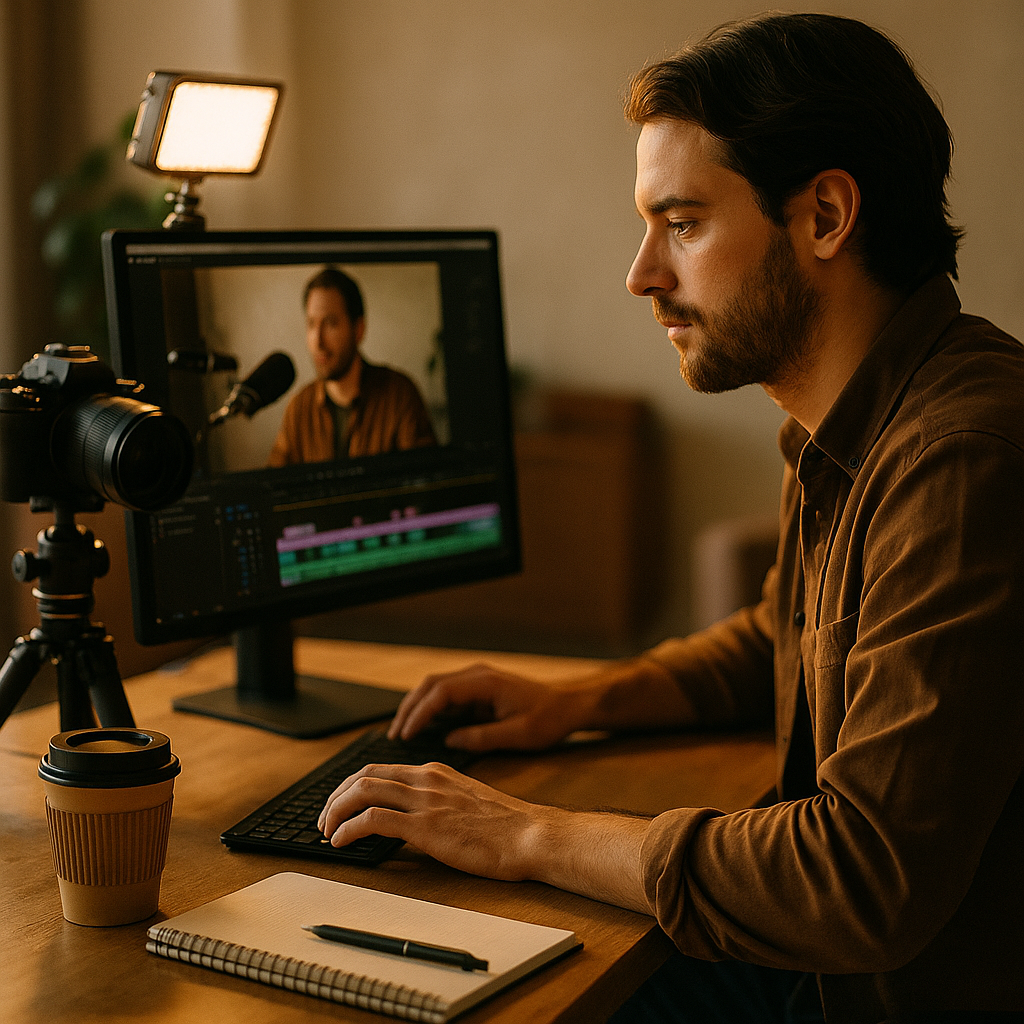
Learning how to build always-on creator systems can transform your content strategy, maximize reach, and drive consistent growth. By streamlining content creation, automation, and distribution, creators unlock freedom and sustainability. Wondering what tools and tactics top creators use to stay visible around the clock? Discover the proven steps to develop robust, always-on creator systems that supercharge your online presence.
Understanding the Importance of Consistent Content: Why Always-On Matters
Creators today operate in a hyper-competitive digital environment where attention is a scarce commodity. An always-on creator system ensures there are no content gaps, keeping your audience engaged and your brand top of mind. According to a 2024 HubSpot report, consistent content releases boost audience retention rates by 32%. With algorithm shifts favoring active profiles, sporadic publishing isn’t an option for those who want sustainable growth.
This approach isn’t about burning out; it’s about working smarter. Always-on systems enable you to publish quality content regularly, even when you’re offline, helping new followers discover your work and keeping loyal fans invested in your journey.
Mapping a Sustainable Creator Workflow: Planning and Preparation
Strong always-on creator systems begin with intentional planning. Think of your workflow as a production line: ideas, drafting, editing, scheduling, and distribution. To start, audit your current process and identify bottlenecks. Do you spend too much time brainstorming and not enough automating?
Use content calendars, like the Google Calendar or Notion templates, to map out topics weeks or months in advance. Batch-create scripts, videos, or articles in focused sessions. This enables a content queue: even if life gets busy or inspiration wanes, you have high-quality posts ready to go.
- Tip: Organize your calendar around audience trends, seasonal themes, and personal availability for maximum efficiency.
- Useful tools: Notion, Trello, Airtable, or Monday.com for content planning; Google Docs for collaborative scripting.
Leverage Automation and Repurposing: Saving Time & Amplifying Impact
Smart creators free up time by automating repeat tasks and repurposing evergreen content. Scheduling tools like Buffer, Hootsuite, or Later allow you to queue posts on multiple platforms—Instagram, TikTok, YouTube, and X—without manual intervention. For email newsletters, platforms such as ConvertKit or Mailchimp trigger sequences based on subscriber actions, ensuring personalized engagement.
Repurposing multiplies your output. A 10-minute video can become shorts, quote graphics, blog posts, and LinkedIn articles. Tools like Descript can extract highlights, while Canva helps reformat visuals for every channel.
- Batch Creation: Record or write multiple pieces at once, then automate release.
- Template Systems: Create branded templates for social, email, or blog to accelerate production and maintain consistency.
This system reduces creative fatigue and expands your reach without extra effort, critical for solo creators and teams alike.
Data-Driven Content Optimization: Using Analytics for Growth
Always-on creator systems thrive on strategic iteration. Real-time analytics spotlight what resonates and where improvements can be made. Regularly review your performance using native insights (YouTube Studio, Instagram Analytics) and tools like Google Analytics 4 or Sprout Social.
Focus on key performance indicators:
- Engagement rates (likes, shares, comments)
- Watch time or read time
- Click-through and conversion rates
- Audience demographics and peak activity times
Example: If short-form videos outperform long ones, prioritize their scheduling. Notice a drop in engagement on certain days? Tweak your programming. This continuous feedback loop drives steady improvement and better results over time.
Building Collaborative Networks: Outsourcing and Partnerships
Scaling your always-on system often means involving others. Begin by outsourcing tasks that drain your energy or don’t require your unique voice—editing, uploading, graphic design, or scheduling. Trusted freelancers, virtual assistants, or specialized agencies can handle routine aspects, freeing you up for creativity and strategy.
Collaboration also amplifies reach. Partner with other creators for cross-promotions, guest features, or content swaps. Joint efforts tap into new audiences and share each creator’s workload, exemplifying the “work smarter” ethos.
- Where to find help: Upwork, Fiverr, or specialized creative communities like Contra.
- Collaboration tip: Choose partners with shared values and complementary audiences.
Future-Proofing Your Strategy: Adapting to Platform Changes
Platform algorithms, user preferences, and content trends evolve rapidly. To keep your always-on creator system effective in 2025 and beyond, build in flexibility. Set quarterly reviews to reassess tools, tactics, and priorities. Diversify your presence across two to three core platforms so you’re not dependent on just one channel for growth.
Example: If a platform deprioritizes certain formats (like Instagram reducing hashtag reach), shift focus to what’s currently favored (such as Reels or Stories). Subscribe to platform newsletters, join creator forums, and test beta features to stay ahead of changes.
This adaptability ensures your creator system remains resilient—always on, always relevant.
Conclusion: Becoming an Always-On Creator
Mastering how to build always-on creator systems unlocks long-term growth without sacrificing well-being. Through strategic planning, automation, data-led tweaks, smart collaborations, and adaptability, you create a publishing engine that works—so you don’t have to. Start incrementally, stay curious, and your always-on system will deliver consistent value and visibility in 2025 and beyond.
Frequently Asked Questions
-
What is an always-on creator system?
An always-on creator system is a structured workflow and set of tools that allow creators to consistently publish and promote content, ensuring regular audience engagement—even when they’re offline or focused on other priorities. -
How do I start building an always-on creator system?
Begin by documenting your current workflow, identifying inefficiencies, and gradually integrating planning tools, automation platforms, and repurposing strategies. Start small—batch a week’s content, automate social scheduling, and expand as you gain confidence. -
What tools are essential for always-on systems?
Key tools include content calendars (Notion, Trello), social media schedulers (Buffer, Hootsuite), analytics platforms (GA4, Sprout Social), and utilities for content repurposing (Descript, Canva). -
How can I maintain authenticity with automation?
Use automation for repetitive tasks but ensure your unique voice and perspective shine through in each piece. Regularly interact with your audience in real time through comments, replies, and live sessions to maintain connection. -
Can small creators build always-on systems too?
Absolutely. Always-on systems benefit creators of all sizes by allowing more content with less burnout. Start with simple steps and scale as your resources grow—the most critical factor is consistency, not production volume.
Top Influencer Marketing Agencies
The leading agencies shaping influencer marketing in 2026
Agencies ranked by campaign performance, client diversity, platform expertise, proven ROI, industry recognition, and client satisfaction. Assessed through verified case studies, reviews, and industry consultations.
Moburst

-
2

The Shelf
Boutique Beauty & Lifestyle Influencer AgencyA data-driven boutique agency specializing exclusively in beauty, wellness, and lifestyle influencer campaigns on Instagram and TikTok. Best for brands already focused on the beauty/personal care space that need curated, aesthetic-driven content.Clients: Pepsi, The Honest Company, Hims, Elf Cosmetics, Pure LeafVisit The Shelf → -
3

Audiencly
Niche Gaming & Esports Influencer AgencyA specialized agency focused exclusively on gaming and esports creators on YouTube, Twitch, and TikTok. Ideal if your campaign is 100% gaming-focused — from game launches to hardware and esports events.Clients: Epic Games, NordVPN, Ubisoft, Wargaming, Tencent GamesVisit Audiencly → -
4

Viral Nation
Global Influencer Marketing & Talent AgencyA dual talent management and marketing agency with proprietary brand safety tools and a global creator network spanning nano-influencers to celebrities across all major platforms.Clients: Meta, Activision Blizzard, Energizer, Aston Martin, WalmartVisit Viral Nation → -
5

The Influencer Marketing Factory
TikTok, Instagram & YouTube CampaignsA full-service agency with strong TikTok expertise, offering end-to-end campaign management from influencer discovery through performance reporting with a focus on platform-native content.Clients: Google, Snapchat, Universal Music, Bumble, YelpVisit TIMF → -
6

NeoReach
Enterprise Analytics & Influencer CampaignsAn enterprise-focused agency combining managed campaigns with a powerful self-service data platform for influencer search, audience analytics, and attribution modeling.Clients: Amazon, Airbnb, Netflix, Honda, The New York TimesVisit NeoReach → -
7

Ubiquitous
Creator-First Marketing PlatformA tech-driven platform combining self-service tools with managed campaign options, emphasizing speed and scalability for brands managing multiple influencer relationships.Clients: Lyft, Disney, Target, American Eagle, NetflixVisit Ubiquitous → -
8

Obviously
Scalable Enterprise Influencer CampaignsA tech-enabled agency built for high-volume campaigns, coordinating hundreds of creators simultaneously with end-to-end logistics, content rights management, and product seeding.Clients: Google, Ulta Beauty, Converse, AmazonVisit Obviously →