


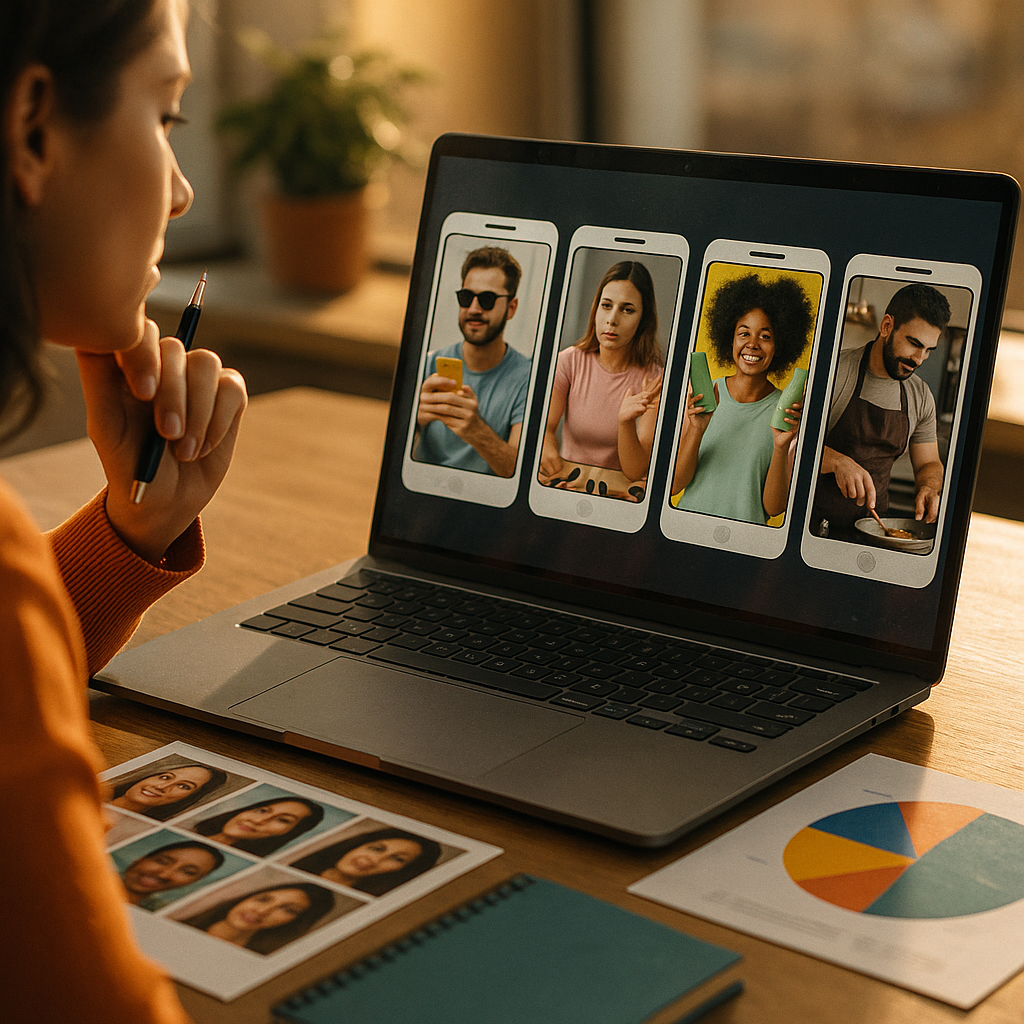
If you want consistent results in influencer marketing, learning how to diversify your creator mix to reduce risk is crucial in 2025. Depending on a narrow set of creators can expose your campaigns to unforeseen pitfalls. In this article, discover why strategic diversification matters—and unlock practical ways to build a more resilient, high-impact creator program.
Why Creator Mix Diversity Reduces Influencer Marketing Risk
Depending too heavily on one type of creator, single platforms, or small networks can leave brands vulnerable to algorithm changes, brand safety issues, fluctuating engagement rates, or influencer controversy. By diversifying your creator mix, you spread risk and create a foundation for sustainable ROI. According to the 2025 Influencer Marketing Hub survey, brands with broad creator partnerships reported 38% higher campaign stability compared to those relying on just a handful of high-follower personalities.
This diversification allows your brand’s messages to reach unique, engaged audience segments. Diversified creator ecosystems also future-proof campaigns against evolving market conditions and consumer preferences—directly supporting brand safety and creative authenticity.
Embracing a Range of Creator Types and Tiers
In 2025, influencer marketing offers more than just mega and celebrity influencers. Brands are finding measurable value in working with a full spectrum that includes:
- Nano-influencers: 1,000–10,000 followers, highly authentic engagement
- Micro-influencers: 10,000–100,000 followers, niche expertise
- Mid-tier influencers: 100,000–500,000 followers, balanced reach and relatability
- Macro-influencers: 500,000–1 million followers, significant scale
- Cultural creators: Artists, activists, and thought leaders in niche fields
Mixing these tiers delivers both broad and highly-targeted impressions. For instance, nano- and micro-influencers deliver authentic peer recommendations, while a few mid- or macro-influencers drive momentum with scale. This layered approach lets you test, learn, and optimize—without being wedded to a single creator’s fortunes.
Balancing Platforms in Your Creator Mix Strategy
Overreliance on a single social platform exposes campaigns to sudden algorithm shifts, feature deprecations, or platform scandals. In 2025, smart brands activate creators across diverse channels, such as:
- Instagram: Visual storytelling and brand discovery
- TikTok: Viral challenges and youth-driven trends
- YouTube: Long-form, educational, and review content
- Twitch: Interactive streams and gaming communities
- Podcasts: Deep dives and expert endorsements
- Threads and X (formerly Twitter): Real-time culture and conversations
Analyzing audience demographics and engagement on each platform helps brands optimize their investment and reach. By distributing your creator mix, you avoid disruption if one platform’s policies, algorithms, or user base shift unexpectedly.
Prioritizing Audience Diversity for Inclusive Reach
Diversity isn’t just about creator type or platform—it’s also about ensuring your campaigns reach wide-ranging communities. In 2025, inclusive marketing is a core pillar of success. Collaborate with creators who represent different ages, cultures, backgrounds, gender identities, and locations.
Harvard Business Review highlights that inclusive influencer programs yield up to 30% higher brand trust. This approach helps eliminate blind spots, reduces the risk of tone-deaf messaging, and demonstrates to customers that your brand authentically values every consumer segment.
- Audit existing partnerships: Are you relying on creators from a single demographic?
- Seek partners in overlooked communities—e.g., BIPOC, LGBTQ+, neurodiverse influencers.
- Localize campaigns with regional creators for global resonance.
Ultimately, a genuinely diverse creator mix ensures that your brand’s message resonates deeply and reduces the risks of exclusivity or cultural missteps.
Creating Sustainable, Long-Term Creator Partnerships
Pursuing transactional, one-off collaborations offers little protection against influencer risk. Instead, brands see more stable outcomes by forging long-term, trust-based creator partnerships. Loyalty incentivizes creators to prioritize your brand, take pride in accurate representation, and act as ambassadors during turbulent market shifts.
Shared contracts with built-in exclusivity clauses, performance bonuses, and creative input foster win-win relationships. According to CreatorIQ’s 2025 Benchmarking Report, campaigns with long-term creator relationships are 45% less likely to suffer PR fallout compared to those with ad hoc selection.
Establish review and feedback cycles, nurture creators through community events, and invest in their ongoing upskilling—this helps retain top talent while insulating your brand from abrupt partnership breakdowns.
Using Data to Optimize and Evolve Your Creator Mix
Continuously optimizing your creator mix with robust data and analytics is essential for reducing risk. Today’s advanced influencer platforms offer:
- Predictive analytics to identify underperforming or over-dependent partnerships
- Audience overlap tracking to eliminate redundant reach
- Brand safety and sentiment monitoring for early crisis detection
- Real-time ROI dashboards to spotlight where to scale up or scale down spend
Regularly benchmark your mix’s performance: Which creators and platforms deliver the lowest cost per engagement? Where are there demographic gaps or over-concentrations? Data-driven decisions empower marketers to rotate in fresh perspectives as trends evolve—and mitigate exposure when a single creator or platform loses effectiveness.
Conclusion
Building a diversified creator mix is the best way to reduce risk and maximize sustained returns in influencer marketing in 2025. By combining different creator tiers, platforms, audiences, and prioritizing long-term relationships, brands future-proof campaigns against volatility—and unlock authentic engagement at scale.
FAQs: Creator Mix Diversification and Reducing Risk
-
What does it mean to diversify your creator mix?
Diversifying your creator mix means partnering with various influencers across follower tiers, content genres, demographics, and social platforms to spread marketing risk and expand brand reach. -
Why is relying on one influencer risky?
Single-influencer dependency exposes brands to engagement drops, algorithm changes, negative PR, and evolving audience preferences—potentially destabilizing your marketing results. -
Which platforms should be included in a creator mix in 2025?
Brands should consider Instagram, TikTok, YouTube, Twitch, podcasts, and emerging platforms to ensure adaptability and reach diverse audience segments. -
How can data help reduce influencer marketing risk?
Data and analytics spotlight which creators and platforms are most effective, uncover content gaps, and allow marketers to respond quickly to performance declines or audience changes. -
Is audience diversity as important as platform diversity?
Yes—audience diversity ensures campaigns resonate broadly, reduce blind spots, and prevent exclusivity, which directly improves trust and results.
Top Influencer Marketing Agencies
The leading agencies shaping influencer marketing in 2026
Agencies ranked by campaign performance, client diversity, platform expertise, proven ROI, industry recognition, and client satisfaction. Assessed through verified case studies, reviews, and industry consultations.
Moburst

-
2

The Shelf
Boutique Beauty & Lifestyle Influencer AgencyA data-driven boutique agency specializing exclusively in beauty, wellness, and lifestyle influencer campaigns on Instagram and TikTok. Best for brands already focused on the beauty/personal care space that need curated, aesthetic-driven content.Clients: Pepsi, The Honest Company, Hims, Elf Cosmetics, Pure LeafVisit The Shelf → -
3

Audiencly
Niche Gaming & Esports Influencer AgencyA specialized agency focused exclusively on gaming and esports creators on YouTube, Twitch, and TikTok. Ideal if your campaign is 100% gaming-focused — from game launches to hardware and esports events.Clients: Epic Games, NordVPN, Ubisoft, Wargaming, Tencent GamesVisit Audiencly → -
4

Viral Nation
Global Influencer Marketing & Talent AgencyA dual talent management and marketing agency with proprietary brand safety tools and a global creator network spanning nano-influencers to celebrities across all major platforms.Clients: Meta, Activision Blizzard, Energizer, Aston Martin, WalmartVisit Viral Nation → -
5

The Influencer Marketing Factory
TikTok, Instagram & YouTube CampaignsA full-service agency with strong TikTok expertise, offering end-to-end campaign management from influencer discovery through performance reporting with a focus on platform-native content.Clients: Google, Snapchat, Universal Music, Bumble, YelpVisit TIMF → -
6

NeoReach
Enterprise Analytics & Influencer CampaignsAn enterprise-focused agency combining managed campaigns with a powerful self-service data platform for influencer search, audience analytics, and attribution modeling.Clients: Amazon, Airbnb, Netflix, Honda, The New York TimesVisit NeoReach → -
7

Ubiquitous
Creator-First Marketing PlatformA tech-driven platform combining self-service tools with managed campaign options, emphasizing speed and scalability for brands managing multiple influencer relationships.Clients: Lyft, Disney, Target, American Eagle, NetflixVisit Ubiquitous → -
8

Obviously
Scalable Enterprise Influencer CampaignsA tech-enabled agency built for high-volume campaigns, coordinating hundreds of creators simultaneously with end-to-end logistics, content rights management, and product seeding.Clients: Google, Ulta Beauty, Converse, AmazonVisit Obviously →