


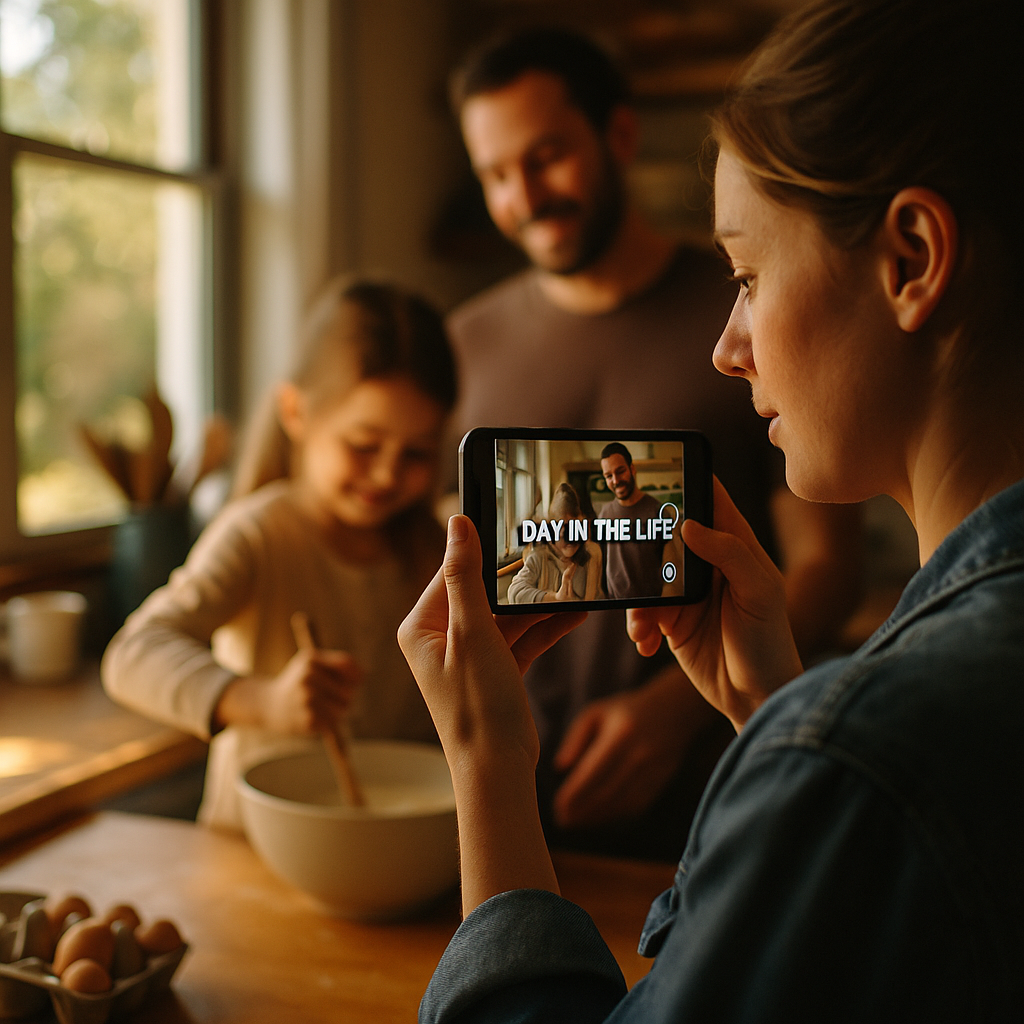
“Day In The Life” creators are commanding attention on social media by delivering immersive, authentic content that keeps audiences glued to their screens. This primary keyword is at the heart of a burgeoning trend driving record engagement rates. Ready to uncover why these storytellers are so effective—and what their methods reveal about audience behavior?
Why “Day In The Life” Content Resonates: Authentic Influencer Marketing
Audiences are gravitating towards authenticity more than ever, especially as advertising grows increasingly sophisticated. Unlike staged promotional posts, “Day In The Life” content pulls back the curtain, inviting viewers into the creator’s real world. This style aligns with modern influencer marketing trends by fostering trust and relatability—critical in a landscape where audiences can instantly spot half-hearted sponsorships.
Recent surveys, including a 2025 Statista report, show that 68% of consumers trust influencers who provide behind-the-scenes glimpses into their daily routines. By anchoring their content in everyday experiences—whether it’s a copywriter’s morning rituals, a nurse’s night shift, or an entrepreneur’s work-life balance—these creators bridge the gap between brand and buyer. Their storytelling acts as a soft endorsement, often organically integrating products or services that fit naturally into their routines, driving genuine interest and higher conversion rates.
Audience Engagement Tactics: Social Media Storytelling Strategies
It isn’t just relatability that fuels the success of “Day In The Life” creators—it’s their strategic use of social media storytelling strategies. Instead of scripted scenarios, creators leverage narrative hooks, changing perspectives, and “time-jump” editing to keep viewers engaged. Platforms like TikTok and Instagram Reels have rewarded this storytelling approach with extended algorithmic reach and prioritization in user feeds.
Effective creators:
- Use first-person vlogs that speak directly to the audience, building a sense of intimacy.
- Incorporate interactive features like polls, Q&As, and direct responses to comments, creating feedback loops for higher interaction.
- Regularly update their content with “micro-series,” offering continuity that keeps viewers returning for the next installment.
This approach taps into FOMO (fear of missing out) and the desire for parasocial connection, which research from the Digital Communication Research Center identified as key motivators for repeat engagement in 2025.
The Power of Routine: Fostering Community on Video Platforms
Routine breeds familiarity, and familiarity builds community—a cornerstone of success for “Day In The Life” content. On platforms like YouTube, TikTok, and even LinkedIn, creators who share consistent routines invite viewers to become “regulars” in their digital world. This process establishes a video community, leading to higher engagement metrics such as comments, shares, and repeat views.
When viewers recognize recurring scenes—be it the creator’s favorite coffee spot or their evening wind-down—they develop a sense of belonging. Creators often name their communities (e.g., “Morning Motivators” or “Night Owls”), reinforcing a club-like atmosphere. This strong identity encourages active participation and sharing, which further amplifies reach through organic social sharing.
Humanizing Brands: User-Generated Content and Brand Loyalty
Companies have noticed the advantages of the “Day In The Life” format and are leveraging user-generated content (UGC) to humanize their brands. Inviting employees, customers, or ambassadors to create day-in-the-life videos gives organizations a face and personality. This approach transforms abstract corporate entities into relatable presences.
For example, Shopify’s “Entrepreneur in Action” series and Patagonia’s field reports have rapidly expanded brand engagement in 2025 by showcasing real employees and customers in their natural routines. The effect is twofold:
- Audiences develop trust when they see real people representing the brand, not just polished advertisements.
- Participants feel valued by the brand, creating loyalty that translates to increased advocacy and retention.
According to a recent Sprout Social survey, posts labeled as UGC receive 42% more engagement than brand-created content. This human touch is proving essential for marketplace relevance.
Optimizing for Platform Algorithms: Short-Form Video and Real-Time Trends
Algorithmic changes dominate the social media landscape, requiring creators to stay nimble. The “Day In The Life” format aligns perfectly with the current emphasis on short-form video and trending topics. Platforms like Instagram, TikTok, and YouTube Shorts are driven by watch time, consistency, and content relevance.
Key optimization tactics include:
- Editing clips to under 90 seconds, maximizing retention and increasing the likelihood of being featured on explore pages.
- Incorporating timely hashtags and trending audio to ride viral waves, ensuring rapid discovery and shareability.
- Posting at routine intervals (often daily or weekly), which signals consistency to algorithms and encourages habitual viewing.
By marrying these best practices with engaging narratives, “Day In The Life” creators have achieved not only high engagement but also sustainable audience growth, as confirmed by recent Socialinsider data reporting a 54% view rate increase for daily vloggers in 2025.
Monetizing High Engagement: From Collaboration to Creator Economy Growth
Heightened engagement powers direct monetization options for “Day In The Life” creators. Brands now seek partnerships with creators whose authentic vlogs drive sales. Sponsored placements, affiliate links, merch collaborations, and even premium subscription content have become mainstream revenue streams—crucial to the expanding creator economy.
In 2025, a forecast from Influencer Marketing Hub estimates that over 34% of creators earning more than $10,000 per month credit their “day in my life” series as their highest-performing format. This has led platforms to introduce enhanced creator funds and subscription models, rewarding content that sparks genuine, recurring engagement. The result: a virtuous cycle where authenticity and transparency are financially incentivized, inspiring more creators to adopt this engaging approach.
Conclusion
“Day In The Life” creators dominate engagement by merging authenticity, storytelling, and algorithm-savvy tactics. For brands and individuals alike, this content approach proves that transparency and relatability drive not just views, but true community and growth. The takeaway? Embrace real-life storytelling to connect, humanize, and prosper within today’s creator economy.
FAQs About “Day In The Life” Creators and High Engagement
-
What makes “Day In The Life” videos so engaging?
These videos foster authenticity, relatability, and intimacy, making viewers feel part of the creator’s world. Strategic storytelling, interactivity, and algorithm-aligned editing also boost engagement.
-
Do brands benefit from using “Day In The Life” content?
Yes, brands that feature real employees or customers in authentic scenarios strengthen trust, foster loyalty, and often see higher engagement and conversion rates compared to traditional ads.
-
Which platforms work best for “Day In The Life” content?
TikTok, Instagram Reels, YouTube Shorts, and, increasingly, LinkedIn are effective for sharing this format. Each rewards authentic, short-form storytelling with algorithmic visibility.
-
How can new creators start making “Day In The Life” videos?
New creators should aim for relatable routines, use first-person narration, leverage platform trends, and engage with their audience through comments and Q&As. Consistency and authenticity are key.
-
Is it possible to monetize “Day In The Life” content?
Absolutely. High engagement opens opportunities for brand partnerships, affiliate marketing, merch sales, and subscription content. Platforms are prioritizing these formats with stronger monetization options in 2025.
Top Influencer Marketing Agencies
The leading agencies shaping influencer marketing in 2026
Agencies ranked by campaign performance, client diversity, platform expertise, proven ROI, industry recognition, and client satisfaction. Assessed through verified case studies, reviews, and industry consultations.
Moburst

-
2

The Shelf
Boutique Beauty & Lifestyle Influencer AgencyA data-driven boutique agency specializing exclusively in beauty, wellness, and lifestyle influencer campaigns on Instagram and TikTok. Best for brands already focused on the beauty/personal care space that need curated, aesthetic-driven content.Clients: Pepsi, The Honest Company, Hims, Elf Cosmetics, Pure LeafVisit The Shelf → -
3

Audiencly
Niche Gaming & Esports Influencer AgencyA specialized agency focused exclusively on gaming and esports creators on YouTube, Twitch, and TikTok. Ideal if your campaign is 100% gaming-focused — from game launches to hardware and esports events.Clients: Epic Games, NordVPN, Ubisoft, Wargaming, Tencent GamesVisit Audiencly → -
4

Viral Nation
Global Influencer Marketing & Talent AgencyA dual talent management and marketing agency with proprietary brand safety tools and a global creator network spanning nano-influencers to celebrities across all major platforms.Clients: Meta, Activision Blizzard, Energizer, Aston Martin, WalmartVisit Viral Nation → -
5

The Influencer Marketing Factory
TikTok, Instagram & YouTube CampaignsA full-service agency with strong TikTok expertise, offering end-to-end campaign management from influencer discovery through performance reporting with a focus on platform-native content.Clients: Google, Snapchat, Universal Music, Bumble, YelpVisit TIMF → -
6

NeoReach
Enterprise Analytics & Influencer CampaignsAn enterprise-focused agency combining managed campaigns with a powerful self-service data platform for influencer search, audience analytics, and attribution modeling.Clients: Amazon, Airbnb, Netflix, Honda, The New York TimesVisit NeoReach → -
7

Ubiquitous
Creator-First Marketing PlatformA tech-driven platform combining self-service tools with managed campaign options, emphasizing speed and scalability for brands managing multiple influencer relationships.Clients: Lyft, Disney, Target, American Eagle, NetflixVisit Ubiquitous → -
8

Obviously
Scalable Enterprise Influencer CampaignsA tech-enabled agency built for high-volume campaigns, coordinating hundreds of creators simultaneously with end-to-end logistics, content rights management, and product seeding.Clients: Google, Ulta Beauty, Converse, AmazonVisit Obviously →