


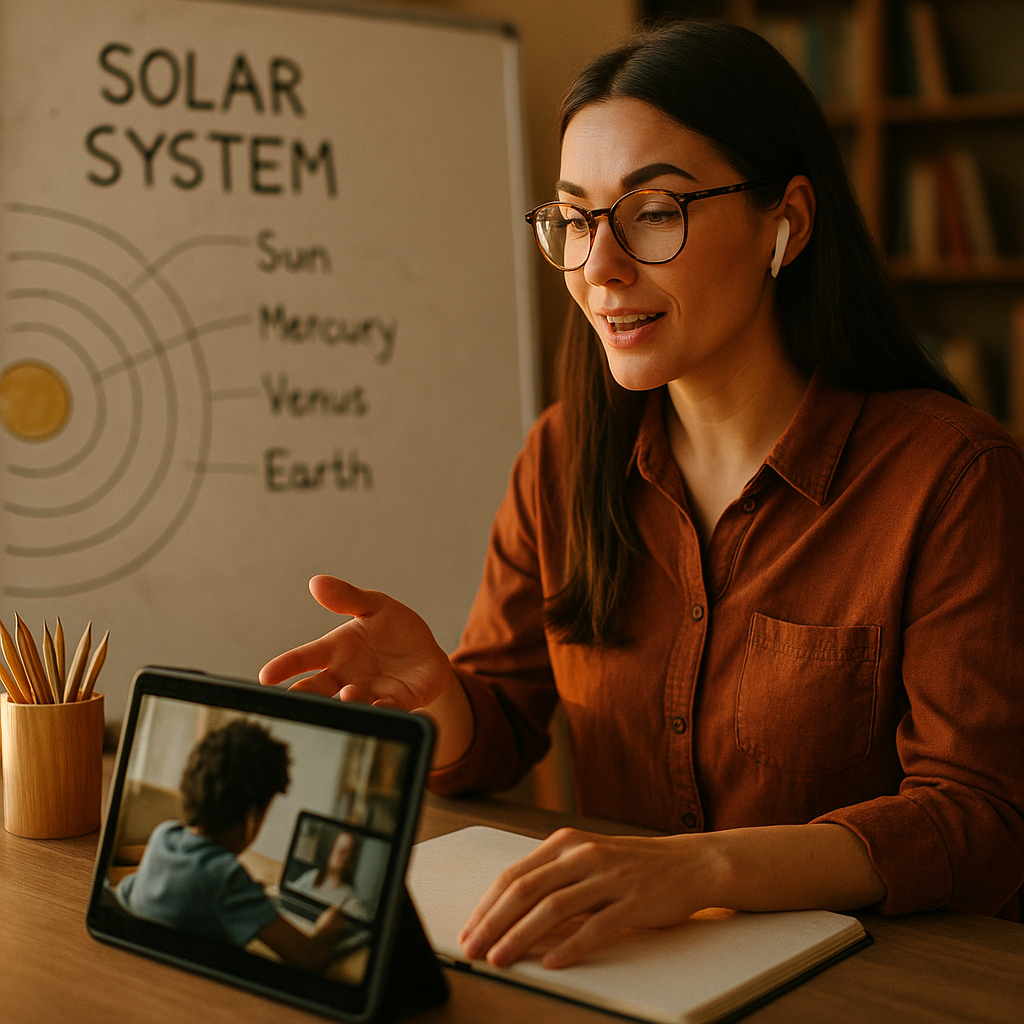
Educational creators are surging in popularity as more learners seek accessible, engaging ways to gain knowledge beyond traditional classrooms. This remarkable rise can be attributed to their blend of expertise, authenticity, and adaptability to digital platforms. What’s truly fueling this educational boom, and what does it mean for the future of learning? Read on to explore the driving forces behind this trend.
The Rise of Digital Learning: Why Educational Creators Are in Demand
The explosive growth of digital learning has set the perfect stage for educational creators to shine. Platforms like YouTube, TikTok, and specialized e-learning sites now make expert-led lessons available to anyone with an internet connection. According to a 2025 Statista report, nearly 70% of Gen Z and Millennials regularly use online educational content. This surge is fueled by:
- Accessibility: High-quality lessons are available 24/7, fitting any schedule.
- Affordability: Many creators offer free or low-cost content compared to traditional education costs.
- Convenience: Learners can pick topics and creators that align with personal interests, learning at their own pace.
- Community: Interactive discussion through comments and live chats builds a sense of connection and accountability.
This digital learning evolution has empowered individuals worldwide, democratizing education and increasing the reach of passionate teachers and specialists.
Authenticity and Trust: How Educational Creators Establish Authority
Viewers today crave genuine connection and verified expertise. Educational creators often share their credentials, real-life experiences, and transparent processes, boosting their trustworthiness. By following Google’s EEAT (Experience, Expertise, Authoritativeness, Trustworthiness) principles, top creators showcase:
- Relevant qualifications or industry experience, listed within profiles and video introductions.
- Fact-checked, well-sourced content, often citing up-to-date studies, peer-reviewed articles, and reputable news outlets.
- Personal storytelling that makes challenging concepts approachable and memorable.
- Regular engagement through Q&A sessions and replying to comments, further building a loyal audience.
This blend of transparency and rigorous information gives learners confidence that what they’re watching is not only entertaining, but reliable and academically sound.
Personalized Learning Journeys: Tailored Educational Content
One of the most powerful draws of popular educational creators is their ability to personalize the learning experience. Instead of static, one-size-fits-all curricula, many creators:
- Offer topic-based playlists for focused learning paths.
- Create modular micro-lessons suited for quick study sessions or in-depth exploration.
- Respond directly to viewer requests, shaping content to real-world learning needs.
- Integrate interactive quizzes, live lessons, and downloadable resources for varied engagement.
This customization mirrors the growing expectation for self-directed education seen in today’s workforce and among lifelong learners. According to a 2024 Pew Research survey, 45% of adults prefer personalized learning tools over traditional lecture formats, reflecting changing educational values and habits.
Short-Form Video and Engagement: The Social Learning Revolution
The migration of educational content to short-form video has revolutionized how we learn. Platforms like TikTok and Instagram Reels have enabled micro-learning—brief, focused videos teaching everything from history facts to calculus tricks. This format excels because:
- It respects limited attention spans—over 60% of users prefer lessons under five minutes long.
- Visual and auditory elements boost comprehension and retention.
- Algorithms promote content discovery, helping learners find relevant topics and creators.
- Creativity, humor, and real-life applications grab viewers’ attention, making learning enjoyable.
Social platforms also support engagement features such as duets, stitches, comments, and polls, turning passive viewers into active participants. This dynamic fosters a collaborative learning culture that benefits creators and students alike.
Diverse Topics and Demographics: Meeting Every Learners’ Needs
One reason educational creators are surging in popularity is their remarkable range. Today’s audiences aren’t just seeking math help or grammar tips—they’re exploring:
- Career skills like coding, graphic design, and entrepreneurship.
- Mental health and wellness advice from industry professionals.
- Accessible overviews of current events, science breakthroughs, and financial literacy.
- Hobbies and practical skills such as cooking, home repair, music, and art.
This diversity meets the unique needs of learners from varied backgrounds, ages, and education levels. It’s also enabling more inclusive education, with content tailored for neurodivergent learners, different languages, and underserved regions. As creators diversify topics, they connect with audiences who have never seen their specific needs addressed in traditional education.
The Business of Teaching: Creator Economy and Educational Success
The creator economy is offering viable, rewarding careers to educational influencers. With audience growth and platform monetization, many creators now earn substantial incomes through:
- Platform ad revenue via YouTube, TikTok, and affiliate programs.
- Brand partnerships and sponsorships for relevant educational tools and products.
- Subscription services, such as Patreon or exclusive course offerings.
- Book deals, merchandise, and speaking engagements.
This business model means top educators can dedicate themselves full-time to teaching, further elevating content quality and innovation. As viewers benefit from expert guidance, creators enjoy fulfilling careers—fuelling the continued rise of educational content into 2025 and beyond.
Conclusion: Educational creators are reshaping the global learning landscape through authenticity, expertise, and adaptability. Their surge in popularity proves that personalized, engaging, and reliable content resonates with modern learners. As technology advances, educational creators will continue to empower individuals worldwide—proving that learning has truly entered a new era.
Frequently Asked Questions
-
What is an educational creator?
An educational creator is an individual or group specializing in producing online content—such as videos, podcasts, or articles—that teaches specific skills, concepts, or knowledge. They often use platforms like YouTube, TikTok, or specialized e-learning websites.
-
Why are educational creators so popular in 2025?
Their popularity stems from a mix of accessibility, authenticity, personalized content, and engaging delivery methods. Learners value the flexibility to access high-quality education whenever and wherever needed.
-
How do I know if an educational creator is trustworthy?
Look for clear credentials, reputable sourcing, and adherence to EEAT (Experience, Expertise, Authoritativeness, Trustworthiness) standards. Reviews, engagement with viewers, and transparent content sourcing also indicate trustworthiness.
-
Is educational creator content replacing traditional education?
No. Educational creators often supplement traditional learning, addressing knowledge gaps and providing additional resources. Many educational institutions also collaborate with creators to enhance their curricula.
-
How can I start learning from educational creators?
Identify your learning goals, search for top-ranked creators in your topic of interest, and explore platforms like YouTube, TikTok, or paid e-learning services. Remember to evaluate the creator’s credentials and audience feedback for best results.
Top Influencer Marketing Agencies
The leading agencies shaping influencer marketing in 2026
Agencies ranked by campaign performance, client diversity, platform expertise, proven ROI, industry recognition, and client satisfaction. Assessed through verified case studies, reviews, and industry consultations.
Moburst

-
2

The Shelf
Boutique Beauty & Lifestyle Influencer AgencyA data-driven boutique agency specializing exclusively in beauty, wellness, and lifestyle influencer campaigns on Instagram and TikTok. Best for brands already focused on the beauty/personal care space that need curated, aesthetic-driven content.Clients: Pepsi, The Honest Company, Hims, Elf Cosmetics, Pure LeafVisit The Shelf → -
3

Audiencly
Niche Gaming & Esports Influencer AgencyA specialized agency focused exclusively on gaming and esports creators on YouTube, Twitch, and TikTok. Ideal if your campaign is 100% gaming-focused — from game launches to hardware and esports events.Clients: Epic Games, NordVPN, Ubisoft, Wargaming, Tencent GamesVisit Audiencly → -
4

Viral Nation
Global Influencer Marketing & Talent AgencyA dual talent management and marketing agency with proprietary brand safety tools and a global creator network spanning nano-influencers to celebrities across all major platforms.Clients: Meta, Activision Blizzard, Energizer, Aston Martin, WalmartVisit Viral Nation → -
5

The Influencer Marketing Factory
TikTok, Instagram & YouTube CampaignsA full-service agency with strong TikTok expertise, offering end-to-end campaign management from influencer discovery through performance reporting with a focus on platform-native content.Clients: Google, Snapchat, Universal Music, Bumble, YelpVisit TIMF → -
6

NeoReach
Enterprise Analytics & Influencer CampaignsAn enterprise-focused agency combining managed campaigns with a powerful self-service data platform for influencer search, audience analytics, and attribution modeling.Clients: Amazon, Airbnb, Netflix, Honda, The New York TimesVisit NeoReach → -
7

Ubiquitous
Creator-First Marketing PlatformA tech-driven platform combining self-service tools with managed campaign options, emphasizing speed and scalability for brands managing multiple influencer relationships.Clients: Lyft, Disney, Target, American Eagle, NetflixVisit Ubiquitous → -
8

Obviously
Scalable Enterprise Influencer CampaignsA tech-enabled agency built for high-volume campaigns, coordinating hundreds of creators simultaneously with end-to-end logistics, content rights management, and product seeding.Clients: Google, Ulta Beauty, Converse, AmazonVisit Obviously →