


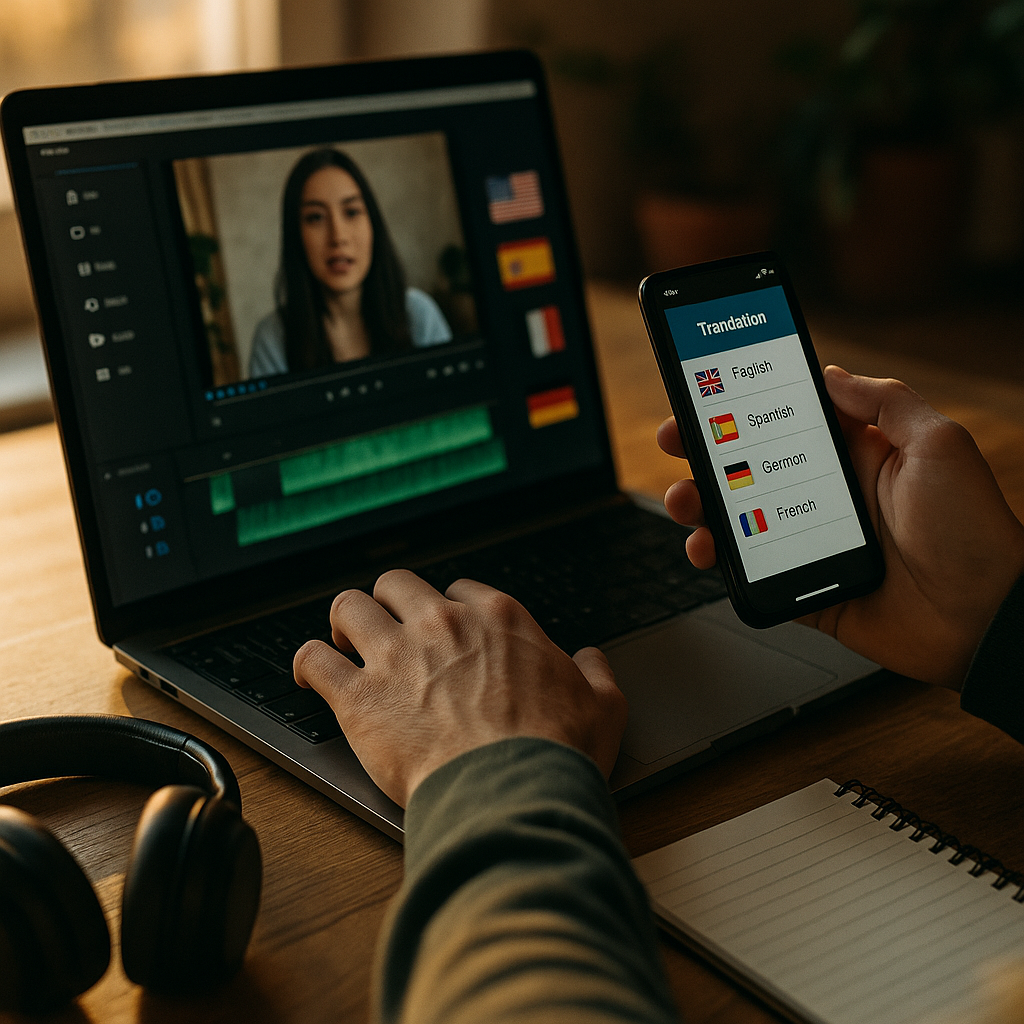
As content creators expand their reach globally, finding the right tools for managing multi-language creator content has become essential. Keeping up with diverse audiences while ensuring quality and consistency across languages is challenging. This article reveals the latest technologies and platforms that simplify content localization, collaboration, and publishing. Ready to streamline your content across borders?
Understanding Content Localization for Creators
Localization goes beyond simply translating text; it adapts your creator content to cultural nuances, regional preferences, and local trends. Whether you’re publishing YouTube videos or running a global blog, strong localization provides authentic audience engagement. The best multi-language content management strategies involve:
- Translating and culturally adapting videos, blogs, and social media graphics
- Managing metadata, SEO keywords, and hashtags for each language
- Collaborating with native speakers and localization experts
Effective localization transforms global reach into true global connection, unlocking new growth opportunities for creators in 2025’s fast-evolving media landscape.
Top Content Management Systems with Multi-Language Support
Choosing a robust content management system for creators is crucial for handling multi-language workflows. Here’s how the leading platforms empower today’s creators:
- WordPress (with WPML or Polylang): Easily publish and manage multilingual websites, blogs, and portfolios, supporting localized SEO optimization.
- Contentful: Headless CMS with built-in localization features, streamlined for multi-channel publishing and collaboration between content editors and translators.
- Wix Multilingual: User-friendly site builder that automates translation and content duplication, suitable for creators wanting quick, effective language management.
- Squarespace: Offers multi-language capabilities allowing creators to maintain brand consistency across multiple localized sites.
These platforms support flexible publishing, robust permission systems, and language-specific scheduling, turning content deployment into a rapid, repeatable process.
Collaboration Tools for Multilingual Teams
Building a decentralized or international fanbase is easier with the right multilingual collaboration tools. Team-based content creation benefits from platforms that minimize manual workflows and language barriers. Reliable solutions include:
- Slack: Supports threading by language channel, quick translation bots, and seamless global collaboration.
- Asana & Trello: Visual project management with built-in localization checklists and role assignments for translators or editors.
- Google Workspace: Real-time translation for Docs, Sheets, and Slides for collaborative edits and reviews in multiple languages.
- Notion: Customizable workspaces for tracking content progress, deadlines, and language-specific release notes.
Efficient collaboration tools prevent version confusion and ensure that your multi-language content launches on time, every time.
AI-Powered Translation and Localization Platforms
The rise of AI translation tools for creator content has revolutionized localization, providing fast turnaround and surprising accuracy. Today’s leading platforms blend automation with human oversight to maintain context and tone:
- DeepL Pro: Offers some of the most natural, context-aware translations, ideal for nuanced creator content and creative writing.
- Google Translate for Business: Integrates with cloud workflows; supports bulk translation with glossary controls for key terms.
- Smartling & Lokalise: Enterprise-grade platforms that combine machine translation with professional linguistic review, plus visual context for embedded content.
AI localization tools continue evolving in 2025, helping creators bypass traditional bottlenecks without sacrificing quality or cultural fit.
Video and Social Media Localization Tools
Creators in 2025 increasingly rely on video localization platforms and social media automation for multi-language outreach. Modern video platforms let you efficiently subtitle, dub, and adapt visual content:
- YouTube Studio Multi-Language: Auto-generates subtitles and lets you upload translated video descriptions, reaching more viewers organically.
- Kapwing & Descript: AI-powered video editing that automates multi-language subtitles, dubbing, and text overlay synchronization.
- Buffer & Hootsuite: Automate posting schedules by language, track engagement by region, and manage localized assets for Instagram, X, and TikTok.
Using these tools, creators deliver tailored videos and posts to each language group, outperforming those who stick with monolingual content.
Best Practices for Maintaining Content Quality Across Languages
While tools are indispensable, quality assurance strategies for multi-language content are equally critical:
- Centralize your content assets: Store original files, translations, and guidelines in a shared repository with strict version control.
- Leverage glossaries and style guides: Develop terminology guides for brand consistency across all languages and channels.
- Enable cross-team training: Provide periodic workshops for creators, translators, and editors on emerging localization trends and tools.
- Monitor performance metrics: Regularly analyze how each language version performs to optimize strategy and spot new growth markets.
Powerful tools paired with intentional workflows will ensure your creator content is both engaging and accurate worldwide.
FAQs About Tools For Managing Multi-Language Creator Content
-
What are the main challenges of managing multi-language creator content?
Creators struggle with accurate translation, maintaining brand voice, managing teams across time zones, and ensuring timely publishing in each language. -
Can AI translation replace human translators for creator content?
AI solutions are increasingly reliable for first drafts, but human review remains essential for cultural accuracy, tone, and avoiding brand missteps. -
What features should I look for in a multilingual CMS?
Prioritize intuitive language switching, robust permissions, version control, integrated SEO, and easy collaboration between creators and translators. -
How can I localize videos for different audiences?
Use video platforms with automated subtitling, dubbing, and region-specific metadata. Combine with human reviewers to ensure emotional and cultural accuracy. -
Is it necessary to manage social media posts separately for each language?
Yes, scheduling and tailoring posts for each audience allows for better engagement and relevance, especially when using regional hashtags or trends.
In summary, adopting specialized tools for managing multi-language creator content accelerates global growth while safeguarding content quality. The right workflow integrates localization, collaboration, AI, and analytics—empowering creators to connect meaningfully with audiences worldwide. Start streamlining your content localization strategy today for maximum global impact.
Top Influencer Marketing Agencies
The leading agencies shaping influencer marketing in 2026
Agencies ranked by campaign performance, client diversity, platform expertise, proven ROI, industry recognition, and client satisfaction. Assessed through verified case studies, reviews, and industry consultations.
Moburst

-
2

The Shelf
Boutique Beauty & Lifestyle Influencer AgencyA data-driven boutique agency specializing exclusively in beauty, wellness, and lifestyle influencer campaigns on Instagram and TikTok. Best for brands already focused on the beauty/personal care space that need curated, aesthetic-driven content.Clients: Pepsi, The Honest Company, Hims, Elf Cosmetics, Pure LeafVisit The Shelf → -
3

Audiencly
Niche Gaming & Esports Influencer AgencyA specialized agency focused exclusively on gaming and esports creators on YouTube, Twitch, and TikTok. Ideal if your campaign is 100% gaming-focused — from game launches to hardware and esports events.Clients: Epic Games, NordVPN, Ubisoft, Wargaming, Tencent GamesVisit Audiencly → -
4

Viral Nation
Global Influencer Marketing & Talent AgencyA dual talent management and marketing agency with proprietary brand safety tools and a global creator network spanning nano-influencers to celebrities across all major platforms.Clients: Meta, Activision Blizzard, Energizer, Aston Martin, WalmartVisit Viral Nation → -
5

The Influencer Marketing Factory
TikTok, Instagram & YouTube CampaignsA full-service agency with strong TikTok expertise, offering end-to-end campaign management from influencer discovery through performance reporting with a focus on platform-native content.Clients: Google, Snapchat, Universal Music, Bumble, YelpVisit TIMF → -
6

NeoReach
Enterprise Analytics & Influencer CampaignsAn enterprise-focused agency combining managed campaigns with a powerful self-service data platform for influencer search, audience analytics, and attribution modeling.Clients: Amazon, Airbnb, Netflix, Honda, The New York TimesVisit NeoReach → -
7

Ubiquitous
Creator-First Marketing PlatformA tech-driven platform combining self-service tools with managed campaign options, emphasizing speed and scalability for brands managing multiple influencer relationships.Clients: Lyft, Disney, Target, American Eagle, NetflixVisit Ubiquitous → -
8

Obviously
Scalable Enterprise Influencer CampaignsA tech-enabled agency built for high-volume campaigns, coordinating hundreds of creators simultaneously with end-to-end logistics, content rights management, and product seeding.Clients: Google, Ulta Beauty, Converse, AmazonVisit Obviously →