


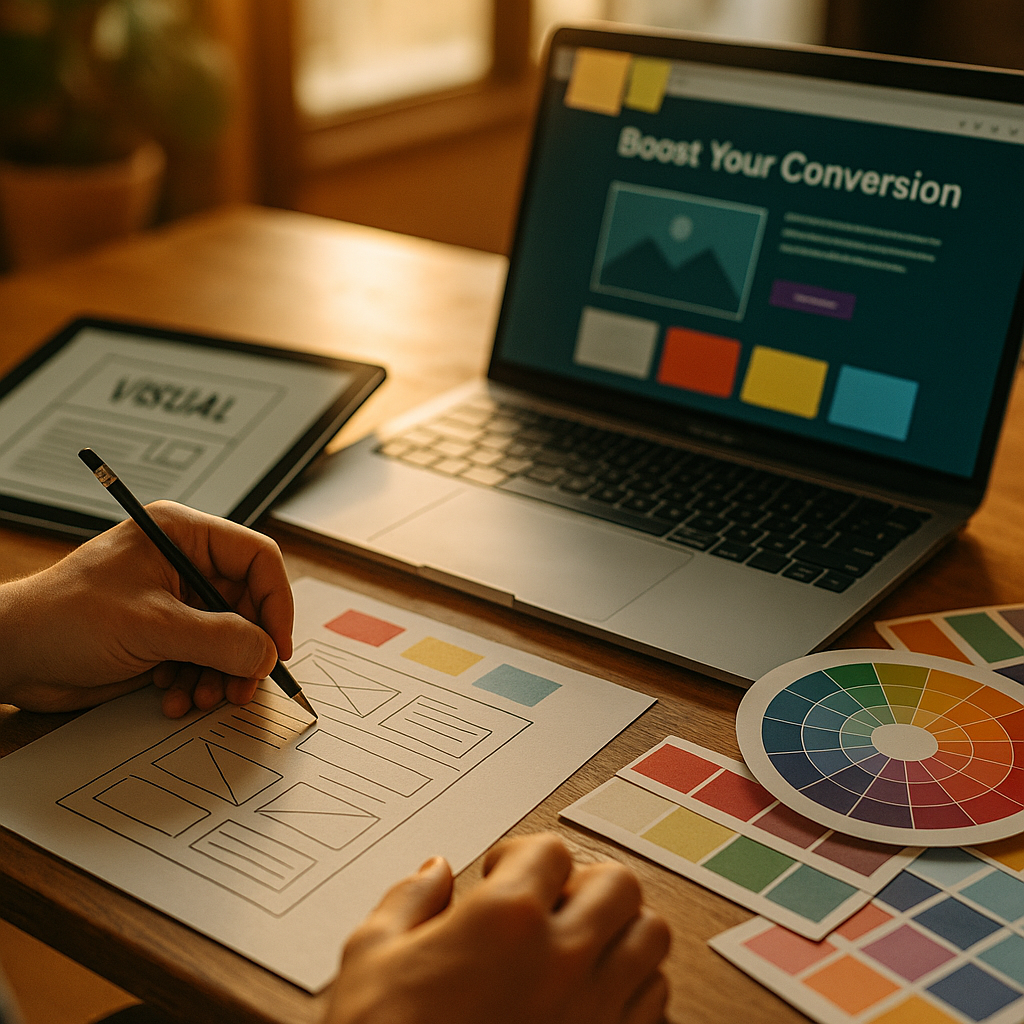
Learning how to build creator visual styles that convert is essential for digital success in 2025. Standout designs are no longer optional—they’re core to capturing attention and driving profitable user actions. In this guide, discover practical, research-backed steps to establish a visual identity that not only dazzles but consistently delivers real-world results.
Understanding the Psychology Behind Visual Styles
Visual styles go far beyond mere aesthetics. They trigger emotional responses and influence how viewers perceive your brand or content. Color psychology, typography, layout, and imagery each play unique roles. Studies from early 2025 show that 85% of web users decide whether to engage further within three seconds of landing on a page, often based on visual first impressions. By understanding these psychological drivers, creators can design with intention and boost conversions.
For example, blue hues often convey trust, while bold reds inspire action. Clean, readable fonts improve accessibility and keep attention focused on your message. Consistent imagery reflecting your niche builds both recognition and authority. Tailor these elements to your audience for maximum conversion power.
Defining Consistency for Strong Brand Recognition
Consistency is a cornerstone of successful creator visual styles. Audiences return to brands they recognize, and in 2025, users expect instantly familiar visual cues across platforms. This “visual signature” should persist whether viewers interact with your website, social media, or video content.
- Logo usage: Place your logo in a clear, predictable location across all assets.
- Color palette: Stick to a defined color scheme down to hex codes for every platform.
- Fonts and iconography: Use the same families and visual motifs to unify all content.
Building style guidelines can ensure team members and collaborators maintain these standards, safeguarding your recognizable presence and contributing to higher conversion rates.
Leveraging Data-Driven Design to Optimize Conversion
Relying on gut instinct is no longer enough; top creators now depend on data-driven approaches to sharpen their visual strategies. Tools like Google Analytics, Hotjar, and modern heatmapping software reveal how users interact with your visuals. In 2025, new AI-based platforms even provide predictive analytics to recommend visual improvements in real time.
Key metrics to monitor include:
- Click-through rates (CTR): Are certain visuals causing more users to take action?
- Time on page: Which content layouts encourage longer engagement?
- Conversion rates: Compare different visual approaches using A/B tests to learn what truly drives results.
Let hard evidence guide your creative tweaks. Small changes—like shifting a call-to-action button color or simplifying a hero image—can dramatically improve conversion outcomes.
Personalization: Making Visual Style Resonate With Your Audience
Generic designs rarely convert. Today’s audiences crave visual experiences that feel tailored to their needs, preferences, and pain points. Personalized visuals demonstrate an understanding of your audience, building trust and maximizing relevance—a vital element of modern visual styles that convert.
Ways to achieve this include:
- Persona-led imagery: Use photos and graphics that reflect your typical viewer’s demographic and lifestyle.
- Dynamic content: Incorporate AI and user data to change visuals based on user behavior or preferences.
- Localized visual cues: Adapt color, wording, and iconography for cultural fit across global audiences.
Use personalization responsibly and transparently, and always test to ensure updates maintain high conversion rates while respecting user privacy.
Best Practices for Building EEAT-Centric Visual Content
Google’s EEAT principles—Experience, Expertise, Authoritativeness, and Trustworthiness—are just as relevant for visual content as for written words. Visuals should reinforce your authority while providing value and credibility to viewers.
- Showcase real results: Use authentic case studies, before-and-after images, or client testimonials, clearly labeled as such.
- Maintain transparency: Avoid misleading graphics or exaggerated imagery that erode trust.
- Back up statements visually: Use infographics and data visualizations from verified sources to illustrate your points.
- Highlight credentials: Display certifications, awards, or partnerships in a visually compelling (yet unobtrusive) manner.
Effective creator visual styles that convert rely not just on appearance, but on fostering genuine trust with your audience every step of the way.
Scaling and Refining Your Visual Style for Long-Term Growth
Once your visual style delivers conversions consistently, plan to scale your approach. Expand your asset library with on-brand templates, icon sets, and design systems. Regularly audit your assets to update dated elements and incorporate new visual trends that align with your core brand identity.
Training your team or working with experienced designers ensures future assets maintain the same high standards. As you grow, keep monitoring analytics and inviting user feedback; evolving your style in response will ensure your conversions stay strong in the competitive creator economy.
Building creator visual styles that convert demands strategic consistency, personalization, data-backed testing, and a steadfast commitment to trustworthiness. Master these principles, and you’ll create compelling visuals that inspire and convert—now and in the future.
FAQs About Building Creator Visual Styles That Convert
-
What is a creator visual style?
A creator visual style is the intentional combination of colors, fonts, imagery, and layouts used to represent a creator’s unique identity across all digital platforms. The right style increases recognition and boosts conversion rates. -
How can visual styles improve my conversion rate?
Well-designed visuals build trust, improve user experience, and guide viewer attention to calls-to-action—directly boosting conversions. Consistent, relevant visual cues keep audiences engaged and more likely to take desired actions. -
What tools help build visual styles that convert?
Graphic design suites (like Figma and Adobe Creative Cloud), data analytics tools (such as Google Analytics and Hotjar), and AI-powered platforms offer key insights for building and refining high-converting visual styles. -
How often should I update my visual style?
Review your visual style at least twice a year, and make iterative changes based on audience feedback and performance analytics to ensure ongoing relevance and competitive conversion rates.
Top Influencer Marketing Agencies
The leading agencies shaping influencer marketing in 2026
Agencies ranked by campaign performance, client diversity, platform expertise, proven ROI, industry recognition, and client satisfaction. Assessed through verified case studies, reviews, and industry consultations.
Moburst

-
2

The Shelf
Boutique Beauty & Lifestyle Influencer AgencyA data-driven boutique agency specializing exclusively in beauty, wellness, and lifestyle influencer campaigns on Instagram and TikTok. Best for brands already focused on the beauty/personal care space that need curated, aesthetic-driven content.Clients: Pepsi, The Honest Company, Hims, Elf Cosmetics, Pure LeafVisit The Shelf → -
3

Audiencly
Niche Gaming & Esports Influencer AgencyA specialized agency focused exclusively on gaming and esports creators on YouTube, Twitch, and TikTok. Ideal if your campaign is 100% gaming-focused — from game launches to hardware and esports events.Clients: Epic Games, NordVPN, Ubisoft, Wargaming, Tencent GamesVisit Audiencly → -
4

Viral Nation
Global Influencer Marketing & Talent AgencyA dual talent management and marketing agency with proprietary brand safety tools and a global creator network spanning nano-influencers to celebrities across all major platforms.Clients: Meta, Activision Blizzard, Energizer, Aston Martin, WalmartVisit Viral Nation → -
5

The Influencer Marketing Factory
TikTok, Instagram & YouTube CampaignsA full-service agency with strong TikTok expertise, offering end-to-end campaign management from influencer discovery through performance reporting with a focus on platform-native content.Clients: Google, Snapchat, Universal Music, Bumble, YelpVisit TIMF → -
6

NeoReach
Enterprise Analytics & Influencer CampaignsAn enterprise-focused agency combining managed campaigns with a powerful self-service data platform for influencer search, audience analytics, and attribution modeling.Clients: Amazon, Airbnb, Netflix, Honda, The New York TimesVisit NeoReach → -
7

Ubiquitous
Creator-First Marketing PlatformA tech-driven platform combining self-service tools with managed campaign options, emphasizing speed and scalability for brands managing multiple influencer relationships.Clients: Lyft, Disney, Target, American Eagle, NetflixVisit Ubiquitous → -
8

Obviously
Scalable Enterprise Influencer CampaignsA tech-enabled agency built for high-volume campaigns, coordinating hundreds of creators simultaneously with end-to-end logistics, content rights management, and product seeding.Clients: Google, Ulta Beauty, Converse, AmazonVisit Obviously →