


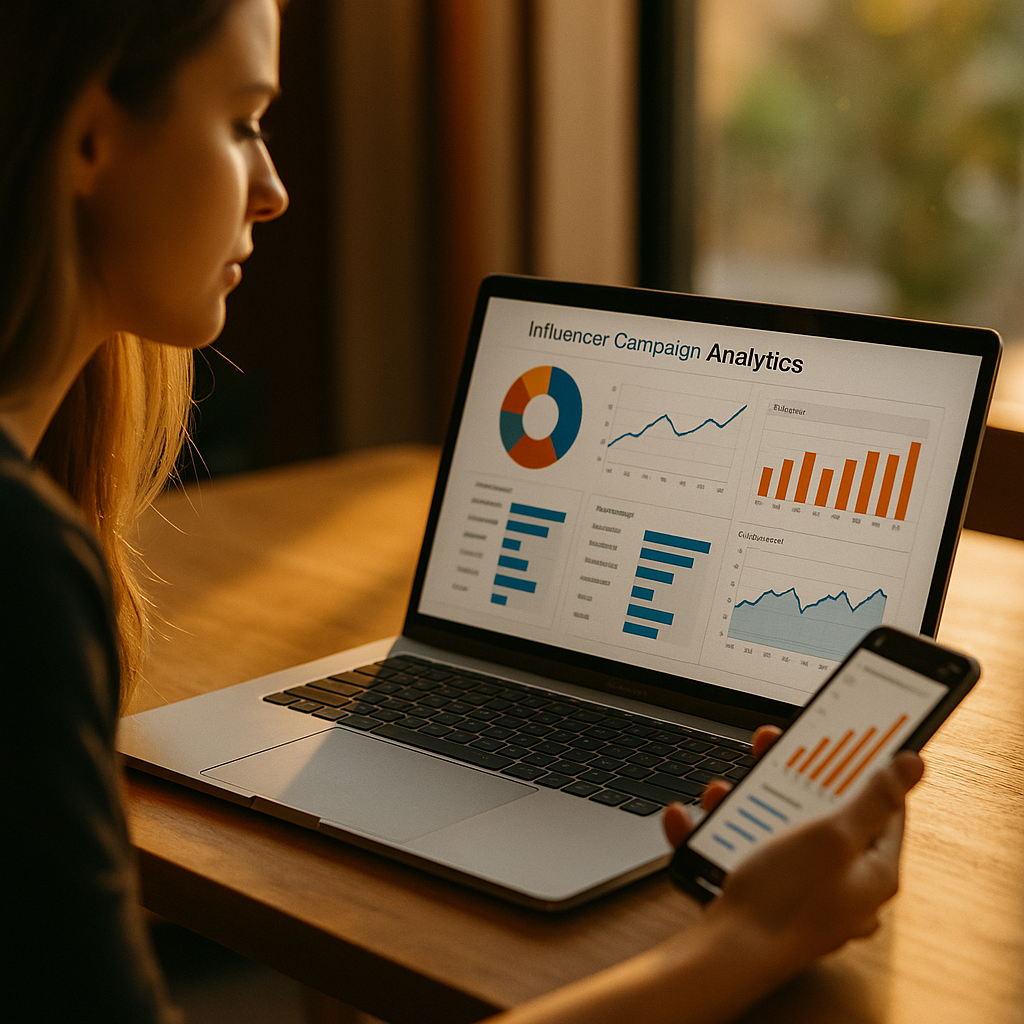
Effective influencer marketing requires actionable, highly accurate data about creators and their audiences. Today, advanced tools that improve influencer insights accuracy are transforming brand strategies and campaign results. With brands investing more into influencer partnerships, understanding the best analytics solutions is crucial for staying ahead of the competition.
Comprehensive Influencer Analytics Platforms: The Backbone of Accurate Insights
Comprehensive influencer analytics platforms have become indispensable for brands and agencies seeking reliable influencer data in 2025. These solutions leverage AI and machine learning to offer granular details about influencers’ audience demographics, reach, and engagement authenticity.
- Integrated Data Sources: Modern platforms aggregate data from Instagram, TikTok, YouTube, and emerging platforms, minimizing blind spots.
- AI-powered Audience Segmentation: Algorithms now distinguish between genuine and inauthentic engagement patterns, refining accuracy of audience insights.
- Compliance Tools: New EU and US data privacy mandates require platforms to ensure verified, secure data acquisition.
Leading solutions like CreatorIQ, Traackr, and Klear allow users to benchmark potential influencer partners against market standards, reducing costly misalignments. Brands gain a holistic view that goes beyond vanity metrics.
Social Listening Tools: Uncover Real-Time Audience Sentiment
Social listening tools add a critical layer to influencer insights accuracy by monitoring real-time audience reactions across digital channels. These platforms capture conversations, trends, and sentiment shifts that traditional analytics might miss.
- Real-time Monitoring: Tools like Brandwatch and Sprout Social instantly alert marketers to spikes in sentiment or trending topics within an influencer’s following.
- Advanced Sentiment Analysis: Improved NLP algorithms now detect nuance, sarcasm, and emotion, helping brands measure authenticity and genuine influence.
- Localized Insights: In 2025, platforms localize data down to regions and languages for highly targeted campaigns.
This approach enables brands to understand how influencer messaging is resonating with their target audience and quickly pivot strategy if necessary.
Follower Authenticity Verification: Combatting Fake Engagement
Follower authenticity verification tools have become essential for influencer vetting. With ad fraud on the rise, brands demand assurance that their investments drive real impact—not just inflated metrics.
- Bot and Ghost Follower Detection: Advanced scanning algorithms isolate suspicious accounts and reveal followers’ genuine profiles.
- Engagement Quality Scores: Rather than raw like counts, platforms like HypeAuditor and Modash now measure the ratio of authentic interactions versus automated engagement.
- Historical Behavior Analysis: Audit features examine fluctuations in followers and engagement to spot artificial growth spikes or purchased audiences.
Brands using these tools safeguard their campaign ROI while fostering more transparent relationships with influencers.
Campaign Performance Dashboards: From Data to Actionable Insights
Campaign performance dashboards close the loop between influencer selection and post-campaign evaluation, bringing clarity and accountability to partnerships.
- End-to-end Tracking: Platforms like Influencity provide unified views on impressions, clicks, conversions, and sales attributed to each influencer activation.
- Attribution Modeling: Enhanced analytics now link influencer touchpoints directly to customer purchase paths, not just top-funnel activity.
- Automated Reporting: Brands save hours on reporting with pre-built templates, facilitating real-time strategy adjustments.
This data-driven approach empowers marketers to optimize ongoing campaigns and justify influencer spend to leadership teams.
First-Party Data Integration: Maximizing the Value of Owned Data
As third-party cookies phase out, integrating first-party data into influencer analytics is essential for brands prioritizing privacy and relevance.
- Email and CRM Matching: Some platforms now cross-reference influencer audiences with brands’ customer databases for precise targeting and overlap analysis.
- Custom Audience Creation: Data partnerships allow for the creation of lookalike audiences based on existing high-value customers’ digital behaviors.
- Granular Segmentation: Integrations unlock options to segment and personalize influencer campaigns for specific customer cohorts.
This added layer of context ensures that influencer partnerships drive not just exposure, but lasting brand loyalty and conversions.
Data Visualization and Predictive Analytics: The Future of Influencer Insights
As influencer marketing grows in complexity, data visualization tools and predictive analytics deliver clarity and foresight to teams navigating the crowded creator economy.
- Intuitive Dashboards: Tools like Google Looker Studio and Tableau ingest influencer datasets, transforming them into actionable stories and trend spotlights.
- Predictive Modeling: Machine learning models forecast campaign outcomes, influencer performance, and even estimate brand lift from upcoming collaborations.
- Scenario Planning: Teams can simulate ‘what-if’ analyses for budget allocation and influencer selection, reducing risk in decision-making.
Adopting these advanced analytics capabilities gives brands a competitive edge in an evolving market, enabling them to prioritize partnerships with the highest ROI potential.
Conclusion
Investing in tools that improve influencer insights accuracy equips brands to make informed, measurable decisions in an ever-evolving digital landscape. Leveraging advanced analytics, audience verification, and data integration safeguards marketing budgets while yielding stronger campaign outcomes. The right technology stack is now essential for unlocking influencer marketing’s full value in 2025 and beyond.
FAQs: Tools That Improve Influencer Insights Accuracy
-
Why is influencer insights accuracy important in 2025?
With increased marketing spend and scrutiny, accurate influencer insights ensure campaigns target authentic, engaged audiences and comply with strict data privacy regulations.
-
Which tools are essential for influencer vetting?
Platforms that verify follower authenticity, detect fake engagement, and provide historical performance analysis are crucial for effective influencer vetting.
-
How do social listening platforms improve influencer decisions?
They monitor real-time sentiment, trending topics, and audience reactions, helping brands identify influencers whose narratives align with target consumer interests.
-
Can first-party data integration enhance influencer marketing ROI?
Yes. Integrating first-party data enables precise audience targeting, improves overlap analysis, and allows for highly personalized influencer campaigns.
-
What is the benefit of predictive analytics in influencer marketing?
Predictive analytics help brands forecast campaign performance, minimize investment risk, and optimize influencer selection for maximum return.
Top Influencer Marketing Agencies
The leading agencies shaping influencer marketing in 2026
Agencies ranked by campaign performance, client diversity, platform expertise, proven ROI, industry recognition, and client satisfaction. Assessed through verified case studies, reviews, and industry consultations.
Moburst

-
2

The Shelf
Boutique Beauty & Lifestyle Influencer AgencyA data-driven boutique agency specializing exclusively in beauty, wellness, and lifestyle influencer campaigns on Instagram and TikTok. Best for brands already focused on the beauty/personal care space that need curated, aesthetic-driven content.Clients: Pepsi, The Honest Company, Hims, Elf Cosmetics, Pure LeafVisit The Shelf → -
3

Audiencly
Niche Gaming & Esports Influencer AgencyA specialized agency focused exclusively on gaming and esports creators on YouTube, Twitch, and TikTok. Ideal if your campaign is 100% gaming-focused — from game launches to hardware and esports events.Clients: Epic Games, NordVPN, Ubisoft, Wargaming, Tencent GamesVisit Audiencly → -
4

Viral Nation
Global Influencer Marketing & Talent AgencyA dual talent management and marketing agency with proprietary brand safety tools and a global creator network spanning nano-influencers to celebrities across all major platforms.Clients: Meta, Activision Blizzard, Energizer, Aston Martin, WalmartVisit Viral Nation → -
5

The Influencer Marketing Factory
TikTok, Instagram & YouTube CampaignsA full-service agency with strong TikTok expertise, offering end-to-end campaign management from influencer discovery through performance reporting with a focus on platform-native content.Clients: Google, Snapchat, Universal Music, Bumble, YelpVisit TIMF → -
6

NeoReach
Enterprise Analytics & Influencer CampaignsAn enterprise-focused agency combining managed campaigns with a powerful self-service data platform for influencer search, audience analytics, and attribution modeling.Clients: Amazon, Airbnb, Netflix, Honda, The New York TimesVisit NeoReach → -
7

Ubiquitous
Creator-First Marketing PlatformA tech-driven platform combining self-service tools with managed campaign options, emphasizing speed and scalability for brands managing multiple influencer relationships.Clients: Lyft, Disney, Target, American Eagle, NetflixVisit Ubiquitous → -
8

Obviously
Scalable Enterprise Influencer CampaignsA tech-enabled agency built for high-volume campaigns, coordinating hundreds of creators simultaneously with end-to-end logistics, content rights management, and product seeding.Clients: Google, Ulta Beauty, Converse, AmazonVisit Obviously →