


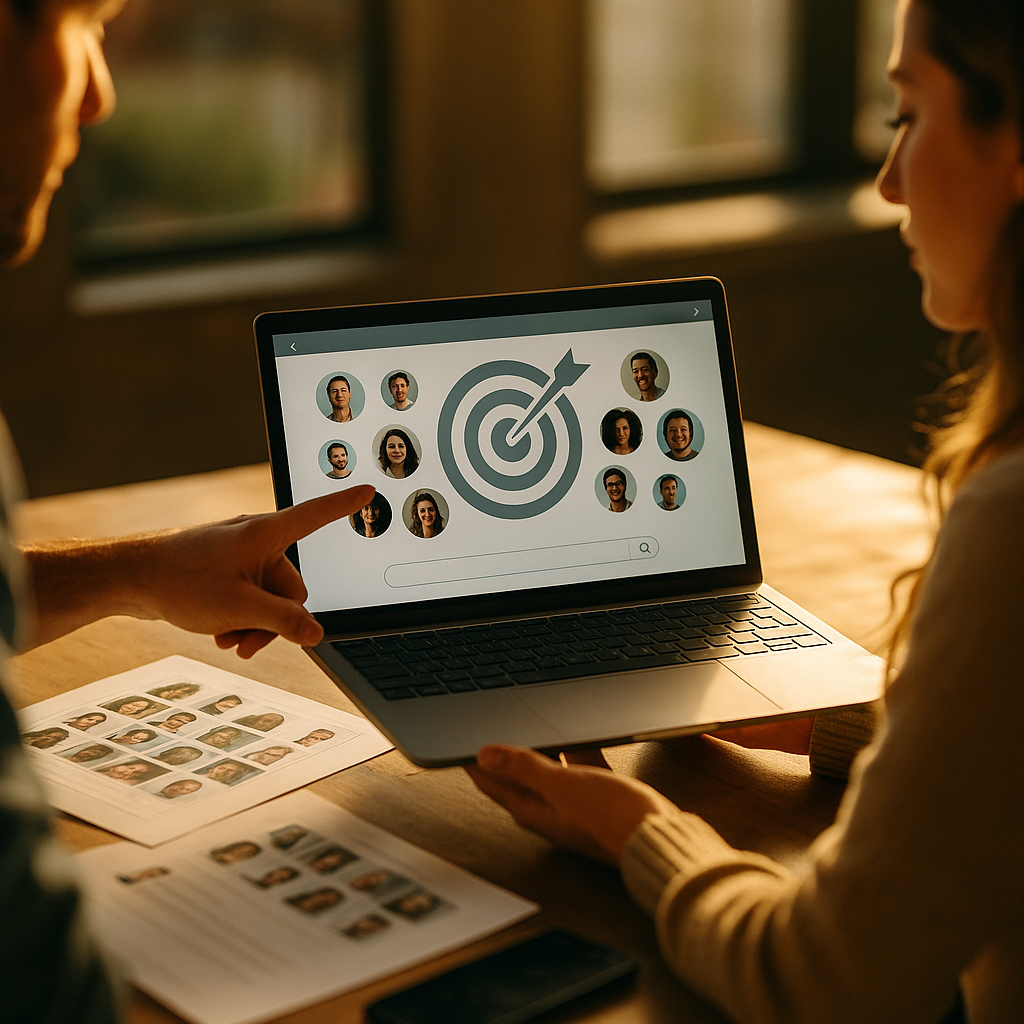
Influencer target matching tools have become indispensable for brands that want to connect with the right voices in their market. As influencer marketing grows in complexity, choosing the right partners can make or break your campaign. Discover how today’s powerful solutions are changing the game and learn which features to look for as you build your influencer strategy in 2025.
Advanced Influencer Search Engines: Precision Influencer Matching
Thanks to advanced influencer search engines, brands can now look far beyond mere follower counts. These platforms leverage real-time data, analyzing millions of profiles across multiple social channels. By filtering influencers based on audience demographics, engagement rates, content alignment, and even sentiment, these tools help marketers precisely match creators to their brand goals. For example, platforms like Traackr and Upfluence allow users to set granular criteria, ensuring the influencers they find don’t just have reach—they have relevance. This level of detailed targeting greatly reduces manual research time while increasing campaign effectiveness.
AI-Powered Analytics Tools: Data-Driven Influencer Selection
The rise of AI-powered analytics in influencer marketing has redefined how brands assess fit. These tools process large volumes of data, using machine learning to identify authentic engagement, detect fraudulent activities, and predict future performance. With algorithms that evaluate not only an influencer’s history but also their audience’s real interests, AI-driven solutions such as HypeAuditor and Influencity empower brands to make smarter decisions faster. In 2025, machine learning continues to refine matching accuracy, helping marketers avoid costly mismatches and ensuring influencer partnerships that deliver measurable ROI.
Audience Overlap & Brand Affinity Platforms: Finding the Perfect Audience Match
One of the most crucial elements in influencer campaigns is audience overlap and brand affinity. Platforms like CreatorIQ and Julius analyze the shared interests and behaviors between an influencer’s followers and a brand’s target demographic. These tools allow marketers to visualize where there is significant overlap, ensuring genuine alignment between the influencer’s community and the brand’s ideal customer. By prioritizing audience compatibility, brands foster authentic connections that lead to higher engagement and long-term loyalty.
Influencer Relationship Management Suites: Streamlining Collaboration
Managing relationships with multiple creators requires organization and seamless communication. Influencer relationship management (IRM) suites such as Aspire and Grin integrate CRM features tailored for influencer marketing. These platforms simplify outreach, contract management, payment processing, and performance tracking within a single dashboard. Their automation features reduce repetitive tasks, freeing marketers to focus on building genuine partnerships. By recording influencer history and campaign performance, brands can refine their matching process for future collaborations, fostering repeat success at scale.
Social Listening Tools: Identifying Rising Influencers
Social listening tools uniquely simplify influencer target matching by tracking online conversations, emerging trends, and niche communities in real time. Technologies like Brandwatch and Talkwalker identify influential voices as they gain traction on platforms such as Instagram, TikTok, and YouTube. Marketers can spot up-and-coming creators, monitor competitor partnerships, and assess how well an influencer’s messaging aligns with the brand’s core values. This proactive approach enables brands to reach untapped audiences and ride cultural waves before they crest.
Key Features to Evaluate in Influencer Target Matching Tools
With the influencer technology market expanding rapidly in 2025, identifying the right solution requires understanding which features truly matter. Here’s a checklist to help marketers assess influencer tools for target matching:
- Comprehensive Search Filters: Demographics, interests, geography, language, and more.
- Authenticity Verification: AI-driven checks for fake followers and bot-driven engagement.
- Real-Time Analytics: Up-to-date metrics on performance, reach, and ROI.
- Audience Insights: Detailed data on follower age, gender, behaviors, and affinities.
- Seamless Integration: Ability to sync with CRM, e-commerce, and marketing platforms.
- Relationship Management: Tools for communication, campaign management, and reporting.
- Scalability: Support for managing hundreds or thousands of influencer relationships.
Considering these core features ensures you invest in technology that genuinely simplifies influencer target matching and supports sustainable campaign growth.
Conclusion: Maximizing ROI with Smart Influencer Target Matching Tools
The right influencer target matching tools transform influencer marketing from a guessing game into a science. By leveraging advanced search, AI analytics, audience data, management suites, and real-time listening, brands can consistently secure partnerships that resonate. To stay competitive in 2025, prioritize platforms with comprehensive matching features and focus on authentic audience connections for every collaboration.
FAQs About Tools That Simplify Influencer Target Matching
-
Which tools are best for influencer target matching in 2025?
Top platforms in 2025 include Traackr, Upfluence, HypeAuditor, CreatorIQ, Aspire, Grin, and Talkwalker. Each offers unique strengths, so choose based on your campaign goals, required integrations, and preferred analytics depth.
-
How do AI-powered tools improve influencer selection?
AI-powered tools analyze vast data to detect fake followers, predict engagement rates, and match influencers with highly compatible audiences. This data-driven approach saves time and increases the accuracy of influencer matches.
-
Why is audience overlap important in influencer marketing?
Audience overlap ensures that an influencer’s followers align with your brand’s ideal customer. Greater overlap typically leads to higher engagement, improved conversion rates, and more successful campaigns.
-
How do social listening tools help identify new influencers?
Social listening tools track trending conversations and fast-growing communities, spotlighting emerging influencers before they become mainstream—helping brands stay ahead of trends and reach niche audiences first.
-
Can influencer matching tools integrate with other marketing platforms?
Yes, most leading tools offer integration with CRM, email marketing, analytics, and e-commerce systems, streamlining campaign management and measurement across your marketing ecosystem.
Top Influencer Marketing Agencies
The leading agencies shaping influencer marketing in 2026
Agencies ranked by campaign performance, client diversity, platform expertise, proven ROI, industry recognition, and client satisfaction. Assessed through verified case studies, reviews, and industry consultations.
Moburst

-
2

The Shelf
Boutique Beauty & Lifestyle Influencer AgencyA data-driven boutique agency specializing exclusively in beauty, wellness, and lifestyle influencer campaigns on Instagram and TikTok. Best for brands already focused on the beauty/personal care space that need curated, aesthetic-driven content.Clients: Pepsi, The Honest Company, Hims, Elf Cosmetics, Pure LeafVisit The Shelf → -
3

Audiencly
Niche Gaming & Esports Influencer AgencyA specialized agency focused exclusively on gaming and esports creators on YouTube, Twitch, and TikTok. Ideal if your campaign is 100% gaming-focused — from game launches to hardware and esports events.Clients: Epic Games, NordVPN, Ubisoft, Wargaming, Tencent GamesVisit Audiencly → -
4

Viral Nation
Global Influencer Marketing & Talent AgencyA dual talent management and marketing agency with proprietary brand safety tools and a global creator network spanning nano-influencers to celebrities across all major platforms.Clients: Meta, Activision Blizzard, Energizer, Aston Martin, WalmartVisit Viral Nation → -
5

The Influencer Marketing Factory
TikTok, Instagram & YouTube CampaignsA full-service agency with strong TikTok expertise, offering end-to-end campaign management from influencer discovery through performance reporting with a focus on platform-native content.Clients: Google, Snapchat, Universal Music, Bumble, YelpVisit TIMF → -
6

NeoReach
Enterprise Analytics & Influencer CampaignsAn enterprise-focused agency combining managed campaigns with a powerful self-service data platform for influencer search, audience analytics, and attribution modeling.Clients: Amazon, Airbnb, Netflix, Honda, The New York TimesVisit NeoReach → -
7

Ubiquitous
Creator-First Marketing PlatformA tech-driven platform combining self-service tools with managed campaign options, emphasizing speed and scalability for brands managing multiple influencer relationships.Clients: Lyft, Disney, Target, American Eagle, NetflixVisit Ubiquitous → -
8

Obviously
Scalable Enterprise Influencer CampaignsA tech-enabled agency built for high-volume campaigns, coordinating hundreds of creators simultaneously with end-to-end logistics, content rights management, and product seeding.Clients: Google, Ulta Beauty, Converse, AmazonVisit Obviously →