


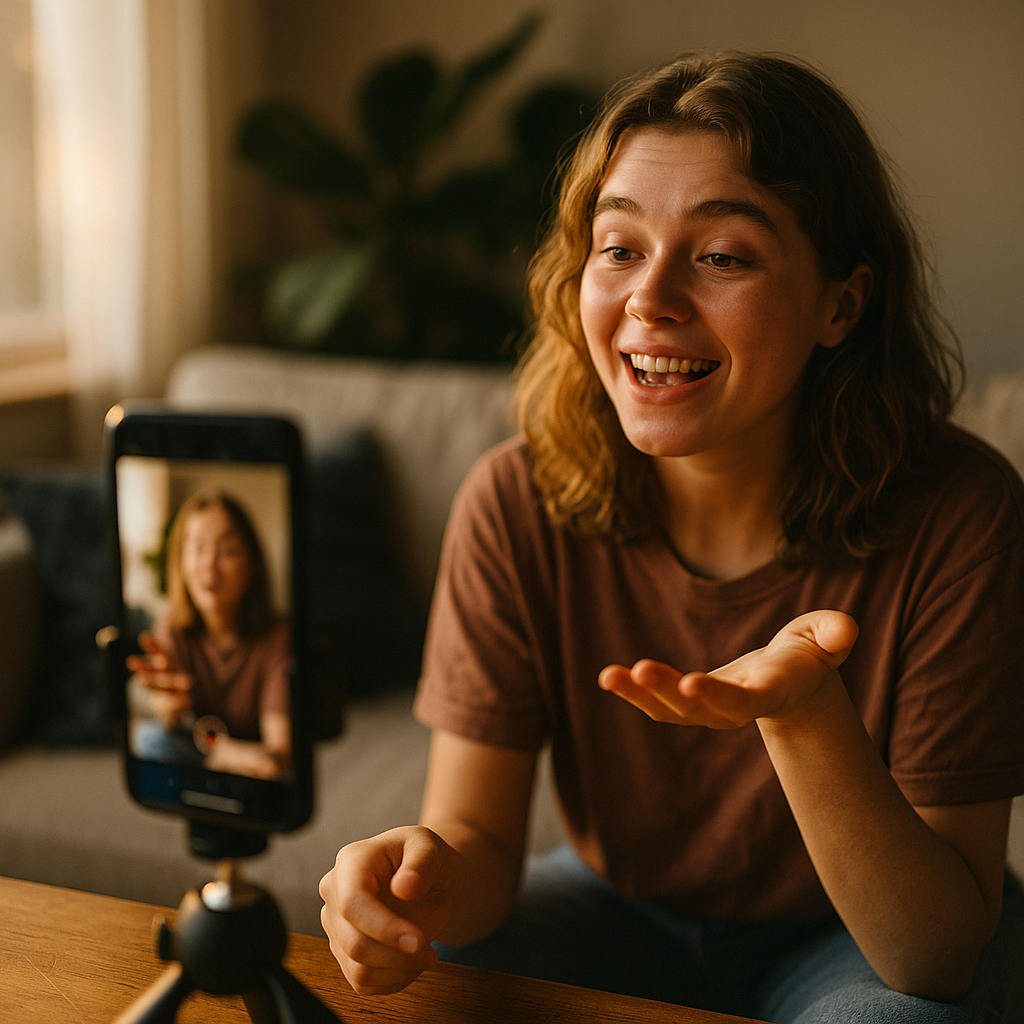
Zero-production creators are reshaping digital content, especially among Gen Z. This new wave thrives on authenticity, relatability, and minimal editing, a style that Gen Z finds trustworthy and genuine. But what makes zero-production content so magnetic for this influential demographic? Read on to discover how low-fi creators are winning loyal Gen Z audiences—and redefining online influence in 2025.
Zero-Production Appeal: Authenticity Over Perfection
Gen Z values authenticity in their online experiences. Unlike previous generations, they prefer raw, unfiltered content that resonates with their day-to-day realities. Zero-production creators—those who shoot on smartphones, skip elaborate edits, and favor spontaneous moments—mirror how Gen Z communicates online. According to a 2025 Pew Research study, over 70% of Gen Z respondents trust creators who “seem real” over those with highly produced content.
This authenticity fosters a unique sense of community. Gen Z audiences appreciate creators who are open about their flaws, struggles, and unpolished moments, believing this honesty helps battle social anxiety and toxic perfection standards. Ultimately, zero-production content feels like a conversation rather than a performance.
The Creator-Consumer Connection: Building Trust with Gen Z
Trust is the currency of digital influence in 2025. Gen Z is skeptical of overt marketing and has grown up navigating influencer partnerships. Zero-production creators build trust through transparency. Followers see into their real environments—not just curated backdrops—and often witness creators responding candidly to comments or sharing behind-the-scenes moments.
A 2025 Adobe study reveals that 66% of Gen Z users prefer engaging with unfiltered content because it “feels like a friend’s recommendation.” As a result, zero-production creators drive higher engagement rates, with comments, direct messages, and follow-backs signaling an ongoing dialogue rather than a passive viewing experience.
The Pandemic Legacy: Why Simplicity Scales
The days of viral, high-budget productions are dwindling. The pandemic years normalized remote work and personal content creation, making smartphone videos and uncut livestreams familiar formats. Zero-production creators capitalize on this shift, leveraging tools Gen Z already uses—like TikTok, Instagram Reels, and BeReal—with little overhead or complexity.
This simplicity lowers the barrier to entry, encouraging more young voices to participate. With content creation democratized, Gen Z can relate closely to creators who “look like them” and share their everyday experiences. As a result, authenticity is scalable, and micro-communities flourish, often around hyper-niche interests.
Platform Algorithms: Favoring Zero-Production Content
Social media algorithms in 2025 prioritize engagement, watch time, and shares over slick editing or production flair. Platforms like TikTok and Instagram lean heavily into surfacing relatable content—often short, unscripted, and direct to camera—because it keeps users coming back. Gen Z, in particular, seeks dynamic and relatable creators over big-budget productions.
Data from TikTok shows that “lo-fi” creators average a 30% higher engagement rate among users aged 14-27 than their high-production counterparts. The result: a viral success formula for creators who focus on immediacy, storytelling, and personal connection. Algorithmic support lets zero-production content outperform even content from established celebrities or brands.
Community and Identity: How Zero-Production Content Builds Belonging
Gen Z is famously collectivist and identity-driven, seeking inclusive communities where they feel seen and heard. Zero-production creators offer a digital “third space”—a casual, welcoming environment where followers can participate, comment, and even co-create. These creators often highlight ordinary stories, personal growth, or cultural nuances that Gen Z craves.
Furthermore, the “anyone can do it” ethos fosters empowerment. Gen Z feels encouraged to become creators themselves, experimenting with their voices on platforms that reward authenticity over polish. In 2025, this has accelerated the growth of “nano-influencers” and peer-to-peer content trends, outpacing growth seen in prior influencer waves.
Monetization and Brand Partnerships: Changing the Influencer Economy
Brands have taken note of Gen Z’s preference for zero-production creators, shifting advertising budgets to support authentic endorsements. Instead of elaborate sponsored segments, brands collaborate with zero-production creators for brief, genuine integrations—like unboxing products on a bedroom floor or answering brand-related questions in real time.
According to a 2025 Nielsen report, campaigns featuring zero-production creators drive up to 40% better conversion rates among Gen Z than campaigns with traditional influencers. This approach enables creators to maintain trust with their audiences while earning income in ways that blend naturally with their content style. The mutually beneficial model ensures brand messages reach Gen Z without appearing as disruptive ads.
Conclusion: Zero-Production Creators Define Gen Z Influence
Zero-production creators are at the heart of Gen Z’s digital culture. Their authenticity, community-building, and ability to cut through noise make them natural winners with younger audiences. For brands and aspiring influencers in 2025, the lesson is clear: lean into simplicity, prioritize trust, and meet Gen Z where they are—unfiltered and online.
FAQs About Zero-Production Creators and Gen Z
-
What is a zero-production creator?
A zero-production creator produces content with minimal editing and equipment, often using just a smartphone. Their approach emphasizes authenticity and realness, which strongly appeals to Gen Z audiences.
-
Why does Gen Z prefer zero-production content?
Gen Z values authenticity, relatability, and transparency. Zero-production content feels more genuine and less staged, fostering trust and stronger online communities.
-
How do social media algorithms support zero-production creators?
Algorithms prioritize content with high engagement and watch time, often favoring relatable and timely posts. Zero-production creators tend to perform well because their content sparks more interaction among Gen Z.
-
Can brands work effectively with zero-production creators?
Yes. Brands see higher conversion rates with zero-production integration, as Gen Z responds better to organic endorsements rather than overt, high-budget ads.
-
How can new creators succeed with Gen Z?
Focus on honest, spontaneous content; engage directly with the audience; and participate in trends that reflect their real life and values. Authenticity consistently outperforms polish with Gen Z in 2025.
Top Influencer Marketing Agencies
The leading agencies shaping influencer marketing in 2026
Agencies ranked by campaign performance, client diversity, platform expertise, proven ROI, industry recognition, and client satisfaction. Assessed through verified case studies, reviews, and industry consultations.
Moburst

-
2

The Shelf
Boutique Beauty & Lifestyle Influencer AgencyA data-driven boutique agency specializing exclusively in beauty, wellness, and lifestyle influencer campaigns on Instagram and TikTok. Best for brands already focused on the beauty/personal care space that need curated, aesthetic-driven content.Clients: Pepsi, The Honest Company, Hims, Elf Cosmetics, Pure LeafVisit The Shelf → -
3

Audiencly
Niche Gaming & Esports Influencer AgencyA specialized agency focused exclusively on gaming and esports creators on YouTube, Twitch, and TikTok. Ideal if your campaign is 100% gaming-focused — from game launches to hardware and esports events.Clients: Epic Games, NordVPN, Ubisoft, Wargaming, Tencent GamesVisit Audiencly → -
4

Viral Nation
Global Influencer Marketing & Talent AgencyA dual talent management and marketing agency with proprietary brand safety tools and a global creator network spanning nano-influencers to celebrities across all major platforms.Clients: Meta, Activision Blizzard, Energizer, Aston Martin, WalmartVisit Viral Nation → -
5

The Influencer Marketing Factory
TikTok, Instagram & YouTube CampaignsA full-service agency with strong TikTok expertise, offering end-to-end campaign management from influencer discovery through performance reporting with a focus on platform-native content.Clients: Google, Snapchat, Universal Music, Bumble, YelpVisit TIMF → -
6

NeoReach
Enterprise Analytics & Influencer CampaignsAn enterprise-focused agency combining managed campaigns with a powerful self-service data platform for influencer search, audience analytics, and attribution modeling.Clients: Amazon, Airbnb, Netflix, Honda, The New York TimesVisit NeoReach → -
7

Ubiquitous
Creator-First Marketing PlatformA tech-driven platform combining self-service tools with managed campaign options, emphasizing speed and scalability for brands managing multiple influencer relationships.Clients: Lyft, Disney, Target, American Eagle, NetflixVisit Ubiquitous → -
8

Obviously
Scalable Enterprise Influencer CampaignsA tech-enabled agency built for high-volume campaigns, coordinating hundreds of creators simultaneously with end-to-end logistics, content rights management, and product seeding.Clients: Google, Ulta Beauty, Converse, AmazonVisit Obviously →