


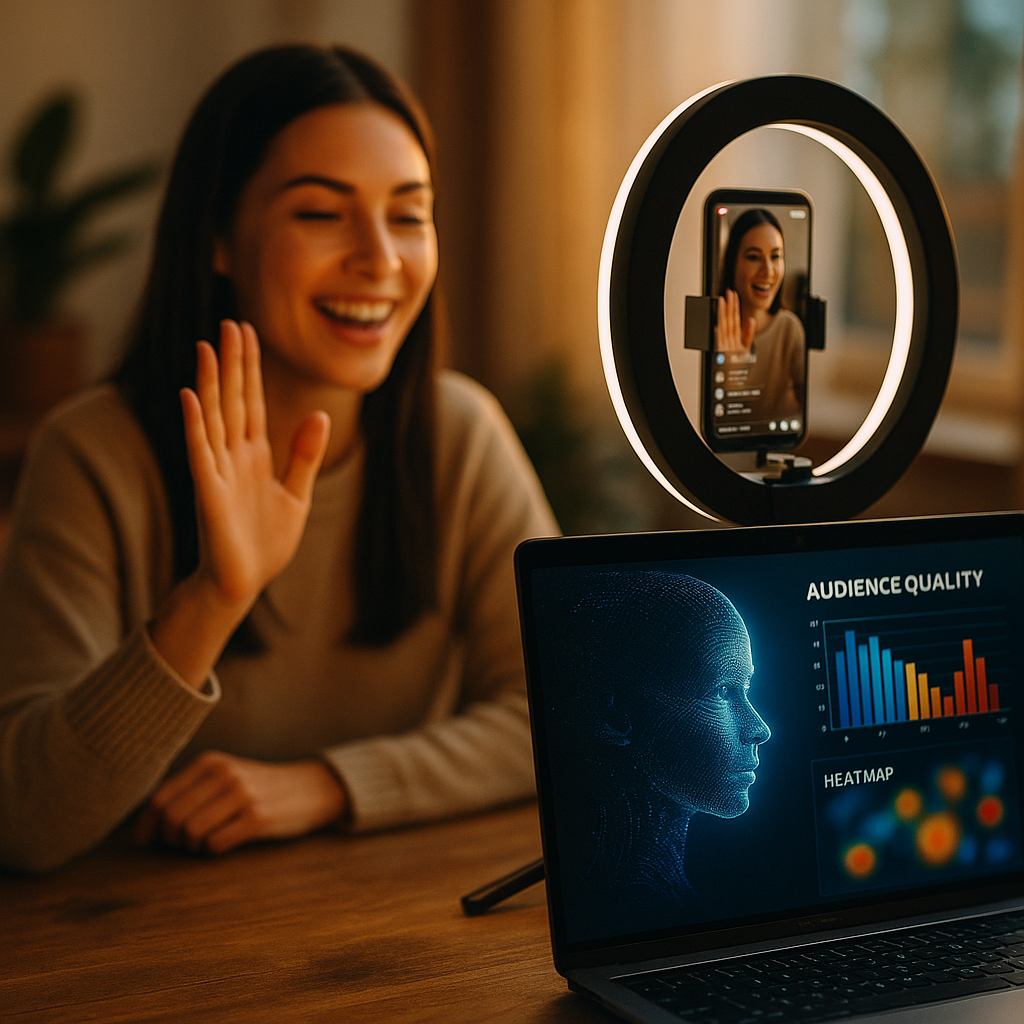
In 2025, AI tools that score influencer audience quality are redefining influencer marketing analytics. Brands demand more than follower counts; they seek deep, data-driven insights into who those followers truly are. Selecting the right audience can make or break any campaign—discover how these pioneering AI solutions empower smarter choices and build trust.
Why Audience Quality Matters in Influencer Marketing
It’s no longer enough for brands to select influencers based solely on reach. According to recent research from Influencer Marketing Hub, almost 53% of marketers report fake or disengaged audiences as their primary concern in 2025. Assessing influencer audience quality means analyzing real engagement, audience authenticity, and demographic fit to ensure campaign effectiveness and ethical standards. AI-driven tools now dig deeper, offering granular insights so brands invest wisely, reduce risk, and foster stronger customer relationships.
Core Features of AI-Powered Influencer Audience Scoring Tools
Today’s best AI tools that score influencer audience quality share several advanced features essential for actionable insights. These tools employ:
- Fake Follower Detection: Scanning for suspicious or automated accounts to remove vanity metrics from calculations.
- Engagement Rate Analysis: Contextualizing likes, comments, and shares relative to similar-profile benchmarks.
- Demographic and Psychographic Profiling: Identifying audience traits like age, gender, interests, and brand affinity to ensure influencer alignment.
- Location Verification: Ensuring followers align with targeted geographies for localized campaigns.
- Sentiment Analysis: Measuring audience sentiment to gauge brand safety and overall trustworthiness.
AI makes these calculations instant, dynamic, and scalable across thousands of profiles, providing marketers with clear and up-to-date reports.
Top AI Tools for Evaluating Influencer Audience Authenticity in 2025
The surge in influencer partnerships has driven demand for specialized tools that deliver robust influencer audience authenticity checks. Leading platforms for 2025 include:
- HypeAuditor: Employs machine learning to deliver credibility scores, audience overlap detection, and deep authenticity analysis, ensuring that influencer followings are both real and engaged.
- GRIN: Integrates audience segmentation, fraud detection, and advanced engagement insights, all within a user-friendly dashboard tailored for brands and agencies.
- Upfluence: Uses AI to analyze audience quality across social platforms, flagging suspect accounts and mapping audience interests for campaign alignment.
- Modash: Features robust demographic validation, audience breakdowns, and reliable fake follower assessments for micro- and macro-influencers alike.
What sets these tools apart in 2025 is their ability to deliver transparent scores, explainability around their findings, and integration with campaign workflows for real-time vetting.
How Brands Apply AI-Driven Audience Scores for Influencer Selection
Smart brands now rely on AI-driven audience scores as a core filter in their influencer selection process. The typical workflow:
- Initial Discovery: A shortlist of potential influencers is generated based on campaign goals, reach, and content fit.
- Automated Scoring: AI tools analyze each influencer’s audience across key metrics—flagging those below quality thresholds for automatic removal.
- In-Depth Vetting: Detailed audience reports surface potential risks, such as bots or demographic misalignment, guiding manual review for top candidates.
- Ongoing Monitoring: Brands use real-time updates to ensure influencers maintain audience quality throughout long-term campaigns.
By integrating AI audience quality scores into their workflows, brands minimize risk and boost confidence in every partnership decision.
EEAT, Trust, and Transparency in AI Audience Scoring
In 2025, Google’s EEAT (Experience, Expertise, Authoritativeness, Trustworthiness) framework applies strongly to sponsor-influencer relationships. Brands expect full transparency in how AI generates audience quality scores. Top AI tools comply with this by:
- Providing Data Provenance: Clear sourcing for all audience data, respecting privacy and legal requirements.
- Displaying Explainable Results: Easy-to-understand breakdowns on why audience segments scored as they did, building brand trust.
- Supporting Ongoing Audits: Allowing brands to continuously re-evaluate scores as follower bases evolve.
This approach delivers reliable, actionable intelligence, aligning campaigns with both commercial and ethical best practices for 2025’s marketing standards.
Challenges and the Future of AI in Audience Quality Scoring
Despite advances, AI audience quality scoring tools face evolving challenges. Sophisticated bots can mimic real engagement. Platform API changes sometimes limit data access, potentially impacting scoring accuracy. To counter this, tool developers focus on richer data models, cross-channel analysis, and adaptive machine learning algorithms. Looking forward, expect AI solutions to become even more precise, harnessing multimodal data (images, videos, sentiment) for comprehensive audience validation and deeper campaign ROI forecasting.
AI tools that score influencer audience quality are indispensable for success in 2025’s influencer marketing landscape. Leveraging transparent, data-driven audience insights ensures brand safety, campaign effectiveness, and authentic creator partnerships—invest wisely to maximize your marketing impact.
FAQs: AI Tools That Score Influencer Audience Quality
-
What metrics do AI tools use to evaluate influencer audience quality?
Common metrics include fake follower detection, engagement authenticity, audience demographics, location relevance, and sentiment analysis. These components combine to produce a holistic quality score for each influencer’s audience.
-
How accurate are AI audience quality scores?
While accuracy has dramatically improved in 2025 with advanced machine learning and better data access, no tool is infallible. The best tools provide transparent methodologies and ongoing monitoring to minimize errors and adapt to changing audience behaviors.
-
Can brands apply these tools across multiple social platforms?
Yes, leading AI tools such as HypeAuditor, GRIN, and Modash offer cross-platform analysis, including Instagram, TikTok, YouTube, and X (formerly Twitter), ensuring consistent evaluation regardless of the influencer’s channel.
-
What should brands look for when selecting an AI audience quality scoring tool?
Prioritize tools with transparent scoring methods, explainable results, comprehensive demographic and psychographic analysis, and responsive ongoing support. Ensure the platform is compliant with privacy and data protection standards.
-
How often should influencer audiences be re-evaluated?
Best practice in 2025 is to conduct audience quality checks both at the start of a campaign and periodically throughout, especially for long-term partnerships, to account for changes in follower makeup and platform dynamics.
Top Influencer Marketing Agencies
The leading agencies shaping influencer marketing in 2026
Agencies ranked by campaign performance, client diversity, platform expertise, proven ROI, industry recognition, and client satisfaction. Assessed through verified case studies, reviews, and industry consultations.
Moburst

-
2

The Shelf
Boutique Beauty & Lifestyle Influencer AgencyA data-driven boutique agency specializing exclusively in beauty, wellness, and lifestyle influencer campaigns on Instagram and TikTok. Best for brands already focused on the beauty/personal care space that need curated, aesthetic-driven content.Clients: Pepsi, The Honest Company, Hims, Elf Cosmetics, Pure LeafVisit The Shelf → -
3

Audiencly
Niche Gaming & Esports Influencer AgencyA specialized agency focused exclusively on gaming and esports creators on YouTube, Twitch, and TikTok. Ideal if your campaign is 100% gaming-focused — from game launches to hardware and esports events.Clients: Epic Games, NordVPN, Ubisoft, Wargaming, Tencent GamesVisit Audiencly → -
4

Viral Nation
Global Influencer Marketing & Talent AgencyA dual talent management and marketing agency with proprietary brand safety tools and a global creator network spanning nano-influencers to celebrities across all major platforms.Clients: Meta, Activision Blizzard, Energizer, Aston Martin, WalmartVisit Viral Nation → -
5

The Influencer Marketing Factory
TikTok, Instagram & YouTube CampaignsA full-service agency with strong TikTok expertise, offering end-to-end campaign management from influencer discovery through performance reporting with a focus on platform-native content.Clients: Google, Snapchat, Universal Music, Bumble, YelpVisit TIMF → -
6

NeoReach
Enterprise Analytics & Influencer CampaignsAn enterprise-focused agency combining managed campaigns with a powerful self-service data platform for influencer search, audience analytics, and attribution modeling.Clients: Amazon, Airbnb, Netflix, Honda, The New York TimesVisit NeoReach → -
7

Ubiquitous
Creator-First Marketing PlatformA tech-driven platform combining self-service tools with managed campaign options, emphasizing speed and scalability for brands managing multiple influencer relationships.Clients: Lyft, Disney, Target, American Eagle, NetflixVisit Ubiquitous → -
8

Obviously
Scalable Enterprise Influencer CampaignsA tech-enabled agency built for high-volume campaigns, coordinating hundreds of creators simultaneously with end-to-end logistics, content rights management, and product seeding.Clients: Google, Ulta Beauty, Converse, AmazonVisit Obviously →