


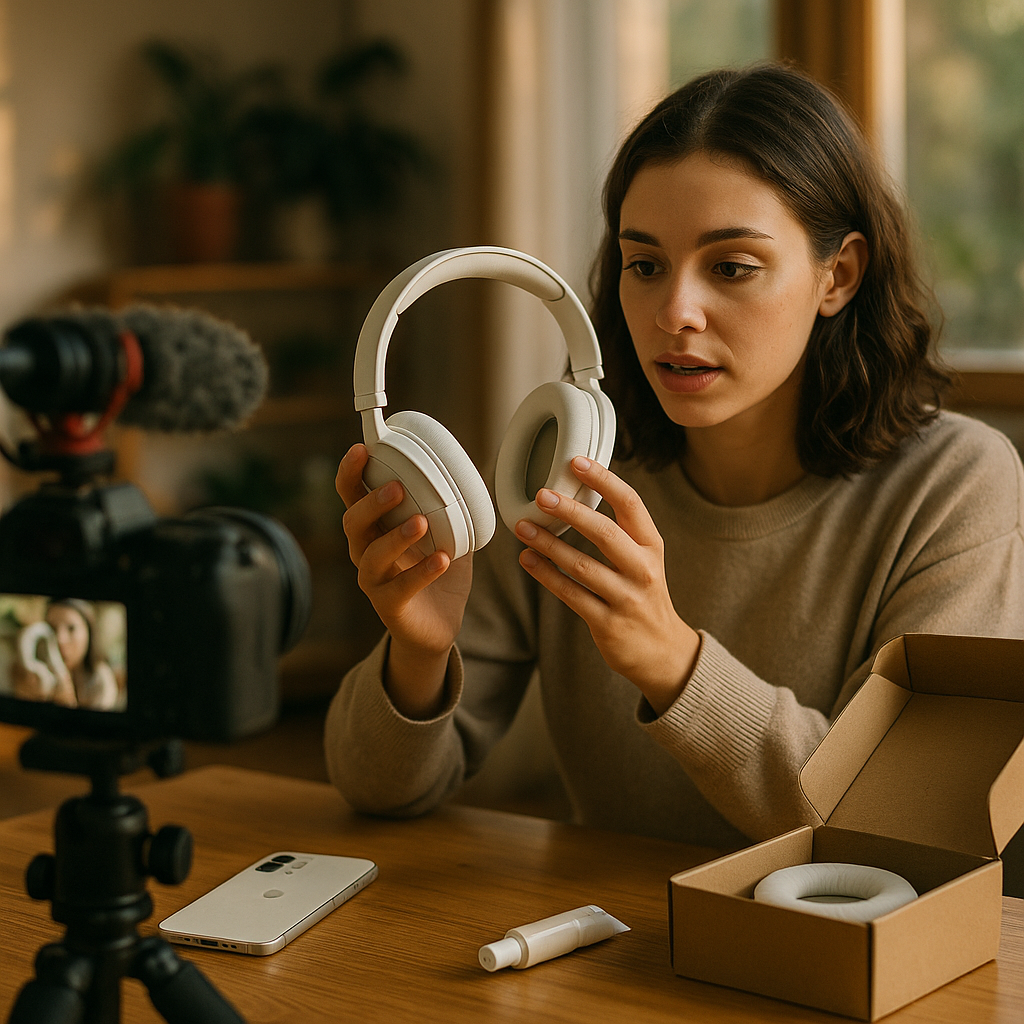
As brands shift their strategies in 2025, the influence of creators as the new product testers has never been more apparent. Trusted by their audiences and brands alike, creators are shaping opinions with real-world feedback. Why are creators becoming the new product testers, and what does this mean for businesses and consumers? Let’s explore the evolving landscape.
Authenticity Drives Modern Product Testing
Consumers crave genuine feedback, not generic marketing messages. In 2025, creators deliver authenticity that traditional product testers often lack. Their followers trust their opinions because creators have built reputations on honesty and transparency, not corporate interests. This authentic voice makes creator-led reviews more relatable and credible. Brands recognize that organic, real-life experiences outperform scripted endorsements in the eyes of increasingly discerning consumers.
Platforms like TikTok, YouTube, and Instagram provide the perfect stage for creators to showcase unfiltered testing moments. Unlike traditional ads, creator content often captures initial reactions, real use cases, and even product failures, providing audiences with full-spectrum insights. This authenticity increases audience engagement and influences purchasing decisions far more than conventional product testing methods ever have.
Community Influence and Peer Validation
Communities built around creators are powerful engines of peer validation. According to recent market research, over 80% of Gen Z consumers prefer recommendations from creators to those from celebrities or traditional media. This shift is fueled by the sense of belonging and connection online communities provide. When a creator tests and reviews a product, their endorsement carries weight because it feels like advice from a trusted friend.
Brands are tapping into this dynamic by collaborating with creators to reach targeted niches, where word-of-mouth carries exponential influence. Community feedback in comments sections further amplifies the reach, turning a single creator’s review into the start of a broader conversation. This peer-driven validation process is rewriting the rules of product launches and customer trust in 2025.
Rapid Iteration and Real-Time Feedback for Brands
Traditional product testing can be costly and slow, but creators offer brands an agile alternative. When brands send products to creators, they receive immediate, actionable feedback. This rapid feedback loop lets businesses quickly identify improvements or emerging issues. For example, a skincare company can gather unfiltered reactions within days, not months, using creator feedback before a mass-market launch.
This trend isn’t just about speed. It’s about actionable data derived from real-world scenarios. Creators highlight practical problems—such as confusing instructions, packaging difficulties, or unexpected benefits—that focus groups might overlook. In 2025, real-time creator testing is saving brands money and improving product-market fit, leading to higher customer satisfaction rates post-launch.
Access to Targeted and Diverse Audiences
Diversity and targeting are crucial in today’s highly segmented markets. Creators cater to specific demographics, interests, and cultural backgrounds, allowing brands to test products with relevant audiences. For example, a beauty brand can collaborate with creators representing different skin tones and hair textures, gaining feedback that’s truly inclusive and representative.
This approach provides two major advantages. First, it ensures products serve the needs of various consumer segments. Second, it generates authentic content that resonates across a range of audiences. By working with micro and nano-influencers, brands reach tightly knit communities whose members are likely to trust—and act on—product testing insights shared by creators they admire.
Transparency and Building Trust in a Skeptical Market
Transparency is a cornerstone of successful product testing in 2025. Consumers are increasingly wary of biased advertising and hidden sponsorships. Leading creators openly disclose partnerships and provide honest, balanced reviews, including both pros and cons. This level of transparency fosters trust and sets realistic expectations for their followers.
The market rewards honesty. A recent survey by Edelman found that 72% of consumers are more likely to purchase a product if a creator discusses both positive and negative attributes. As brands pursue long-term relationships with creators, honesty isn’t just ethical—it’s a best practice for building loyal, educated customers who feel respected and empowered in their buying decisions.
Empowering the Creator Economy and Future-Proofing Brands
The rise of creators as product testers signals a broader shift: brands are investing in the creator economy as an engine of innovation and brand growth. Content creators bring expertise and creativity that traditional product testers often can’t replicate. Their honest feedback supports product improvement, helps brands fine-tune offerings, and can even inspire new product lines based on real market needs.
The partnership is mutually beneficial. Creators receive exclusive access to products, growing their credibility and follower base, while brands leverage creators’ insights for continuous improvement. In 2025, forward-thinking businesses view these partnerships as essential for staying relevant, agile, and deeply connected to consumers’ ever-evolving expectations.
Frequently Asked Questions
-
Why are creators more effective than traditional product testers?
Creators connect with audiences on a personal level, offering genuine, transparent reviews. Their influence, built on trust, leads to higher engagement and more meaningful feedback than traditional testers, who may lack real-world experience or audience reach.
-
How do brands benefit from using creators as product testers?
Brands receive rapid, actionable feedback from creators’ audiences, enabling quick product refinement. This approach improves product-market fit, increases customer trust, and delivers diverse insights from targeted consumer groups.
-
What types of products are best suited for creator-led testing?
Beauty, tech, fashion, home goods, and wellness products benefit most, but virtually any consumer product can harness creator testing. The key is matching the product to creators whose audiences align with the target market.
-
Do creators disclose partnerships during product testing?
Yes, ethical creators follow transparency guidelines, openly disclosing brand partnerships or gifted products. This builds trust with their audiences and aligns with global advertising standards in 2025.
-
How does creator feedback influence the product development cycle?
Creator feedback highlights real user experiences, including practical issues and unique use cases. Brands use this data to refine prototypes, tailor marketing, and accelerate innovation, resulting in more successful products.
Creators are becoming the new product testers because they deliver trusted, authentic, and timely feedback while reaching tightly targeted audiences. Brands that embrace creator-led testing gain real advantages in product development and market relevance, while consumers benefit from transparent, practical reviews. The future of product testing is creator-powered—and it’s here to stay.
Top Influencer Marketing Agencies
The leading agencies shaping influencer marketing in 2026
Agencies ranked by campaign performance, client diversity, platform expertise, proven ROI, industry recognition, and client satisfaction. Assessed through verified case studies, reviews, and industry consultations.
Moburst

-
2

The Shelf
Boutique Beauty & Lifestyle Influencer AgencyA data-driven boutique agency specializing exclusively in beauty, wellness, and lifestyle influencer campaigns on Instagram and TikTok. Best for brands already focused on the beauty/personal care space that need curated, aesthetic-driven content.Clients: Pepsi, The Honest Company, Hims, Elf Cosmetics, Pure LeafVisit The Shelf → -
3

Audiencly
Niche Gaming & Esports Influencer AgencyA specialized agency focused exclusively on gaming and esports creators on YouTube, Twitch, and TikTok. Ideal if your campaign is 100% gaming-focused — from game launches to hardware and esports events.Clients: Epic Games, NordVPN, Ubisoft, Wargaming, Tencent GamesVisit Audiencly → -
4

Viral Nation
Global Influencer Marketing & Talent AgencyA dual talent management and marketing agency with proprietary brand safety tools and a global creator network spanning nano-influencers to celebrities across all major platforms.Clients: Meta, Activision Blizzard, Energizer, Aston Martin, WalmartVisit Viral Nation → -
5

The Influencer Marketing Factory
TikTok, Instagram & YouTube CampaignsA full-service agency with strong TikTok expertise, offering end-to-end campaign management from influencer discovery through performance reporting with a focus on platform-native content.Clients: Google, Snapchat, Universal Music, Bumble, YelpVisit TIMF → -
6

NeoReach
Enterprise Analytics & Influencer CampaignsAn enterprise-focused agency combining managed campaigns with a powerful self-service data platform for influencer search, audience analytics, and attribution modeling.Clients: Amazon, Airbnb, Netflix, Honda, The New York TimesVisit NeoReach → -
7

Ubiquitous
Creator-First Marketing PlatformA tech-driven platform combining self-service tools with managed campaign options, emphasizing speed and scalability for brands managing multiple influencer relationships.Clients: Lyft, Disney, Target, American Eagle, NetflixVisit Ubiquitous → -
8

Obviously
Scalable Enterprise Influencer CampaignsA tech-enabled agency built for high-volume campaigns, coordinating hundreds of creators simultaneously with end-to-end logistics, content rights management, and product seeding.Clients: Google, Ulta Beauty, Converse, AmazonVisit Obviously →