


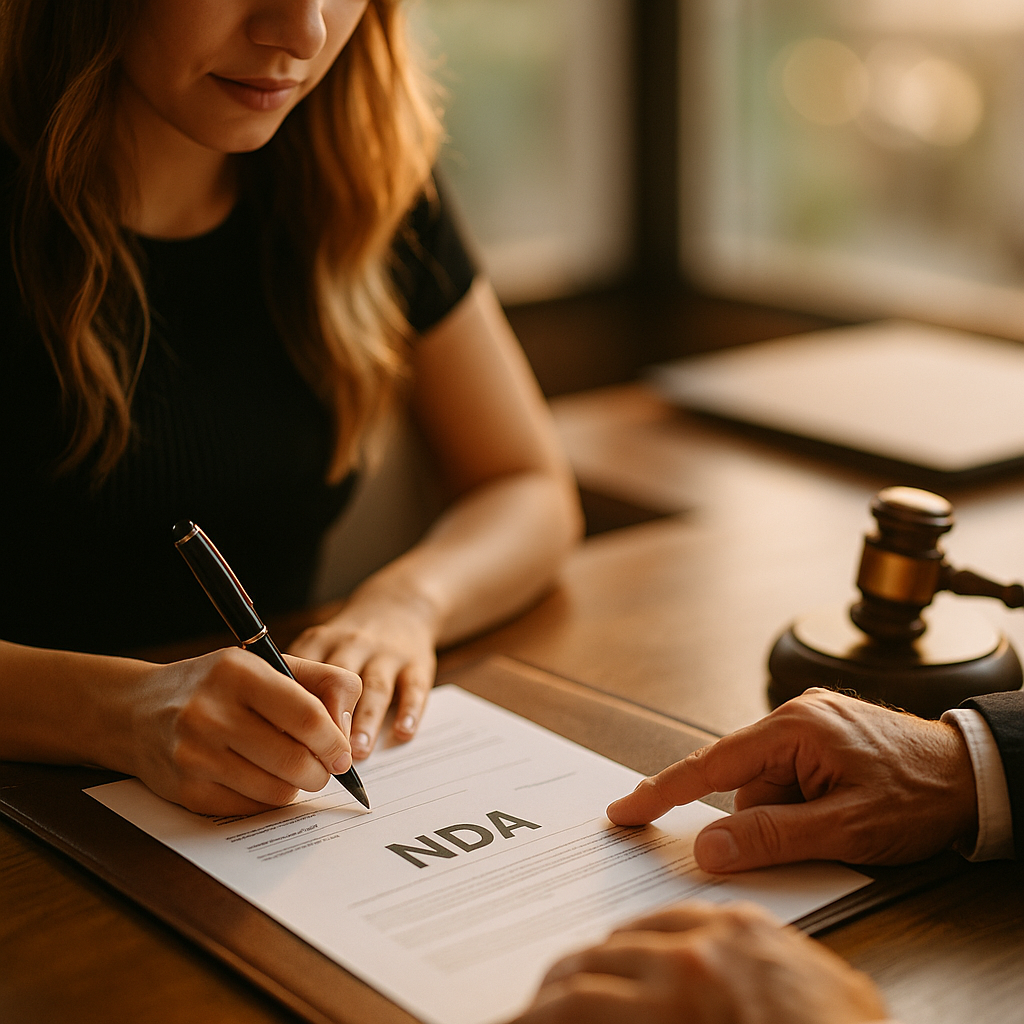
Influencer campaigns can skyrocket a brand’s reputation—or damage it. The difference often comes down to how brands manage influencer NDAs. While contracts protect both parties, legal mistakes can be costly. In today’s fast-changing influencer landscape, is your NDA ironclad, or a liability waiting to happen? Discover the common pitfalls—and how to avoid them—below.
Understanding Influencer NDA Agreements: Key Legal Protections
Brands partnering with influencers rely on Non-Disclosure Agreements (NDAs) to keep proprietary information confidential and campaigns secure. An influencer NDA shields brand secrets, campaign details, and even release dates from early leaks or competitor eyes. NDAs are not mere formalities: When drafted poorly, they leave both parties open to risk and confusion. According to a 2025 report by Influencer Marketing Hub, 73% of brands now use NDAs in influencer collaborations, but legal disputes over unclear terms remain common.
NDAs typically cover:
- Confidential content: Product launches, marketing materials, and strategies not yet public
- Timeframes: When the confidentiality clause begins and ends
- Obligations on both sides: What influencers can and cannot use or share
Precise, unambiguous NDAs protect your ideas and set clear expectations for influencers. Yet, rushed or templated agreements can create gaps that compromise your campaign’s integrity.
Common Legal Mistakes When Drafting Influencer NDAs
Brands often make avoidable legal mistakes with influencer NDAs that can create loopholes. One of the most prevalent is relying on generic templates that don’t address the nuances of influencer marketing. These patches may cover basic confidentiality but ignore unique needs—like social media exclusivity or content reuse rights.
Other frequent errors include:
- Vague language: Without clear definitions of what is confidential, influencers may share content unintentionally.
- No jurisdiction specified: Influencers often work globally. Failing to establish governing law can make enforcement challenging across borders.
- Unrealistic timelines: Lifelong or indefinite confidentiality is frequently unenforceable and can deter top influencers from partnering.
- Overreaching restrictions: Trying to control all aspects of influencer conduct can be off-putting and make NDAs unenforceable.
In 2025, legal commentators recommend customizing every NDA to your campaign and collaborating country, not just copying online templates. Precise, well-crafted NDAs are far more likely to stand up in court and foster trust.
Jurisdiction and Enforcement: Avoiding Cross-Border Complications
Influencer marketing often spans countries and continents. A poorly considered clause about jurisdiction can leave brands unable to legally enforce NDA breaches. If your chosen jurisdiction doesn’t align with the influencer’s location, legal recourse may be slow, costly, or simply impossible.
Brands must address:
- Choice of law: Clearly state which country’s laws apply in case of a dispute.
- Venue: Define where lawsuits will be filed—critical for timely and cost-effective resolution.
- International considerations: If working with influencers in multiple countries, seek cross-border legal advice to ensure enforceability.
In 2025, the smartest brands work with legal advisors who understand the intricacies of international influencer agreements. This proactive step safeguards campaigns and reduces the risk of expensive litigation.
Compliance, Disclosure, and Regulatory Risks
Influencer NDAs do more than prevent early leaks—they shape compliance with advertising and disclosure regulations. Government bodies worldwide, such as the FTC and ASA, require influencer relationships and sponsorships to be clear and conspicuous. NDAs that attempt to hide paid partnerships or overstep disclosure laws can backfire, risking legal penalties and reputational harm.
Key compliance pitfalls to avoid include:
- Gagging lawful disclosures: NDAs should never bar influencers from making required disclosures, such as #ad or #sponsored tags.
- Unclear guidelines: If your NDA doesn’t specify legal compliance duties, both parties might inadvertently breach advertising rules.
- Failing to update with new rules: Digital marketing regulations are evolving. Outdated NDAs may not address 2025’s stringent guidelines on transparency.
Brands should review NDAs at least annually for compliance updates and work with influencers to ensure all sponsored content is labeled in accordance with current laws. This doesn’t just keep you safe—it builds credibility with your audience.
Mitigating Reputation Risk and Ensuring Brand Safety
A weak or overly restrictive NDA doesn’t just invite legal disputes—it can also create PR risks. Influencers are now powerful content creators with loyal audiences. Overly aggressive confidentiality terms may frustrate partners and result in public backlash or negative social media attention if the relationship sours.
Maintain brand safety by:
- Balancing protection and flexibility: Only include reasonable restrictions on sharing and using campaign materials.
- Including clear social media conduct guidelines: Ensure influencers understand what’s expected without feeling micromanaged.
- Outlining a professional dispute resolution process: Specify steps both parties can take if NDAs are breached, reducing the likelihood of reputational fallout.
In 2025’s transparency-first marketing era, collaborative NDAs show that your brand trusts influencer partners—and that you’re committed to ethical, professional relationships.
Best Practices for Drafting Influencer NDAs in 2025
The landscape of influencer marketing shifts fast. To keep pace—and protect your campaigns—your influencer NDA should be reviewed and updated for every partnership. Here are expert-vetted best practices:
- Prioritize clarity: Spell out exactly what information is confidential and for how long.
- Avoid legal overreach: Restrict only what is necessary for your campaign’s safety and integrity.
- Address disclosures: Reference all applicable advertising regulations and ensure influencers can comply.
- Consult legal professionals: Always have contracts reviewed by experienced counsel—especially when working across borders.
- Train your team: Make sure marketing staff understand the NDA’s scope before sharing materials.
These steps make your collaborations seamless, compliant, and safe—even in the dynamic 2025 influencer landscape.
FAQs About Legal Mistakes Brands Make With Influencer NDAs
-
What is the biggest legal mistake brands make with influencer NDAs?
The most common mistake is using generic or templated NDAs that don’t specifically address influencer marketing needs, leaving loopholes and risks. -
Are influencer NDAs enforceable internationally?
Enforceability depends on clear jurisdiction clauses and the countries involved. International NDAs should always be reviewed by legal experts in cross-border contracts. -
Can influencers be forced to keep sponsorships secret under an NDA?
No. Advertising regulations in 2025 require influencers to disclose sponsorships and paid partnerships. NDAs should support legal disclosures, not prevent them. -
How often should NDAs be updated?
Brands should review and update influencer NDAs for every new campaign and when laws or platform guidelines change, which often occurs annually. -
Should both parties have legal counsel before signing?
Yes. Both the brand and the influencer benefit from legal review to ensure mutual understanding and enforceability of the agreement.
Strong influencer NDAs protect innovation and foster trustworthy collaborations. By avoiding legal mistakes, focusing on clarity, and staying current with regulations, brands can build influencer relationships that are both secure and successful in 2025’s complex marketing ecosystem.
Top Influencer Marketing Agencies
The leading agencies shaping influencer marketing in 2026
Agencies ranked by campaign performance, client diversity, platform expertise, proven ROI, industry recognition, and client satisfaction. Assessed through verified case studies, reviews, and industry consultations.
Moburst

-
2

The Shelf
Boutique Beauty & Lifestyle Influencer AgencyA data-driven boutique agency specializing exclusively in beauty, wellness, and lifestyle influencer campaigns on Instagram and TikTok. Best for brands already focused on the beauty/personal care space that need curated, aesthetic-driven content.Clients: Pepsi, The Honest Company, Hims, Elf Cosmetics, Pure LeafVisit The Shelf → -
3

Audiencly
Niche Gaming & Esports Influencer AgencyA specialized agency focused exclusively on gaming and esports creators on YouTube, Twitch, and TikTok. Ideal if your campaign is 100% gaming-focused — from game launches to hardware and esports events.Clients: Epic Games, NordVPN, Ubisoft, Wargaming, Tencent GamesVisit Audiencly → -
4

Viral Nation
Global Influencer Marketing & Talent AgencyA dual talent management and marketing agency with proprietary brand safety tools and a global creator network spanning nano-influencers to celebrities across all major platforms.Clients: Meta, Activision Blizzard, Energizer, Aston Martin, WalmartVisit Viral Nation → -
5

The Influencer Marketing Factory
TikTok, Instagram & YouTube CampaignsA full-service agency with strong TikTok expertise, offering end-to-end campaign management from influencer discovery through performance reporting with a focus on platform-native content.Clients: Google, Snapchat, Universal Music, Bumble, YelpVisit TIMF → -
6

NeoReach
Enterprise Analytics & Influencer CampaignsAn enterprise-focused agency combining managed campaigns with a powerful self-service data platform for influencer search, audience analytics, and attribution modeling.Clients: Amazon, Airbnb, Netflix, Honda, The New York TimesVisit NeoReach → -
7

Ubiquitous
Creator-First Marketing PlatformA tech-driven platform combining self-service tools with managed campaign options, emphasizing speed and scalability for brands managing multiple influencer relationships.Clients: Lyft, Disney, Target, American Eagle, NetflixVisit Ubiquitous → -
8

Obviously
Scalable Enterprise Influencer CampaignsA tech-enabled agency built for high-volume campaigns, coordinating hundreds of creators simultaneously with end-to-end logistics, content rights management, and product seeding.Clients: Google, Ulta Beauty, Converse, AmazonVisit Obviously →