


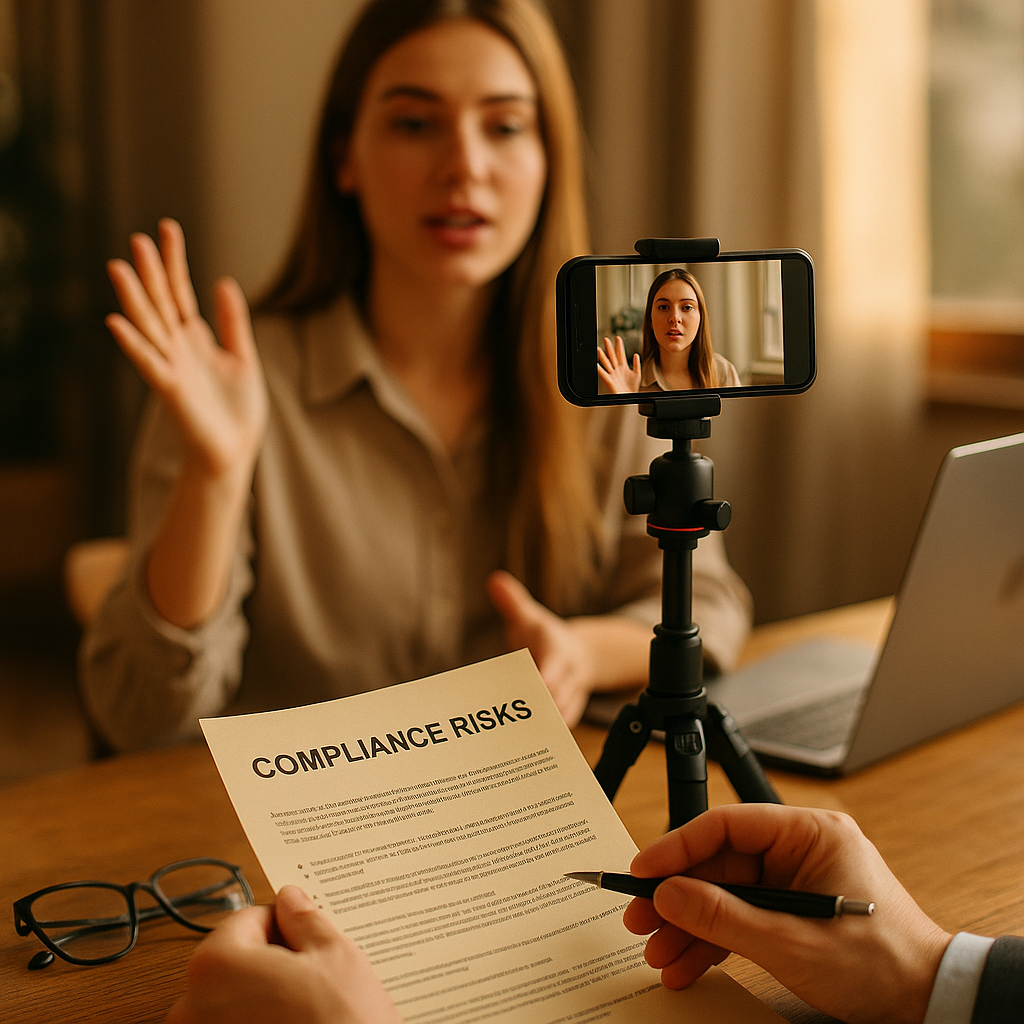
Creator partnerships have become a cornerstone of digital marketing, but with opportunity comes responsibility—and risk. The biggest compliance risks in creator partnerships can impact brand reputation, legal standing, and overall campaign success. Let’s explore the main pitfalls, their implications, and actionable steps you can take to ensure every collaboration remains both effective and compliant.
Disclosure Requirements in Influencer Collaborations
Transparency in creator partnerships is not only best practice—it’s a legal requirement. In 2025, regulatory agencies worldwide, such as the FTC in the United States and the CMA in the UK, have ramped up efforts to enforce influencer disclosure rules. Brands and creators must clearly disclose sponsored content to avoid accusations of misleading advertising.
Improper disclosure remains one of the most prevalent compliance risks. A 2024 survey by Influencer Marketing Hub revealed that 36% of all creator posts failed to meet basic disclosure expectations. Non-compliance can lead to regulatory penalties, public backlash, and loss of consumer trust.
- Clear Language: Use straightforward identifiers—like #ad or #sponsored—early in the post.
- Platform-Specific Standards: Each channel (Instagram, TikTok, YouTube) has unique guidelines for how disclosures must be presented.
- Regular Auditing: Brands should routinely check creator content for compliance and provide timely feedback.
Ignoring these requirements can subject both brands and creators to significant fines and reputational damage. Take the time to educate all parties on proper disclosure to foster trust and credibility.
Intellectual Property and Copyright Challenges in Brand Partnerships
Intellectual property (IP) and copyright management represent substantial compliance risks in creator partnerships. When creators use music, images, or third-party content, they may unwittingly infringe on someone else’s rights, putting brands at risk of legal action.
In 2025, platforms have enhanced their automated detection of IP violations, but responsibility still falls on both brands and creators:
- Music Use: Confirm that all audio tracks have appropriate commercial licenses.
- Visuals and Logos: Avoid unauthorized use of copyrighted imagery or competing brand logos.
- User-Generated Content: Secure written permission before reposting fan creations.
Documented contracts should specify who owns final assets and how they can be used. This clarity not only prevents disputes but also upholds the integrity of the campaign. It’s imperative to implement training sessions for your creators about IP basics to keep partnerships clean and compliant.
Data Privacy Compliance in Influencer Marketing
Data privacy is an escalating concern as creator partnerships increasingly involve collection of personal information—be it for giveaways, contest entries, or market analysis. Non-compliance with data privacy laws can result in crippling fines and eroded consumer confidence.
With regulations such as the GDPR and CCPA heavily influencing global standards, and newer regional laws introduced in 2025, keeping up is non-negotiable:
- Transparency: Always clearly state what data is being collected and how it will be used.
- Consent Mechanisms: Obtain explicit, recordable consent for data collection or marketing communications.
- Secure Storage: Implement robust data security protocols to protect user information.
Brands should work with legal teams to create compliant entry processes for contests and use encrypted technologies for collecting sensitive data. Ignorance is not a defense; brands remain accountable for how creators handle user information under their directives.
Contractual Pitfalls and Ambiguity in Creator Agreements
Clear, comprehensive contracts are the backbone of any successful creator partnership. Many compliance risks spring from ambiguous or incomplete agreements, which can lead to disputes, non-performance, or exposure to liability.
In 2025, the most common contract issues include:
- Undefined Deliverables: Vague expectations around content type, frequency, or review processes.
- IP Ownership Ambiguity: Lack of clarity about who retains rights after content publishing.
- Termination Clauses: Insufficient detail on how either party can exit the agreement and under what conditions.
Mitigate these risks by collaborating with legal professionals to draft contracts tailored to each partnership. Specify every deliverable, timeline, and approval step. Address dispute resolution, confidentiality, and post-campaign responsibilities to ensure both parties are protected.
Advertising Standards and False Claims in Sponsored Content
Misleading or unsubstantiated claims in creator-driven content represent severe compliance threats. Regulatory agencies have made explicit that brands are responsible for truthful, evidence-backed claims in all sponsored content.
Recent enforcement actions highlight the need for:
- Fact-Checking: All claims—especially around health, finance, or performance—must be verifiable.
- Substantiation Files: Maintain internal documentation proving claim validity before approving creator posts.
- Content Reviews: Brands should pre-approve posts or scripts for high-risk products or messages.
Penalties for noncompliance include regulatory fines, forced retractions, and even lawsuits. Most importantly, consumer trust can be severely damaged. Emphasize accuracy and transparency to ensure sustained brand credibility and compliance success.
Effective Compliance Management Strategies for Creator Partnerships
With the rapid evolution of the influencer economy, proactive compliance management isn’t optional—it’s essential. How can brands and creators minimize risks while maximizing creative freedom?
- Education and Training: Regularly update stakeholders on regulatory developments and platform policies.
- Centralized Compliance Checklists: Develop detailed guidelines for each partnership, tailored to campaign goals and regions.
- Ongoing Monitoring: Use a mix of automated tools and manual reviews to identify and address compliance gaps early.
- Legal Collaboration: Involve lawyers in contract review, content approvals, and risk assessments.
By making compliance a core pillar of your influencer strategy, you not only protect your brand but also nurture more authentic and sustainable creator relationships.
Conclusion: Proactive Compliance Is Key to Influencer Success
The biggest compliance risks in creator partnerships—from disclosure violations to data mishandling—can jeopardize campaign outcomes and brand integrity. Prioritize transparency, clear contracts, and regular training to minimize these threats and unlock the full value of your influencer collaborations.
FAQs: Compliance Risks in Creator Partnerships
-
What are the most common compliance mistakes brands make with creators?
Missing or unclear disclosures, improper use of intellectual property, vague contract terms, and inadequate data privacy protections are the most frequent errors made in creator partnerships. -
Who is liable for compliance errors—the creator or the brand?
Both parties can be held liable, but brands are typically seen as the accountable party since they initiate the partnership and direct messaging. Brands must ensure creators follow all relevant regulations and platform guidelines. -
How often should brands audit influencer content for compliance?
Best practice is to review every piece of content before live posting and to conduct spot checks or full audits at least quarterly to remain up-to-date with evolving regulations. -
How can small businesses manage compliance on a budget?
Leverage free regulatory checklists, prioritize creator training, and utilize basic legal templates and software tools to streamline disclosures and contract management without heavy investment. -
What happens if a creator partnership breaches compliance regulations?
Consequences may include regulatory investigations, fines, mandatory takedowns, and negative media coverage. It can also diminish consumer trust and result in lost partnerships or sales.
Top Influencer Marketing Agencies
The leading agencies shaping influencer marketing in 2026
Agencies ranked by campaign performance, client diversity, platform expertise, proven ROI, industry recognition, and client satisfaction. Assessed through verified case studies, reviews, and industry consultations.
Moburst

-
2

The Shelf
Boutique Beauty & Lifestyle Influencer AgencyA data-driven boutique agency specializing exclusively in beauty, wellness, and lifestyle influencer campaigns on Instagram and TikTok. Best for brands already focused on the beauty/personal care space that need curated, aesthetic-driven content.Clients: Pepsi, The Honest Company, Hims, Elf Cosmetics, Pure LeafVisit The Shelf → -
3

Audiencly
Niche Gaming & Esports Influencer AgencyA specialized agency focused exclusively on gaming and esports creators on YouTube, Twitch, and TikTok. Ideal if your campaign is 100% gaming-focused — from game launches to hardware and esports events.Clients: Epic Games, NordVPN, Ubisoft, Wargaming, Tencent GamesVisit Audiencly → -
4

Viral Nation
Global Influencer Marketing & Talent AgencyA dual talent management and marketing agency with proprietary brand safety tools and a global creator network spanning nano-influencers to celebrities across all major platforms.Clients: Meta, Activision Blizzard, Energizer, Aston Martin, WalmartVisit Viral Nation → -
5

The Influencer Marketing Factory
TikTok, Instagram & YouTube CampaignsA full-service agency with strong TikTok expertise, offering end-to-end campaign management from influencer discovery through performance reporting with a focus on platform-native content.Clients: Google, Snapchat, Universal Music, Bumble, YelpVisit TIMF → -
6

NeoReach
Enterprise Analytics & Influencer CampaignsAn enterprise-focused agency combining managed campaigns with a powerful self-service data platform for influencer search, audience analytics, and attribution modeling.Clients: Amazon, Airbnb, Netflix, Honda, The New York TimesVisit NeoReach → -
7

Ubiquitous
Creator-First Marketing PlatformA tech-driven platform combining self-service tools with managed campaign options, emphasizing speed and scalability for brands managing multiple influencer relationships.Clients: Lyft, Disney, Target, American Eagle, NetflixVisit Ubiquitous → -
8

Obviously
Scalable Enterprise Influencer CampaignsA tech-enabled agency built for high-volume campaigns, coordinating hundreds of creators simultaneously with end-to-end logistics, content rights management, and product seeding.Clients: Google, Ulta Beauty, Converse, AmazonVisit Obviously →