


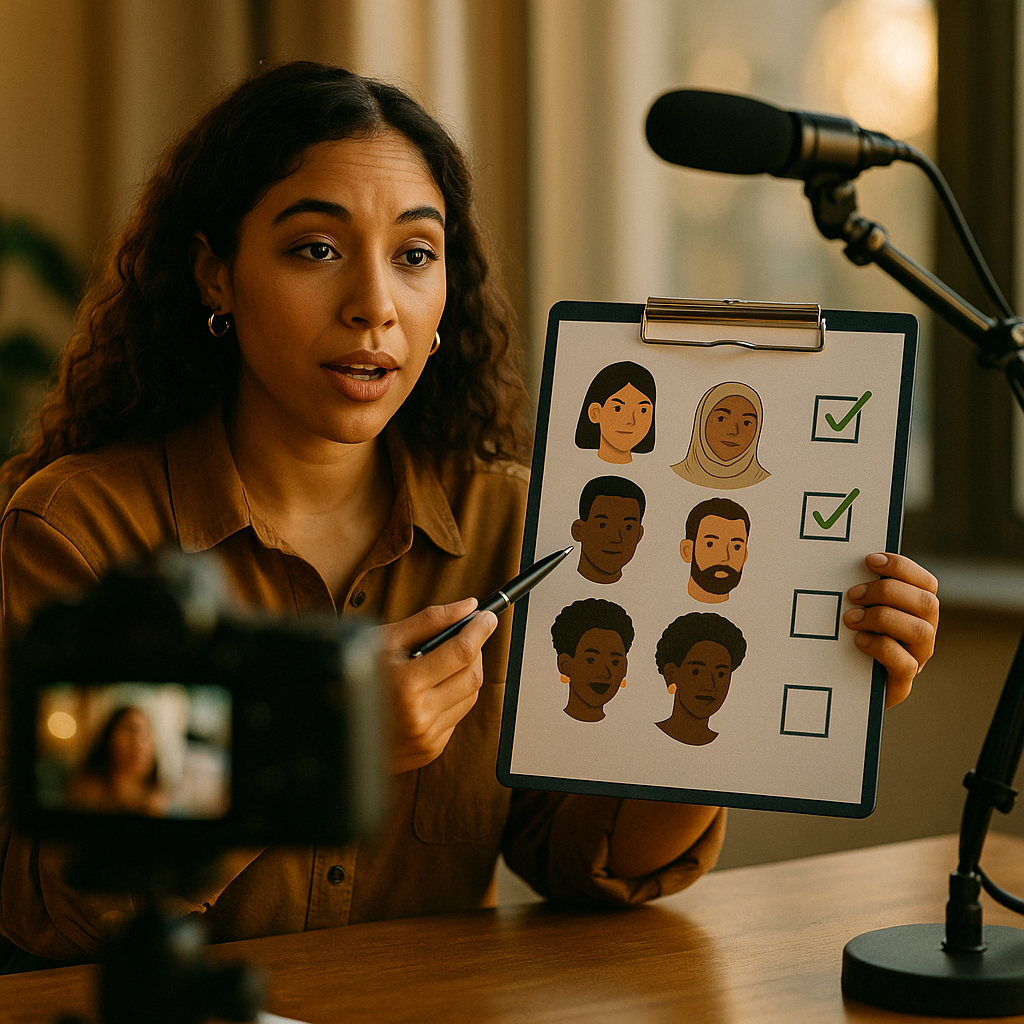
Key compliance rules for creator cultural sensitivity have never been more crucial for individuals and brands engaging online. As global audiences expand in 2025, creators must balance freedom of expression with respect for diverse backgrounds, cultures, and beliefs. What rules and best practices should every creator follow to ensure respectful, inclusive content? Let’s dive in and find out.
Understanding Cultural Sensitivity in Content Creation
Cultural sensitivity means acknowledging and valuing differences in beliefs, practices, language, and traditions. In the creator economy, respecting these differences isn’t simply an ethical choice—it is a foundational compliance requirement. With audiences hailing from various backgrounds, creators who ignore cultural nuances risk reputational harm and even legal violations.
According to a 2024 Pew Research study, 72% of internet users prefer brands and creators who demonstrate cultural awareness. By developing a robust understanding of cultural sensitivity, creators can connect authentically while reducing the risk of backlash or accidental offense.
Avoiding Cultural Appropriation: Essential Compliance Strategies
One of the most significant issues for content creators is cultural appropriation—using elements of another culture without respect or proper context. To comply with today’s digital standards, creators need to:
- Research thoroughly: Before referencing or featuring another culture, investigate the history, meaning, and significance of symbols or practices.
- Seek input when possible: Collaborate with individuals from the culture represented, allowing for authenticity and respect.
- Credit and compensate: When using cultural content, always credit the origins and ensure fair compensation where due.
- Check legal restrictions: Some cultural symbols or stories are protected by copyright or require specific permissions.
Following these compliance strategies helps creators demonstrate respect and reduce potential negative consequences, including content takedowns or banned accounts.
Respecting Global and Local Compliance Regulations
Creators often publish content for international audiences, each with unique regulations and sensitivities. In 2025, platforms and governments have intensified scrutiny over online cultural representation. To stay compliant, consider:
- Recognize hate speech and banned content: What is acceptable in one country may be forbidden elsewhere.
- Understand platform-specific guidelines: Platforms like YouTube and Instagram frequently update policies regarding offensive or insensitive material.
- Consult cultural advisory boards: Many brands and influencers partner with experts on local customs and legal frameworks.
This careful approach boosts trust and credibility and helps creators establish a positive, legal online presence.
Incorporating Genuine Inclusion and Representation
EEAT (Experience, Expertise, Authoritativeness, and Trustworthiness) perspectives emphasize genuine inclusion as a key element of cultural sensitivity. In 2025, representation means more than a token gesture—it must be meaningful and authentic. Key strategies include:
- Showcase diverse voices: Include collaborators, guests, or community members from the cultures you feature.
- Address stereotypes directly: Avoid perpetuating clichés. Instead, present nuanced and realistic portrayals.
- Offer context and education: Educate your audience about the origin and importance of cultural elements included in your content.
Authentic representation directly correlates with audience loyalty, higher engagement, and a lower risk of compliance violations.
Establishing Internal Compliance Guidelines and Training
To ensure ongoing cultural sensitivity, creators and teams should maintain up-to-date internal guidelines. Consider the following steps:
- Conduct regular training: Educate yourself and your team about emerging cultural topics and sensitivities.
- Develop a review process: Use content checklists or peer review to catch potential issues before publishing.
- Stay informed on trends: Social norms evolve, as do platform and legal requirements. Monitor reliable sources for updates.
- Welcome constructive feedback: Establish open channels for audiences to share concerns or experiences of offense.
Creatively, these measures boost confidence and quality. Legally, they form part of a robust compliance framework essential for sustained success.
Monitoring and Responding to Cultural Sensitivity Issues
No creator or brand is immune to mistakes. The critical factor is how you respond. In 2025, best practices include:
- Swift acknowledgment: If feedback indicates insensitivity, acknowledge it promptly and transparently.
- Issue corrective statements: Provide clear updates or retractions, outlining steps to prevent recurrence.
- Engage in dialogue: Foster open communication with affected communities, showing genuine willingness to learn.
- Update your guidelines: Use incidents as educational opportunities to strengthen your compliance measures.
Effective crisis response not only minimizes reputational harm but can also transform mistakes into opportunities for deeper trust.
Conclusion
In 2025, applying key compliance rules for creator cultural sensitivity is indispensable for building trust, authenticity, and reach. Respect, thorough research, and robust internal processes protect both creators and audiences. By prioritizing genuine representation and responsiveness, creators can thrive in an increasingly interconnected digital world.
FAQs
- What is creator cultural sensitivity?
Creator cultural sensitivity involves understanding and respecting diverse cultures, beliefs, and traditions in content production. - How can I avoid cultural appropriation in my content?
Research thoroughly, collaborate with cultural insiders, credit appropriately, and seek permissions where necessary. Avoid using cultural elements without understanding their significance. - Why is inclusion important in content creation?
Inclusion builds trust, expands audience engagement, and reduces the risk of compliance violations by representing diverse perspectives authentically. - What should I do if my content is seen as culturally insensitive?
Acknowledge mistakes quickly, provide clear corrections, and commit to continuous learning and improvement based on feedback. - How often should I review cultural sensitivity guidelines?
Review regularly—at least every six months—or whenever major platform or legal updates are released to ensure ongoing compliance and relevance.
Top Influencer Marketing Agencies
The leading agencies shaping influencer marketing in 2026
Agencies ranked by campaign performance, client diversity, platform expertise, proven ROI, industry recognition, and client satisfaction. Assessed through verified case studies, reviews, and industry consultations.
Moburst

-
2

The Shelf
Boutique Beauty & Lifestyle Influencer AgencyA data-driven boutique agency specializing exclusively in beauty, wellness, and lifestyle influencer campaigns on Instagram and TikTok. Best for brands already focused on the beauty/personal care space that need curated, aesthetic-driven content.Clients: Pepsi, The Honest Company, Hims, Elf Cosmetics, Pure LeafVisit The Shelf → -
3

Audiencly
Niche Gaming & Esports Influencer AgencyA specialized agency focused exclusively on gaming and esports creators on YouTube, Twitch, and TikTok. Ideal if your campaign is 100% gaming-focused — from game launches to hardware and esports events.Clients: Epic Games, NordVPN, Ubisoft, Wargaming, Tencent GamesVisit Audiencly → -
4

Viral Nation
Global Influencer Marketing & Talent AgencyA dual talent management and marketing agency with proprietary brand safety tools and a global creator network spanning nano-influencers to celebrities across all major platforms.Clients: Meta, Activision Blizzard, Energizer, Aston Martin, WalmartVisit Viral Nation → -
5

The Influencer Marketing Factory
TikTok, Instagram & YouTube CampaignsA full-service agency with strong TikTok expertise, offering end-to-end campaign management from influencer discovery through performance reporting with a focus on platform-native content.Clients: Google, Snapchat, Universal Music, Bumble, YelpVisit TIMF → -
6

NeoReach
Enterprise Analytics & Influencer CampaignsAn enterprise-focused agency combining managed campaigns with a powerful self-service data platform for influencer search, audience analytics, and attribution modeling.Clients: Amazon, Airbnb, Netflix, Honda, The New York TimesVisit NeoReach → -
7

Ubiquitous
Creator-First Marketing PlatformA tech-driven platform combining self-service tools with managed campaign options, emphasizing speed and scalability for brands managing multiple influencer relationships.Clients: Lyft, Disney, Target, American Eagle, NetflixVisit Ubiquitous → -
8

Obviously
Scalable Enterprise Influencer CampaignsA tech-enabled agency built for high-volume campaigns, coordinating hundreds of creators simultaneously with end-to-end logistics, content rights management, and product seeding.Clients: Google, Ulta Beauty, Converse, AmazonVisit Obviously →