


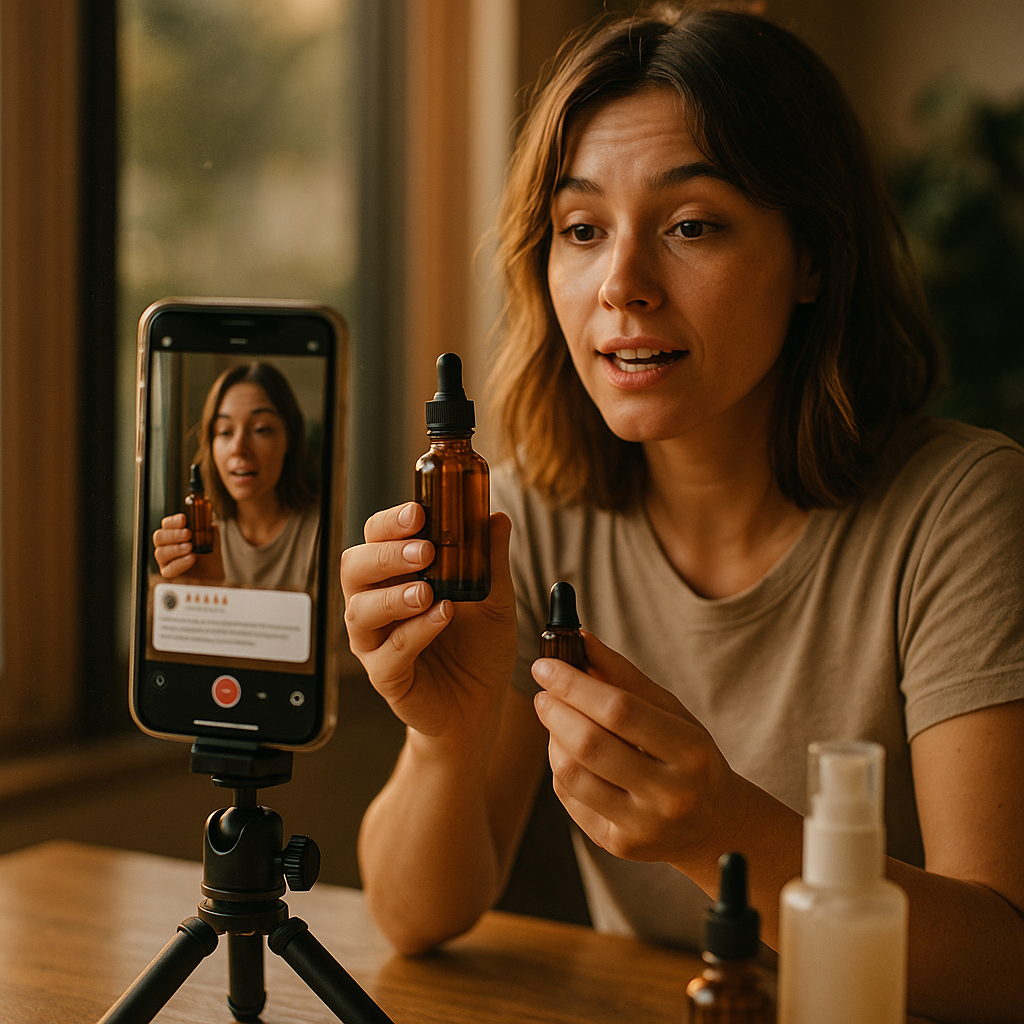
Why Review-Based Creators Drive High Conversion is a question every digital marketer and brand leader should ask. In 2025, the landscape of online sales has shifted to prioritize trust and transparency. Understanding how review content moves consumers to act reveals a blueprint for next-level marketing success.
The Power of Social Proof in Review-Based Content
Social proof is a cornerstone of effective online marketing, and review-based creators leverage this principle masterfully. When consumers see authentic product reviews—especially from respected influencers and creators—they’re more likely to trust the recommendation. According to a 2025 BrightLocal survey, 91% of shoppers trust online reviews as much as personal recommendations.
Review-based creators offer credibility by sharing real experiences. Their honest insights foster confidence, especially for new or uncertain buyers who might hesitate before purchasing. This trust translates directly to conversion, with consumers feeling reassured they’re making informed decisions, not falling for marketing hype.
Authenticity and Relatability Fuel Engagement
The secondary keyword, creator authenticity, plays a vital role in driving conversion. Audiences respond to genuine voices who speak from experience, not just sponsorship. Review-based creators typically show both the positives and negatives of a product, allowing users to see the full picture.
This authenticity encourages higher engagement rates. When creators are relatable and transparent, viewers feel less like they’re being sold to and more like they’re hearing useful advice from a friend. This approach breaks down the barriers of traditional advertising, resulting in significantly higher click-through and purchase rates.
Permissionless Selling and Lower Buyer Resistance
Permissionless selling is a modern strategy where buyers feel empowered to make their own choices without direct pressure. Review-based creators create this environment. Their content offers the details necessary for purchase—features, benefits, drawbacks—while giving viewers the autonomy to decide if the product is right for them.
This contrasts sharply with intrusive ads or hard-sell techniques. By lowering buyer resistance, review-based creators enable viewers to convert when they’re ready, which increases satisfaction and reduces refund rates. Brands using review-based creators in their campaigns consistently see a reduction in abandoned carts and better post-purchase experiences.
Optimized Content for Every Customer Touchpoint
Successful review-based marketing isn’t limited to a single platform or format. Creators distribute reviews across YouTube, TikTok, Instagram, blogs, and emerging channels, ensuring multichannel conversion. Each platform caters to a unique segment of buyers at various stages of their journey. For example:
- In-depth YouTube reviews: Help indecisive shoppers understand the product fully before buying.
- Quick TikTok testimonials: Capture impulse buyers seeking peer validation.
- Trust-building blog posts: Provide SEO-friendly content for long-term discovery.
This omnichannel approach maximizes reach and offers continuous opportunities for consumers to engage and convert, no matter where they spend their time online.
Leveraging Data to Optimize Conversion
Review-based creators increasingly rely on performance analytics to fine-tune their approach. By analyzing click-through rates, time spent on content, and user comments, creators identify the most persuasive points and eliminate friction. For example, a 2025 Influencer Marketing Hub report revealed that tailoring product links and time-stamping key moments in reviews boosted conversion rates by up to 34%.
Brands also use detailed feedback to improve their offerings and customer experience, creating a feedback loop that enhances both content and product quality. Data-driven iteration ensures that review-based content continually adapts to market demands—keeping conversion rates at the forefront.
The Win-Win: Benefits for Both Brands and Audiences
Review-based creators bridge brands and consumers more effectively than traditional ads. Brands benefit from user-generated content that builds social proof, improves SEO, and expands reach. Consumers gain access to unbiased info that empowers smarter choices, reducing risk.
This symbiotic relationship leads to loyal communities, higher repeat purchases, and better brand sentiment. In 2025, as competition intensifies, review-based creators stand out as essential partners in conversion-driven marketing strategies.
FAQs about Why Review-Based Creators Drive High Conversion
-
Why do review-based creators outperform traditional ads in conversion?
Review-based creators offer trusted, authentic peer perspectives that resonate more than scripted ads, reducing skepticism and boosting purchase confidence. -
Are review-based creators effective across all industries?
Yes, they perform strongly in sectors where consumer research is common—such as tech, beauty, food, and even B2B services. -
How do brands measure the ROI of review-based creator campaigns?
Brands track metrics like affiliate clicks, conversion rates, and social engagement. Advanced tracking tools in 2025 allow for granular breakdowns by content type, platform, and audience segment. -
Can smaller brands benefit from partnering with review-based creators?
Absolutely. Micro-influencers and niche reviewers often drive high-intent conversions among targeted communities, offering cost-effective options for startups. -
What’s the biggest challenge in using review-based creators?
Maintaining authenticity is key. Brands must allow creators editorial freedom and avoid over-scripting to retain audience trust and response.
Conclusion: Brands that harness the power of review-based creators in 2025 enjoy higher trust, engagement, and conversion. Authenticity, social proof, and data-driven strategies place review-based creators at the center of results-driven marketing. Leverage this model for accelerated growth and genuine, lasting customer relationships.
Top Influencer Marketing Agencies
The leading agencies shaping influencer marketing in 2026
Agencies ranked by campaign performance, client diversity, platform expertise, proven ROI, industry recognition, and client satisfaction. Assessed through verified case studies, reviews, and industry consultations.
Moburst

-
2

The Shelf
Boutique Beauty & Lifestyle Influencer AgencyA data-driven boutique agency specializing exclusively in beauty, wellness, and lifestyle influencer campaigns on Instagram and TikTok. Best for brands already focused on the beauty/personal care space that need curated, aesthetic-driven content.Clients: Pepsi, The Honest Company, Hims, Elf Cosmetics, Pure LeafVisit The Shelf → -
3

Audiencly
Niche Gaming & Esports Influencer AgencyA specialized agency focused exclusively on gaming and esports creators on YouTube, Twitch, and TikTok. Ideal if your campaign is 100% gaming-focused — from game launches to hardware and esports events.Clients: Epic Games, NordVPN, Ubisoft, Wargaming, Tencent GamesVisit Audiencly → -
4

Viral Nation
Global Influencer Marketing & Talent AgencyA dual talent management and marketing agency with proprietary brand safety tools and a global creator network spanning nano-influencers to celebrities across all major platforms.Clients: Meta, Activision Blizzard, Energizer, Aston Martin, WalmartVisit Viral Nation → -
5

The Influencer Marketing Factory
TikTok, Instagram & YouTube CampaignsA full-service agency with strong TikTok expertise, offering end-to-end campaign management from influencer discovery through performance reporting with a focus on platform-native content.Clients: Google, Snapchat, Universal Music, Bumble, YelpVisit TIMF → -
6

NeoReach
Enterprise Analytics & Influencer CampaignsAn enterprise-focused agency combining managed campaigns with a powerful self-service data platform for influencer search, audience analytics, and attribution modeling.Clients: Amazon, Airbnb, Netflix, Honda, The New York TimesVisit NeoReach → -
7

Ubiquitous
Creator-First Marketing PlatformA tech-driven platform combining self-service tools with managed campaign options, emphasizing speed and scalability for brands managing multiple influencer relationships.Clients: Lyft, Disney, Target, American Eagle, NetflixVisit Ubiquitous → -
8

Obviously
Scalable Enterprise Influencer CampaignsA tech-enabled agency built for high-volume campaigns, coordinating hundreds of creators simultaneously with end-to-end logistics, content rights management, and product seeding.Clients: Google, Ulta Beauty, Converse, AmazonVisit Obviously →