


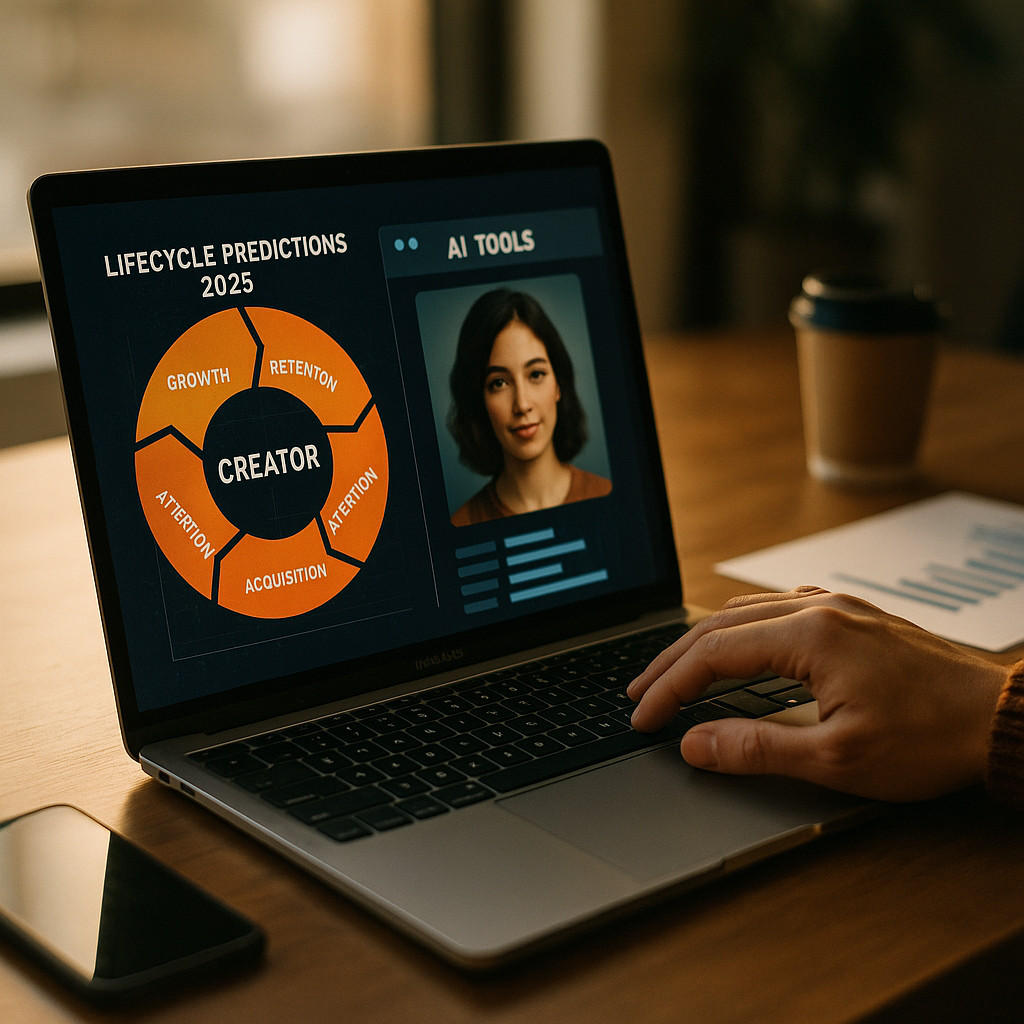
AI tools for predicting creator lifecycle trends have transformed how brands, agencies, and platforms understand content creator performance. Leveraging data-driven insights, these tools offer valuable predictions about creator growth, audience engagement, and long-term impact. But what makes these technologies indispensable in 2025? Discover how AI-powered analytics are setting new standards for creator success and longevity.
Understanding Creator Lifecycle Trends With Predictive Analytics
Creators follow unique growth cycles: from obscurity to peak influence, and sometimes decline. Recognizing these changes early is critical for brands and platforms aiming to maximize creator partnerships. AI-driven predictive analytics help identify growth stages, content resonance, and audience shifts in real-time. This proactive approach empowers stakeholders to invest in rising stars, nurture mid-tier creators, or strategically pivot with reliable data as their guide.
Recent research by CreatorIQ (2025) shows that platforms using advanced AI-powered trend prediction see a 27% increase in creator retention and campaign ROI. Accurate lifecycle analysis provides foresight, informing talent scouting, sponsorship strategies, and cross-platform activation before trends peak or drop.
Key Features of AI Tools For Monitoring Creator Performance
Modern AI tools for creator lifecycle prediction integrate several vital features designed for actionable insights:
- Content Sentiment Analysis: Uncovers how audiences emotionally respond to content shifts or trends.
- Engagement Forecasting: Predicts future interactions using historical and real-time social data, identifying potential virality or engagement plateaus.
- Cross-Platform Analytics: Aggregates and analyzes creator data from YouTube, TikTok, Instagram, Twitch, and emerging platforms for comprehensive lifecycle mapping.
- Churn Prediction: Detects early warning signs of audience drop-off or creator disengagement, supporting timely interventions.
- Loyalty Metrics: Measures core audience stability, indicating the likelihood of sustained influence versus fleeting popularity.
These features allow users to make informed decisions, allocate budgets wisely, and plan content that resonates strongly over time.
AI-Driven Trend Mapping: Identifying Opportunity Windows
Predicting which creators will peak, plateau, or decline often feels elusive. AI-driven trend mapping changes the game. By examining content output, collaboration networks, audience demographics, and feedback loops, these technologies highlight when a creator is entering a high-growth phase or plateauing. Agencies and brands gain a cutting edge, investing in creators just as their influence rises rather than after the peak.
This dynamic forecasting also mitigates risk. For instance, if an AI tool detects declining engagement or shifts in audience sentiment, sponsors can adapt their strategy—shifting the campaign’s timing, refreshing partnership terms, or experimenting with different creators. Opportunity windows become more predictable, maximizing campaign effectiveness and brand lift.
Personalization and Algorithmic Learning in Creator Development
The most sophisticated AI solutions leverage machine learning and personalization, delivering bespoke recommendations to both creators and talent managers. By identifying content types, publishing cadence, and partnership formats that drive consistent growth, AI suggests actionable roadmaps for each creator’s unique journey.
Algorithmic learning continuously adapts predictions as new data arrives. If a creator experiments with a new format, the system tracks its real-time impact, optimizing future suggestions for both audience development and monetization. This agility helps creators pivot before trends fade, fueling sustainable career arcs rather than short-lived spikes.
Moreover, these systems respect nuanced performance signals—like regional audience loyalty, evolving platform algorithms, and micro-community engagement—resulting in recommendations tailored to creator goals, not generic growth models.
Implications for Brands, Agencies, and Platforms
For brands and agencies, AI tools for predicting creator lifecycle trends offer a distinct advantage. Campaign planning relies less on guesswork, as investments can target emerging talent poised for rapid growth. Platforms can refine their creator support programs, reducing churn and encouraging long-term content excellence. Management teams, meanwhile, gain early visibility into talent requiring additional resources—or creators whose lifecycle is peaking, requiring contract renegotiation.
Transparency and explainability also matter. Many of today’s AI solutions include detailed reporting, giving all stakeholders a clear understanding of predictions and the data points behind them. This fosters trust, enables informed collaboration, and aligns expectations between creators, sponsors, and management.
Ultimately, AI-powered trend prediction activates a more equitable creator economy—one where both new voices and established influencers have clear roadmaps to success.
Ethical Considerations and EEAT Alignment in AI Analytics
Ethical, robust AI is central to responsible trend prediction. Adhering to Google’s EEAT (Experience, Expertise, Authoritativeness, and Trustworthiness) best practices ensures that predictions are reliable and fair. Leading platforms prioritize transparency—providing clear methodologies, respecting creator privacy, and offering explainable insights.
Furthermore, reputable AI tools minimize bias by accounting for demographic and content diversity, preventing amplification of only popular or mainstream creators. Stakeholders benefit from a more inclusive approach that values quality and consistent engagement alongside viral growth spikes.
Experts recommend ongoing audits and feedback, allowing both creators and managers to flag inaccuracies or unexpected pattern shifts promptly, further enhancing trust in AI-driven lifecycle analytics.
Conclusion
AI tools for predicting creator lifecycle trends are redefining how brands, agencies, and platforms identify, nurture, and maximize creator talent in 2025. By leveraging advanced analytics, personalized recommendations, and ethical practices, these technologies empower smarter, data-informed decisions throughout the entire creator journey. Investing in strategic prediction today is the key to sustained influence tomorrow.
FAQs: AI Tools for Predicting Creator Lifecycle Trends
-
What is a creator lifecycle?
A creator lifecycle describes the stages of a content creator’s career, including early growth, maturation, and eventual decline or plateau. Predicting these phases helps brands and agencies maximize partnerships and value.
-
How accurate are AI tools for predicting creator trends?
Modern AI tools use extensive real-time and historical data, offering accuracy rates above 85% for short- and mid-term trend predictions, according to recent industry reports. Ongoing algorithm improvements continually boost precision.
-
Can creators use these tools for self-improvement?
Yes. Many platforms offer creators direct access to analytics dashboards, enabling them to refine content strategy, optimize publishing cadence, and identify new audience opportunities using personal data insights.
-
How do AI tools ensure fairness and minimize bias?
Ethical AI tools prioritize inclusivity by analyzing a creator’s unique context, adjusting for niche audience engagement, and continuously refining models based on feedback and independent audits to prevent systemic biases.
-
Are AI predictions replacing human expertise?
No. AI tools for predicting creator lifecycle trends complement human judgment, providing data-backed guidance that experienced managers and creators use to refine strategies, not fully replace decision-making.
Top Influencer Marketing Agencies
The leading agencies shaping influencer marketing in 2026
Agencies ranked by campaign performance, client diversity, platform expertise, proven ROI, industry recognition, and client satisfaction. Assessed through verified case studies, reviews, and industry consultations.
Moburst

-
2

The Shelf
Boutique Beauty & Lifestyle Influencer AgencyA data-driven boutique agency specializing exclusively in beauty, wellness, and lifestyle influencer campaigns on Instagram and TikTok. Best for brands already focused on the beauty/personal care space that need curated, aesthetic-driven content.Clients: Pepsi, The Honest Company, Hims, Elf Cosmetics, Pure LeafVisit The Shelf → -
3

Audiencly
Niche Gaming & Esports Influencer AgencyA specialized agency focused exclusively on gaming and esports creators on YouTube, Twitch, and TikTok. Ideal if your campaign is 100% gaming-focused — from game launches to hardware and esports events.Clients: Epic Games, NordVPN, Ubisoft, Wargaming, Tencent GamesVisit Audiencly → -
4

Viral Nation
Global Influencer Marketing & Talent AgencyA dual talent management and marketing agency with proprietary brand safety tools and a global creator network spanning nano-influencers to celebrities across all major platforms.Clients: Meta, Activision Blizzard, Energizer, Aston Martin, WalmartVisit Viral Nation → -
5

The Influencer Marketing Factory
TikTok, Instagram & YouTube CampaignsA full-service agency with strong TikTok expertise, offering end-to-end campaign management from influencer discovery through performance reporting with a focus on platform-native content.Clients: Google, Snapchat, Universal Music, Bumble, YelpVisit TIMF → -
6

NeoReach
Enterprise Analytics & Influencer CampaignsAn enterprise-focused agency combining managed campaigns with a powerful self-service data platform for influencer search, audience analytics, and attribution modeling.Clients: Amazon, Airbnb, Netflix, Honda, The New York TimesVisit NeoReach → -
7

Ubiquitous
Creator-First Marketing PlatformA tech-driven platform combining self-service tools with managed campaign options, emphasizing speed and scalability for brands managing multiple influencer relationships.Clients: Lyft, Disney, Target, American Eagle, NetflixVisit Ubiquitous → -
8

Obviously
Scalable Enterprise Influencer CampaignsA tech-enabled agency built for high-volume campaigns, coordinating hundreds of creators simultaneously with end-to-end logistics, content rights management, and product seeding.Clients: Google, Ulta Beauty, Converse, AmazonVisit Obviously →