


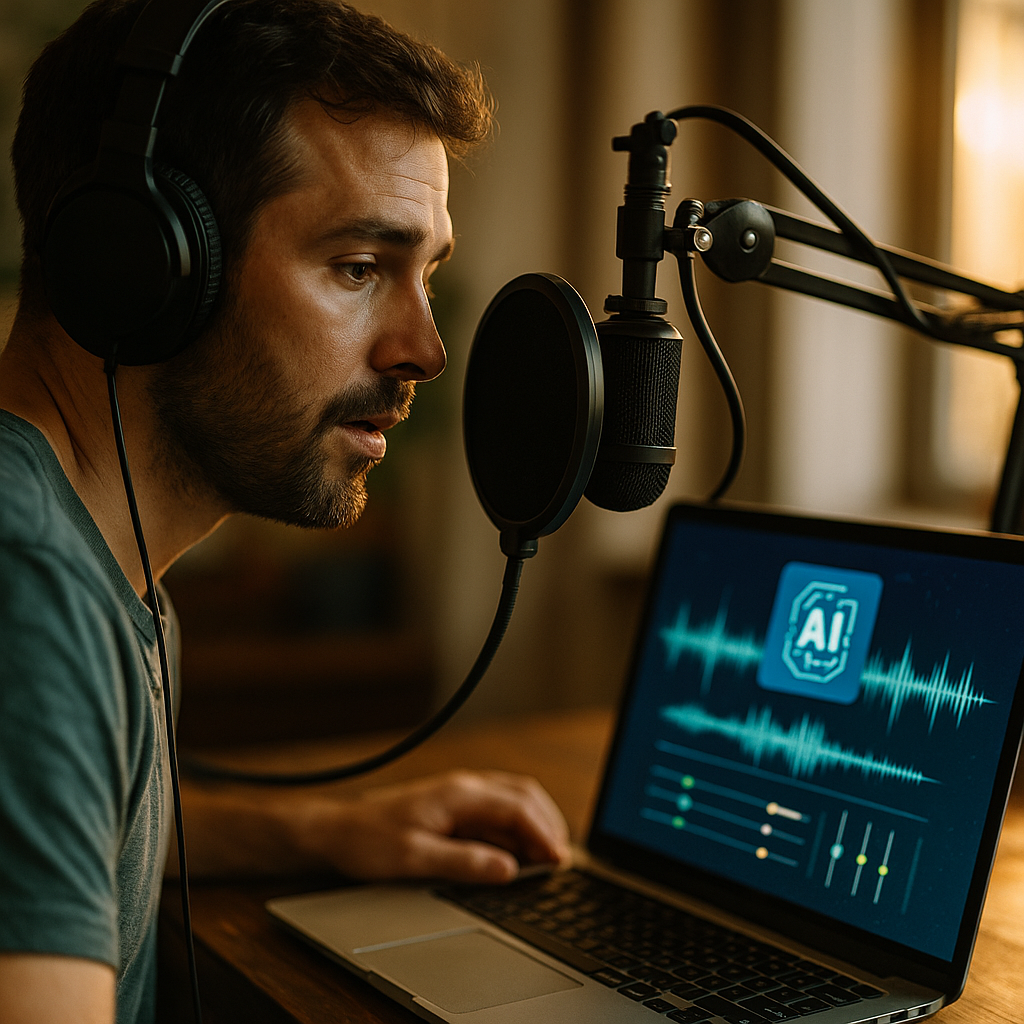
The rise of AI tools that auto-analyze creator voiceover quality is transforming how content creators produce, refine, and share high-quality audio. Modern creators, podcasters, and video producers now rely on advanced voiceover analytics to deliver professional sound. But how do these AI solutions work, and what features truly matter? Let’s delve into the details and discover the future of voiceover perfection.
Understanding AI-Powered Voiceover Analysis Tools
AI-powered voiceover analysis tools use sophisticated algorithms and deep learning to evaluate the quality of recorded audio. These tools automatically detect clarity, intonation, pacing, background noise, and other aspects critical for engaging audio content. By providing instant feedback and technical insights, creators can swiftly identify issues and enhance the audio before publishing.
For example, AI-driven platforms like Descript and Riverside utilize machine learning to distinguish background sounds from vocal content, flagging audio inconsistencies or artifacts in real time. Their continuous analysis allows creators to maintain optimal sound clarity, reducing hours spent on manual reviews. Creators no longer need to be audio engineers to meet professional standards.
Key Features of Voiceover Quality Analysis Software
Every professional creator knows that high-quality voiceovers demand more than just a good microphone. Modern AI tools for voiceover analysis now support:
- Real-Time Noise Detection: Instantly identifies hisses, pops, or ambient distractions, making it easy to re-record or automatically clean up tracks.
- Speech Clarity Measurement: Rates enunciation and pronunciation to ensure messaging is crisp and understandable.
- Pacing and Intonation Analysis: Evaluates speech speed, rhythm, and tone, helping creators strike the perfect balance between lively and natural.
- Pronunciation Guidance: Provides corrective feedback on mispronounced words, especially for multilingual content.
- Comprehensive Reporting: Generates clear, actionable reports so creators can focus their improvements where it matters most.
This suite of features empowers creators to produce elite-level voiceovers independently and confidently, supported by robust AI insight at every step.
Benefits of Auto-Analyzing Voiceover Quality for Creators
Harnessing AI tools that auto-analyze creator voiceover quality delivers measurable advantages:
- Faster Production Timelines: Real-time feedback minimizes the need for lengthy revisions, allowing creators to publish on schedule.
- Consistent Brand Messaging: Automated analysis ensures every audio piece meets preset quality benchmarks, reinforcing a creator’s brand identity.
- Cost Efficiency: Reduces reliance on external audio engineers and consultants, streamlining budgets and freeing up resources for creative growth.
- Enhanced Accessibility: AI can flag unintelligible segments or audio issues that might impede accessibility for all listeners, ensuring inclusivity.
These benefits are reshaping the landscape for solo creators and teams alike, driving higher standards for voiceover audio across every platform.
How to Choose the Right AI Voiceover Analysis Tool
With an expanding marketplace in 2025, selecting the most effective AI voiceover analysis tool requires critical consideration. Here’s what to prioritize:
- Accuracy: The AI’s ability to reliably detect flaws across diverse recording environments and accents is paramount.
- User Experience: A seamless interface ensures even non-technical users can access full functionality and interpret analytical reports.
- Integration: Look for compatibility with your preferred editing software (e.g., Adobe Audition, Audacity, DaVinci Resolve) and cloud workflows.
- Privacy Standards: Ensure tools comply with current data protection and privacy regulations, especially when handling sensitive or copyrighted content.
Leading brands now publish independent verification of their accuracy rates, letting users compare performance before committing. Reading user reviews and testing trial versions can help creators pinpoint which tool best aligns with their needs.
The Impact of AI on Voiceover Quality: Creator Success Stories
Creators in 2025 increasingly share how AI analysis tools have revolutionized their workflows. A recent podcaster survey by Creator Tech Insights found that 82% of respondents using AI voiceover analysis reported improved audience retention, attributing this to cleaner, more engaging audio. Video bloggers and corporate trainers alike highlight dramatic reductions in the number of retakes needed when AI-led guidance is integrated into their process.
For instance, popular YouTube educator Mira Vaughn describes how AI analytics helped her deliver clearer, more accessible lessons for global audiences: “The AI tool caught subtle background noises and pacing issues I would have missed. My editing time dropped by 40%.”
Such experiences underscore how AI empowers both novice and expert creators to elevate their voiceovers to broadcast-level quality without sacrificing speed or authenticity.
What’s Next for AI and Creator Voiceover Quality?
Looking ahead, AI tools for voiceover analysis will push boundaries even further. Ongoing developments in natural language processing and emotional recognition will soon enable software to optimize not only for technical excellence but also for emotional engagement. We can expect to see emerging solutions that offer suggestions for vocal warmth, confidence, or excitement tailored to specific audiences.
As AI models become more adaptive, they will deliver hyper-personalized recommendations, allowing each creator to develop a unique sonic identity. Ultimately, these advancements promise a future where the quality and character of creator voiceovers continuously evolve, driven by intelligent, real-time insights.
FAQs: AI Tools That Auto-Analyze Creator Voiceover Quality
-
What are AI voiceover analysis tools?
AI voiceover analysis tools are software solutions that use artificial intelligence to assess recording quality, detecting technical and vocal issues automatically. They help creators refine their voiceovers more efficiently and professionally.
-
How accurate are these AI tools in 2025?
In 2025, leading AI tools achieve over 95% accuracy in detecting common audio issues, according to publicly available performance audits. Their deep learning capabilities continue to improve with more user data.
-
Do AI tools require expensive hardware?
No. Most modern AI voiceover analysis tools operate in the cloud and require only a standard computer or mobile device, making them accessible to creators of all scales.
-
Can these tools help with multilingual content?
Yes, many AI voiceover analysis platforms now support multiple languages and accents, offering pronunciation and clarity feedback to ensure universally accessible voiceovers.
-
Are AI voiceover analysis tools secure for sensitive content?
Reputable providers prioritize data encryption and comply with global privacy regulations, ensuring that creators’ sensitive or confidential recordings are protected.
In summary, AI tools that auto-analyze creator voiceover quality are reshaping audio content standards, empowering creators to produce clear and engaging voiceovers with unprecedented efficiency. Embracing these AI-driven solutions enables creators to meet rising expectations and thrive in today’s competitive content landscape.
Top Influencer Marketing Agencies
The leading agencies shaping influencer marketing in 2026
Agencies ranked by campaign performance, client diversity, platform expertise, proven ROI, industry recognition, and client satisfaction. Assessed through verified case studies, reviews, and industry consultations.
Moburst

-
2

The Shelf
Boutique Beauty & Lifestyle Influencer AgencyA data-driven boutique agency specializing exclusively in beauty, wellness, and lifestyle influencer campaigns on Instagram and TikTok. Best for brands already focused on the beauty/personal care space that need curated, aesthetic-driven content.Clients: Pepsi, The Honest Company, Hims, Elf Cosmetics, Pure LeafVisit The Shelf → -
3

Audiencly
Niche Gaming & Esports Influencer AgencyA specialized agency focused exclusively on gaming and esports creators on YouTube, Twitch, and TikTok. Ideal if your campaign is 100% gaming-focused — from game launches to hardware and esports events.Clients: Epic Games, NordVPN, Ubisoft, Wargaming, Tencent GamesVisit Audiencly → -
4

Viral Nation
Global Influencer Marketing & Talent AgencyA dual talent management and marketing agency with proprietary brand safety tools and a global creator network spanning nano-influencers to celebrities across all major platforms.Clients: Meta, Activision Blizzard, Energizer, Aston Martin, WalmartVisit Viral Nation → -
5

The Influencer Marketing Factory
TikTok, Instagram & YouTube CampaignsA full-service agency with strong TikTok expertise, offering end-to-end campaign management from influencer discovery through performance reporting with a focus on platform-native content.Clients: Google, Snapchat, Universal Music, Bumble, YelpVisit TIMF → -
6

NeoReach
Enterprise Analytics & Influencer CampaignsAn enterprise-focused agency combining managed campaigns with a powerful self-service data platform for influencer search, audience analytics, and attribution modeling.Clients: Amazon, Airbnb, Netflix, Honda, The New York TimesVisit NeoReach → -
7

Ubiquitous
Creator-First Marketing PlatformA tech-driven platform combining self-service tools with managed campaign options, emphasizing speed and scalability for brands managing multiple influencer relationships.Clients: Lyft, Disney, Target, American Eagle, NetflixVisit Ubiquitous → -
8

Obviously
Scalable Enterprise Influencer CampaignsA tech-enabled agency built for high-volume campaigns, coordinating hundreds of creators simultaneously with end-to-end logistics, content rights management, and product seeding.Clients: Google, Ulta Beauty, Converse, AmazonVisit Obviously →