


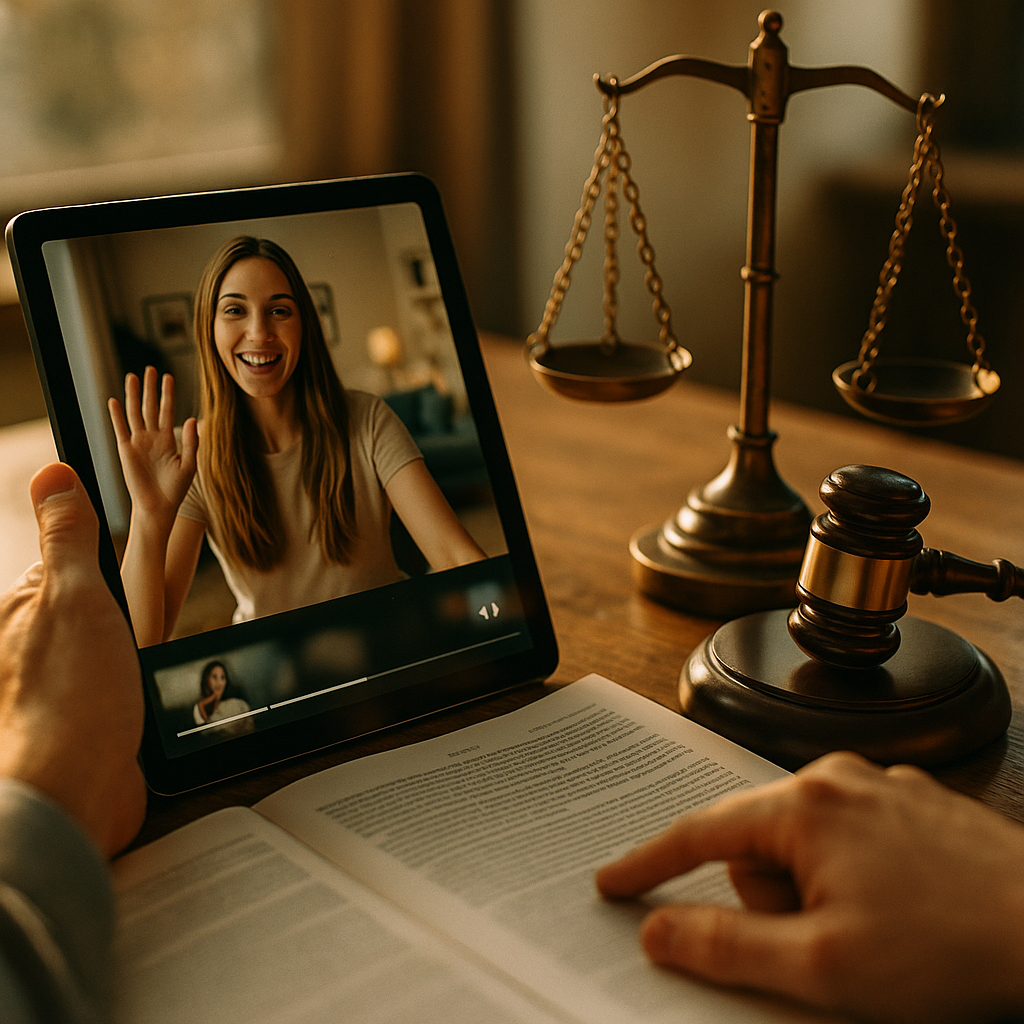
Understanding the required legal checks before using creator clips in ads is essential for brands, marketers, and content creators to avoid costly infringement or reputational damage. If you’re planning to include third-party creator clips in your advertising, know the steps and red flags to ensure total compliance—because overlooking a detail could undermine your entire campaign. Read on for confident, legally secure guidance.
Understanding Copyright and Ownership Rights
Before using any creator clip in your ads, it’s crucial to determine who actually owns the content. This is the foundation of legal checks, as copyright typically resides with the creator unless transferred. Assess:
- Creator Agreements: Was the clip made as a work-for-hire or under contract? If so, does the brand or agency hold copyright, or does the creator retain it?
- Licensing Terms: Is the clip licensed under terms that permit commercial advertising use, or is it restricted to personal or editorial usage?
- Ownership Verification: Trace the content’s origin to verify that it isn’t already owned or co-owned by another party, which is especially important for clips sourced through multiple hands or platforms.
Clear copyright ownership ensures you’re working with the right party and forms the basis for acquiring subsequent rights.
Securing Proper Usage Rights and Licenses
Securing the proper usage rights is non-negotiable when using creator clips in digital or traditional ads. You must:
- Obtain a Written License or Assignment: Always get explicit, written permission covering the full intended use of the footage—media types, geographic reach, duration, and purpose. Verbal agreements are inadequate and risky.
- Check Platform Rules: Platforms such as TikTok, YouTube, and Instagram set their own limitations based on user-generated content. Confirm that the creator’s agreement with the platform permits them to license content for advertising use.
- Review Prior Grants: Ensure the creator hasn’t already licensed the same content exclusively elsewhere, which could trigger legal battles or campaign take-downs.
Comprehensive and well-documented licenses give advertisers peace of mind and satisfy ad platforms’ increasing legal scrutiny in 2025.
Reviewing Talent and Third-Party Consents
Identify everyone who appears, speaks, or is identifiable in the creator clip. Their permission is mandatory for commercial use. This involves:
- Obtaining Model or Talent Releases: Each recognizable person must sign a valid release form affirming their consent for all intended advertising uses.
- Addressing Minors and Vulnerable Groups: For minors, guardians must provide consent. Meanwhile, sensitive groups may require extra protections or notices based on regional legislation.
- Securing Third-Party Intellectual Property Rights: If the clip contains trademarks, artwork, music, or other IP, obtain additional clearances or licenses.
Insufficient releases are a top reason for ad takedowns or legal threats—especially as privacy regulations expand globally.
Ensuring Compliance with Advertising Regulations
Even with cleared rights, an ad may still fall foul of national or international marketing laws. In 2025, ad regulations demand:
- Truthfulness and Transparency: Disclose any partnerships or endorsements per FTC guidance. Do not mislead or misattribute the creator’s message.
- Local Law Screening: Countries have distinctive ad standards. What’s allowed in one market may breach another’s consumer protection or data privacy statutes.
- Platform Policy Adherence: Facebook, Google, and TikTok have recently updated ad checks, rejecting campaigns lacking adequate rights or misleading audiences.
Partner with legal counsel or compliance experts when running cross-border or multi-platform ad campaigns to avoid inadvertent legal risks.
Implementing Robust Documentation and Audit Trails
Strong documentation is your ultimate defense. Maintain clear records of all legal checks and permissions. Best practices for 2025 include:
- Digital File Storage: Centralize copies of signed releases, licenses, and correspondence for every creator clip used.
- Audit-Ready Logs: Catalog usage terms, distribution channels, and expiration dates to avoid accidental overuse or license expiry lapses.
- Incident Response Protocols: Be prepared to respond promptly to claims—whether from a content creator, talent, or ad tech platform.
Proper audit trails speed up advertisement approvals, shield brands from claims, and satisfy increasing regulatory and consumer scrutiny in 2025’s digital environment.
Conclusion
Respecting the required legal checks before using creator clips in ads minimizes risk, protects brand reputation, and upholds ethical standards. By systematically addressing copyright, licensing, consents, and compliance, you ensure legal clarity from the outset. Stay proactive—robust legal diligence is now a competitive edge in content-driven advertising.
Frequently Asked Questions
- What are the most common legal pitfalls when using creator clips in ads?
The main pitfalls include unclear copyright ownership, lack of proper licenses, missing talent releases, and failure to meet advertising regulation requirements.
- Do I need a new license if I want to reuse a creator clip in a different campaign?
Yes, unless the original license explicitly covers all intended uses, additional campaigns, or duration extensions. Always clarify reuse terms in writing.
- Can I use clips from social media if the creator tagged my brand?
No. Being tagged does not constitute legal permission. You still need a written license and clearances for all involved individuals and intellectual property.
- What happens if I skip a legal check and a problem is discovered?
You may face ad takedowns, financial claims, platform bans, or legal action. Promptly remove the content, investigate, and consult legal experts for next steps.
- How long should I keep documentation of my legal checks?
Retain all records for the full duration of the ad campaign and for a period after its conclusion, as dictated by local regulations or your risk tolerance—typically at least two to three years.
Top Influencer Marketing Agencies
The leading agencies shaping influencer marketing in 2026
Agencies ranked by campaign performance, client diversity, platform expertise, proven ROI, industry recognition, and client satisfaction. Assessed through verified case studies, reviews, and industry consultations.
Moburst

-
2

The Shelf
Boutique Beauty & Lifestyle Influencer AgencyA data-driven boutique agency specializing exclusively in beauty, wellness, and lifestyle influencer campaigns on Instagram and TikTok. Best for brands already focused on the beauty/personal care space that need curated, aesthetic-driven content.Clients: Pepsi, The Honest Company, Hims, Elf Cosmetics, Pure LeafVisit The Shelf → -
3

Audiencly
Niche Gaming & Esports Influencer AgencyA specialized agency focused exclusively on gaming and esports creators on YouTube, Twitch, and TikTok. Ideal if your campaign is 100% gaming-focused — from game launches to hardware and esports events.Clients: Epic Games, NordVPN, Ubisoft, Wargaming, Tencent GamesVisit Audiencly → -
4

Viral Nation
Global Influencer Marketing & Talent AgencyA dual talent management and marketing agency with proprietary brand safety tools and a global creator network spanning nano-influencers to celebrities across all major platforms.Clients: Meta, Activision Blizzard, Energizer, Aston Martin, WalmartVisit Viral Nation → -
5

The Influencer Marketing Factory
TikTok, Instagram & YouTube CampaignsA full-service agency with strong TikTok expertise, offering end-to-end campaign management from influencer discovery through performance reporting with a focus on platform-native content.Clients: Google, Snapchat, Universal Music, Bumble, YelpVisit TIMF → -
6

NeoReach
Enterprise Analytics & Influencer CampaignsAn enterprise-focused agency combining managed campaigns with a powerful self-service data platform for influencer search, audience analytics, and attribution modeling.Clients: Amazon, Airbnb, Netflix, Honda, The New York TimesVisit NeoReach → -
7

Ubiquitous
Creator-First Marketing PlatformA tech-driven platform combining self-service tools with managed campaign options, emphasizing speed and scalability for brands managing multiple influencer relationships.Clients: Lyft, Disney, Target, American Eagle, NetflixVisit Ubiquitous → -
8

Obviously
Scalable Enterprise Influencer CampaignsA tech-enabled agency built for high-volume campaigns, coordinating hundreds of creators simultaneously with end-to-end logistics, content rights management, and product seeding.Clients: Google, Ulta Beauty, Converse, AmazonVisit Obviously →