


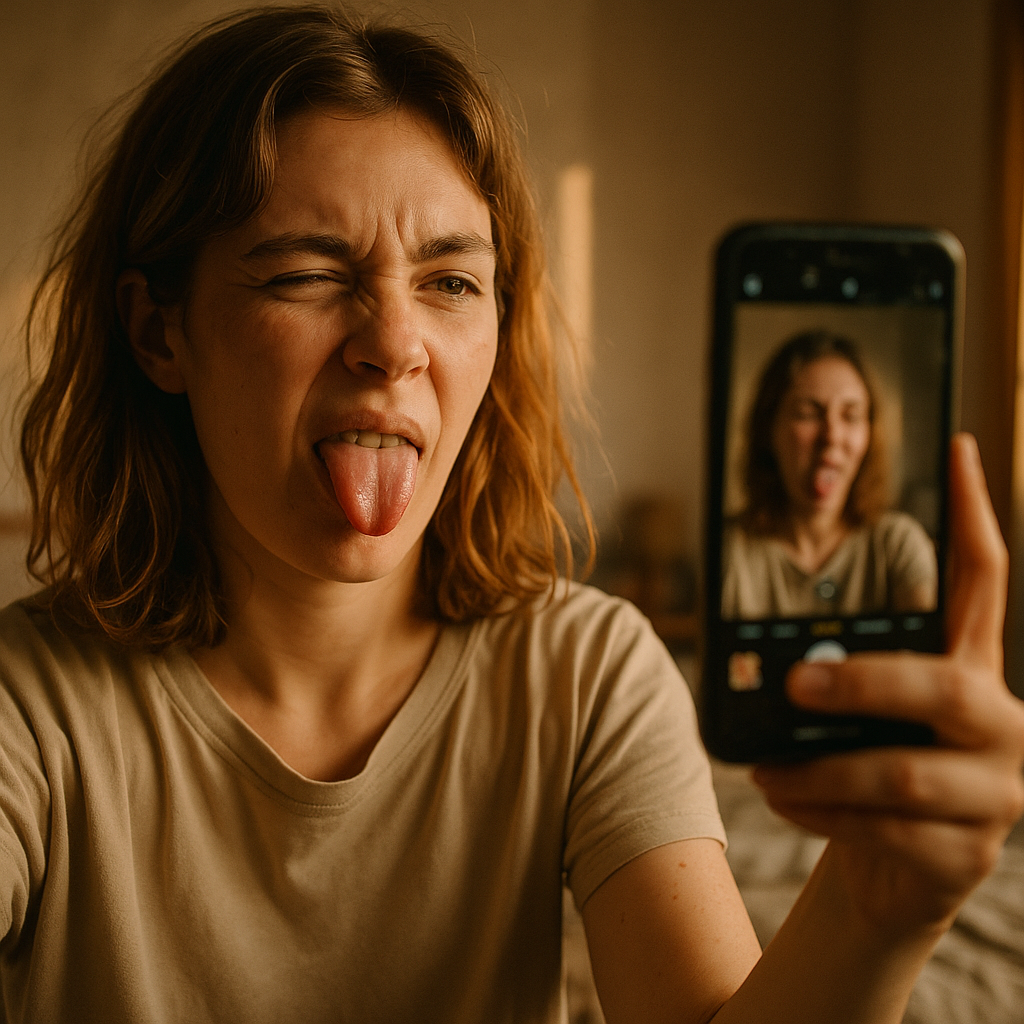
The rise of anti-perfection creators is shaking up the social media landscape in 2025. Once dominated by glossy, curated feeds, platforms are now seeing a surge of authentic, unfiltered content that values realness over flawlessness. Why are anti-perfection creators growing fast—and what does this shift mean for audiences and brands? Let’s explore the drivers and impact of this powerful trend.
The Appeal of Imperfection in Digital Content
The rise of authentic content creators is fueled by audience fatigue with picture-perfect posts. Social media users crave genuine stories and relatable moments that mirror their own experiences. In 2025, research by Social Trends Group found that 68% of Gen Z and Millennials trust influencers who share unfiltered, “real life” content over those who appear too polished.
This new wave of creators ditches heavy editing, staged photos, and scripted captions. Instead, they share daily struggles, behind-the-scenes glimpses, and imperfections. This approach resonates because viewers see themselves reflected in the content. The result? Increased engagement rates and stronger community bonds—elements that algorithm-driven feeds now reward.
How Anti-Perfection Creators Boost Engagement
One of the key benefits of genuine creators is how they drive deeper interactions. Audiences respond enthusiastically to content that feels honest, personal, and unfiltered. Public data from CrowdMetric in 2025 notes that creators who label their posts as “raw” or “unedited” experience 43% higher comment and save rates than their highly filtered peers.
This emotional connection encourages followers to participate more actively—whether by commenting, sharing, or even co-creating. Anti-perfection creators often prompt discussions around vulnerability, mental health, or setbacks, creating safe spaces for real conversations. Brands, noticing these engagement metrics, increasingly prefer partnerships with creators who can deliver trust and authenticity.
The Business Impact: Rethinking Influencer Marketing
For brands, the business value of anti-perfection influencers is clear. Traditional influencer marketing focused on aspirational lifestyles and airbrushed visuals, but audience skepticism grew. In response, brands are pivoting to work with creators whose content feels “lived-in” and trustworthy.
According to Influencer Index 2025, campaigns featuring anti-perfection creators generate 29% more earned media value. These creators, seen as more honest and approachable, increase conversion rates because followers believe their recommendations stem from real-life experience. Small and mid-sized businesses, in particular, are reallocating budgets to micro-influencers who thrive on transparency.
The Psychology Driving the Anti-Perfection Trend
The psychological reasons behind authentic creators’ rise are rooted in current cultural shifts. During global upheavals and widespread social change, audiences seek reassurance and credibility in the media they consume. They are more likely to trust and relate to someone who admits insecurities and shares life’s messy moments than to someone who projects constant perfection.
Experts in digital behavior cite increased awareness of mental health as a major factor. By witnessing creators embrace imperfection—sharing failures, body positivity, and behind-the-scenes mishaps—followers experience relief from social media pressure. This, in turn, deepens loyalty and boosts mental well-being. In 2025, anti-perfection creators are helping normalize tough conversations that viewers previously felt uncomfortable having.
Anti-Perfection and Platform Algorithms
Another reason why algorithms favor anti-perfection creators is that algorithms in 2025 are designed to reward genuine engagement. Social media platforms like Instagram, TikTok, and YouTube now prioritize content that drives prolonged interaction and saves, rather than superficial metrics like likes or impressions.
Anti-perfection creators frequently meet these criteria, as their content inspires meaningful discussion—be it in heartfelt replies or story shares. As a result, their posts reach wider audiences, are surfaced on Explore pages more often, and attract persistent followers. In essence, imperfection is now advantageous not just for creators, but also for the platforms that host them.
Navigating Growth: Tips for Aspiring Anti-Perfection Creators
For those wondering how to become a successful anti-perfection creator, the formula centers on vulnerability, consistency, and community building. Here are practical steps:
- Embrace authenticity: Show real, unfiltered moments; admit mistakes and celebrate growth.
- Engage deeply: Respond to comments with empathy, invite feedback, and actively include your audience in content decisions.
- Prioritize value: Share insights, tips, or reflections that help or inspire your audience.
- Be consistent: Regular posting—without over-editing—builds trust over time.
- Create safe spaces: Encourage respectful conversations and support, especially around sensitive topics.
Successful creators also respect the boundaries between openness and oversharing, ensuring their content remains both relatable and mindful.
Conclusion: The Lasting Growth of Anti-Perfection Creators
The surge in anti-perfection creators signifies a long-overdue shift in digital culture. In 2025, audiences value honesty and humanity over impossible standards. By embracing imperfection, creators and brands foster lasting connections, drive superior engagement, and build a more truthful internet. The message is clear: authenticity is the future, and it’s here to stay.
FAQs: Anti-Perfection Creators and the Future of Authentic Social Media
-
Why are anti-perfection creators popular now?
Audiences are tired of unrealistic portrayals. They crave authentic voices who share relatable challenges, leading to stronger trust and engagement. -
How do brands benefit from partnering with anti-perfection creators?
Brands see higher conversion rates and trust from audiences who believe these creators’ endorsements reflect real experiences, not just paid promotions. -
What platforms are best for anti-perfection creators?
Instagram, TikTok, and YouTube are top platforms, but any space where genuine engagement is valued (including podcasts and blogs) supports this trend. -
Can you still grow a career as a creator without being picture-perfect?
Absolutely. Audiences prefer authentic, sometimes imperfect, voices. Consistency, honesty, and engagement are more important than flawless images. -
Is the anti-perfection trend likely to fade soon?
Unlikely. Ongoing social and cultural shifts in 2025 indicate the demand for authenticity will shape digital creation for years to come.
Top Influencer Marketing Agencies
The leading agencies shaping influencer marketing in 2026
Agencies ranked by campaign performance, client diversity, platform expertise, proven ROI, industry recognition, and client satisfaction. Assessed through verified case studies, reviews, and industry consultations.
Moburst

-
2

The Shelf
Boutique Beauty & Lifestyle Influencer AgencyA data-driven boutique agency specializing exclusively in beauty, wellness, and lifestyle influencer campaigns on Instagram and TikTok. Best for brands already focused on the beauty/personal care space that need curated, aesthetic-driven content.Clients: Pepsi, The Honest Company, Hims, Elf Cosmetics, Pure LeafVisit The Shelf → -
3

Audiencly
Niche Gaming & Esports Influencer AgencyA specialized agency focused exclusively on gaming and esports creators on YouTube, Twitch, and TikTok. Ideal if your campaign is 100% gaming-focused — from game launches to hardware and esports events.Clients: Epic Games, NordVPN, Ubisoft, Wargaming, Tencent GamesVisit Audiencly → -
4

Viral Nation
Global Influencer Marketing & Talent AgencyA dual talent management and marketing agency with proprietary brand safety tools and a global creator network spanning nano-influencers to celebrities across all major platforms.Clients: Meta, Activision Blizzard, Energizer, Aston Martin, WalmartVisit Viral Nation → -
5

The Influencer Marketing Factory
TikTok, Instagram & YouTube CampaignsA full-service agency with strong TikTok expertise, offering end-to-end campaign management from influencer discovery through performance reporting with a focus on platform-native content.Clients: Google, Snapchat, Universal Music, Bumble, YelpVisit TIMF → -
6

NeoReach
Enterprise Analytics & Influencer CampaignsAn enterprise-focused agency combining managed campaigns with a powerful self-service data platform for influencer search, audience analytics, and attribution modeling.Clients: Amazon, Airbnb, Netflix, Honda, The New York TimesVisit NeoReach → -
7

Ubiquitous
Creator-First Marketing PlatformA tech-driven platform combining self-service tools with managed campaign options, emphasizing speed and scalability for brands managing multiple influencer relationships.Clients: Lyft, Disney, Target, American Eagle, NetflixVisit Ubiquitous → -
8

Obviously
Scalable Enterprise Influencer CampaignsA tech-enabled agency built for high-volume campaigns, coordinating hundreds of creators simultaneously with end-to-end logistics, content rights management, and product seeding.Clients: Google, Ulta Beauty, Converse, AmazonVisit Obviously →