


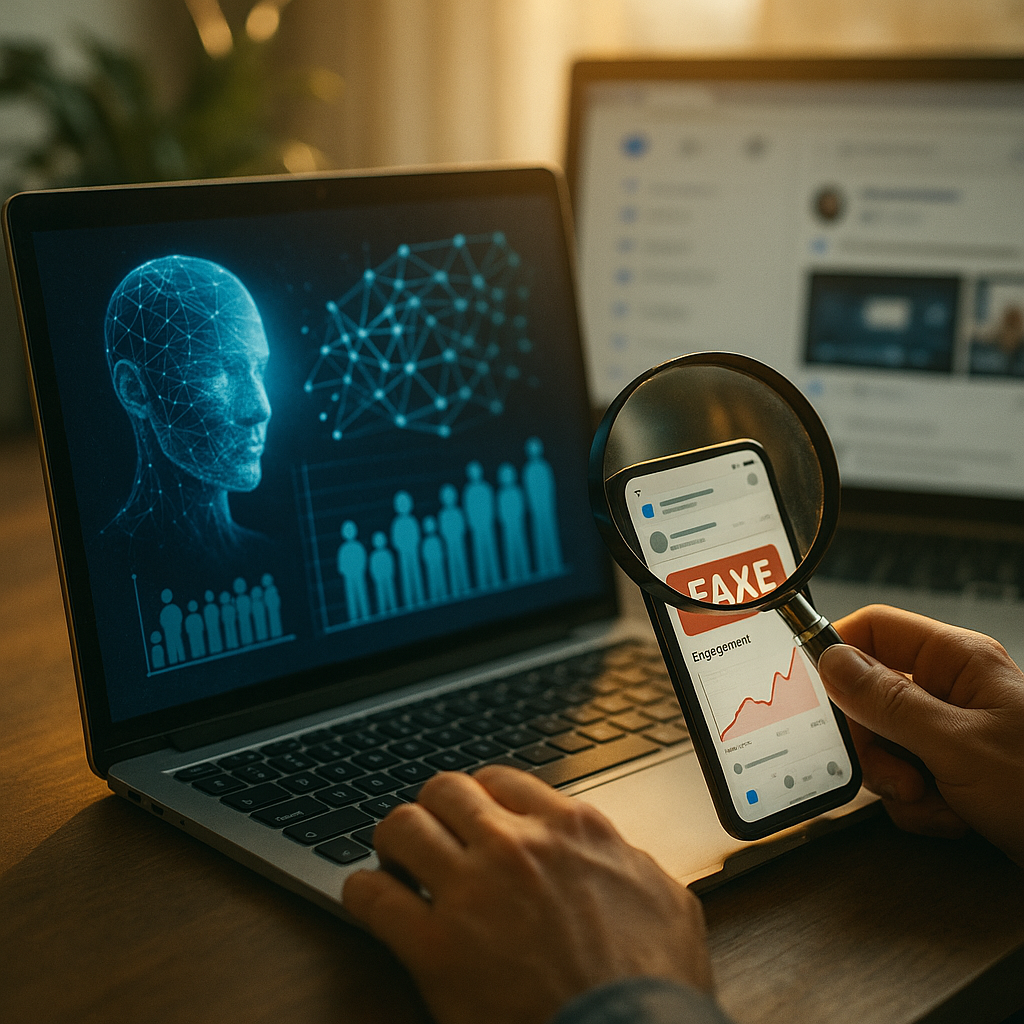
AI tools for creator audience fraud detection have become essential in a digital world where inflated follower counts and fake engagements can damage brand trust. As businesses invest more in influencer marketing, identifying real audiences is critical. How can AI empower marketers and creators to spot fraudulent activity and ensure genuine, impactful partnerships? Read on to discover practical, data-driven answers.
How AI Detects Creator Audience Fraud
Artificial intelligence leverages advanced algorithms, deep learning, and big data analytics to identify suspicious patterns in creator audiences. Traditional manual methods struggle to match the scale and subtleties of modern fraud. AI tools, by contrast, instantly analyze millions of data points, offering:
- Engagement authenticity analysis: Detects abnormal like-to-follower or comment-to-follower ratios, flagging manipulated engagement.
- Bot and spam detection: Identifies non-human behaviors, such as repetitive comments or sudden follower spikes, that signal fake accounts.
- Cross-platform patterns: Examines accounts across TikTok, Instagram, YouTube, and other platforms to uncover networks of coordinated fraudulent activity.
- Audience geography mapping: Spots mismatches between an influencer’s content language and the geographic origin of their audience.
AI’s layered approach dramatically increases accuracy and speed in identifying fraudulent behaviors that harm marketing ROI.
Top Features to Look For in Audience Fraud Detection Tools
Not all audience fraud detection tools are created equal. Selecting the right AI-powered solution requires an understanding of key features that distinguish the leaders in 2025:
- Real-time analytics: Immediate detection of suspicious spikes in followers or engagement allows brands to react before investing.
- Comprehensive reporting: Granular breakdowns of audience authenticity, with easy-to-understand dashboards, empower quick decision-making.
- Integration with creator vetting workflows: Seamless fit with platforms used by marketers, such as influencer relationship management (IRM) and campaign tracking systems.
- Continuous learning algorithms: Regular updates using new fraud tricks and data sets enable AI to evolve alongside evolving fraudulent tactics.
- Privacy compliance: Ensures that all audience data is analyzed in line with regional requirements such as GDPR and CCPA.
Prioritize solutions that offer a combination of intelligent detection, actionable insights, and full platform integration for a futureproof investment.
Why Audience Fraud Hurts Creators & Brands
Audience fraud is more than a nuisance; it has lasting impacts on both creators and brands:
- Reduced ROI: Brands waste marketing budgets on campaigns seen by bots, not real people.
- Damaged credibility: Discovery of fake audience segments erodes trust in both the influencer and the brand.
- Missed partnership opportunities: Authentic creators can be overlooked if brands rely on vanity metrics.
- Suppressed platform reach: Social platforms may downrank creators with suspicious patterns, lowering organic reach.
As budgets tighten and brands demand data-driven accountability, transparent audience vetting using AI becomes non-negotiable. This ensures only impactful, trustworthy partnerships are forged, benefiting both creators and marketers in the long run.
The Role of EEAT in Audience Verification
Google’s EEAT guidelines—Experience, Expertise, Authoritativeness, and Trustworthiness—are now central to evaluating digital content and partnerships. How do AI tools for creator audience fraud detection support EEAT principles?
- Experience: By analyzing historic trends in audience engagement, AI highlights creators with proven engagement versus those with sudden, suspicious spikes.
- Expertise: AI tools assess niche audience relevance, ensuring that a creator’s followers are genuinely interested in the content category.
- Authoritativeness: Algorithms track relationships with other reputable accounts, uncovering inauthentic audiences or engagement pods.
- Trustworthiness: Systems generate authenticated audit reports on audience quality—vital documentation for brand due diligence.
By integrating EEAT-aligned metrics, AI-powered audience fraud detection tools help brands and agencies make transparent, informed, and ethical partnership decisions.
How to Integrate AI Tools Into Your Creator Marketing Strategy
Integrating AI audience fraud detection into your influencer strategies requires practical planning for seamless operation and maximum impact:
- Evaluate providers: Compare demos to find AI solutions that best align with your campaign scale, platform needs, and reporting requirements.
- Set clear criteria: Define what a “high quality” creator audience means for your goals—consider engagement rates, audience demographics, and platform fit.
- Train your team: Ensure marketers understand how to interpret AI audit data to avoid false positives and maximize actionable insights.
- Establish workflows: Build fraud detection checkpoints into creator onboarding, campaign monitoring, and post-campaign analysis.
- Feed learnings back: Use data from each campaign to refine future vetting processes, creating a cycle of continual improvement.
Brands that embrace AI-driven vetting not only protect investments, but also build partnerships based on real engagement and shared success metrics.
Future Trends: The Next Frontier in Audience Fraud Detection
In 2025, AI audience fraud detection is advancing rapidly, driven by increasing sophistication in both fraudulent activity and technological defenses. Key trends to watch include:
- Real-time, proactive alerts: AI systems offer early warnings when suspicious activity is first detected, helping brands avert high-profile fraud scandals.
- Deeper cross-channel authentication: Algorithms link creator profiles across platforms to spot duplicate engagement networks and ghost followings.
- Use of synthetic data: AI trains on simulated fraud patterns, helping tools detect the latest tactics before they become widespread.
- Human/AI hybrid review systems: Blending AI data analysis with expert human judgment increases accuracy and reduces false positives.
Rapid innovation in AI fraud detection helps both creators and brands stay ahead of the curve, ensuring marketing budgets deliver real influence and value.
Frequently Asked Questions
-
How do AI tools identify fake followers?
AI analyzes patterns such as irregular follower growth, engagement ratios, account age, and content activity to flag non-human or suspicious accounts. Deep learning models learn from millions of examples to spot hidden abnormalities that manual checks may miss.
-
Are AI audience fraud detection tools accurate?
Modern AI tools achieve high accuracy by combining behavioral analysis, data from multiple platforms, and adaptive models that incorporate recent fraud tactics. However, the best results come from blending AI recommendations with expert human review.
-
How can brands use AI data for better influencer campaigns?
Brands can vet creators before contracts are signed, monitor active campaigns for anomalies, and analyze post-campaign reports for ROI validation. This aids transparency, ensures genuine results, and strengthens long-term partnerships.
-
Is audience fraud a problem across all platforms?
Yes. While tactics vary, audience fraud—such as bot followers, engagement pods, and comment spamming—affects platforms from Instagram and TikTok to YouTube and X (formerly Twitter). Cross-platform AI tools offer the most robust protection.
-
Do AI tools protect creator privacy?
Reputable tools use privacy-compliant data analysis, focusing on publicly available information without accessing private messages or personal data. Leading providers adhere to GDPR, CCPA, and evolving privacy standards in 2025.
AI tools for creator audience fraud detection empower brands and creators to ensure truly authentic, mutually beneficial collaboration. By embracing AI-powered vetting, marketing teams not only protect investments but also foster transparency and trust—key ingredients for sustainable influencer success in the digital era.
Top Influencer Marketing Agencies
The leading agencies shaping influencer marketing in 2026
Agencies ranked by campaign performance, client diversity, platform expertise, proven ROI, industry recognition, and client satisfaction. Assessed through verified case studies, reviews, and industry consultations.
Moburst

-
2

The Shelf
Boutique Beauty & Lifestyle Influencer AgencyA data-driven boutique agency specializing exclusively in beauty, wellness, and lifestyle influencer campaigns on Instagram and TikTok. Best for brands already focused on the beauty/personal care space that need curated, aesthetic-driven content.Clients: Pepsi, The Honest Company, Hims, Elf Cosmetics, Pure LeafVisit The Shelf → -
3

Audiencly
Niche Gaming & Esports Influencer AgencyA specialized agency focused exclusively on gaming and esports creators on YouTube, Twitch, and TikTok. Ideal if your campaign is 100% gaming-focused — from game launches to hardware and esports events.Clients: Epic Games, NordVPN, Ubisoft, Wargaming, Tencent GamesVisit Audiencly → -
4

Viral Nation
Global Influencer Marketing & Talent AgencyA dual talent management and marketing agency with proprietary brand safety tools and a global creator network spanning nano-influencers to celebrities across all major platforms.Clients: Meta, Activision Blizzard, Energizer, Aston Martin, WalmartVisit Viral Nation → -
5

The Influencer Marketing Factory
TikTok, Instagram & YouTube CampaignsA full-service agency with strong TikTok expertise, offering end-to-end campaign management from influencer discovery through performance reporting with a focus on platform-native content.Clients: Google, Snapchat, Universal Music, Bumble, YelpVisit TIMF → -
6

NeoReach
Enterprise Analytics & Influencer CampaignsAn enterprise-focused agency combining managed campaigns with a powerful self-service data platform for influencer search, audience analytics, and attribution modeling.Clients: Amazon, Airbnb, Netflix, Honda, The New York TimesVisit NeoReach → -
7

Ubiquitous
Creator-First Marketing PlatformA tech-driven platform combining self-service tools with managed campaign options, emphasizing speed and scalability for brands managing multiple influencer relationships.Clients: Lyft, Disney, Target, American Eagle, NetflixVisit Ubiquitous → -
8

Obviously
Scalable Enterprise Influencer CampaignsA tech-enabled agency built for high-volume campaigns, coordinating hundreds of creators simultaneously with end-to-end logistics, content rights management, and product seeding.Clients: Google, Ulta Beauty, Converse, AmazonVisit Obviously →