


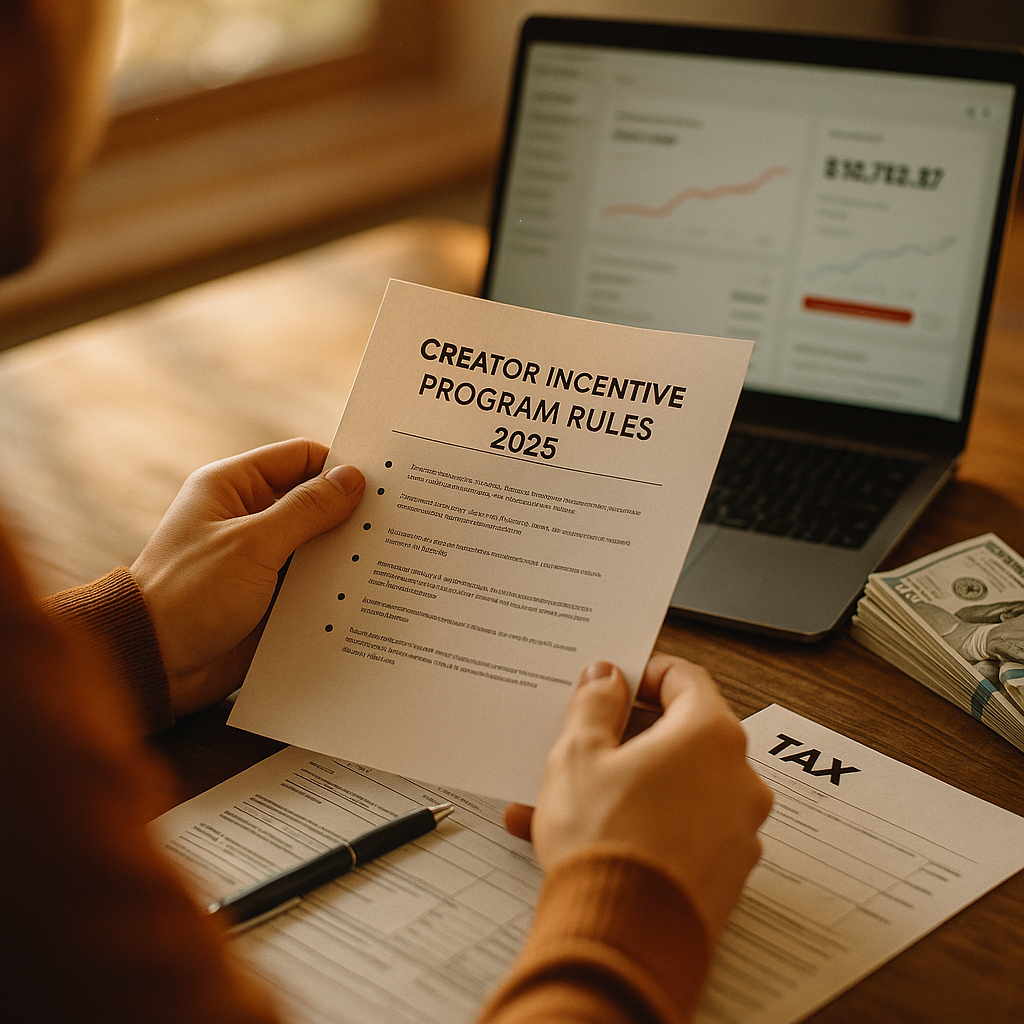
Compliance rules for creator incentive programs are essential for maintaining trust, transparency, and legal integrity across digital content platforms in 2025. Adhering to the correct guidelines not only protects creators and companies from regulatory penalties but also fosters sustainable growth. What legal and ethical requirements must creators and brands follow to stay compliant?
Understanding Creator Incentive Program Guidelines
Creator incentive program guidelines are designed to ensure fairness, transparency, and guard against manipulation on online platforms. As digital content monetization grows in 2025, platforms like YouTube, TikTok, and Instagram have implemented stricter policies to reward genuine engagement. Understanding these rules is vital:
- Eligibility: Programs often require a minimum follower count, engagement metrics, or verified status. Fraudulent inflation of these metrics is strictly prohibited.
- Authenticity: Content must be original. Reposted, AI-generated without disclosure, or plagiarized material can result in suspension or loss of earnings.
- Transparency: Full disclosure of sponsorships, gifts, or promotional material is necessary under FTC and international guidelines.
- Platform-Specific Policies: Each platform’s terms evolve, reflecting changing laws, community standards, and AI content trends. Regularly reviewing these policies is crucial.
Violation of such guidelines can lead to demonetization or permanent bans, making awareness and compliance a top priority.
Legal Compliance and Reporting Requirements
Legal requirements for creator incentive programs differ by jurisdiction and platform. In 2025, authorities in the US, EU, and Asia-Pacific regions have intensified scrutiny over digital earnings and data protection. Creators and brands must consider:
- Tax Reporting: Earnings from incentive programs are taxed as income in most countries. Platforms are obliged to report payouts, and creators should maintain accurate records for tax filings.
- Disclosure Laws: The Federal Trade Commission (FTC) and equivalent bodies globally mandate clear disclosure for paid content and endorsements. Non-compliance can result in investigations, fines, or legal actions.
- Privacy Regulations: Collecting or using viewer data for program eligibility must adhere to GDPR, CCPA, and other privacy regulations, requiring transparent data handling and user consent.
Staying current on tax codes and legal updates—and seeking professional advice when needed—can prevent costly errors in the long run.
Ethical Standards and Fair Play Policies
Ethical behavior is a cornerstone of successful creator incentive programs. Programs implemented in 2025 prioritize fairness and discourage practices that artificially manipulate engagement or content quality. To remain compliant and respected, participants should:
- Avoid Engagement Manipulation: Using bots, fake followers, or engagement pods to meet program criteria is prohibited and traceable by modern AI-powered detection systems.
- Maintain Content Integrity: Content should reflect authentic experiences or truthful information. Misleading claims or deepfakes not properly labeled violate most platforms’ codes of conduct.
- Respect Community Guidelines: Harassment, hate speech, and misinformation are cause for immediate removal from incentive programs.
Ethical participation not only aligns with compliance but also builds long-term trust with audiences and brands.
Transparency and Disclosure Best Practices
Transparency is at the heart of every reputable creator incentive initiative. In 2025, audiences expect and demand honesty from digital influencers, while regulatory bodies remain vigilant about hidden advertisements. To ensure best practices:
- Clear Disclosure: Use unambiguous language (e.g., “Sponsored by,” “Ad,” or “Paid Partnership”) on all qualifying content, including video, text, livestreams, and Stories.
- Consistent Placement: Disclosures should be easily viewed—at the beginning of content or prominently displayed in descriptions or overlays.
- Multi-Platform Consistency: Follow the most stringent guidelines applicable across all platforms where content is published.
Comprehensive and conspicuous disclosure averts legal risk and boosts credibility with followers.
Best Practices for Ongoing Program Compliance
Staying compliant with creator incentive programs is not a one-time task. As digital laws and platform policies evolve, creators and brands should establish ongoing routines to guarantee compliance. Key practices include:
- Regular Policy Reviews: Dedicate time monthly to review updates from platforms and authorities. Enroll in official creator education programs or newsletters.
- Accurate Record Keeping: Track participation, payments, contracts, and correspondence to facilitate faster audits or questions from authorities.
- Training and Support: Provide regular training for creators, especially those working within agencies or collectives, to keep everyone informed and compliant.
- Rapid Response to Issues: If a potential violation occurs, act transparently and promptly by disclosing, correcting, and engaging with the platform’s compliance support.
Advanced compliance management not only prevents disruptions but also gives creators an edge in an increasingly competitive marketplace.
Consequences of Non-Compliance in 2025
The repercussions for violating compliance rules in creator incentive programs have intensified in 2025. With the proliferation of AI detection tools and increasing regulatory oversight, the consequences may include:
- Demonetization: Platforms can immediately block earnings for violating creators, even retroactively retracting previous payouts.
- Account Suspension or Ban: Repeated or egregious breaches, such as deception or privacy violations, often lead to permanent account closures.
- Legal Penalties: Fines, civil lawsuits, or criminal charges are on the rise for serious offenses, particularly unreported income or data misuse.
- Brand Reputation Damage: Public exposure of non-compliance can erode long-term audience trust and diminish opportunities for future collaborations.
Understanding the serious consequences ensures that creators and brands remain vigilant about their compliance responsibilities.
FAQs: Compliance Rules for Creator Incentive Programs
-
What are creator incentive programs?
These are structured initiatives by platforms or brands to reward digital creators—often through monetary payments, gifts, or increased exposure—for meeting specific content creation and engagement benchmarks. -
Why is compliance important in these programs?
Compliance maintains legal, ethical, and platform-specific standards, protecting both creators and sponsoring parties from penalties, bans, or reputational harm. -
What disclosures are required for creators in 2025?
Creators must identify all sponsored, paid, or gifted content with clear and conspicuous disclosures per FTC and equivalent global guidelines, including short-format and live content. -
Can using AI-generated content impact compliance?
Yes. AI-generated content must be original or properly disclosed. Undisclosed or misrepresented AI content may violate authenticity and disclosure requirements. -
What should I do if I unknowingly violate a program rule?
Immediately disclose the issue to the platform or brand, make corrective actions, and review relevant policies to prevent future mistakes. Early transparency often leads to less severe consequences.
Creator incentive program compliance is not just about avoiding penalties—it’s about building reputation, trust, and long-term partnership opportunities. Staying informed and ethically aligned ensures creators and brands both benefit and thrive in the digital content economy of 2025.
Top Influencer Marketing Agencies
The leading agencies shaping influencer marketing in 2026
Agencies ranked by campaign performance, client diversity, platform expertise, proven ROI, industry recognition, and client satisfaction. Assessed through verified case studies, reviews, and industry consultations.
Moburst

-
2

The Shelf
Boutique Beauty & Lifestyle Influencer AgencyA data-driven boutique agency specializing exclusively in beauty, wellness, and lifestyle influencer campaigns on Instagram and TikTok. Best for brands already focused on the beauty/personal care space that need curated, aesthetic-driven content.Clients: Pepsi, The Honest Company, Hims, Elf Cosmetics, Pure LeafVisit The Shelf → -
3

Audiencly
Niche Gaming & Esports Influencer AgencyA specialized agency focused exclusively on gaming and esports creators on YouTube, Twitch, and TikTok. Ideal if your campaign is 100% gaming-focused — from game launches to hardware and esports events.Clients: Epic Games, NordVPN, Ubisoft, Wargaming, Tencent GamesVisit Audiencly → -
4

Viral Nation
Global Influencer Marketing & Talent AgencyA dual talent management and marketing agency with proprietary brand safety tools and a global creator network spanning nano-influencers to celebrities across all major platforms.Clients: Meta, Activision Blizzard, Energizer, Aston Martin, WalmartVisit Viral Nation → -
5

The Influencer Marketing Factory
TikTok, Instagram & YouTube CampaignsA full-service agency with strong TikTok expertise, offering end-to-end campaign management from influencer discovery through performance reporting with a focus on platform-native content.Clients: Google, Snapchat, Universal Music, Bumble, YelpVisit TIMF → -
6

NeoReach
Enterprise Analytics & Influencer CampaignsAn enterprise-focused agency combining managed campaigns with a powerful self-service data platform for influencer search, audience analytics, and attribution modeling.Clients: Amazon, Airbnb, Netflix, Honda, The New York TimesVisit NeoReach → -
7

Ubiquitous
Creator-First Marketing PlatformA tech-driven platform combining self-service tools with managed campaign options, emphasizing speed and scalability for brands managing multiple influencer relationships.Clients: Lyft, Disney, Target, American Eagle, NetflixVisit Ubiquitous → -
8

Obviously
Scalable Enterprise Influencer CampaignsA tech-enabled agency built for high-volume campaigns, coordinating hundreds of creators simultaneously with end-to-end logistics, content rights management, and product seeding.Clients: Google, Ulta Beauty, Converse, AmazonVisit Obviously →