


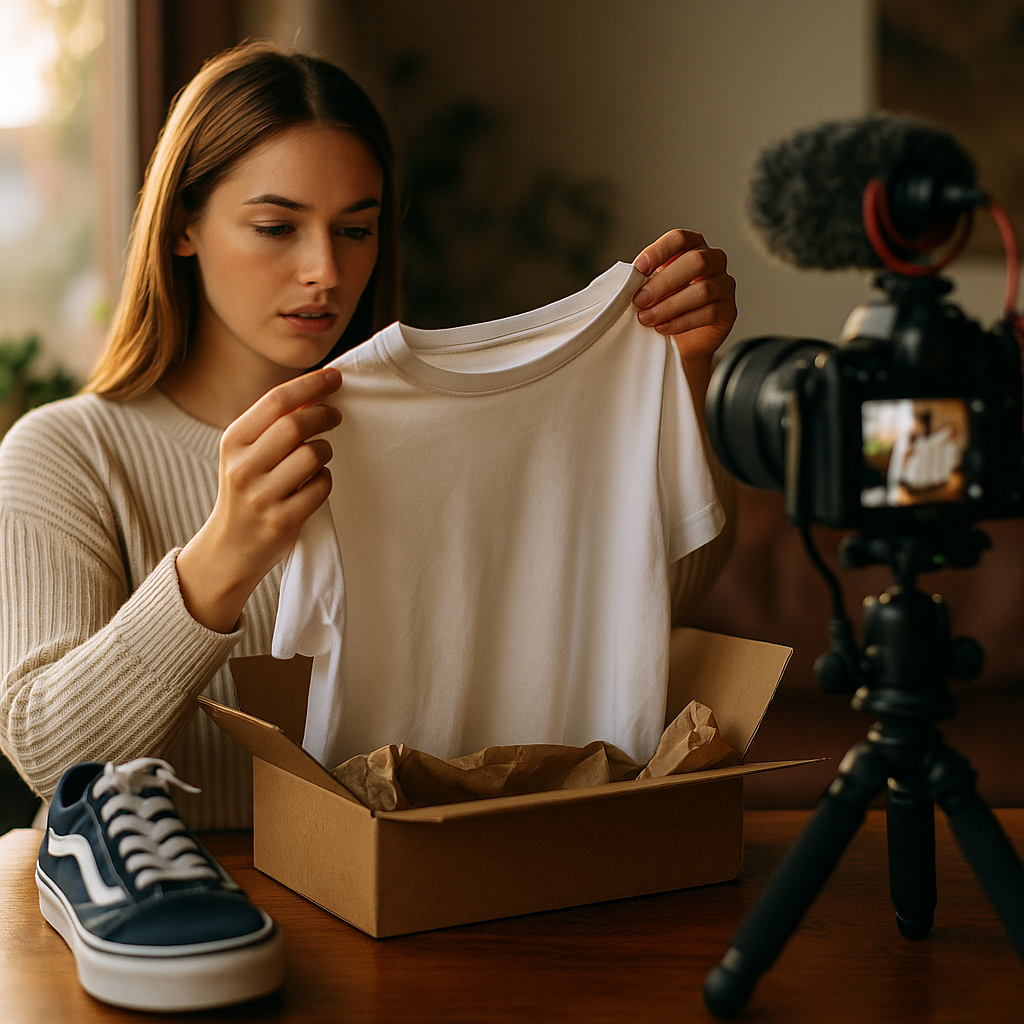
Choosing between product seeding vs paid sponsorships can dramatically impact your brand’s influencer marketing results. This decision shapes authenticity, ROI, and audience trust—all critical success factors in 2025. So, which approach offers the better returns for modern marketers and businesses eager for real impact? Let’s break down each method and help you decide what truly works best.
Understanding Product Seeding Strategies
Product seeding, often referred to as gifting, involves sending products to carefully selected influencers with the hope—not guarantee—of them sharing their experience organically. Brands typically identify micro or nano-influencers whose interests closely match their own, leading to more authentic content. Unlike formal partnerships, there’s no contractual obligation for influencers to post, which keeps their opinions genuine and unfiltered.
This strategy is part of a larger shift toward relationship marketing, where engaging real voices yields higher trust than overtly branded content. In 2025, influencer trust has become a top consideration: according to the latest Hootsuite data, 74% of consumers say they value authenticity in creator collaborations more than campaign size.
How Paid Sponsorships Shape Influencer Marketing ROI
Paid sponsorships formalize the brand-influencer relationship. Here, influencers receive compensation in exchange for agreed-upon deliverables—posts, stories, or even video series. Expect detailed contracts outlining content guidelines, deadlines, and performance metrics, making results more predictable.
Marketers benefit from a higher degree of control over messaging and ROI measurement. Campaign scope can range from a single Instagram post to recurring, multi-platform storytelling. Recent Statista figures show that influencer sponsorship budgets have increased by 40% in 2025, underscoring brands’ desire for measurable outcomes and campaign consistency.
However, this additional structure can lead to more “ad-like” content, which audiences may perceive as less authentic unless executed with care and creativity.
Authenticity and Audience Trust: Which Approach Wins?
In today’s crowded digital spaces, trust is non-negotiable. Product seeding, by its nature, often produces more authentic endorsements. Because creators are free to share honest thoughts—or opt out if they’re unimpressed—audiences recognize these recommendations as genuine. This transparency echoes what 65% of Gen Z and Millennials reported in Sprout Social’s 2025 survey: they want “honest influencer feedback, not just advertisements.”
While paid sponsorships can still foster trust, they require extra care to avoid forced messaging. Clear disclosures, allowed creative freedom, and working with influencers who truly align with a brand help paid campaigns feel less staged. Some of the most impactful sponsorships in 2025 blend branded language with personal storytelling, striking a balance between transparency and relatability.
Cost Efficiency: Product Seeding vs Paid Sponsorships
Budget is always a key consideration. Product seeding is generally more cost-effective upfront; the main investment is product and shipping costs, not monetary compensation. If an influencer chooses to feature your product, the ROI can be significant compared to paid placements. This approach also enables scalable outreach, especially to micro-influencers who inspire strong niche engagement.
On the other hand, paid sponsorships require cash outlay but promise guaranteed results. You know exactly what content will be delivered and when. This is crucial for product launches or tightly scheduled campaigns. A 2025 Klear report notes that 79% of brands combine both approaches across the marketing funnel, using product seeding for awareness and paid initiatives for high-control moments.
Choosing the Right Strategy for Your Brand
The best choice depends on your brand’s objectives, timeline, and resources. If you’re focused on building grassroots awareness and community, product seeding delivers great value: you seed dozens of influencers, monitor organic traction, and nurture high-performing relationships into future paid partnerships.
Conversely, if your priority is quick scaling with clear campaign deliverables—such as a holiday sale—paid sponsorships make sense. Combining both strategies often yields the highest returns: seed your product early to generate buzz, then engage the most receptive creators for paid collaborations that scale your messaging.
Consider these guiding questions:
- Is authentic word-of-mouth or controlled messaging more critical for your campaign?
- Do you have the budget for direct influencer payments, or is product gifting more viable?
- Are you testing new markets, or ready to invest in established ambassador relationships?
Best Practices and Common Pitfalls in 2025
Regardless of your chosen path, executing with care is essential. Here’s how to optimize either strategy:
- For product seeding: Research your influencers. Personalize your outreach and communicate clear, but non-demanding, expectations around product use. Follow up politely if there’s no response, but never pressure for content—it damages trust.
- For paid sponsorships: Allow creative input. Rigid scripts or overtly branded asks stand out as inauthentic. Provide detailed briefs, but encourage influencers to integrate your product into their usual content style.
- Always stay transparent. Adhere to 2025 disclosure requirements—audiences notice (and penalize) non-compliance. Use hashtags like #gifted or #ad as needed.
- Evaluate campaigns beyond vanity metrics. Track engagement quality, click-through rates, and genuine brand sentiment shifts, not just reach.
Common pitfalls include over-gifting to irrelevant audiences, neglecting follow-up on seeded posts, and enforcing unnatural scripts in paid partnerships. Success in 2025 goes to brands that treat influencers as collaborators, not billboards.
FAQs: Product Seeding vs Paid Sponsorships
-
What is the main difference between product seeding and paid sponsorship?
Product seeding involves sending free products to influencers without requiring a post, while paid sponsorships compensate influencers for guaranteed content according to agreed terms.
-
Does product seeding really work in 2025?
Yes, product seeding works—especially for targeting niche or micro-influencer communities. However, results aren’t guaranteed and depend on influencer receptiveness and brand-influencer fit.
-
How do brands track ROI for each approach?
For paid sponsorships, ROI is tracked via direct links, affiliate codes, and campaign analytics. For product seeding, measure results through earned media value, organic reach, and influencer engagement signals.
-
Is one method more authentic than the other?
Product seeding is generally perceived as more authentic since there’s no obligation for promotion, but well-executed sponsorships can also appear genuine if influencers have creative freedom and real affinity for the brand.
-
Can the two strategies be combined?
Absolutely. Many brands start with product seeding to build relationships, then transition successful influencers into paid sponsorships for larger campaigns.
Both product seeding and paid sponsorships have unique strengths in the influencer marketing landscape of 2025. Align your approach with your brand’s goals, resource levels, and trust-building priorities—and don’t be afraid to combine both for maximum impact and measurable success.
Top Influencer Marketing Agencies
The leading agencies shaping influencer marketing in 2026
Agencies ranked by campaign performance, client diversity, platform expertise, proven ROI, industry recognition, and client satisfaction. Assessed through verified case studies, reviews, and industry consultations.
Moburst

-
2

The Shelf
Boutique Beauty & Lifestyle Influencer AgencyA data-driven boutique agency specializing exclusively in beauty, wellness, and lifestyle influencer campaigns on Instagram and TikTok. Best for brands already focused on the beauty/personal care space that need curated, aesthetic-driven content.Clients: Pepsi, The Honest Company, Hims, Elf Cosmetics, Pure LeafVisit The Shelf → -
3

Audiencly
Niche Gaming & Esports Influencer AgencyA specialized agency focused exclusively on gaming and esports creators on YouTube, Twitch, and TikTok. Ideal if your campaign is 100% gaming-focused — from game launches to hardware and esports events.Clients: Epic Games, NordVPN, Ubisoft, Wargaming, Tencent GamesVisit Audiencly → -
4

Viral Nation
Global Influencer Marketing & Talent AgencyA dual talent management and marketing agency with proprietary brand safety tools and a global creator network spanning nano-influencers to celebrities across all major platforms.Clients: Meta, Activision Blizzard, Energizer, Aston Martin, WalmartVisit Viral Nation → -
5

The Influencer Marketing Factory
TikTok, Instagram & YouTube CampaignsA full-service agency with strong TikTok expertise, offering end-to-end campaign management from influencer discovery through performance reporting with a focus on platform-native content.Clients: Google, Snapchat, Universal Music, Bumble, YelpVisit TIMF → -
6

NeoReach
Enterprise Analytics & Influencer CampaignsAn enterprise-focused agency combining managed campaigns with a powerful self-service data platform for influencer search, audience analytics, and attribution modeling.Clients: Amazon, Airbnb, Netflix, Honda, The New York TimesVisit NeoReach → -
7

Ubiquitous
Creator-First Marketing PlatformA tech-driven platform combining self-service tools with managed campaign options, emphasizing speed and scalability for brands managing multiple influencer relationships.Clients: Lyft, Disney, Target, American Eagle, NetflixVisit Ubiquitous → -
8

Obviously
Scalable Enterprise Influencer CampaignsA tech-enabled agency built for high-volume campaigns, coordinating hundreds of creators simultaneously with end-to-end logistics, content rights management, and product seeding.Clients: Google, Ulta Beauty, Converse, AmazonVisit Obviously →