


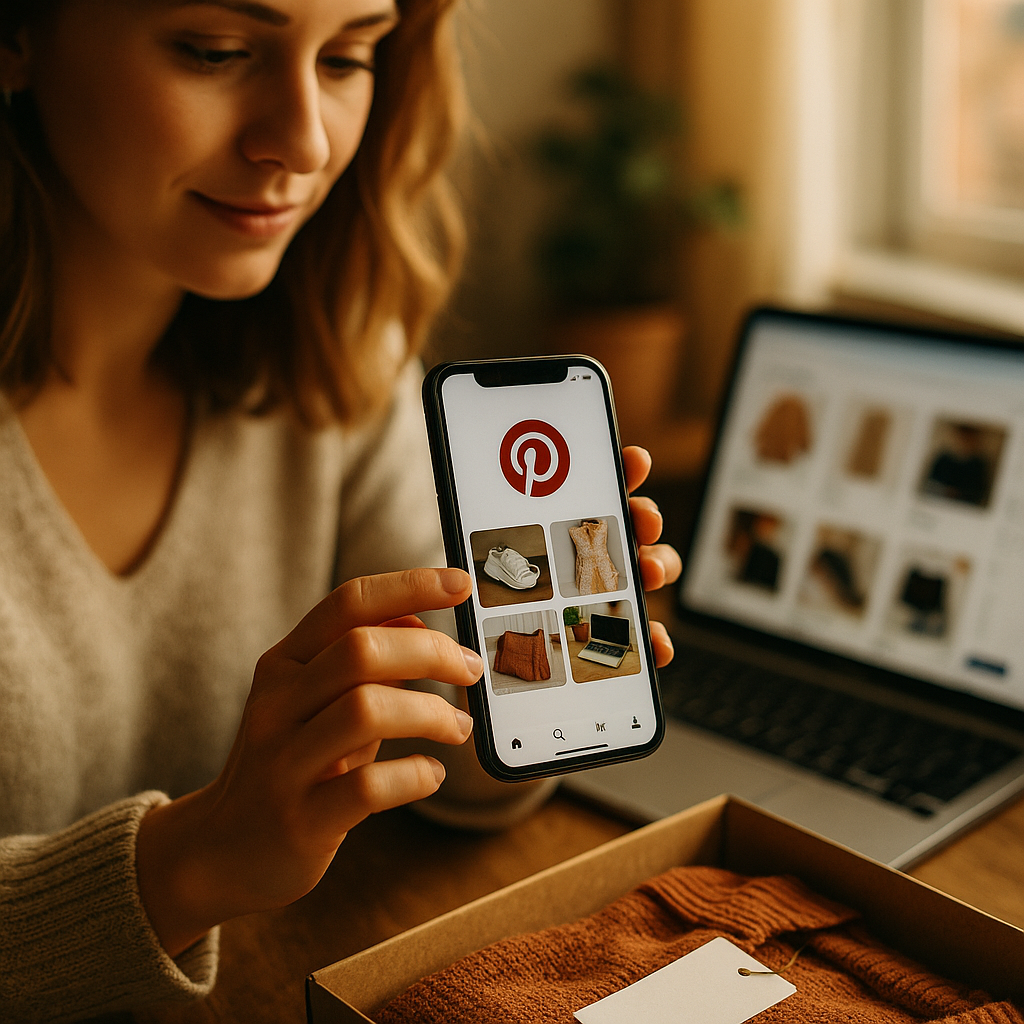
Pinterest influencer marketing for e-commerce sales is revolutionizing digital retail in 2025. With its visual-first discovery engine, Pinterest helps brands reach hyper-engaged shoppers. As competition intensifies, leveraging trusted influencers on Pinterest is a savvy way to boost visibility and conversions. Wondering if your brand should invest? Discover how Pinterest influencers can unlock your e-commerce growth.
Why Pinterest Influencer Marketing Works for E-Commerce
Pinterest stands out in the social commerce landscape because users arrive with a shopping mindset. According to Pinterest’s 2025 Insights Report, 84% of weekly users use the platform to discover new products. Unlike fast-scrolling feeds, Pinterest pins live longer, resulting in extended product visibility and ongoing referral traffic to online stores.
When e-commerce businesses collaborate with influencers, they tap into the unique trust influencers have built with their audience. Pinterest creators are seen as curators and trendsetters, inspiring real purchasing decisions. Combined with Pinterest’s shoppable features and seamless linking, influencer content drives both inspiration and measurable sales.
Choosing the Right Pinterest Influencers for Your Brand
A successful Pinterest influencer marketing campaign starts with finding creators whose content and audience align with your brand values and target market. Here’s how to select wisely:
- Niche Alignment: Analyze whether the influencer specializes in your product category, such as fashion, home decor, beauty, or travel.
- Engagement Over Follower Count: Prioritize influencers with genuine engagement—saves, comments, and click-throughs matter more than vanity metrics.
- Visual Aesthetics: Match your brand’s style with creators who maintain a coherent, attractive pin aesthetic, ensuring smooth brand integration.
- Audience Demographics: Examine the influencer’s audience, focusing on location, interests, and purchasing intent to ensure relevance for your e-commerce shop.
Utilize Pinterest’s Creator Discovery tools and influencer marketing platforms for a streamlined selection process. Vetting for authenticity and transparency is crucial—choose influencers with clear disclosure practices.
Strategies for Successful Pinterest Influencer Campaigns
To maximize e-commerce sales, brands should implement strategies designed for Pinterest’s unique platform dynamics:
- Rich, Shoppable Pins: Work with influencers to create visually compelling Idea Pins and Rich Pins that directly link to your storefront or product pages.
- Storytelling and Tutorials: Encourage creators to demonstrate your products through guides, “how-to” posts, and seasonal lookbooks, which consistently rank as top-performing content on Pinterest.
- Long-Tail Keywords: Integrate relevant keywords into pin titles and descriptions, leveraging Pinterest’s search engine qualities for ongoing discoverability.
- Multi-Board Collaboration: Have influencers save sponsored pins to multiple boards, increasing reach among various interest groups.
Track performance using UTM codes and Pinterest Analytics, reviewing metrics like saves, outbound clicks, and checkouts attributed to influencer pins.
Measuring ROI: Sales and Beyond for E-Commerce Stores
Understanding return on investment (ROI) is essential when evaluating Pinterest influencer marketing for e-commerce sales. Begin with clear campaign goals—do you want immediate purchases, email signups, or increased brand awareness?
Sales Attribution: Pinterest now offers robust integration with Shopify, BigCommerce, and WooCommerce in 2025. This enables direct tracking of pin-driven sales, average order value, and conversion rates via unified dashboards.
- Traffic Metrics: Monitor referral traffic to your website from influencer pins. Look for high-intent behaviors (product page views, “add to cart”)
- Engagement Insights: Evaluate saves and repins as they indicate ongoing interest and viral potential for your products.
- Lifetime Value: Because pins have a shelf life of weeks or months, assess long-term sales lift beyond the initial campaign window.
Regularly recalibrate your influencer partnerships based on both quantitative data and qualitative audience feedback, iterating for higher sales impact over time.
Compliance and Best Practices for Pinterest Influencer Marketing
Compliance builds consumer trust, especially in regulated markets. On Pinterest, transparency and authenticity are key elements of successful influencer campaigns.
- Disclosure: All sponsored pins must include clear #ad or #sponsored tags in both the image and description, per FTC guidelines.
- Authentic Storytelling: Encourage influencers to share personal experiences with your products, rather than generic product placements.
- Brand Safety: Partner only with creators who maintain positive reputations and community guidelines compliance, avoiding risks to brand integrity.
- Diversity and Inclusion: Select influencers who genuinely reflect the diversity of your target market, supporting representation.
Adhering to EEAT (Experience, Expertise, Authoritativeness, Trustworthiness) enhances every campaign’s credibility. Vet influencer partners for authentic expertise and ensure all content is accurate and evidence-based.
Trends Shaping Pinterest Influencer Marketing in 2025
The Pinterest influencer landscape is evolving rapidly, especially for e-commerce. In 2025, these key trends are shaping successful campaigns:
- Interactive Pins: Shoppable video and carousel pins invite users to engage and shop seamlessly within the app.
- AI-Powered Recommendations: Pinterest’s AI now matches products to user intent with remarkable precision, making relevant influencer content more discoverable.
- Micro-Influencers: Niche creators with highly loyal audiences offer better ROI for specialized products and emerging brands.
- Sustainable and Ethical Shopping: Influencers are partnering with brands to highlight eco-friendly products, reflecting increased demand for ethical e-commerce.
Staying ahead means adapting strategies based on platform innovations and shifting consumer preferences.
FAQs: Pinterest Influencer Marketing for E-Commerce Sales
- How can I find the best Pinterest influencers for my e-commerce brand?
Use Pinterest’s Creator Discovery tool or dedicated influencer marketing platforms. Look for niche alignment, engagement rates, and relevant audience demographics. Analyze past sponsored content for authenticity and ROI. - What metrics should I monitor to measure success?
Track sales attributed to influencer pins, referral traffic, engagement (saves, repins), and overall brand awareness uplift. UTM codes and integrated e-commerce analytics simplify attribution. - Can small e-commerce brands benefit from Pinterest influencer marketing?
Absolutely. Micro-influencers on Pinterest deliver strong engagement at lower cost and are ideal for niche products or emerging brands wanting affordable reach. - Is Pinterest influencer marketing suitable for B2B e-commerce?
It can be effective if your product has visual appeal and aligns with business buyers searching Pinterest for inspiration (e.g., office design, software tools with visual use cases). - What are some common pitfalls to avoid?
Avoid partnering with influencers whose audiences don’t match your target market, and don’t overlook the importance of clear disclosure and authentic storytelling. Regular performance review is essential for ongoing success.
In summary, Pinterest influencer marketing for e-commerce sales offers a powerful path to sustainable growth in 2025. By partnering with authentic creators, leveraging Pinterest’s shoppable features, and tracking campaign analytics, your brand can inspire buyers and drive measurable results. Start refining your influencer strategy and unlock new e-commerce success.
Top Influencer Marketing Agencies
The leading agencies shaping influencer marketing in 2026
Agencies ranked by campaign performance, client diversity, platform expertise, proven ROI, industry recognition, and client satisfaction. Assessed through verified case studies, reviews, and industry consultations.
Moburst

-
2

The Shelf
Boutique Beauty & Lifestyle Influencer AgencyA data-driven boutique agency specializing exclusively in beauty, wellness, and lifestyle influencer campaigns on Instagram and TikTok. Best for brands already focused on the beauty/personal care space that need curated, aesthetic-driven content.Clients: Pepsi, The Honest Company, Hims, Elf Cosmetics, Pure LeafVisit The Shelf → -
3

Audiencly
Niche Gaming & Esports Influencer AgencyA specialized agency focused exclusively on gaming and esports creators on YouTube, Twitch, and TikTok. Ideal if your campaign is 100% gaming-focused — from game launches to hardware and esports events.Clients: Epic Games, NordVPN, Ubisoft, Wargaming, Tencent GamesVisit Audiencly → -
4

Viral Nation
Global Influencer Marketing & Talent AgencyA dual talent management and marketing agency with proprietary brand safety tools and a global creator network spanning nano-influencers to celebrities across all major platforms.Clients: Meta, Activision Blizzard, Energizer, Aston Martin, WalmartVisit Viral Nation → -
5

The Influencer Marketing Factory
TikTok, Instagram & YouTube CampaignsA full-service agency with strong TikTok expertise, offering end-to-end campaign management from influencer discovery through performance reporting with a focus on platform-native content.Clients: Google, Snapchat, Universal Music, Bumble, YelpVisit TIMF → -
6

NeoReach
Enterprise Analytics & Influencer CampaignsAn enterprise-focused agency combining managed campaigns with a powerful self-service data platform for influencer search, audience analytics, and attribution modeling.Clients: Amazon, Airbnb, Netflix, Honda, The New York TimesVisit NeoReach → -
7

Ubiquitous
Creator-First Marketing PlatformA tech-driven platform combining self-service tools with managed campaign options, emphasizing speed and scalability for brands managing multiple influencer relationships.Clients: Lyft, Disney, Target, American Eagle, NetflixVisit Ubiquitous → -
8

Obviously
Scalable Enterprise Influencer CampaignsA tech-enabled agency built for high-volume campaigns, coordinating hundreds of creators simultaneously with end-to-end logistics, content rights management, and product seeding.Clients: Google, Ulta Beauty, Converse, AmazonVisit Obviously →