


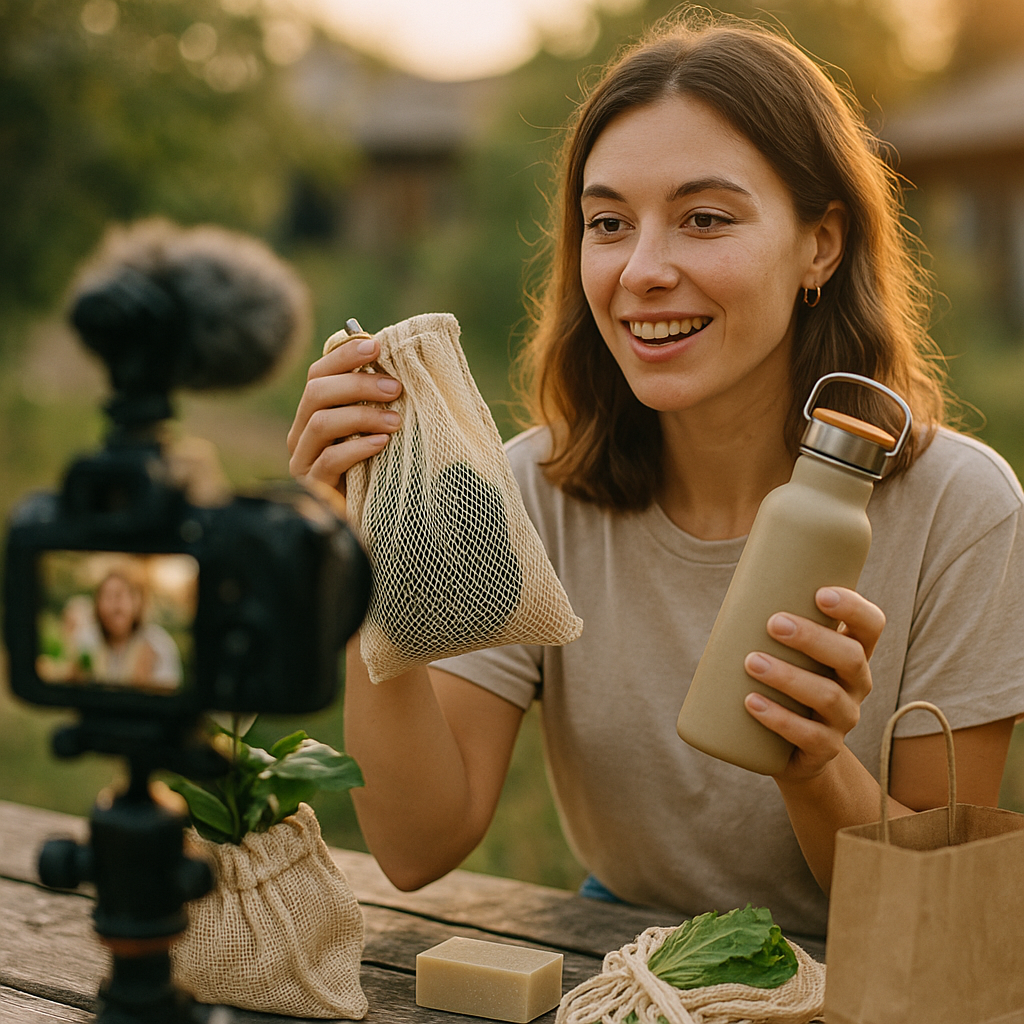
Influencer marketing for sustainable and eco-friendly brands offers an authentic way to reach conscious consumers and amplify positive impact. As audiences increasingly prioritize environmental responsibility, brands must rethink strategy. Learn how to build trust and drive growth by collaborating with the right influencers who champion sustainability and align with your green values.
Why Sustainable Brands Need Influencer Partnerships
As modern consumers become more discerning, eco-friendly and sustainable brands face both opportunities and challenges. A recent 2025 NielsenIQ report highlights that 68% of global shoppers prefer to buy from companies with strong environmental credentials. However, with skepticism surrounding “greenwashing,” brands must demonstrate genuine commitment—this is where influencers make a difference.
Influencers help humanize brand messaging. Their honest opinions, real-life product usage, and behind-the-scenes content build trust exponentially faster than traditional ads. For sustainable brands, partnerships with authentic voices who live by eco-friendly values extend reach and deepen credibility with like-minded audiences.
Choosing the Right Eco-Influencers for Authentic Advocacy
Selecting the right influencer is vital for a successful campaign. Sustainable brands should prioritize authenticity, engagement, and shared values over mere follower counts. Look for:
- Credibility: Has the influencer advocated for eco-friendly causes over time, not just for paid promotions?
- Transparency: Do they regularly disclose partnerships and provide honest reviews?
- Community Engagement: Is there meaningful interaction within their online community?
- Alignment: Do their personal values and content themes fit your brand’s mission?
Avoid working with influencers whose previous endorsements conflict with your values. Micro-influencers—those with 10,000–100,000 followers—often generate higher engagement rates and trust within niche communities, making them a strategic choice for targeted eco-friendly influencer marketing campaigns.
Crafting Compelling Sustainable Influencer Campaigns
Creating an effective eco-friendly influencer campaign involves more than sending a product sample. Successful collaborations require purposeful content co-creation and education. Here’s how to maximize impact:
- Storytelling: Invite influencers to share the brand’s journey through their lens, highlighting ethical sourcing and social impact.
- Education: Collaborate on tutorials, product “unboxings,” or Q&A sessions exploring your brand’s unique sustainability practices.
- Transparency: Encourage influencers to ask questions and share honest feedback, showing you value ongoing improvement.
- Calls to Action: Incorporate tangible ways for audiences to support, such as recycle guides, giveaways of eco-friendly kits, or user-generated content challenges.
Campaigns focused on education and engagement rather than hard selling empower audiences to make informed, responsible choices in 2025.
Measuring ROI in Sustainable Influencer Marketing
Determining success goes beyond likes and shares. Key performance indicators (KPIs) for eco-friendly influencer collaborations should prioritize depth of engagement and brand sentiment. Track metrics such as:
- Engagement Rate: Comments, saves, and shares that indicate meaningful interaction and endorsement.
- Brand Mentions: Quality of conversations surrounding sustainability and ethics, monitored through social listening tools.
- Website Traffic & Conversion: Increases in visits to sustainability pages and purchases of eco-conscious products.
- Community Growth: Growth in social followers, newsletter signups, or user-generated content submissions.
Qualitative feedback matters too. Monitor audience sentiment in comment threads and direct messages. Genuine questions or stories about positive change signal your influencer campaign is fostering real impact. In 2025, Google values brands who show not just reach, but also their role in driving meaningful behavior change.
Best Practices to Avoid Greenwashing Concerns
Todays’ ethical audiences are alert to greenwashing— the practice of inflating or misrepresenting environmental claims. To maintain trust and credibility in influencer marketing for sustainable brands:
- Base all communication on verifiable data and transparent reporting. Share certifications, life cycle analyses, and progress updates.
- Educate influencers on your brand’s eco-mission. Supply them with facts and context to empower authentic storytelling.
- Insist on honest reviews, even if constructive criticism is involved. Audiences value transparency over perfection.
- Comply with advertising laws. All paid partnerships and gifted products should be clearly disclosed. In 2025, regulatory scrutiny is high for misleading environmental marketing.
Remember, building a sustainable brand reputation is a long-term goal—prioritize honesty and continual improvement in every influencer collaboration.
Integrating Influencer Insights into Brand Strategy
Influencers are not just brand amplifiers—they are direct lines to your target audience. Leverage their feedback for continual product and messaging refinement:
- Host influencer roundtables or feedback sessions to gain frontline insights on consumer pain points and sustainable opportunities.
- Use influencer-generated questions and comments to inform blog posts, sustainability FAQs, and product guides.
- Collaborate on co-branded campaigns and limited-edition eco-friendly product drops, strengthening both influencer and brand communities.
- Celebrate shared milestones, such as plastic reduction or tree-planting initiatives, to foster long-term relationships and showcase collective impact.
By listening and responding to both influencers and their communities, sustainable brands evolve with their audience, building authentic, lasting loyalty in 2025 and beyond.
Influencer marketing for sustainable and eco-friendly brands requires a values-led approach, supporting real impact over mere promotion. By collaborating with authentic eco-influencers, prioritizing transparency, and engaging audiences with education and honesty, green brands can build deep trust, foster community, and drive measurable growth in the conscious marketplace.
FAQs: Influencer Marketing for Sustainable and Eco-Friendly Brands
-
How do I find authentic eco-influencers for my brand?
Start by searching social media platforms for influencers who consistently share eco-friendly content. Use hashtags related to sustainability and check for meaningful audience engagement. Consider micro-influencers within your niche, and always verify their history for genuine commitment to sustainability.
-
What should I avoid when launching sustainable influencer marketing campaigns?
Avoid working with influencers whose past endorsements contradict your values. Steer clear of exaggerated environmental claims or greenwashing. Ensure honest disclosures and support all sustainability statements with verifiable data.
-
How can I measure the success of my eco-friendly influencer campaign?
Beyond impressions, track in-depth engagement metrics like comment quality, story replies, and website conversions. Monitor brand sentiment and look for increased discussions around your sustainability initiatives. Use surveys or feedback to gather qualitative insights.
-
Are micro-influencers better for sustainable brands?
Often, yes. Micro-influencers tend to have higher engagement and deeper trust within their communities. Their followers are more likely to value and act on personal recommendations, making them ideal partners for authentic, impact-driven campaigns.
-
What policies ensure compliance with advertising standards in 2025?
Disclose all partnership details clearly in posts or stories. Provide influencers with up-to-date information on your sustainability practices and certifications. Regularly review guidelines from regulatory bodies to ensure your campaigns remain compliant as transparency expectations evolve.
Top Influencer Marketing Agencies
The leading agencies shaping influencer marketing in 2026
Agencies ranked by campaign performance, client diversity, platform expertise, proven ROI, industry recognition, and client satisfaction. Assessed through verified case studies, reviews, and industry consultations.
Moburst

-
2

The Shelf
Boutique Beauty & Lifestyle Influencer AgencyA data-driven boutique agency specializing exclusively in beauty, wellness, and lifestyle influencer campaigns on Instagram and TikTok. Best for brands already focused on the beauty/personal care space that need curated, aesthetic-driven content.Clients: Pepsi, The Honest Company, Hims, Elf Cosmetics, Pure LeafVisit The Shelf → -
3

Audiencly
Niche Gaming & Esports Influencer AgencyA specialized agency focused exclusively on gaming and esports creators on YouTube, Twitch, and TikTok. Ideal if your campaign is 100% gaming-focused — from game launches to hardware and esports events.Clients: Epic Games, NordVPN, Ubisoft, Wargaming, Tencent GamesVisit Audiencly → -
4

Viral Nation
Global Influencer Marketing & Talent AgencyA dual talent management and marketing agency with proprietary brand safety tools and a global creator network spanning nano-influencers to celebrities across all major platforms.Clients: Meta, Activision Blizzard, Energizer, Aston Martin, WalmartVisit Viral Nation → -
5

The Influencer Marketing Factory
TikTok, Instagram & YouTube CampaignsA full-service agency with strong TikTok expertise, offering end-to-end campaign management from influencer discovery through performance reporting with a focus on platform-native content.Clients: Google, Snapchat, Universal Music, Bumble, YelpVisit TIMF → -
6

NeoReach
Enterprise Analytics & Influencer CampaignsAn enterprise-focused agency combining managed campaigns with a powerful self-service data platform for influencer search, audience analytics, and attribution modeling.Clients: Amazon, Airbnb, Netflix, Honda, The New York TimesVisit NeoReach → -
7

Ubiquitous
Creator-First Marketing PlatformA tech-driven platform combining self-service tools with managed campaign options, emphasizing speed and scalability for brands managing multiple influencer relationships.Clients: Lyft, Disney, Target, American Eagle, NetflixVisit Ubiquitous → -
8

Obviously
Scalable Enterprise Influencer CampaignsA tech-enabled agency built for high-volume campaigns, coordinating hundreds of creators simultaneously with end-to-end logistics, content rights management, and product seeding.Clients: Google, Ulta Beauty, Converse, AmazonVisit Obviously →