


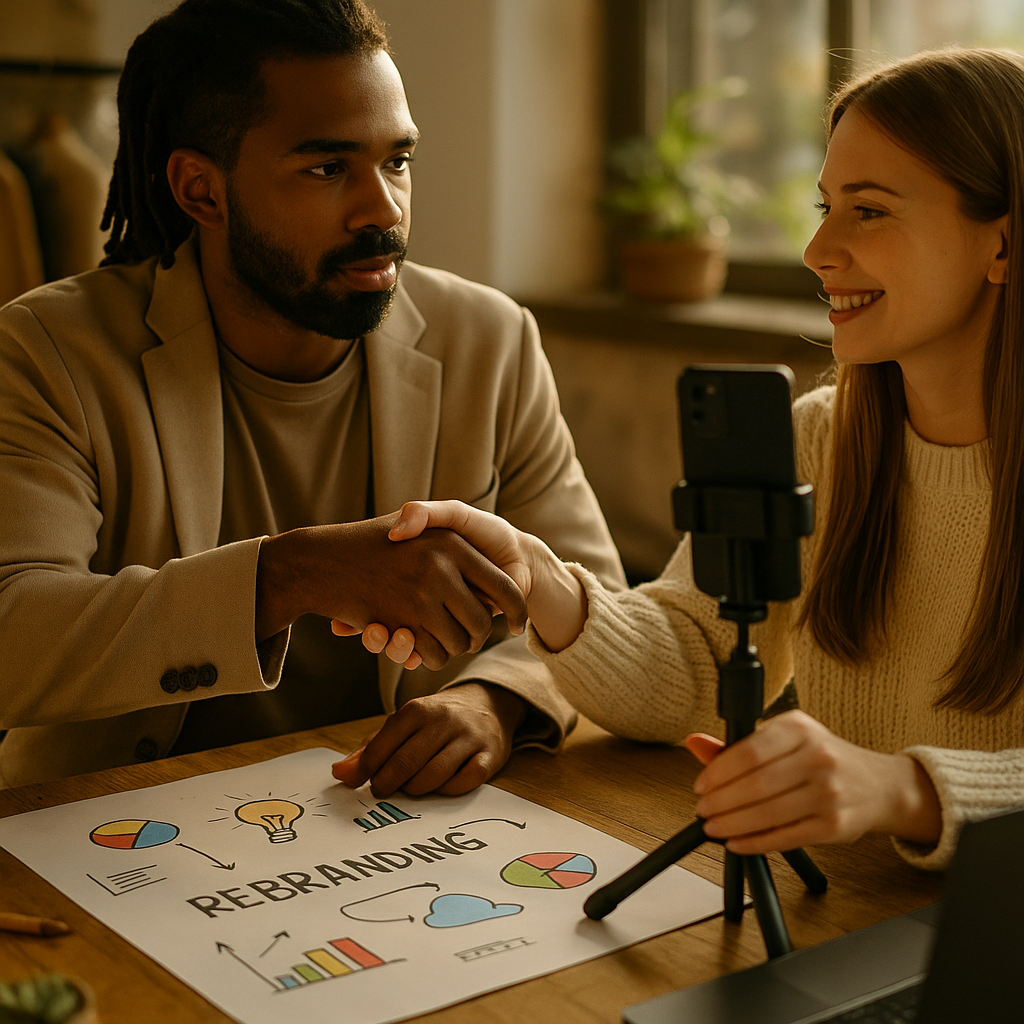
Rebranding through influencer partnerships is transforming how brands regain relevance and earn trust in saturated markets. By leveraging influential voices, companies can introduce new identities, boost awareness, and accelerate acceptance. But what makes these collaborations truly effective? Explore a compelling case study that unveils strategies, results, and actionable insights for any brand considering an influencer-powered rebrand in 2025.
Why Influencer Partnerships are Changing the Rebranding Landscape
The growing saturation across digital channels means audiences are tuning out traditional advertising. To cut through the noise, brands turn to influencer marketing strategies, especially during rebranding campaigns. According to a recent survey by Statista, over 76% of marketers reported that influencer partnerships delivered more qualified engagement during rebranding than classic media buy-ins.
Influencers offer instant access to niche communities and provide social proof. When a trusted voice advocates for a renewed brand identity, audiences are more likely to listen and respond positively. In the context of rebranding, this authenticity is essential for bridging the gap between a brand’s past image and its refreshed positioning.
Case Study: How a Beauty Brand Revived Its Image with Creator Collaborations
Let us examine the 2025 rebrand of GloEssence, a mid-tier beauty label struggling with outdated perceptions and declining market share. Their new identity focused on vegan, sustainable products. But internal messaging alone wasn’t enough—the company needed real conversations and external validation.
- Identifying the Right Influencers: The team analyzed demographic matches and partnered with eco-conscious skincare influencers whose followers aligned with their target audience—mainly Gen Z and Millennials valuing ethical consumption.
- Co-Creation of Content: GloEssence empowered these creators to develop their own routines using the rebranded products rather than dictating content style. This produced authentic narratives and heightened trust.
- Exclusive Launch Events: Select influencers attended virtual product trials and Q&A sessions with the GloEssence R&D team, generating unique, behind-the-scenes content their audiences hadn’t seen before.
- Measurable Outcomes: Within four months, GloEssence reported a 39% uptick in website visits, a 27% rise in direct social mentions, and, notably, a 59% uplift in conversion rates when influencer-generated content was featured.
The success hinged on a clearly defined partnership strategy and a willingness to let influencers’ authentic voices take center stage. This collaborative model made the new brand message truly resonate.
Best Practices for Structuring Influencer-Driven Rebrands
A well-structured influencer collaboration for rebranding balances creative freedom with clear brand guidelines. Here are actionable steps for aligning stakeholders and ensuring campaign consistency:
- Define Clear Objectives: Are you seeking increased awareness, a shift in brand sentiment, or conversions? Agree on measurable KPIs before outreach begins.
- Select Authentic Influencers: Evaluate potential partners for genuine affinity to your new brand values, not just follower counts. Micro-influencers often offer higher engagement within niche segments.
- Foster Co-Creation: Instead of prescriptive campaigns, provide influencers with product insights, inspiration, and creative autonomy. Encourage detailed feedback—they understand their audiences best.
- Offer Exclusive Experiences: Behind-the-scenes access, AMAs, and early product previews help build unique stories and emotional bonds between influencers and the brand.
- Invest in Measurement: Use platform analytics and UTM links to assess which influencer posts drive traffic, awareness, and conversions. Adjust strategy based on real-time data, not assumptions.
Following these steps ensures the rebrand remains credible and generates long-term value, not fleeting hype.
Overcoming Common Challenges in Influencer-Led Rebrands
Even the most promising influencer partnership campaigns for rebranding face challenges—ranging from mixed messaging to managing stakeholder expectations. Here are proven ways to address frequent pitfalls:
- Alignment Gaps: Regular briefings and content approvals help ensure influencer messaging aligns with your rebrand vision, while still leaving room for creative input.
- Audience Skepticism: Acknowledge potential concerns about the rebrand openly. Equip influencers with honest talking points and full product details so they can address tough questions openly.
- Measurement Difficulties: Beyond likes and shares, track dwell times, branded search queries, and post-campaign sentiment. Invest in analytics tools that provide a multi-layered picture of impact.
- Risk of Over-Control: Resist the urge to micromanage content style. Consumers quickly spot inauthentic partnerships—trust influencers to know what resonates with their communities.
Navigating these challenges requires honest communication, mutual respect, and a focus on transparency throughout the campaign.
Key Success Metrics for Influencer Partnership Rebrands in 2025
Brands must track beyond vanity metrics to measure the true ROI of influencer marketing for rebranding. Leading firms consider robust KPIs linked directly to business objectives:
- Brand Awareness: Growth in unaided brand recall, increases in branded search volume, and reach among new customer segments.
- Engagement Quality: Depth and sentiment of influencer content comments, shares, and saves—signals of real audience connection, not just passive viewership.
- Conversion Rates: Monitoring completed purchases, sign-ups, or inquiries originating from influencer-driven touchpoints, tracked via custom links or promo codes.
- Customer Loyalty: Analyzing retention rates, repurchase frequency, and Net Promoter Scores (NPS) among users exposed to the influencer campaign.
- Media Value: Calculating the earned media value (EMV) of influencer content compared to equivalent paid advertising costs.
Organizations using a blend of short-term and long-term metrics are best positioned to optimize future influencer-driven rebranding efforts.
Future Outlook: Influencer Partnerships and Brand Evolution
Rebranding with influencers is not a single campaign but an evolving relationship. As AI tools, AR/VR activations, and even virtual influencers gain traction in 2025, brands should experiment with new content formats and partnership models. Consistent collaboration keeps messaging fresh and adapts the brand narrative alongside cultural trends.
For brands ready to transform perceptions, strategically planned influencer partnerships—and a willingness to listen—prepare the ground for sustained market leadership.
FAQs: Case Study Rebranding Through Influencer Partnerships
-
Why should brands use influencer partnerships during a rebrand?
Influencers provide credibility, rapid audience reach, and authentic storytelling. Their communities are more likely to embrace and advocate for a brand’s new direction if it’s delivered by a trusted voice.
-
How do you choose the right influencer for a rebranding campaign?
Look beyond follower numbers. Pick influencers whose values, content themes, and audience demographics strongly match your rebranding goals.
-
What content works best in influencer-led rebrands?
Behind-the-scenes footage, authentic product trials, AMAs, and UGC-style content typically outperform scripted endorsements, as they feel genuine and relatable.
-
How do brands measure the ROI of influencer partnerships?
By tracking KPIs such as brand recall, sentiment, conversion rates, and lifetime value of newly acquired customers exposed to influencer content.
-
What’s the biggest challenge in influencer-driven rebranding?
Maintaining a balance between brand messaging and influencer authenticity. Too much control stifles credibility, while too little can dilute core messages.
Influencer partnerships have become a proven catalyst for impactful rebranding, igniting new relevance and trust. By aligning with authentic voices and prioritizing transparent collaboration, brands can navigate rebrands with confidence—securing both measurable results and enduring audience loyalty in 2025’s ever-changing marketplace.
Top Influencer Marketing Agencies
The leading agencies shaping influencer marketing in 2026
Agencies ranked by campaign performance, client diversity, platform expertise, proven ROI, industry recognition, and client satisfaction. Assessed through verified case studies, reviews, and industry consultations.
Moburst

-
2

The Shelf
Boutique Beauty & Lifestyle Influencer AgencyA data-driven boutique agency specializing exclusively in beauty, wellness, and lifestyle influencer campaigns on Instagram and TikTok. Best for brands already focused on the beauty/personal care space that need curated, aesthetic-driven content.Clients: Pepsi, The Honest Company, Hims, Elf Cosmetics, Pure LeafVisit The Shelf → -
3

Audiencly
Niche Gaming & Esports Influencer AgencyA specialized agency focused exclusively on gaming and esports creators on YouTube, Twitch, and TikTok. Ideal if your campaign is 100% gaming-focused — from game launches to hardware and esports events.Clients: Epic Games, NordVPN, Ubisoft, Wargaming, Tencent GamesVisit Audiencly → -
4

Viral Nation
Global Influencer Marketing & Talent AgencyA dual talent management and marketing agency with proprietary brand safety tools and a global creator network spanning nano-influencers to celebrities across all major platforms.Clients: Meta, Activision Blizzard, Energizer, Aston Martin, WalmartVisit Viral Nation → -
5

The Influencer Marketing Factory
TikTok, Instagram & YouTube CampaignsA full-service agency with strong TikTok expertise, offering end-to-end campaign management from influencer discovery through performance reporting with a focus on platform-native content.Clients: Google, Snapchat, Universal Music, Bumble, YelpVisit TIMF → -
6

NeoReach
Enterprise Analytics & Influencer CampaignsAn enterprise-focused agency combining managed campaigns with a powerful self-service data platform for influencer search, audience analytics, and attribution modeling.Clients: Amazon, Airbnb, Netflix, Honda, The New York TimesVisit NeoReach → -
7

Ubiquitous
Creator-First Marketing PlatformA tech-driven platform combining self-service tools with managed campaign options, emphasizing speed and scalability for brands managing multiple influencer relationships.Clients: Lyft, Disney, Target, American Eagle, NetflixVisit Ubiquitous → -
8

Obviously
Scalable Enterprise Influencer CampaignsA tech-enabled agency built for high-volume campaigns, coordinating hundreds of creators simultaneously with end-to-end logistics, content rights management, and product seeding.Clients: Google, Ulta Beauty, Converse, AmazonVisit Obviously →