


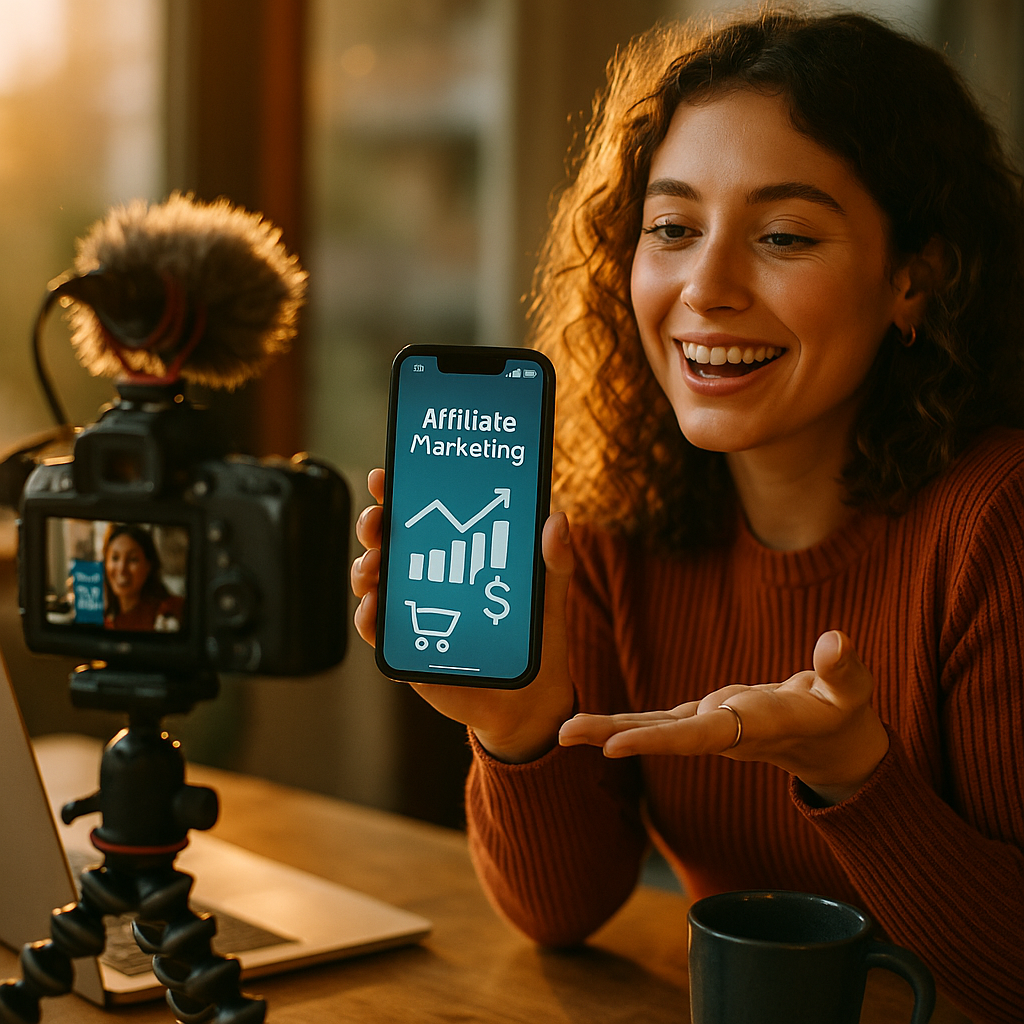
Integrating influencers into affiliate marketing programs can dramatically boost brand awareness, trust, and conversion rates. As influencer partnerships evolve in 2025, brands are reimagining their affiliate strategies for maximum impact. Ready to harness the combined power of influencers and affiliate marketing? Discover proven methods, real-world insights, and critical success factors in our comprehensive guide.
Why Leverage Influencers in Affiliate Marketing? The Power of Social Proof
Including influencers in your affiliate marketing program brings authentic endorsements to your brand. With social platforms dominating digital attention in 2025, consumers trust recommendations from personalities they follow. According to a Statista report from early 2025, 63% of consumers said they discovered new brands directly through influencer content. The unique value influencers offer includes:
- Built-in Audiences: Influencers deliver instant access to target demographics that fit your buyer personas.
- Authentic Storytelling: Their creative content showcases your product in relatable, real-life settings.
- Peer Validation: Followers view influencer recommendations as credible, unlike traditional ads.
- Higher Engagement: Influencer posts drive more clicks and conversions than standard affiliate links.
Successful affiliate programs align seamlessly with influencer strategies, offering stakeholders measurable gains and deeper loyalty.
How to Select the Right Influencers for Your Affiliate Program
Identifying the best influencers requires careful consideration of your goals and your audience. EEAT guidelines emphasize expertise and trustworthiness—qualities your chosen partners must embody. To ensure success:
- Define Audience Criteria: Outline demographic, location, and interest data relevant to your products.
- Vet Authenticity: Examine engagement rates, audience comments, and past brand collaborations. Avoid influencers with suspicious follower spikes or engagement pods.
- Assess Alignment: The influencer’s style and values should complement your brand ethos and messaging.
- Evaluate Performance Capabilities: Inquire about click-through and historical affiliate campaign results. Reliable influencers are transparent about their track record.
Platforms like GRIN and Aspire are popular for streamlining influencer discovery with comprehensive analytics, making it easier to select partners who deliver true value to affiliate campaigns.
Crafting the Ideal Affiliate Offer for Influencers
Today’s influencer affiliates seek more than just coupon codes. Tailored incentives can motivate better content and improved performance. When crafting your offer:
- Commission Structure: Use tiered, competitive commissions that reward high performers and incentivize continual promotion.
- Exclusive Benefits: Provide early product access, custom discount codes, or bonus payouts for milestone achievements.
- Transparent Tracking: Equip partners with clear dashboards for real-time monitoring of clicks, sales, and commissions.
- Streamlined Communication: Set up feedback channels and regular check-ins to maintain motivation and creative alignment.
Remember, a compelling affiliate offer honors both the influencer’s creative control and your brand’s marketing objectives. Strong partnerships result from mutual respect and measurable rewards.
Measuring Success: Attribution, Analytics, and ROI with Influencer Affiliates
Proper attribution ensures you fairly reward influencers and optimize your affiliate strategy. In 2025, advanced analytics tools help brands achieve:
- Granular Performance Tracking: Use UTM parameters, pixel-based tracking, and dedicated landing pages to match conversions to each influencer.
- Fraud Detection: Leverage machine learning to prevent click fraud and fake conversions in your affiliate program.
- Holistic ROI Analysis: Evaluate metrics beyond direct sales—consider new followers gained, engagement boosts, and long-tail brand lift.
By benchmarking influencer affiliate performance, you can allocate budget more effectively and identify the most influential partners. Regular reporting and transparent feedback reinforce trust and continuous improvement on both sides.
Compliance and Best Practices: Maintaining FTC and EEAT Standards
Regulatory compliance protects your brand and your partners. In 2025, consumers and authorities expect transparency in affiliate collaborations. Take these steps for peace of mind:
- Clear Disclosures: Ensure influencers clearly disclose all affiliate links and partnerships per FTC guidelines and platform policies.
- Content Review: Vet affiliate content for accuracy, brand fit, and authenticity before publication if possible.
- Contractual Agreements: Outline deliverables, commission terms, and content usage rights in every influencer agreement.
- Ongoing Training: Regularly update affiliates on compliance rules and content best practices.
Maintaining high EEAT (Experience, Expertise, Authority, Trustworthiness) standards not only ensures safety but also elevates your brand reputation in the eyes of your audience.
Scaling and Innovating: Future Trends in Influencer Affiliate Programs
Looking ahead, influencer affiliate programs will continue their digital evolution. Stay ahead by:
- Leveraging Micro-Influencers: These niche creators drive higher conversion rates in close-knit communities.
- Integrating AI: Use AI-powered analytics to predict who will become your top performers and to optimize commission payouts based on predicted LTV (Lifetime Value).
- Shoppable Content: Invest in formats (e.g., in-video checkout, Instagram Shops) that reduce friction for buyers coming from influencer content.
- Community-Driven Campaigns: Foster loyalty programs that reward both affiliates and their engaged audiences.
Top brands are viewing influencer affiliate partnerships as long-term relationships, not one-off deals—driving cumulative growth across sales, reach, and influence.
FAQs: Integrating Influencers and Affiliate Marketing
-
How do you track influencer-driven affiliate sales accurately?
Implement unique tracking links, UTM parameters, and real-time dashboards so every sale and lead is attributed to the correct influencer affiliate. -
What commission rate should you offer influencer affiliates in 2025?
Most brands offer rates between 10% and 30% for influencers, depending on industry, content type, and expected reach. Premium products may warrant higher incentives. -
What are the main compliance risks when partnering with influencer affiliates?
Lack of proper disclosure, false claims about products, and inaccurate tracking can lead to regulatory action and loss of consumer trust. Always require disclosure and document deliverables. -
Do micro-influencers outperform larger influencers in affiliate marketing?
Micro-influencers often have higher engagement and more niche audiences, leading to better conversion rates per follower—even if their overall reach is smaller. -
How do you motivate influencers to stay active in your affiliate program?
Provide ongoing support, creative freedom, tiered rewards, and regular feedback. Recognize your top performers and offer first looks at upcoming products or larger campaigns.
Successfully integrating influencers into affiliate marketing programs means blending authenticity, analytics, and compliance. Brands that nurture lasting, transparent partnerships with trusted influencers will outpace competitors and achieve measurable, scalable growth in 2025 and beyond.
Top Influencer Marketing Agencies
The leading agencies shaping influencer marketing in 2026
Agencies ranked by campaign performance, client diversity, platform expertise, proven ROI, industry recognition, and client satisfaction. Assessed through verified case studies, reviews, and industry consultations.
Moburst

-
2

The Shelf
Boutique Beauty & Lifestyle Influencer AgencyA data-driven boutique agency specializing exclusively in beauty, wellness, and lifestyle influencer campaigns on Instagram and TikTok. Best for brands already focused on the beauty/personal care space that need curated, aesthetic-driven content.Clients: Pepsi, The Honest Company, Hims, Elf Cosmetics, Pure LeafVisit The Shelf → -
3

Audiencly
Niche Gaming & Esports Influencer AgencyA specialized agency focused exclusively on gaming and esports creators on YouTube, Twitch, and TikTok. Ideal if your campaign is 100% gaming-focused — from game launches to hardware and esports events.Clients: Epic Games, NordVPN, Ubisoft, Wargaming, Tencent GamesVisit Audiencly → -
4

Viral Nation
Global Influencer Marketing & Talent AgencyA dual talent management and marketing agency with proprietary brand safety tools and a global creator network spanning nano-influencers to celebrities across all major platforms.Clients: Meta, Activision Blizzard, Energizer, Aston Martin, WalmartVisit Viral Nation → -
5

The Influencer Marketing Factory
TikTok, Instagram & YouTube CampaignsA full-service agency with strong TikTok expertise, offering end-to-end campaign management from influencer discovery through performance reporting with a focus on platform-native content.Clients: Google, Snapchat, Universal Music, Bumble, YelpVisit TIMF → -
6

NeoReach
Enterprise Analytics & Influencer CampaignsAn enterprise-focused agency combining managed campaigns with a powerful self-service data platform for influencer search, audience analytics, and attribution modeling.Clients: Amazon, Airbnb, Netflix, Honda, The New York TimesVisit NeoReach → -
7

Ubiquitous
Creator-First Marketing PlatformA tech-driven platform combining self-service tools with managed campaign options, emphasizing speed and scalability for brands managing multiple influencer relationships.Clients: Lyft, Disney, Target, American Eagle, NetflixVisit Ubiquitous → -
8

Obviously
Scalable Enterprise Influencer CampaignsA tech-enabled agency built for high-volume campaigns, coordinating hundreds of creators simultaneously with end-to-end logistics, content rights management, and product seeding.Clients: Google, Ulta Beauty, Converse, AmazonVisit Obviously →