


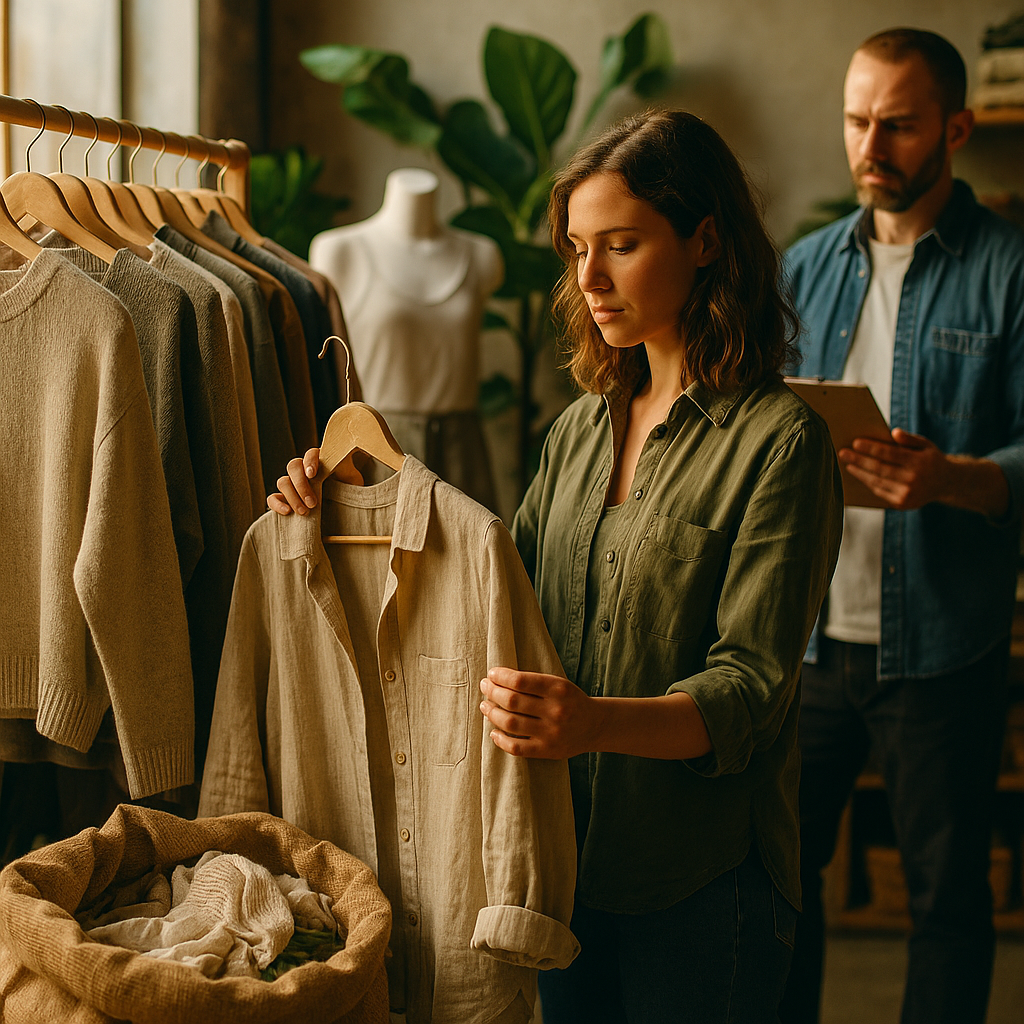
The fashion industry is at a turning point, and brands are under increasing pressure to adopt eco-friendly practices. This case study fashion brand pivoting to sustainability explores how one innovative company transformed its business model to prioritize the planet—and what actionable lessons other brands can glean from their journey. Read on to discover the steps behind a successful green transition.
The Road to a Sustainable Fashion Strategy
Developing a sustainability strategy in fashion is no longer optional; it’s become essential for relevance and resilience. In 2025, consumers expect greater transparency about sourcing, production, and environmental impact. The brand at the center of this case study—let’s call it “Vireo”—began its shift with a bold new mission: reduce waste, lower emissions, and offer ethical products without compromising style. Leadership set clear goals based on current data from non-profit organizations and government standards, committing publicly to transparent progress reports. By building sustainability into its core values, Vireo set the foundation for every decision that followed.
Sourcing Eco-Friendly Materials and Responsible Manufacturing
Sustainable sourcing marks the first tangible step for a fashion brand pivoting to eco-consciousness. Vireo conducted a full audit of its existing supply chain to identify areas with the highest ecological footprint. The company phased out conventional fabrics, favoring organic cotton, linen, TENCEL™, and recycled polyester—materials proven to require less water and fewer chemicals. They also worked with suppliers certified by credible third parties such as the Global Organic Textile Standard (GOTS). Manufacturing was relocated to factories certified for fair wages, ethical treatment, and low-impact dye processes. Clear communication about these changes built customer trust and attracted an audience invested in low-impact products.
Circular Economy Initiatives and Product Life Extension
Minimizing waste demands rethinking the traditional take-make-dispose model. In 2025, Vireo launched a circular economy program, allowing customers to return worn items for repair, resale, or recycling. This model, now widely adopted by leading sustainable fashion brands, extended the life of Vireo’s products while reducing landfill contributions. Unwearable garments were broken down into fibers for use in limited-edition “ReVireo” collections, supporting a closed product loop. Loyalty incentives encouraged repeat participation. Internal data revealed that more than 60% of ongoing customers engaged in these circular initiatives, resulting in a measurable drop in production waste and new material use.
Marketing Sustainability and Customer Engagement
No brand transformation succeeds without effective communication. Vireo’s sustainability marketing strategy leveraged social media, educational content, and transparency reports to highlight their efforts. Rather than greenwashing, they focused on quantifiable impact—such as gallons of water saved or tons of carbon emissions offset, verified in partnership with third-party environmental consultants. User-generated content became a powerful tool; real customers shared stories about their favorite Vireo pieces, durability, and participation in circular economy programs. These experiences strengthened community bonds and initiated valuable feedback loops essential for continuous improvement.
The Financial and Social Impact of Sustainable Fashion
Pivoting to sustainability isn’t just an ethical move—it’s proving profitable. According to a 2025 McKinsey report, brands integrating eco-friendly practices are outperforming conventional peers in both revenue and customer retention. Vireo reported a 20% year-over-year increase in sales post-transition, driven by millennials and Gen Z shoppers who consider sustainability a non-negotiable. Cost savings from waste reduction and increased operational efficiencies bolstered margins. Furthermore, the brand attracted high-talent employees passionate about making a real impact, improving company culture in a tight labor market. Socially, Vireo became a model for inclusive and transparent business, contributing to broader industry standards and influencing peer brands to take similar action.
Overcoming Challenges and Lessons Learned
Pivoting a fashion brand to sustainability poses significant challenges—from re-engineering supply chains to retraining staff and managing upfront costs. Vireo’s leadership acknowledged the necessity of heavy investment in supplier relationships and technology upgrades, but found that phased implementation, ongoing education, and honest communication with stakeholders ensured long-term success. The most valuable lesson? Don’t wait for perfection. Start with achievable goals, measure progress, and remain agile as regulations, technologies, and consumer expectations evolve. This change mindset, supported by actionable data, distinguishes leaders in sustainable fashion from those at risk of falling behind.
In summary, Vireo’s case shows that pivoting to sustainability drives measurable value for fashion brands, their customers, and the planet. Every company can begin with small but meaningful changes that build greater impact over time—and the moment to start is now.
FAQs: Fashion Brand Sustainability Pivot
-
What is a sustainable fashion brand?
A sustainable fashion brand adopts practices to minimize environmental impact, uses ethical sourcing, and ensures fair labor while providing transparency and product durability.
-
How can a brand begin transitioning to sustainability?
Start by auditing current practices, set clear environmental goals, source better materials, engage with responsible manufacturers, and communicate efforts transparently to customers.
-
Is pivoting to sustainability expensive for fashion companies?
There can be upfront costs for new materials and supply chain changes, but brands often see long-term savings from waste reduction and improved operational efficiency.
-
What are circular economy initiatives in fashion?
These are programs that extend a product’s life through repair, resale, or recycling, helping to reduce waste and reliance on new materials.
-
Do consumers care about sustainability in 2025?
Yes—data shows that most customers, especially younger generations, prefer brands that are transparent about their environmental impact and prioritize sustainability in their products and ethos.
Top Influencer Marketing Agencies
The leading agencies shaping influencer marketing in 2026
Agencies ranked by campaign performance, client diversity, platform expertise, proven ROI, industry recognition, and client satisfaction. Assessed through verified case studies, reviews, and industry consultations.
Moburst

-
2

The Shelf
Boutique Beauty & Lifestyle Influencer AgencyA data-driven boutique agency specializing exclusively in beauty, wellness, and lifestyle influencer campaigns on Instagram and TikTok. Best for brands already focused on the beauty/personal care space that need curated, aesthetic-driven content.Clients: Pepsi, The Honest Company, Hims, Elf Cosmetics, Pure LeafVisit The Shelf → -
3

Audiencly
Niche Gaming & Esports Influencer AgencyA specialized agency focused exclusively on gaming and esports creators on YouTube, Twitch, and TikTok. Ideal if your campaign is 100% gaming-focused — from game launches to hardware and esports events.Clients: Epic Games, NordVPN, Ubisoft, Wargaming, Tencent GamesVisit Audiencly → -
4

Viral Nation
Global Influencer Marketing & Talent AgencyA dual talent management and marketing agency with proprietary brand safety tools and a global creator network spanning nano-influencers to celebrities across all major platforms.Clients: Meta, Activision Blizzard, Energizer, Aston Martin, WalmartVisit Viral Nation → -
5

The Influencer Marketing Factory
TikTok, Instagram & YouTube CampaignsA full-service agency with strong TikTok expertise, offering end-to-end campaign management from influencer discovery through performance reporting with a focus on platform-native content.Clients: Google, Snapchat, Universal Music, Bumble, YelpVisit TIMF → -
6

NeoReach
Enterprise Analytics & Influencer CampaignsAn enterprise-focused agency combining managed campaigns with a powerful self-service data platform for influencer search, audience analytics, and attribution modeling.Clients: Amazon, Airbnb, Netflix, Honda, The New York TimesVisit NeoReach → -
7

Ubiquitous
Creator-First Marketing PlatformA tech-driven platform combining self-service tools with managed campaign options, emphasizing speed and scalability for brands managing multiple influencer relationships.Clients: Lyft, Disney, Target, American Eagle, NetflixVisit Ubiquitous → -
8

Obviously
Scalable Enterprise Influencer CampaignsA tech-enabled agency built for high-volume campaigns, coordinating hundreds of creators simultaneously with end-to-end logistics, content rights management, and product seeding.Clients: Google, Ulta Beauty, Converse, AmazonVisit Obviously →