


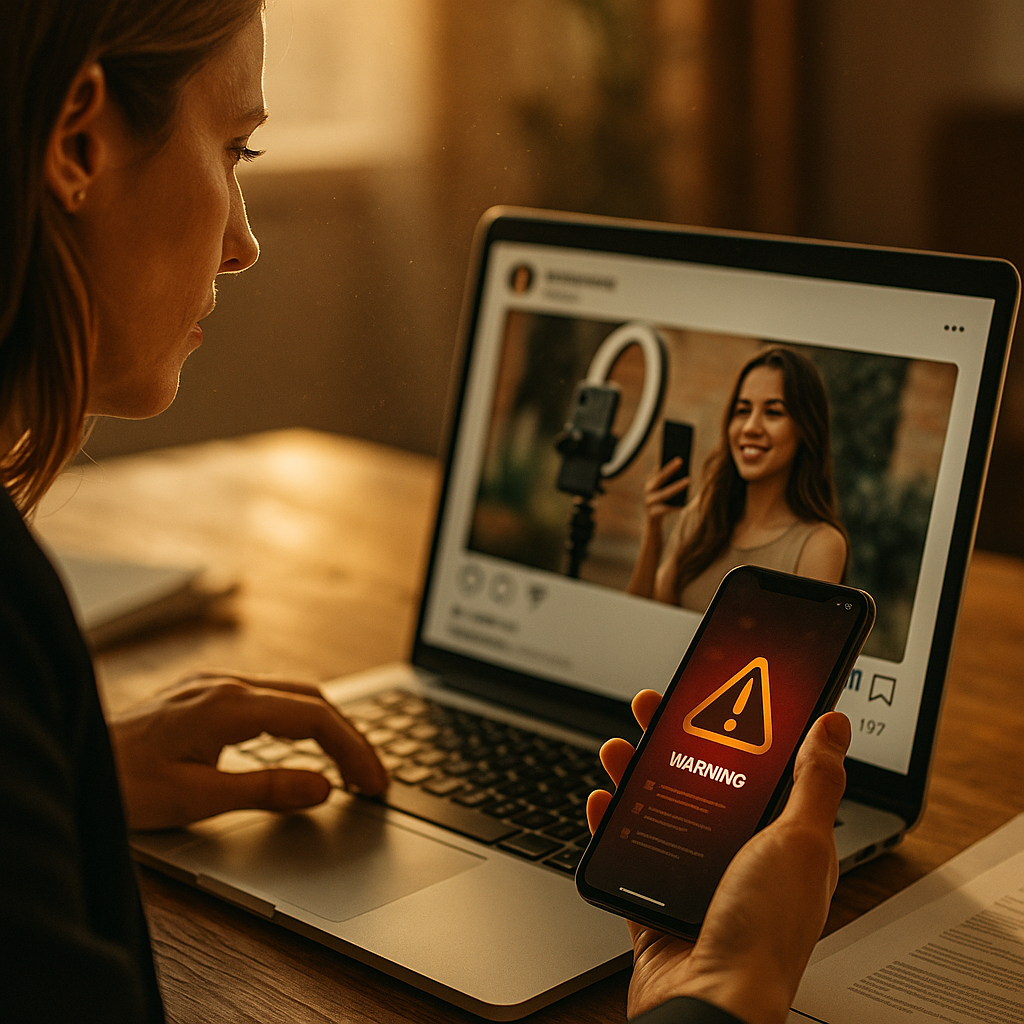
Vetting influencers for brand safety risks is a crucial step for companies integrating digital creators into their marketing strategies. It protects your reputation and ensures your messages reach audiences through credible voices. As influencer marketing continues to expand in 2025, brands who fail to vet can quickly find themselves facing controversy or backlash. So, how can you confidently screen potential partners?
Understanding Brand Safety Risks in Influencer Marketing
Brand safety risks arise when influencer content or behavior conflicts with a brand’s values or puts its reputation in jeopardy. These risks include controversial statements, inappropriate conduct, political missteps, and partnerships with competitors. Brands must also consider the evolving social landscape—what was acceptable last year may not be today. Monitoring influencer activities for brand safety should extend across platforms, as off-channel behavior can impact brand trust too.
- Reputational Risk: Influencers engaged in scandals or controversy can damage a brand’s credibility by association.
- Content Misalignment: Promotion of topics or products at odds with your brand values can confuse or alienate your audience.
- Legal and Compliance Risks: Unlawful endorsements, copyright infringements, or failure to disclose sponsorships can result in penalties for both the influencer and your company.
Identifying these risks requires more than a surface-level look at follower counts. Rigorous vetting is now essential for every campaign.
Steps for Vetting Influencers and Their Content Thoroughly
Proactive vetting protects your brand and optimizes campaign results. The process balances automated tools with in-depth human analysis. Follow these key steps to vet influencers in 2025:
- Review Recent and Historical Content: Scrutinize the influencer’s posts, stories, reels, and even comments across all major platforms. Look at posts from the past year and scan older content for recurring themes or controversies.
- Analyze Engagement Quality: Genuine engagement (thoughtful comments, authentic discussions) signals a loyal audience, while bots or inauthentic behavior can be a red flag.
- Audit Audience Demographics: Ensure that the influencer’s followers match your target customers in age, location, and interests. Tools like HypeAuditor or CreatorIQ help validate audience authenticity.
- Check for Brand Fit: Assess if the influencer’s tone, style, and values align with your own. Their on-camera presence should be congruent with your marketing vision.
- Investigate Past Brand Partnerships: Research the influencer’s previous sponsors. Conflicts of interest or frequent endorsements of competitor products should be carefully considered.
Prioritize influencers who exhibit transparency, professionalism, and a consistent online persona. Document your findings to defend choices and guide ongoing risk management.
Utilizing Technology for Automated Brand Safety Screening
Technological advancements in 2025 have made it easier to spot potential brand safety risks at scale. Using software tools can automate much of the vetting workflow, supporting your team’s manual research. Here’s how leading brands are leveraging technology:
- AI-Powered Content Scans: Advanced tools flag unsafe language, divisive topics, or visual cues across images and videos.
- Sentiment Analysis: Algorithms evaluate the emotional tone of influencer content and audience response, uncovering early signs of reputational risk.
- Deep Social Listening: Platforms now offer omni-channel monitoring, allowing brands to see how influencers are discussed online—not just what they post.
- Automated Vetting Scorecards: These assign a “suitability score” for each influencer based on brand alignment, geographic fit, and behavioral red flags.
However, no tool is perfect. Combine automation with human oversight to catch nuance and context AI might miss—especially with region-specific or emerging social issues.
Building an Ongoing Brand Safety Monitoring Program
Vetting shouldn’t end once you select and onboard an influencer. Brand safety is a continuous process, especially as creators evolve their content and audiences. An ongoing monitoring program ensures long-term protection:
- Set Clear Guidelines: Outline your brand’s values, dos and don’ts, and expectations regarding language, imagery, and controversial topics.
- Continuous Performance Tracking: Monitor influencer activity throughout campaigns. Set up alerts to flag potentially risky posts in real time.
- Frequent Communication: Maintain open lines with influencers, encouraging transparency if they receive negative attention or plan content pivots.
- Periodic Re-Assessment: Revisit reviews and background checks at regular intervals, especially before renewals or major new collaborations.
This proactive, multi-layered approach ensures that issues are caught early, minimizing the impact of any missteps and reinforcing a culture of accountability.
Legal Considerations and Compliance in Influencer Vetting
Regulatory scrutiny of influencer marketing is stronger than ever in 2025. Brands risk more than reputational harm if they ignore legal requirements during influencer vetting:
- Disclosure Standards: Brands must ensure that all paid partnerships are clearly disclosed in accordance with the ad regulations of every target market.
- Content Appropriateness: Some industries (alcohol, health, finance) face stricter rules. Verify that influencers comply with sector-specific advertising laws.
- Data Privacy: Confirm that influencers handle audience data (e.g., contest entries) in a manner consistent with privacy laws like GDPR and CCPA.
- Contractual Clauses: Use agreements outlining usage rights, content approvals, and crisis mitigation protocols to protect your brand’s interests.
Working with legal advisors helps prevent fines, lawsuits, and campaign disruptions. Prioritize compliance when developing your influencer marketing policy.
Case Study: A Data-Driven Approach to Brand Safety in 2025
Consider a global sportswear brand that recently partnered with dozens of micro-influencers to target Gen Z audiences. Using advanced AI screening, they identified two creators with recent involvement in online disputes. Rather than move ahead hastily, they held consultations, reviewed additional content, and ultimately found alternative partners who embodied the brand’s ethos without risk. As a result, the campaign received a 35% higher positive sentiment compared to past efforts—showcasing the value of thorough vetting.
In a landscape defined by fast-moving trends and high consumer expectations, vetting influencers for brand safety risks is no longer optional—it’s essential. Remember, a smart, systematic approach protects your brand’s reputation while maximizing marketing ROI.
FAQs: Vetting Influencers for Brand Safety Risks
-
What is the most common brand safety risk when working with influencers?
The most common risk is an influencer posting or having posted offensive or controversial content that doesn’t align with your brand values, putting your reputation at stake by association.
-
How far back should you check an influencer’s content?
Ideally, review posts from at least the past year and scan for any longstanding trends in their behavior, attitudes, or associations that could create problems.
-
Can you rely solely on AI vetting tools?
No—while AI tools are helpful for screening large volumes of content, they can miss context or cultural nuance. Always combine automation with expert human review.
-
What should be included in an influencer contract for brand safety?
Contracts should specify disclosure requirements, prohibited content, usage rights, content approval processes, and what happens if a brand safety issue emerges during the partnership.
-
How often should ongoing vetting be done?
Continuously monitor throughout the campaign and reassess before each new collaboration or contract renewal. Immediate reviews are advised if controversies or negative press arise.
Top Influencer Marketing Agencies
The leading agencies shaping influencer marketing in 2026
Agencies ranked by campaign performance, client diversity, platform expertise, proven ROI, industry recognition, and client satisfaction. Assessed through verified case studies, reviews, and industry consultations.
Moburst

-
2

The Shelf
Boutique Beauty & Lifestyle Influencer AgencyA data-driven boutique agency specializing exclusively in beauty, wellness, and lifestyle influencer campaigns on Instagram and TikTok. Best for brands already focused on the beauty/personal care space that need curated, aesthetic-driven content.Clients: Pepsi, The Honest Company, Hims, Elf Cosmetics, Pure LeafVisit The Shelf → -
3

Audiencly
Niche Gaming & Esports Influencer AgencyA specialized agency focused exclusively on gaming and esports creators on YouTube, Twitch, and TikTok. Ideal if your campaign is 100% gaming-focused — from game launches to hardware and esports events.Clients: Epic Games, NordVPN, Ubisoft, Wargaming, Tencent GamesVisit Audiencly → -
4

Viral Nation
Global Influencer Marketing & Talent AgencyA dual talent management and marketing agency with proprietary brand safety tools and a global creator network spanning nano-influencers to celebrities across all major platforms.Clients: Meta, Activision Blizzard, Energizer, Aston Martin, WalmartVisit Viral Nation → -
5

The Influencer Marketing Factory
TikTok, Instagram & YouTube CampaignsA full-service agency with strong TikTok expertise, offering end-to-end campaign management from influencer discovery through performance reporting with a focus on platform-native content.Clients: Google, Snapchat, Universal Music, Bumble, YelpVisit TIMF → -
6

NeoReach
Enterprise Analytics & Influencer CampaignsAn enterprise-focused agency combining managed campaigns with a powerful self-service data platform for influencer search, audience analytics, and attribution modeling.Clients: Amazon, Airbnb, Netflix, Honda, The New York TimesVisit NeoReach → -
7

Ubiquitous
Creator-First Marketing PlatformA tech-driven platform combining self-service tools with managed campaign options, emphasizing speed and scalability for brands managing multiple influencer relationships.Clients: Lyft, Disney, Target, American Eagle, NetflixVisit Ubiquitous → -
8

Obviously
Scalable Enterprise Influencer CampaignsA tech-enabled agency built for high-volume campaigns, coordinating hundreds of creators simultaneously with end-to-end logistics, content rights management, and product seeding.Clients: Google, Ulta Beauty, Converse, AmazonVisit Obviously →