


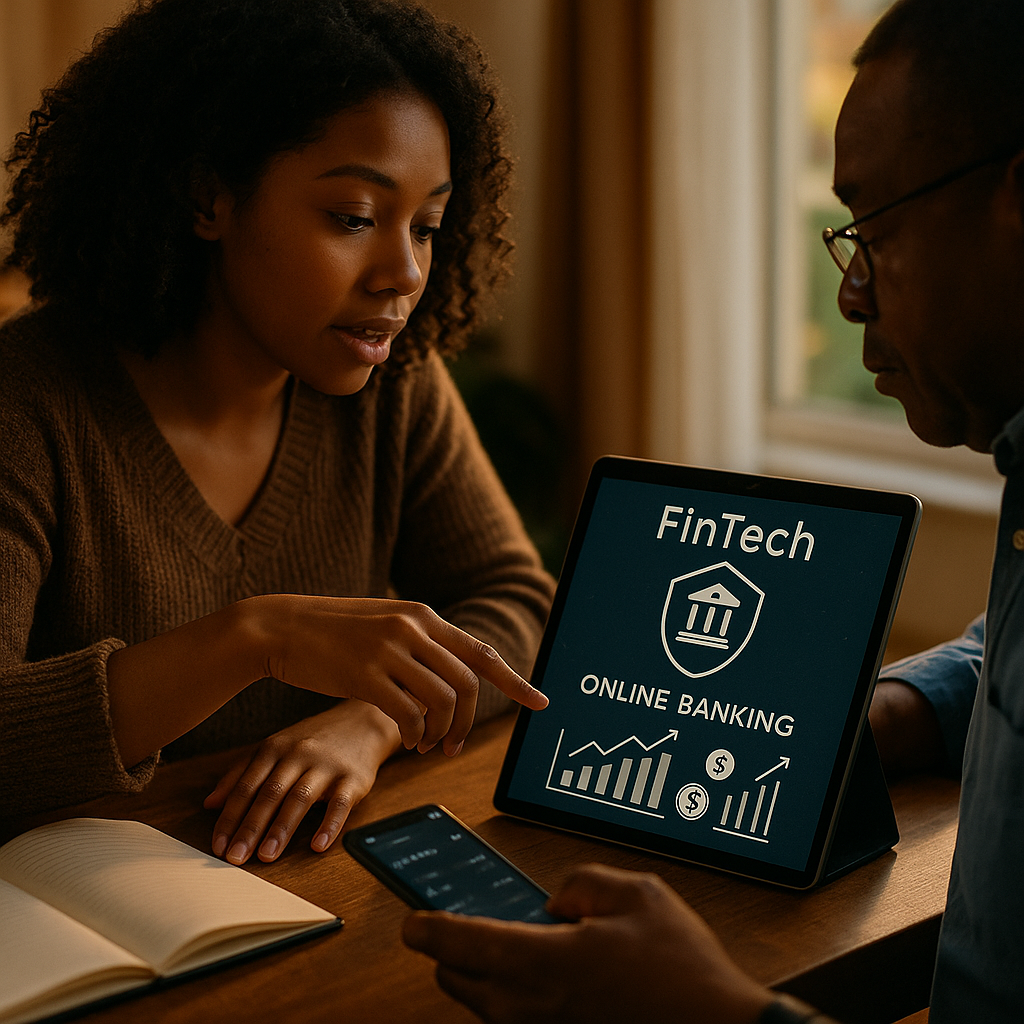
How a FinTech app built trust through education is a case study shining light on the power of knowledge-sharing in today’s digital economy. Users value transparency as much as technology, and they want to understand what’s happening with their money. Explore how targeted educational initiatives have transformed customer relationships—and transformed the industry standard for trust.
Understanding Trust in the Digital Banking Era
Trust is the cornerstone of financial technology, especially as more customers opt for digital solutions over traditional banking. In 2025, surveys by Statista indicate that over 73% of adults worldwide now use some form of FinTech. However, many still hesitate to entrust their finances to an app due to concerns about security, ethical practices, and product complexity. Addressing these concerns has become a strategic imperative for FinTech companies hoping to foster long-term customer loyalty.
At the heart of this shift lies a need for transparency and consistent communication. Users want clear explanations of app features, algorithms, and security measures. They also desire a platform that guides them through unfamiliar processes like robo-advising or instant payments. From the outset, brands that prioritize user education gain an edge in customer acquisition—and in ongoing engagement.
Leveraging Financial Literacy: The Foundation of Engagement
Financial literacy remains a global challenge. Data from the OECD suggests that in 2025, only about 30% of adults qualify as “financially literate.” For FinTech platforms, this presents both a responsibility and an opportunity. By embedding financial education directly within the app experience, companies can empower users to make smarter decisions and reduce anxiety.
The featured FinTech app implemented a robust in-app academy: interactive courses, jargon-free explainers, and real-time quiz modules. It demystified complex subjects like credit scores, compound interest, and budgeting. This not only built confidence but also drove up product adoption. As users navigated new services, guided walkthroughs prevented mistakes and provided instant feedback, all while supporting a growth mindset.
Interactive Tools: Making Transparency Tangible
Success in FinTech goes beyond static content. The most impactful brands use smart design and tech-driven solutions to create interactive transparency. The app in focus rolled out a suite of tools allowing users to:
- Simulate investment scenarios and observe potential risks and returns
- Visualize how fees affect savings over time
- Track spending and compare habits against recommended benchmarks
- Explore step-by-step breakdowns of security protocols such as two-factor authentication
These intuitive dashboards and simulators answered users’ most pressing questions in real time. Such features also fostered a sense of control, making even complex investment or insurance products much less intimidating. By letting users actively engage with their data and see potential outcomes, the app further cemented credibility.
Human-Centered Support: Personalized Help and Community
No amount of automation can replace the reassurance of personalized support. In-app chatbots built on conversational AI offered immediate responses to everyday queries, but the app also prioritized access to real human advisors for nuanced questions. Scheduled webinars with financial experts and live Q&A sessions addressed trending topics, giving users the guidance needed for informed decisions.
Additionally, the platform fostered an engaged community forum where users shared stories, celebrated financial wins, and troubleshot issues together. By moderating these forums and highlighting user-driven tips, the app displayed a commitment to collective growth. This community focus encouraged customers to return—not just for transactions, but for support and shared learning.
Transparency in Security and Data Privacy
Privacy remains a chief concern in 2025, as FinTech apps handle sensitive personal and financial data. According to a recent Deloitte survey, 58% of users cite data security as their number one worry. The featured app tackled this with a two-pronged approach: educating users on security measures and offering tools to manage consent.
Every step of the user journey included plain-language prompts about why specific personal data was needed, what protections were in place, and how users could customize permissions or revoke access. Clear documentation, animated explainers, and case studies of incident response scenarios instilled confidence while empowering users to take control of their privacy settings.
Measuring Impact: Reviews, Data, and Iteration
Building trust through education is not a one-time project. The app continually measures user comprehension and satisfaction through micro-surveys, net promoter scores, and unsolicited feedback in the community forum. In 2025, app store reviews frequently mention the platform’s educational value and transparent design as differentiators—evidence that these efforts translate into measurable brand equity.
Armed with this data, the development team iterates quickly. Topics that prompt repeated inquiries inspire new modules and refined content. When regulations or market conditions change, updates flow into the learning platform within days, not months, ensuring ongoing relevance. This agile feedback loop strengthens EEAT (Experience, Expertise, Authoritativeness, and Trust) and sets a new bar for digital trustworthiness in financial services.
Conclusion: Education—The New Currency of FinTech Trust
By investing in education-first design, the FinTech app turned doubt into loyalty and curiosity into confidence. In a crowded market, empowering users with transparency and knowledge fostered not just safer transactions but genuine, lasting trust. For financial apps in 2025 and beyond, education is no longer optional—it’s mission critical.
FAQs: How FinTech Apps Build Trust through Education
-
Why is financial education so important in FinTech?
FinTech involves complex products and sensitive data. Clear, accessible education helps users understand what’s happening, reduces confusion, and builds confidence in using new technologies. -
How do interactive tools increase customer trust?
Interactive tools let users see and control their data, simulate outcomes, and understand processes—making the app’s promises more transparent and trustworthy than static content alone. -
What role does community play in trust-building?
A strong community provides peer support, quick answers, and real stories that humanize the app experience. This sense of belonging and shared growth makes users more likely to trust and recommend the app. -
How can users verify an app’s commitment to privacy?
Look for apps that clearly explain their privacy policies and allow you to manage data permissions. Educational modules specifically about data protection are a strong sign of transparency. -
Are educational initiatives effective in improving FinTech adoption?
Yes—recent data shows that apps emphasizing education and transparent support see higher engagement, positive reviews, and long-term retention compared to those that don’t invest in user learning.
Top Influencer Marketing Agencies
The leading agencies shaping influencer marketing in 2026
Agencies ranked by campaign performance, client diversity, platform expertise, proven ROI, industry recognition, and client satisfaction. Assessed through verified case studies, reviews, and industry consultations.
Moburst

-
2

The Shelf
Boutique Beauty & Lifestyle Influencer AgencyA data-driven boutique agency specializing exclusively in beauty, wellness, and lifestyle influencer campaigns on Instagram and TikTok. Best for brands already focused on the beauty/personal care space that need curated, aesthetic-driven content.Clients: Pepsi, The Honest Company, Hims, Elf Cosmetics, Pure LeafVisit The Shelf → -
3

Audiencly
Niche Gaming & Esports Influencer AgencyA specialized agency focused exclusively on gaming and esports creators on YouTube, Twitch, and TikTok. Ideal if your campaign is 100% gaming-focused — from game launches to hardware and esports events.Clients: Epic Games, NordVPN, Ubisoft, Wargaming, Tencent GamesVisit Audiencly → -
4

Viral Nation
Global Influencer Marketing & Talent AgencyA dual talent management and marketing agency with proprietary brand safety tools and a global creator network spanning nano-influencers to celebrities across all major platforms.Clients: Meta, Activision Blizzard, Energizer, Aston Martin, WalmartVisit Viral Nation → -
5

The Influencer Marketing Factory
TikTok, Instagram & YouTube CampaignsA full-service agency with strong TikTok expertise, offering end-to-end campaign management from influencer discovery through performance reporting with a focus on platform-native content.Clients: Google, Snapchat, Universal Music, Bumble, YelpVisit TIMF → -
6

NeoReach
Enterprise Analytics & Influencer CampaignsAn enterprise-focused agency combining managed campaigns with a powerful self-service data platform for influencer search, audience analytics, and attribution modeling.Clients: Amazon, Airbnb, Netflix, Honda, The New York TimesVisit NeoReach → -
7

Ubiquitous
Creator-First Marketing PlatformA tech-driven platform combining self-service tools with managed campaign options, emphasizing speed and scalability for brands managing multiple influencer relationships.Clients: Lyft, Disney, Target, American Eagle, NetflixVisit Ubiquitous → -
8

Obviously
Scalable Enterprise Influencer CampaignsA tech-enabled agency built for high-volume campaigns, coordinating hundreds of creators simultaneously with end-to-end logistics, content rights management, and product seeding.Clients: Google, Ulta Beauty, Converse, AmazonVisit Obviously →