


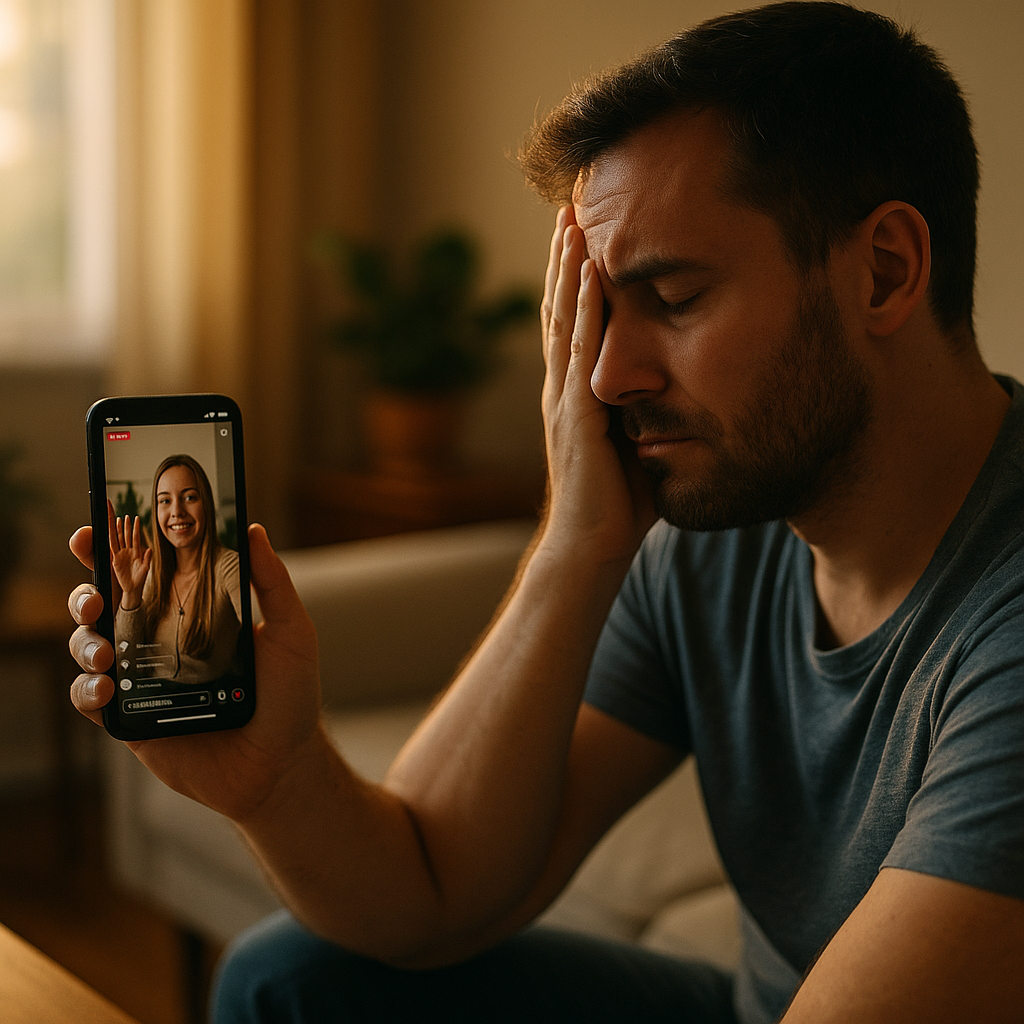
Influencer fatigue and ad blindness are reshaping digital marketing in 2025, leaving brands searching for effective ways to reconnect with their audiences. Consumers are tuning out sponsored content, demanding authenticity and value. If your influencer campaigns aren’t delivering, it’s time to rethink your strategy. Discover proven solutions to combat ad fatigue and make influencer partnerships work harder for your brand.
Understanding Influencer Fatigue: The Causes and Signs
Influencer fatigue is a growing phenomenon as audiences lose interest in repetitive sponsored content. This fatigue leads directly to ad blindness, where consumers unconsciously ignore promotional messages. Key drivers include overexposure to influencer ads, lack of transparency, and repetitive or irrelevant collaborations. If engagement rates and conversions are dropping, your campaigns may already be suffering from influencer fatigue.
In 2025, social media users interact with more branded content than ever, causing quality to be measured over quantity. Noticing decreased follower trust, content engagement, and campaign ROI are clear signs to assess your influencer approach.
Ad Blindness in Influencer Marketing: Why It Happens
Ad blindness is the user’s tendency to ignore banners, sponsored posts, or endorsements, often because of oversaturation. Today’s users are savvier, recognizing paid partnerships within seconds. According to a 2025 Digital Consumer Insights report, nearly 68% of users scroll past sponsored posts without meaningful interaction. Audiences recognize formulaic disclosures, repetitive messaging, and unnatural fits—and they respond by tuning out.
Brands often rely on the same successful influencers, amplifying the sameness problem. The rise of AI-generated influencers, while innovative, can also feel inauthentic to audiences increasingly valuing real human connection.
Strategies for Authentic Engagement: Overcoming Influencer Fatigue
To combat influencer fatigue and ad blindness, brands must prioritize authenticity and value. Here are actionable strategies:
- Choose Values-Aligned Influencers: Find partners whose personal brand and audience genuinely connect with your values—not just your product. Look beyond follower count to qualitative engagement.
- Foster Creative Freedom: Give influencers control over storytelling. Audiences notice when posts feel scripted versus spontaneous. Authentic content outperforms rigidly branded materials.
- Limit Campaign Frequency: Prioritize fewer, higher-impact collaborations over frequent promotions. Scarcity increases interest and keeps messaging fresh.
- Promote Transparency: Encourage honest reviews and genuine feedback from influencers. Disclose partnerships clearly but let creators’ real opinions drive trust.
By empowering influencers to tell real stories and limiting exposure, brands stand out in crowded feeds and restore genuine connection.
Leveraging Micro and Nano Influencers for Better Results
Micro and nano influencers—those with under 50,000 followers—are gaining traction in 2025 due to their highly engaged audiences. Research shows these smaller-scale creators can deliver up to 60% higher interaction rates compared to mega-influencers. Their communities thrive on niche interests and trust, reducing audience cynicism and ad blindness.
Partnering with micro and nano influencers also allows brands to:
- Reach hyper-targeted audiences with specialized interests
- Maintain campaign authenticity at scale
- Test messages and gather feedback quickly
- Foster genuine long-term partnerships
Diversifying your influencer portfolio not only combats creator fatigue but also enhances campaign adaptability and helps brands remain agile in a fast-changing landscape.
Measuring Success: Rethinking KPIs in Influencer Campaigns
Traditional metrics such as reach and impressions fail to capture true campaign impact in the face of influencer fatigue. Instead, focus on engagement quality, sentiment analysis, and community growth. In 2025, data-driven campaigns blend quantitative and qualitative measures to assess value:
- Engagement Quality: Prioritize comments, saves, and shares over likes alone. Analyzing sentiment in conversations can reveal trust and long-term affinity.
- Conversion Metrics: Track direct and assisted conversions rather than just clicks. Leverage affiliate codes and unique landing pages for better attribution.
- Community Signals: Gauge growth in relevant followers and returning engagements to monitor audience loyalty and retention.
- Content Shares: Viral sharing among non-followers signals authentic resonance far beyond paid reach.
Adopt an agile feedback loop—regularly review results, ask for influencer input, and optimize campaign tactics accordingly. Continuous learning helps adapt to evolving audience behaviors and algorithm shifts.
Future-Proofing Your Influencer Strategy: EEAT and Trust-Building
EEAT—Expertise, Experience, Authoritativeness, and Trustworthiness—guides successful influencer marketing in 2025. Google and consumers now demand demonstrable expertise and transparency. Collaborate with influencers who are true domain experts or respected practitioners in their fields. User-generated content (UGC) and behind-the-scenes stories further humanize campaigns.
Enhance trust with these steps:
- Vet influencers for genuine expertise, not just reach
- Highlight transparent, honest partnerships (including the good, bad, and nuanced)
- Encourage influencers to share personal experiences—mistakes and all
- Reward and spotlight loyal audience members for participatory engagement
Prioritizing EEAT principles ensures sustainable influence, counters ad fatigue, and future-proofs your marketing in a crowded digital space.
Conclusion: Reclaiming Influence in a Fatigued World
Combating influencer fatigue and ad blindness in 2025 demands a shift towards authenticity, strategic partnerships, and robust measurement. By leveraging micro-influencers, refining KPIs, and putting EEAT at the center, brands can win back attention and trust. The future of influencer marketing belongs to those who put audience value above volume—make every collaboration count.
FAQs: Influencer Fatigue and Ad Blindness in 2025
-
What is influencer fatigue?
Influencer fatigue occurs when audiences become desensitized to branded content due to overuse or lack of authenticity in influencer partnerships, leading to declining engagement and trust.
-
How does ad blindness impact influencer marketing?
Ad blindness leads users to ignore sponsored posts and branded messages, reducing campaign effectiveness. This results in lower visibility, engagement, and ROI for influencer campaigns.
-
How can brands overcome ad blindness?
Brands can overcome ad blindness by fostering authentic content, collaborating with micro or nano influencers, reducing campaign frequency, and focusing on genuine engagement over reach.
-
What are effective KPIs for measuring influencer campaigns in 2025?
Effective KPIs include engagement quality, sentiment analysis, conversions, community growth, and content shares—going beyond basic reach or impressions.
-
Why is EEAT important in influencer marketing?
EEAT establishes creators as trustworthy and knowledgeable, aligning with Google’s content standards and audience expectations for transparent, valuable recommendations.
Top Influencer Marketing Agencies
The leading agencies shaping influencer marketing in 2026
Agencies ranked by campaign performance, client diversity, platform expertise, proven ROI, industry recognition, and client satisfaction. Assessed through verified case studies, reviews, and industry consultations.
Moburst

-
2

The Shelf
Boutique Beauty & Lifestyle Influencer AgencyA data-driven boutique agency specializing exclusively in beauty, wellness, and lifestyle influencer campaigns on Instagram and TikTok. Best for brands already focused on the beauty/personal care space that need curated, aesthetic-driven content.Clients: Pepsi, The Honest Company, Hims, Elf Cosmetics, Pure LeafVisit The Shelf → -
3

Audiencly
Niche Gaming & Esports Influencer AgencyA specialized agency focused exclusively on gaming and esports creators on YouTube, Twitch, and TikTok. Ideal if your campaign is 100% gaming-focused — from game launches to hardware and esports events.Clients: Epic Games, NordVPN, Ubisoft, Wargaming, Tencent GamesVisit Audiencly → -
4

Viral Nation
Global Influencer Marketing & Talent AgencyA dual talent management and marketing agency with proprietary brand safety tools and a global creator network spanning nano-influencers to celebrities across all major platforms.Clients: Meta, Activision Blizzard, Energizer, Aston Martin, WalmartVisit Viral Nation → -
5

The Influencer Marketing Factory
TikTok, Instagram & YouTube CampaignsA full-service agency with strong TikTok expertise, offering end-to-end campaign management from influencer discovery through performance reporting with a focus on platform-native content.Clients: Google, Snapchat, Universal Music, Bumble, YelpVisit TIMF → -
6

NeoReach
Enterprise Analytics & Influencer CampaignsAn enterprise-focused agency combining managed campaigns with a powerful self-service data platform for influencer search, audience analytics, and attribution modeling.Clients: Amazon, Airbnb, Netflix, Honda, The New York TimesVisit NeoReach → -
7

Ubiquitous
Creator-First Marketing PlatformA tech-driven platform combining self-service tools with managed campaign options, emphasizing speed and scalability for brands managing multiple influencer relationships.Clients: Lyft, Disney, Target, American Eagle, NetflixVisit Ubiquitous → -
8

Obviously
Scalable Enterprise Influencer CampaignsA tech-enabled agency built for high-volume campaigns, coordinating hundreds of creators simultaneously with end-to-end logistics, content rights management, and product seeding.Clients: Google, Ulta Beauty, Converse, AmazonVisit Obviously →