


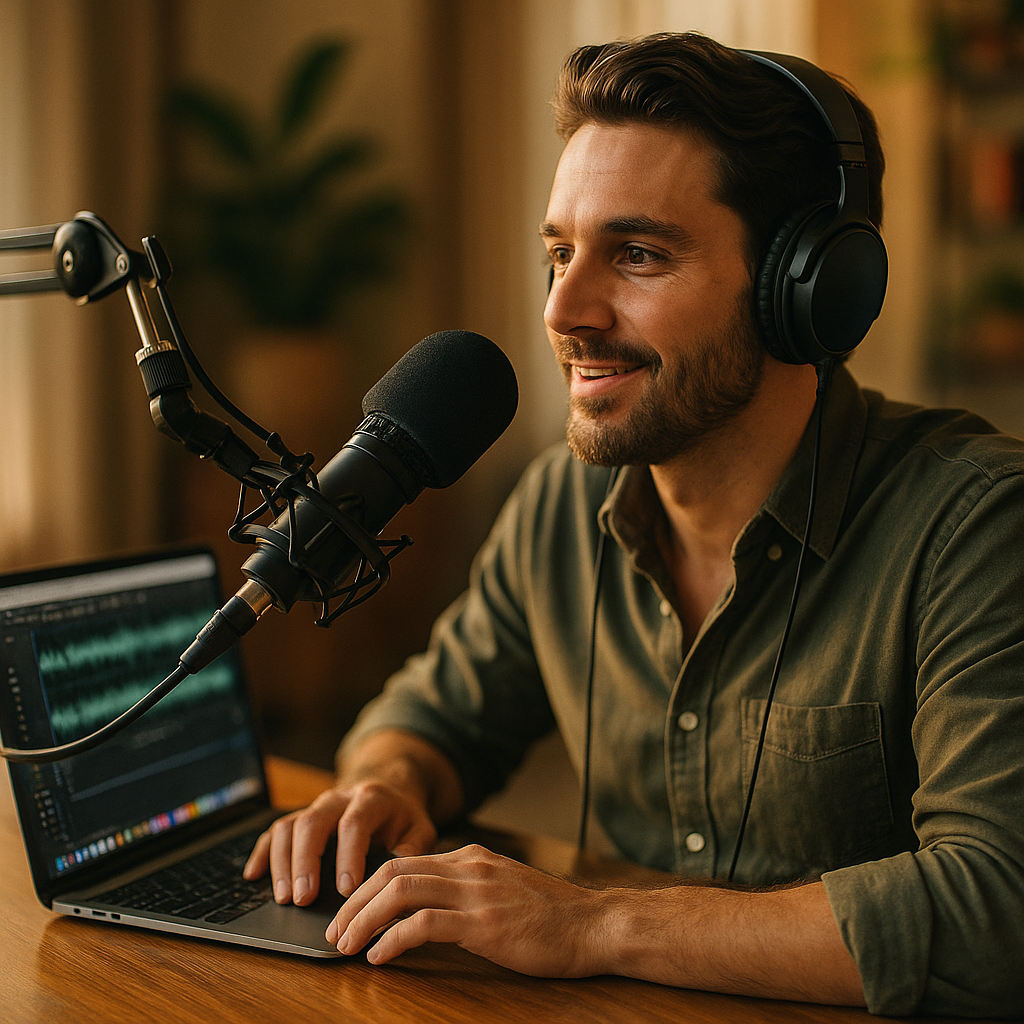
The growth of audio-first influencers on podcasts has reshaped digital content, placing intimate, authentic voices at the center of modern media consumption. As more listeners turn to audio platforms for education and entertainment, audio-first personalities are rapidly building huge, loyal audiences. What’s driving this surge—and what does it mean for brands, influencers, and listeners?
Podcast Popularity: How Audio-First Influencers Attract Loyal Listeners
In 2025, podcasts command unprecedented attention. According to Edison Research, over 64% of adults in the United States tune into podcasts monthly. This shift is due in part to audio-first influencers who foster unique, connection-driven experiences. These creators distinguish themselves by prioritizing authentic storytelling over visual spectacle, leveraging emotion and nuance only possible in audio formats.
Unlike social media influencers who depend on fleeting visuals, podcast hosts and audio influencers build trust through their distinct voices and perspectives. Listeners often spend 30-60 minutes with their favorite hosts per episode, nurturing a sense of friendship and reliability. This deep engagement sparks high retention rates and frequent listener return, solidifying the podcast’s role in daily routines.
Monetization Strategies: Turning Podcast Influence into Revenue
Audio-first influencers now earn significant income streams from their podcasts. The podcast industry’s advertising revenue is expected to surpass $4 billion in 2025, with a notable portion credited to creator-driven shows. Here are the main monetization strategies:
- Dynamic Ad Insertion: Host-read ads remain highly effective, with 67% of listeners recalling brands mentioned during podcasts, according to Podsights.
- Premium Content Subscriptions: Many influencers provide exclusive episodes or bonus interviews via Patreon, Apple Podcasts, or Spotify subscriptions.
- Branded Partnerships: Integrated sponsorships and co-branded content deals let influencers bring trusted brands directly to loyal audiences.
- Live Events and Merchandise: Successful podcasters often expand into live shows, workshops, and custom merchandise, diversifying their income.
The key is that audio-first creators monetize without breaking listener trust, blending promotional content with the authentic voice listeners expect.
Audio Influence vs. Visual Platforms: Unique Advantages
While video dominates many digital channels, audio-first influencers benefit from several unique characteristics:
- Increased Multitasking: Listeners enjoy podcasts while commuting, working, or exercising—growing engagement without screen fatigue.
- Longer Content Lifespan: Audio episodes are typically “discovered” months after release, unlike the quick turnover on platforms like TikTok or Instagram.
- Low Entry Barriers: Launching a podcast is more accessible today thanks to affordable recording equipment and free hosting services.
- Deeper Emotional Connection: The unfiltered, conversational style creates intimacy only possible through audio.
These advantages have drawn content creators and brands alike to focus on podcasting as an essential arm of digital influence.
Niche Communities: Building Authority and Trust Through Audio
Podcasts naturally encourage the formation of niche, engaged communities. Audio-first influencers often center their content around specialized topics—everything from healthcare innovation to film criticism—giving them unrivaled credibility and thought leadership within those domains. EEAT best practices urge creators to demonstrate expertise, experience, authoritativeness, and trustworthiness, and audio-first figures deliver with:
- In-depth, unscripted conversations with industry leaders and experts that provide unique perspectives.
- Listener Q&A segments that foster direct engagement and personalized experiences.
- Consistent, evidence-based content which listeners recognize and rely on for accuracy and relevance.
This model has been particularly impactful in health, business, education, and lifestyle categories. By curating content for passionate audiences, audio-first influencers secure lasting authority and brand loyalty.
Diversity and Inclusion: Amplifying Authentic Voices
The growth of audio-first influencers has given rise to greater representation and diversity in media. Podcasts need fewer gatekeepers than legacy radio or television, allowing underrepresented voices to shine. In 2025, we’ve seen significant increases in podcasts hosted by women, people of color, LGBTQ+ creators, and people from diverse backgrounds.
This push for inclusion resonates with listeners seeking relatable hosts and authentic stories, expanding what influence looks like in the digital age. Many brands now intentionally sponsor diverse audio influencers, aligning with values-based audiences and supporting broader conversations around equity in media.
The Future of Audio-First Influence: Trends to Watch
Podcast technology and consumption habits continue to evolve. Current trends shaping the next wave of audio influence include:
- Personalized Discovery: AI-driven recommendations connecting listeners with creators who match their interests and values.
- Interactive Formats: Live Q&A, real-time feedback, and integration with social audio apps deepening listener involvement.
- Enhanced Production: Investments in sound design, narrative formats, and immersive audio experiences set new content standards.
- Cross-Platform Influence: Influencers leveraging audio plus newsletters, books, and video to build multifaceted personal brands.
Audio-first influencers are also exploring international markets, tapping into non-English-speaking audiences and global sponsorships. As technology brings new possibilities, podcasts will remain a cornerstone of digital influence strategy.
FAQs About The Growth of Audio-First Influencers on Podcasts
-
What is an audio-first influencer?
An audio-first influencer is a content creator who primarily builds their audience and personal brand through podcasts or other audio platforms rather than visuals or video.
-
Why are podcasts so effective for influencers?
Podcasts provide longer engagement times, foster a sense of intimacy and authenticity, and allow creators to deeply connect with niche audiences. This makes influencer messages more memorable and trusted.
-
How do podcast influencers make money?
Common revenue streams include advertising, sponsorships, subscriptions, merchandise, and live events, all while maintaining listener trust and authenticity.
-
Are podcasts replacing other forms of influencer content?
Podcasts complement rather than replace other formats, helping influencers diversify and reach audiences via different touchpoints.
-
What are the biggest benefits for brands working with audio-first influencers?
Brands benefit from deep listener trust, strong recall, and highly targeted niche audiences, often resulting in higher ROI than traditional ad formats.
Audio-first influencers have revolutionized the podcast landscape, delivering authentic engagement and diverse perspectives while unlocking new opportunities for creators and brands alike. As podcast popularity continues to soar, audio-driven influence is set to remain a driving force in digital media for years to come.
Top Influencer Marketing Agencies
The leading agencies shaping influencer marketing in 2026
Agencies ranked by campaign performance, client diversity, platform expertise, proven ROI, industry recognition, and client satisfaction. Assessed through verified case studies, reviews, and industry consultations.
Moburst

-
2

The Shelf
Boutique Beauty & Lifestyle Influencer AgencyA data-driven boutique agency specializing exclusively in beauty, wellness, and lifestyle influencer campaigns on Instagram and TikTok. Best for brands already focused on the beauty/personal care space that need curated, aesthetic-driven content.Clients: Pepsi, The Honest Company, Hims, Elf Cosmetics, Pure LeafVisit The Shelf → -
3

Audiencly
Niche Gaming & Esports Influencer AgencyA specialized agency focused exclusively on gaming and esports creators on YouTube, Twitch, and TikTok. Ideal if your campaign is 100% gaming-focused — from game launches to hardware and esports events.Clients: Epic Games, NordVPN, Ubisoft, Wargaming, Tencent GamesVisit Audiencly → -
4

Viral Nation
Global Influencer Marketing & Talent AgencyA dual talent management and marketing agency with proprietary brand safety tools and a global creator network spanning nano-influencers to celebrities across all major platforms.Clients: Meta, Activision Blizzard, Energizer, Aston Martin, WalmartVisit Viral Nation → -
5

The Influencer Marketing Factory
TikTok, Instagram & YouTube CampaignsA full-service agency with strong TikTok expertise, offering end-to-end campaign management from influencer discovery through performance reporting with a focus on platform-native content.Clients: Google, Snapchat, Universal Music, Bumble, YelpVisit TIMF → -
6

NeoReach
Enterprise Analytics & Influencer CampaignsAn enterprise-focused agency combining managed campaigns with a powerful self-service data platform for influencer search, audience analytics, and attribution modeling.Clients: Amazon, Airbnb, Netflix, Honda, The New York TimesVisit NeoReach → -
7

Ubiquitous
Creator-First Marketing PlatformA tech-driven platform combining self-service tools with managed campaign options, emphasizing speed and scalability for brands managing multiple influencer relationships.Clients: Lyft, Disney, Target, American Eagle, NetflixVisit Ubiquitous → -
8

Obviously
Scalable Enterprise Influencer CampaignsA tech-enabled agency built for high-volume campaigns, coordinating hundreds of creators simultaneously with end-to-end logistics, content rights management, and product seeding.Clients: Google, Ulta Beauty, Converse, AmazonVisit Obviously →