


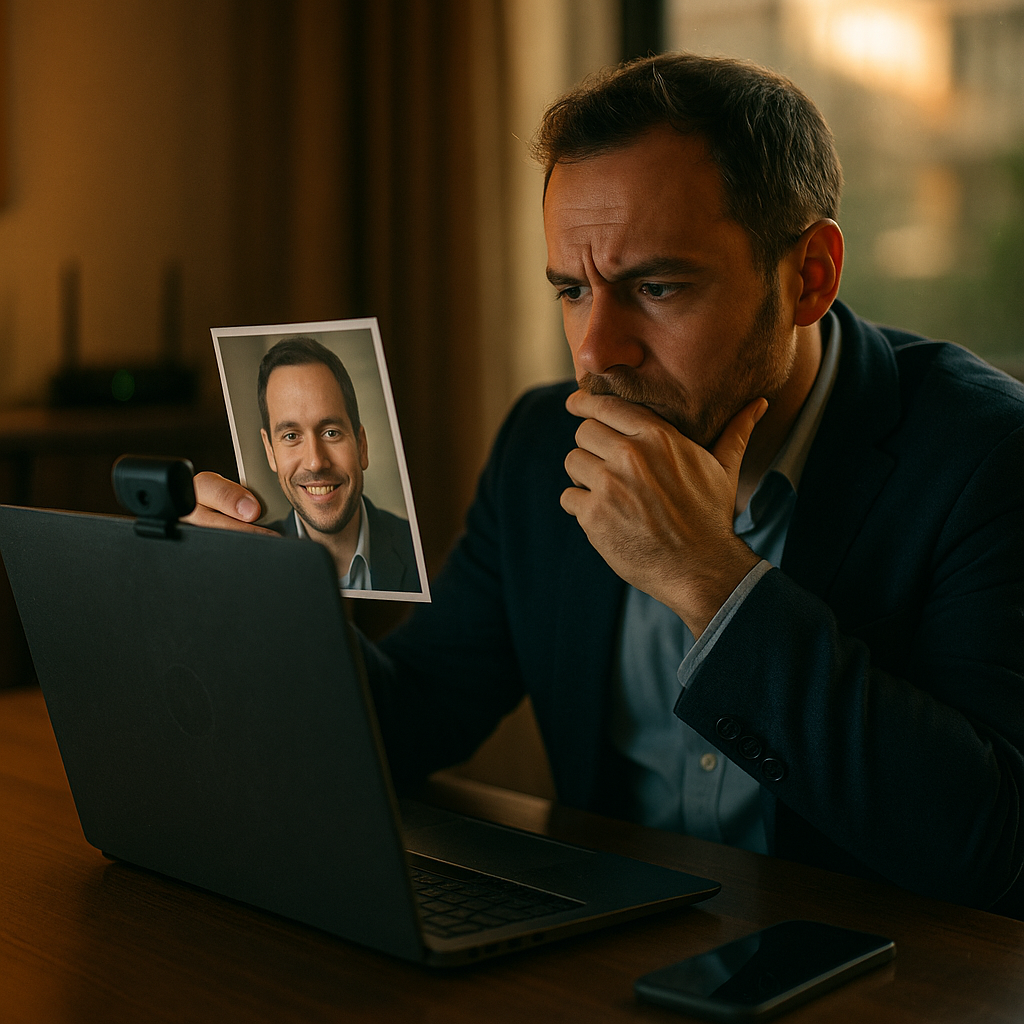
Deepfake awareness for brand protection has become essential in today’s digital world where AI-generated video and audio can mimic real people, including brand leaders and spokespeople. Left unchecked, deepfakes threaten a brand’s reputation, trust, and value. Read on to discover proactive strategies for detecting, preventing, and combating deepfakes—and safeguarding your organization’s image in 2025.
Understanding Deepfakes and Brand Reputation
Deepfakes are synthetic media created using artificial intelligence, capable of manipulating video, audio, and images with alarming realism. For brands, deepfake technology can lead to unprecedented risks: forged executive statements, misleading advertisements, or fabricated customer interactions. Recent industry studies show a 58% increase in detected deepfake incidents impacting brands over the past year, highlighting the urgency for robust brand reputation protection.
Brand reputation, once compromised, is notoriously hard to rebuild. Social media’s viral nature accelerates the harm from even a single malicious deepfake. As a result, brands must prioritize awareness and preparedness, treating deepfakes as a key component of their risk management strategy.
Identifying Deepfake Threats to Brands
Identifying and understanding the primary deepfake threats is crucial for effective brand security. Here’s how deepfakes are weaponized against brands:
- False Endorsements: AI-created videos mimicking company leaders can falsely promote products or make misleading claims.
- Reputation Sabotage: Fake crisis statements or offensive content, attributed falsely to brand representatives, can go viral in minutes.
- Financial Scams: Deepfake audio can impersonate executives to authorize fraudulent transactions, a tactic increasingly seen in 2025.
- Customer Confusion: Synthetic customer service videos mislead consumers, eroding trust.
By recognizing these threats, brands can proactively vet their digital content and prevent reputational crises before they escalate.
Preventative Measures: Building a Deepfake Resilience Strategy
Preventing deepfake incidents requires a multi-layered approach to brand security. Begin with these core strategies:
- Employee Training: Educate staff, especially public-facing teams, on identifying manipulated media and reporting suspicious content. Ongoing training ensures quick and knowledgeable responses to emerging incidents.
- Advanced Detection Tools: Utilize AI-driven deepfake detection tools that analyze video and audio for telltale signs of manipulation, such as unnatural blinking, inconsistent audio-visual sync, or pixel anomalies.
- Secure Digital Assets: Protect raw video and audio files with watermarking and blockchain authentication to prevent unauthorized reuse and manipulation.
- Internal Response Protocols: Establish clear protocols for escalating and counteracting detected deepfakes, including legal takedown procedures and rapid communication strategies.
Brands at the forefront of deepfake awareness typically combine these tactics with frequent risk assessments to ensure evolving threats are addressed.
Crisis Management: Responding to Deepfake Attacks
No brand is immune—and how an organization responds to a deepfake attack sets the tone for recovery. Effective crisis management for deepfakes hinges on rapid, transparent action. Here’s a step-by-step guide:
- Immediate Verification: Actively monitor digital channels and verify claims before responding publicly. Swift identification of fraudulent material prevents further dissemination.
- Public Communication: Issue transparent updates and refute fakes directly, leveraging verified brand channels and trusted media outlets.
- Collaboration with Platforms: Partner with social networks and video sharing sites to remove manipulated content promptly.
- Legal Action: Pursue offenders under appropriate cybercrime and copyright laws, deterring future attacks.
- Customer Support: Reassure customers and stakeholders with FAQs, clear guidance, and direct communication to restore trust.
In 2025, leading brands even simulate deepfake scenarios as part of routine crisis drills, ensuring preparedness for any eventuality.
Leveraging Technology for Deepfake Detection and Authenticity
With deepfakes growing in sophistication, brands are increasingly turning to technology for protection and verification. Key advancements include:
- AI-Powered Media Authentication: Machine learning tools now inspect thousands of video frames per second to flag subtle abnormalities.
- Blockchain-Based Content Proofing: Immutable ledgers enable instant verification of legitimate media and brand communications.
- Digital Watermarking: Embedding invisible, tamper-proof marks in official videos provides proof of origin and enables swift takedown of counterfeits.
- Collaborative Threat Intelligence Sharing: Industry alliances and security consortiums help brands stay ahead of new deepfake tactics by exchanging real-time attack data.
Investing in these tools boosts a brand’s credibility, reassures stakeholders, and dramatically reduces the risk of successful deepfake infiltration.
Fostering Deepfake Awareness Culture Within Organizations
A culture of deepfake awareness is an organization’s most valuable defense. This culture begins with leadership but must permeate every layer. Here’s how to instill deepfake vigilance throughout your brand ecosystem:
- Continuous Education: Make training on digital manipulation a regular part of onboarding and professional development.
- Clear Reporting Channels: Encourage employees, partners, and customers to flag suspected deepfakes without hesitation.
- Open Dialogue: Maintain open, transparent communication internally about identified risks and incident responses.
- Role Modeling: Executives and managers should exemplify best practices and take deepfake risks seriously at every public engagement.
When every stakeholder is alert and informed, your brand is well-positioned to detect and neutralize threats before they become crises.
Conclusion
Deepfake awareness for brand protection is not optional—it’s a strategic imperative for organizations in 2025. By educating teams, leveraging detection tools, and maintaining an agile incident response, brands can defend reputation and earn lasting stakeholder trust. Remain vigilant and proactive to safeguard your brand’s integrity in the era of AI-driven deception.
FAQs: Deepfake Awareness and Brand Protection
-
What is a deepfake and why should brands be concerned?
A deepfake is synthetic media generated by AI to mimic real people’s voices or appearances. Brands should worry because deepfakes can impersonate leaders, spread false information, or damage reputation quickly online.
-
How can I tell if a video or audio file is a deepfake?
Look for inconsistencies in voice, unnatural facial movements, mismatched lighting, blinking or lip sync issues. Use AI-powered detection tools to analyze suspect media for manipulation.
-
What steps should my company take if we’re targeted by a deepfake?
Immediately verify claims, communicate clearly with the public, collaborate with platforms for content removal, and take legal action if necessary. Provide support and information to customers to rebuild trust.
-
Are there tools to help brands detect deepfakes?
Yes, many AI-powered tools and services can scan videos, images, and audio to identify deepfakes. Implementing these in your security workflow is recommended.
-
How often should brands train staff on deepfake risks?
Training should be continuous—conduct regular updates at least biannually and include new threats as they arise, especially for employees in communications, leadership, and customer service roles.
Top Influencer Marketing Agencies
The leading agencies shaping influencer marketing in 2026
Agencies ranked by campaign performance, client diversity, platform expertise, proven ROI, industry recognition, and client satisfaction. Assessed through verified case studies, reviews, and industry consultations.
Moburst

-
2

The Shelf
Boutique Beauty & Lifestyle Influencer AgencyA data-driven boutique agency specializing exclusively in beauty, wellness, and lifestyle influencer campaigns on Instagram and TikTok. Best for brands already focused on the beauty/personal care space that need curated, aesthetic-driven content.Clients: Pepsi, The Honest Company, Hims, Elf Cosmetics, Pure LeafVisit The Shelf → -
3

Audiencly
Niche Gaming & Esports Influencer AgencyA specialized agency focused exclusively on gaming and esports creators on YouTube, Twitch, and TikTok. Ideal if your campaign is 100% gaming-focused — from game launches to hardware and esports events.Clients: Epic Games, NordVPN, Ubisoft, Wargaming, Tencent GamesVisit Audiencly → -
4

Viral Nation
Global Influencer Marketing & Talent AgencyA dual talent management and marketing agency with proprietary brand safety tools and a global creator network spanning nano-influencers to celebrities across all major platforms.Clients: Meta, Activision Blizzard, Energizer, Aston Martin, WalmartVisit Viral Nation → -
5

The Influencer Marketing Factory
TikTok, Instagram & YouTube CampaignsA full-service agency with strong TikTok expertise, offering end-to-end campaign management from influencer discovery through performance reporting with a focus on platform-native content.Clients: Google, Snapchat, Universal Music, Bumble, YelpVisit TIMF → -
6

NeoReach
Enterprise Analytics & Influencer CampaignsAn enterprise-focused agency combining managed campaigns with a powerful self-service data platform for influencer search, audience analytics, and attribution modeling.Clients: Amazon, Airbnb, Netflix, Honda, The New York TimesVisit NeoReach → -
7

Ubiquitous
Creator-First Marketing PlatformA tech-driven platform combining self-service tools with managed campaign options, emphasizing speed and scalability for brands managing multiple influencer relationships.Clients: Lyft, Disney, Target, American Eagle, NetflixVisit Ubiquitous → -
8

Obviously
Scalable Enterprise Influencer CampaignsA tech-enabled agency built for high-volume campaigns, coordinating hundreds of creators simultaneously with end-to-end logistics, content rights management, and product seeding.Clients: Google, Ulta Beauty, Converse, AmazonVisit Obviously →