


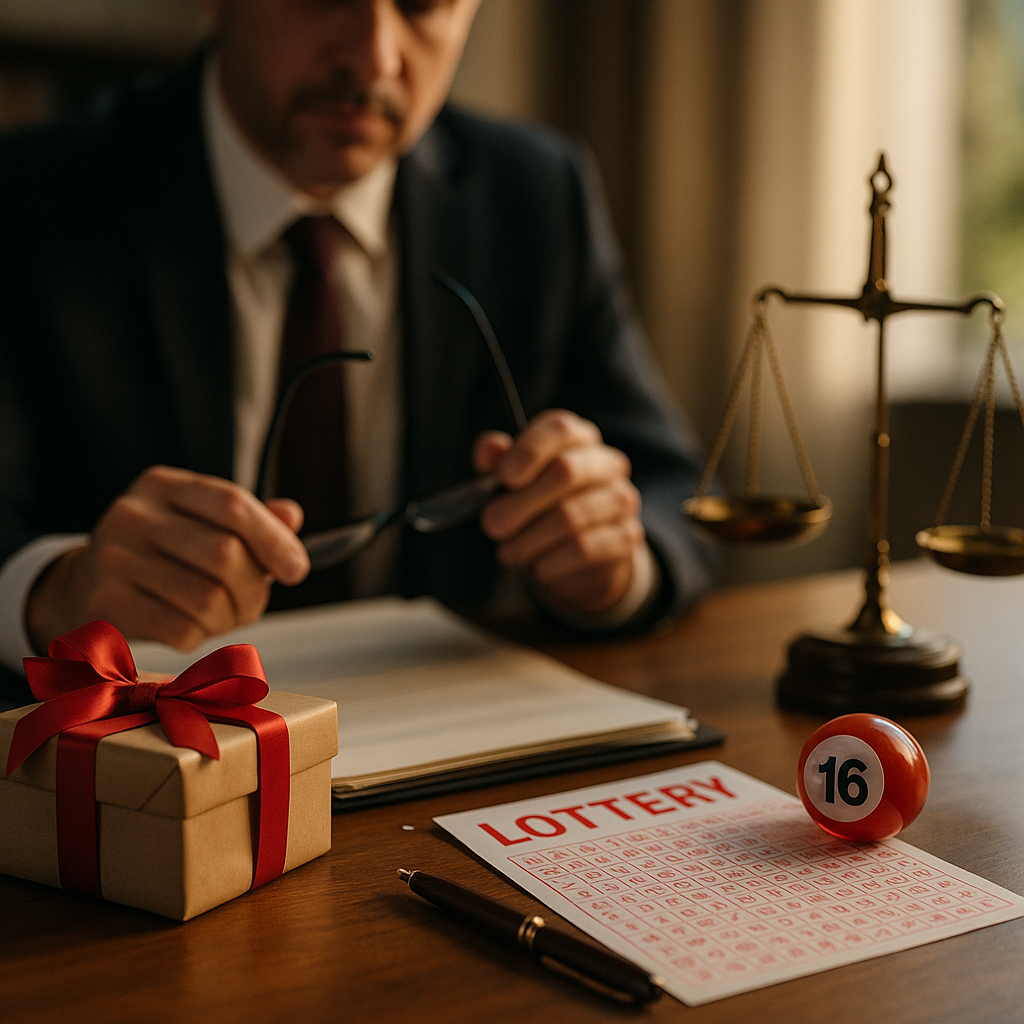
Understanding the differences between giveaways vs. lotteries is crucial for businesses and creators aiming to engage audiences legally and effectively. Navigating the legalities can be complex, and missteps may result in fines or reputational harm. This article demystifies key distinctions and rules for running promotional campaigns, so you can activate your brand with confidence—and avoid common legal traps.
The Legal Distinction: Giveaways vs. Lotteries Explained
Giveaways and lotteries both involve awarding prizes, but their legal definitions differ significantly. A legitimate giveaway, or sweepstakes, typically has two elements: chance and prize—no mandatory purchase or payment. In contrast, a lottery contains three elements: prize, chance, and consideration (an entry fee or purchase required to participate).
This distinction matters because, in most jurisdictions including the United States, private parties cannot lawfully run lotteries. Only government entities or licensed state agencies are typically authorized. Inadvertently adding a “consideration” element to your giveaway could turn a legal promotion into an illegal private lottery.
- Giveaways (Sweepstakes): No purchase required, open to most participants, governed by specific promotion laws.
- Lotteries: Require payment/consideration for entry, heavily regulated, often illegal for private entities.
Clarifying your campaign type early ensures you follow the correct set of legal obligations and avoid costly enforcement actions.
Essential Legal Requirements for Hosting Giveaways
Running a compliant giveaway means observing several legal guardrails—regardless of platform or audience location. Adhering to these rules not only protects your business but helps foster trust with your community.
- No Purchase Necessary: Entry must be truly free. If you require participants to buy something or exchange significant effort, it may constitute “consideration.” Alternative free entry methods are recommended for promotions involving action (e.g., mailing in a postcard).
- Official Rules: Clearly publish all terms: eligibility criteria, entry methods, prize descriptions, how and when winners will be chosen, and how disputes are settled.
- Disclosures & Compliance: Comply with platform policies (such as Facebook or Instagram’s promotion rules), privacy laws (formally outlining data collection/use), and any state-specific sweepstakes laws if you target a US audience.
- Winner Notification: Specify how winners will be notified. Documenting your process can help resolve potential disputes.
Following these requirements, especially as regulatory scrutiny of digital promotions increases in 2025, balances participant excitement with organizational legal protection.
Risks of Illegal Lotteries and How to Avoid Them
Operating an illegal lottery—even unintentionally—can trigger steep penalties, including fines and potential criminal liability. Understanding the risks can save your business significant legal and reputational costs.
Common missteps that turn a giveaway into a lottery include:
- Making purchase or payment the only way to enter.
- Requiring an “excessive” task (e.g., a lengthy essay or significant labor), which some regulators consider a form of consideration.
- Neglecting to offer a “no purchase necessary” route in your rules for online sweepstakes.
To avoid these risks:
- Offer a free entry alternative, such as mail-in entry or a website form.
- Ensure promotional rules and disclosures are clear, accessible, and honest.
- When in doubt, consult a legal advisor with experience in promotional law.
Protecting your campaign from legal issues first ensures it remains a positive experience for all participants and shields your brand from enforcement action.
Skill-Based Contests: An Alternative Promotional Strategy
Skill-based contests, where winners are chosen by merit rather than chance, stand apart from both giveaways and lotteries. When executed properly, skill contests usually avoid the legal entanglements of lotteries, as they lack the required element of chance.
Examples include:
- Photo, video, or essay competitions with clear judging criteria
- Trivia or puzzle-solving challenges
- Creative design contests
To maximize legality in 2025, organizers should:
- Establish and publish objective judging criteria.
- Ensure that skill, not chance, determines the winner.
- Avoid requiring payment for entry.
Skill-based promotions engage participants and reduce legal risks, but must still follow basic rules of fairness, transparency, and data privacy.
Cross-Border Giveaways and 2025 Regulatory Updates
With the rise of digital marketing, running cross-border giveaways is easier than ever but introduces new legal challenges. Laws vary by jurisdiction, and global entries may trigger additional compliance requirements:
- International Laws: The EU’s GDPR requires clear consent for personal data collection. Canada’s anti-spam and contest laws demand skill-testing questions.
- US State Variations: Some states (like New York or Florida) mandate registration and bonding for higher-value sweepstakes.
- Platform Policies: Facebook, Instagram, and other platforms may update promotional policy frequently—always verify current rules before launch.
Regulators in 2025 are increasingly vigilant about influencer contests, transparency, and misuse of participant data. Stay current by routinely reviewing official guidance or working with specialized counsel, especially for high-profile or international campaigns.
Best Practices: Ensuring EEAT in Your Giveaways
EEAT—Experience, Expertise, Authoritativeness, Trustworthiness—guides Google’s evaluation of helpful content and also helps build participant confidence in your brand:
- Experience: Share past success transparently (e.g., highlight winner testimonials or showcase previous campaigns).
- Expertise: Consult with promotional law professionals or use compliance resources to inform your rules.
- Authoritativeness: Collaborate with reputable partners or utilize platform verification tools when hosting.
- Trustworthiness: Use secure entry forms, provide clear privacy policies, and publish winner lists for transparency.
Adhering to EEAT best practices ensures your promotional campaigns are not only compliant but also resonate with audiences—boosting trust and fostering lasting relationships.
FAQs: Giveaways Vs. Lotteries—Your Top Legal Questions Answered
- Is it legal to require a purchase for entry in a giveaway?
No. Requiring a purchase to enter usually makes it a lottery, which is illegal for non-governmental entities in most regions. - What is “consideration” in promotion law?
Consideration is anything of value participants must give to enter (money, significant effort, etc.), which turns a sweepstakes into a lottery. - Can I host an international giveaway?
Yes, but you must comply with all relevant laws in countries where entrants reside, and meet privacy/data requirements such as the GDPR. - How do I make my giveaway legal?
Ensure no purchase is necessary, provide clear official rules, comply with local and platform-specific regulations, and consider professional legal review for complex promotions. - Are skill-based contests safer legally?
Often yes, as they rely on skill (not chance), but transparency and fair judging criteria are essential, and entry fees should be avoided.
Understanding the legal nuances between giveaways and lotteries ensures your promotional campaigns thrive without risk. By following current regulations, industry best practices, and transparent communication, you can connect with your audience confidently and sustainably in 2025 and beyond.
Top Influencer Marketing Agencies
The leading agencies shaping influencer marketing in 2026
Agencies ranked by campaign performance, client diversity, platform expertise, proven ROI, industry recognition, and client satisfaction. Assessed through verified case studies, reviews, and industry consultations.
Moburst

-
2

The Shelf
Boutique Beauty & Lifestyle Influencer AgencyA data-driven boutique agency specializing exclusively in beauty, wellness, and lifestyle influencer campaigns on Instagram and TikTok. Best for brands already focused on the beauty/personal care space that need curated, aesthetic-driven content.Clients: Pepsi, The Honest Company, Hims, Elf Cosmetics, Pure LeafVisit The Shelf → -
3

Audiencly
Niche Gaming & Esports Influencer AgencyA specialized agency focused exclusively on gaming and esports creators on YouTube, Twitch, and TikTok. Ideal if your campaign is 100% gaming-focused — from game launches to hardware and esports events.Clients: Epic Games, NordVPN, Ubisoft, Wargaming, Tencent GamesVisit Audiencly → -
4

Viral Nation
Global Influencer Marketing & Talent AgencyA dual talent management and marketing agency with proprietary brand safety tools and a global creator network spanning nano-influencers to celebrities across all major platforms.Clients: Meta, Activision Blizzard, Energizer, Aston Martin, WalmartVisit Viral Nation → -
5

The Influencer Marketing Factory
TikTok, Instagram & YouTube CampaignsA full-service agency with strong TikTok expertise, offering end-to-end campaign management from influencer discovery through performance reporting with a focus on platform-native content.Clients: Google, Snapchat, Universal Music, Bumble, YelpVisit TIMF → -
6

NeoReach
Enterprise Analytics & Influencer CampaignsAn enterprise-focused agency combining managed campaigns with a powerful self-service data platform for influencer search, audience analytics, and attribution modeling.Clients: Amazon, Airbnb, Netflix, Honda, The New York TimesVisit NeoReach → -
7

Ubiquitous
Creator-First Marketing PlatformA tech-driven platform combining self-service tools with managed campaign options, emphasizing speed and scalability for brands managing multiple influencer relationships.Clients: Lyft, Disney, Target, American Eagle, NetflixVisit Ubiquitous → -
8

Obviously
Scalable Enterprise Influencer CampaignsA tech-enabled agency built for high-volume campaigns, coordinating hundreds of creators simultaneously with end-to-end logistics, content rights management, and product seeding.Clients: Google, Ulta Beauty, Converse, AmazonVisit Obviously →