


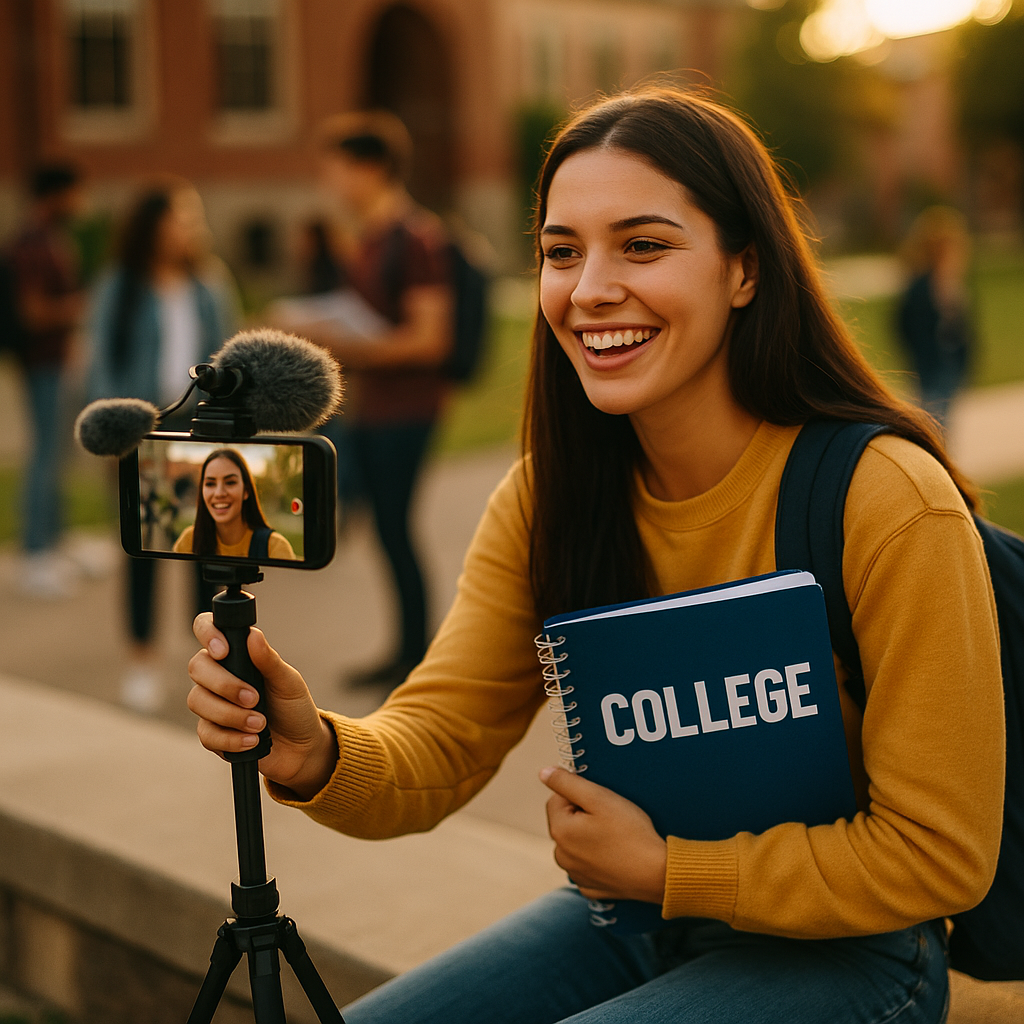
Influencer marketing for higher education recruitment is transforming traditional student outreach. By leveraging trusted voices on social platforms, institutions engage and attract prospective students in relatable ways. But successful campaigns require the right strategies, partners, and ethical considerations. Ready to explore how this dynamic approach can elevate your student recruitment efforts?
How Influencer Partnerships Boost Student Recruitment
Social media influencers shape perceptions and inspire choices for millions of digital natives. In the context of higher education recruitment, authentic peer advocacy—whether from alumni, current students, or niche educational creators—can showcase real experiences on relatable channels. According to the Pew Research Center, 81% of teens say social media influences their life priorities, including educational aspirations.
Instead of relying solely on institutional messaging, influencers bridge the trust gap. They share stories about campus culture, academic programs, and student life, reaching audiences not easily accessible through traditional marketing. Prospective students see themselves in these stories, helping them envision their future at a specific college or university.
Institutions collaborating with influencers benefit from increased engagement, higher inquiry rates, and improved enrollment intent. By meeting students where they are—on TikTok, Instagram, YouTube, and emerging platforms—recruiters tap into the platforms’ unique algorithms and user behavior for stronger results.
Selecting the Right Influencers for Education Campaigns
A successful influencer marketing strategy hinges on choosing partners who genuinely resonate with your target audience. For higher education recruitment, authenticity and relevance are paramount. Begin by identifying key demographics: undergraduate vs. graduate prospects, domestic vs. international students, or those seeking particular fields of study.
Consider these criteria when vetting influencers:
- Relevance: Does the influencer regularly discuss education, student life, or related topics?
- Audience Alignment: Is their follower base similar to your pool of prospective students?
- Authenticity: Are their endorsements perceived as genuine and unscripted rather than overly promotional?
- Engagement Rate: Do their posts spark meaningful conversation and feedback?
- Diversity and Inclusion: Can the influencer represent diverse student perspectives and experiences?
Brands such as universities often engage ‘micro-influencers’—students with smaller, loyal followings and high engagement—alongside established education content creators. This layered approach builds trust and broadens reach.
Best Practices for Influencer Campaigns in Higher Education
Executing an effective influencer marketing campaign for student recruitment requires meticulous planning and ethical transparency. Adhering to industry best practices not only improves results but also aligns campaigns with institutional values and regulatory standards.
- Clearly Define Goals: Are you promoting open days, raising applications, or strengthening brand awareness?
- Develop Authentic Content: Co-create content that reflects genuine experiences—vlogs, live Q&A sessions, campus tours, or admissions tip videos—rather than scripted ads.
- Maintain Transparency: Disclose partnerships according to legal requirements and platform guidelines to build trust with students and parents.
- Monitor Results: Use trackable links, custom codes, and analytics to measure click-throughs, applications, and enrollments attributable to influencer collaboration.
- Prioritize Ethics: Avoid overpromising; ensure all messaging complies with institutional policies and advertising standards in higher education.
Following these steps creates campaigns that feel organic and foster lasting relationships with future students. Open feedback channels for both influencers and audiences help refine content in real time.
Leveraging User-Generated Content and Peer Advocacy
User-generated content (UGC) has become a foundation for effective influencer marketing in higher education recruitment. When students or alumni independently share their experiences—often amplified by influencers—it creates powerful, peer-driven testimonials with unmatched credibility.
UGC ideas include day-in-the-life videos, campus event coverage, and honest reviews of academic programs. When curated and reshared by universities, this content signals institutional openness and a student-centric culture. Social listening tools can help institutions identify and repurpose the most impactful UGC, maximizing its reach and resonance.
By encouraging organic peer advocacy alongside formal influencer partnerships, recruiters nurture a vibrant, ongoing conversation about campus life and academic pathways. This authentic dialogue not only sparks interest but also increases retention rates by setting realistic expectations and fostering early community engagement.
Measuring ROI and Adapting Campaigns for 2025
Measuring return on investment (ROI) in influencer marketing is essential for justifying spend and optimizing future recruitment strategies. For 2025, advanced analytics tools provide granular insights into every stage of the student journey inspired by influencer content.
Key metrics include:
- Engagement Rates: Likes, shares, comments, and video or story views.
- Traffic Quality: Website visits from influencer links—including time on site and bounce rates.
- Lead Generation: Inquiry form completions or newsletter sign-ups driven by influencer-driven CTAs.
- Conversion Rates: Actual applications or confirmed enrollments traceable to specific influencer campaigns.
Modern attribution tools and CRM integrations enable institutions to track these KPIs with high accuracy. Campaigns should be routinely analyzed and adapted: update influencer rosters, pilot emerging platforms (like BeReal or Lemon8), and refresh messaging to reflect evolving student priorities. This agile approach ensures every recruitment cycle builds on proven success and meaningful data.
Conclusion: Harnessing Influencer Marketing for Sustainable Recruitment
Influencer marketing for higher education recruitment enhances trust and fosters authentic student connections. By selecting the right partners, prioritizing transparency, and adapting strategies based on insights, institutions elevate their recruitment outcomes and cultivate inclusive campus communities. Leverage influencer partnerships today to lead the next era of higher education engagement.
FAQs: Influencer Marketing for Higher Education Recruitment
-
Can influencer marketing be effective for postgraduate recruitment?
Yes, postgraduate candidates increasingly seek authentic insights about advanced programs and campus life. Influencers—especially alumni or current graduate students—can provide honest reviews and advice tailored to this audience, helping them make informed decisions.
-
How do universities ensure influencer campaigns comply with regulations?
Universities must follow advertising standards set by educational authorities and social platforms. This includes transparent disclosure of partnerships, fact-checking content, and regular review by institutional marketing and legal teams.
-
What platforms work best for student recruitment influencer marketing?
Popular channels for 2025 include TikTok, Instagram, and YouTube Shorts, with new platforms like BeReal gaining traction. Choice should align with where your target audience spends most of their online time and the type of content they prefer engaging with.
-
Are student-run accounts as effective as professional influencers?
Yes, student-run accounts—especially ‘micro-influencers’—often achieve higher engagement rates. Their content is perceived as more genuine and can connect deeply with prospective students exploring campus life from a peer perspective.
Top Influencer Marketing Agencies
The leading agencies shaping influencer marketing in 2026
Agencies ranked by campaign performance, client diversity, platform expertise, proven ROI, industry recognition, and client satisfaction. Assessed through verified case studies, reviews, and industry consultations.
Moburst

-
2

The Shelf
Boutique Beauty & Lifestyle Influencer AgencyA data-driven boutique agency specializing exclusively in beauty, wellness, and lifestyle influencer campaigns on Instagram and TikTok. Best for brands already focused on the beauty/personal care space that need curated, aesthetic-driven content.Clients: Pepsi, The Honest Company, Hims, Elf Cosmetics, Pure LeafVisit The Shelf → -
3

Audiencly
Niche Gaming & Esports Influencer AgencyA specialized agency focused exclusively on gaming and esports creators on YouTube, Twitch, and TikTok. Ideal if your campaign is 100% gaming-focused — from game launches to hardware and esports events.Clients: Epic Games, NordVPN, Ubisoft, Wargaming, Tencent GamesVisit Audiencly → -
4

Viral Nation
Global Influencer Marketing & Talent AgencyA dual talent management and marketing agency with proprietary brand safety tools and a global creator network spanning nano-influencers to celebrities across all major platforms.Clients: Meta, Activision Blizzard, Energizer, Aston Martin, WalmartVisit Viral Nation → -
5

The Influencer Marketing Factory
TikTok, Instagram & YouTube CampaignsA full-service agency with strong TikTok expertise, offering end-to-end campaign management from influencer discovery through performance reporting with a focus on platform-native content.Clients: Google, Snapchat, Universal Music, Bumble, YelpVisit TIMF → -
6

NeoReach
Enterprise Analytics & Influencer CampaignsAn enterprise-focused agency combining managed campaigns with a powerful self-service data platform for influencer search, audience analytics, and attribution modeling.Clients: Amazon, Airbnb, Netflix, Honda, The New York TimesVisit NeoReach → -
7

Ubiquitous
Creator-First Marketing PlatformA tech-driven platform combining self-service tools with managed campaign options, emphasizing speed and scalability for brands managing multiple influencer relationships.Clients: Lyft, Disney, Target, American Eagle, NetflixVisit Ubiquitous → -
8

Obviously
Scalable Enterprise Influencer CampaignsA tech-enabled agency built for high-volume campaigns, coordinating hundreds of creators simultaneously with end-to-end logistics, content rights management, and product seeding.Clients: Google, Ulta Beauty, Converse, AmazonVisit Obviously →