


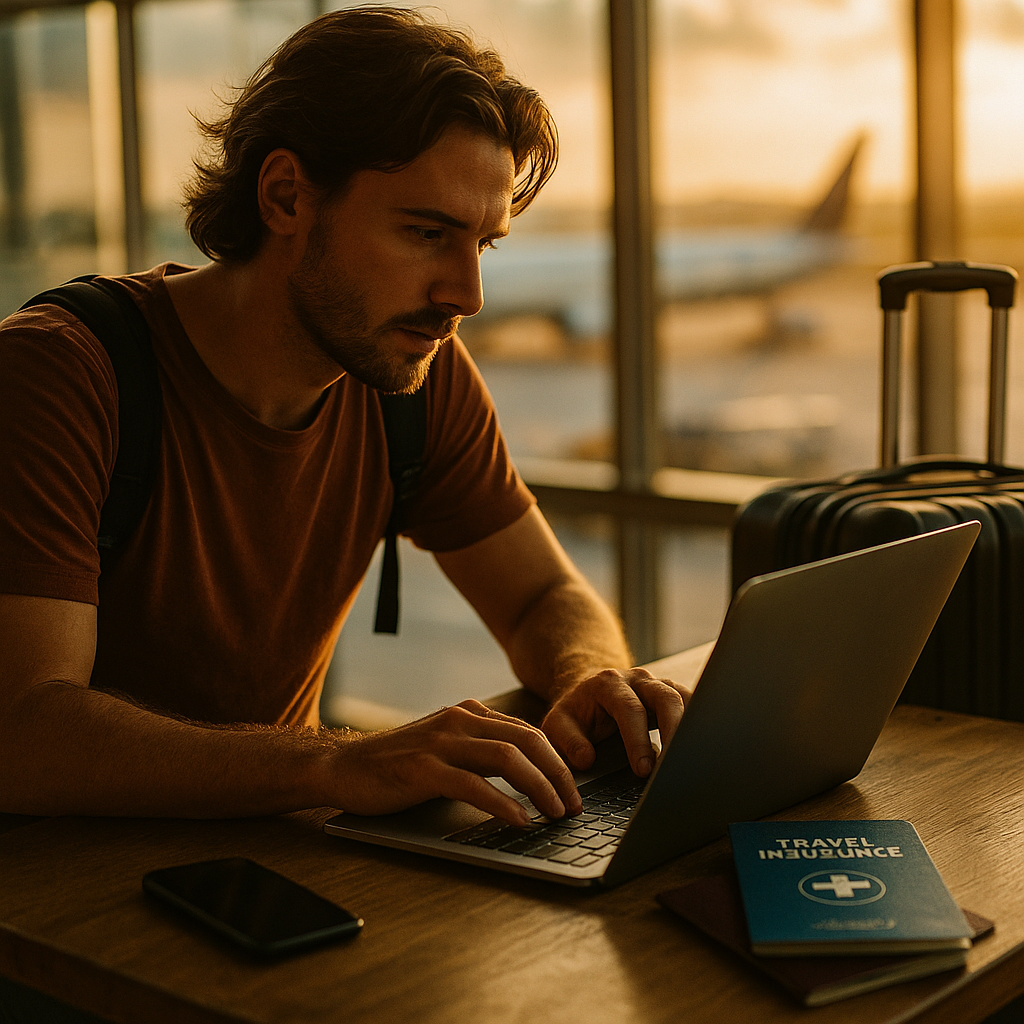
Travel insurance brands targeting digital nomads must understand and address the unique needs of remote workers who constantly cross borders. Navigating international coverage, flexible policies, and digital-first services are essential. In 2025’s booming gig economy, discover how travel insurance brands can connect with mobile professionals—and why personalized solutions make all the difference.
Why Digital Nomads Need Specialized Travel Insurance
The digital nomad lifestyle blends freedom with unpredictability. Unlike the average traveler, digital nomads often work remotely in various countries and for extended periods. Standard travel insurance doesn’t always cater to their needs: it may lack coverage for ongoing international stays, evolving destinations, or non-tourist activities like coworking and business travel.
Research published in early 2025 by Nomad List shows that over 35% of digital nomads experienced at least one medical emergency during their travels. More than 60% needed coverage for lost equipment or client cancellations. Specialized travel insurance for digital nomads fills these gaps, offering:
- Continuous international coverage (no fixed home base required)
- Flexible start and end dates that adapt to changing plans
- Protection for work equipment like laptops, cameras, and smartphones
- Remote client liability coverage for freelancers and entrepreneurs
As remote work becomes a global norm in 2025, robust travel insurance designed for digital professionals is essential—making informed selection vital.
Key Features Digital Nomads Expect in Travel Insurance Policies
Modern digital nomads are discerning consumers. According to a 2025 survey conducted by InsureTech Digital, 78% of remote workers view policy flexibility and easy online claims as priorities. Here are the critical features travel insurance brands should offer:
- Global coverage: Seamlessly protects in all countries (including “non-standard” destinations)
- Customizable duration: Daily, monthly, or annual terms without requiring fixed return dates
- 24/7 digital support: Multilingual assistance and claims handled via app or chat
- Telemedicine: Access to virtual doctor consultations and mental health support worldwide
- Coverage for co-working and co-living arrangements: Protects in unique accommodation settings
Standard plans may fall short in these areas. Brands that evolve their products for digital nomads stand to build trust and long-lasting relationships with this expanding market segment.
How to Build Trust: EEAT Principles in Digital Nomad Insurance
Google’s EEAT framework—Expertise, Experience, Authoritativeness, and Trustworthiness—guides digital nomads in choosing the best travel insurance brands. In 2025, with information overload prevalent, it’s crucial for insurers to prove their value and legitimacy online:
- Expertise: Publish transparent, detailed content about coverage, limitations, and real-life claims scenarios
- Experience: Share verified reviews, testimonials, and case studies from actual nomadic customers
- Authoritativeness: Display regulatory compliance, third-party ratings, and association memberships
- Trustworthiness: Offer clear contact details, GDPR-compliant data handling, and visible support channels
Brands like WorldNomads and SafetyWing have set the bar high by spotlighting customer journeys, hosting webinars, and fostering online communities for knowledge sharing. Adopting these best practices builds credibility and engagement across global digital nomad networks.
Marketing to Digital Nomads: Effective Strategies in 2025
Reaching digital nomads requires more than traditional advertising. In 2025, the most effective travel insurance brands use niche marketing methods tailored to the remote worker community. Key strategies include:
- Partnerships with coworking spaces and popular digital nomad hubs (e.g., Bali, Lisbon, Medellín)
- Active presence in digital nomad forums and Slack groups, providing expert advice and transparency
- Influencer collaborations with remote work thought leaders and travel bloggers
- SEO-optimized, helpful content—destinations guides, claims FAQs, and case studies answering real questions
- Referral and affiliate programs for nomad community leaders and online platforms
Leveraging trusted voices and authentic peer endorsements fosters rapid brand adoption. Combined with educational content, these approaches address the unique pain points of digital nomads—making digital-first insurers top-of-mind for mobile professionals.
What to Look For: Comparing Leading Travel Insurance Brands for Digital Nomads
With demand at an all-time high in 2025, the market offers more nomad-centric insurance options than ever. How can digital professionals distinguish the leaders?
- Transparent pricing: No hidden fees or fine print—clear breakdowns of costs and inclusions
- Real-time policy management: Easy upgrades, extensions, or cancellations online
- Comprehensive gadget and liability coverage: Not just health, but also lost, stolen, or broken work gear
- Consistently positive customer reviews (look for recent testimonials on independent sites)
- Direct billing with international healthcare providers, not just reimbursement
Forward-thinking brands combine these features with engaging community support and regular product updates, remaining adaptable as remote work trends evolve. When evaluating, digital nomads should also consider response time and global claims payout histories.
Shaping the Future: How Digital Nomads Influence Travel Insurance Innovation
Digital nomads are not just consumers—they’re change agents pushing the insurance industry forward. Their feedback continually shapes new features, from instant accident claims settlements to COVID-era quarantine coverage and preventive mental health support.
Insurers that listen—soliciting input via surveys, forums, and product beta testers—consistently launch more relevant offerings. In response to 2025 trends, brands are rolling out:
- No-limits cross-border coverage: Policies valid in nearly any country, even during political unrest
- Proactive well-being benefits: Gym passes, wellness apps, and access to mental health resources
- Parametric insurance: Automated flight delay payouts and weather incident coverage, eliminating paperwork
As digital nomads continue to redefine what “home” means, insurance providers must evolve—embracing flexibility, digital experience, and customer-driven design.
Conclusion
In 2025, travel insurance brands succeed with digital nomads by offering flexible, transparent, and digitally native solutions. By focusing on specialized coverage, thoughtful digital experience, and trust-building, insurers become essential partners for mobile professionals. Choose a brand genuinely attuned to the digital nomad journey—protection, convenience, and real community support await.
FAQs: Travel Insurance for Digital Nomads
-
Is regular travel insurance enough for digital nomads?
No. Most standard travel insurance policies exclude long-term trips, flexible destinations, or work-related equipment. Nomad-focused policies offer broader, more adaptable protections.
-
Can I get coverage if I don’t have a permanent address?
Yes. Leading digital nomad insurance brands structure their products for customers without a fixed home base, allowing you to update destinations as you move.
-
What does travel insurance typically cover for digital nomads?
Coverage usually includes international health emergencies, lost or stolen devices, trip interruption, co-living and coworking incidents, and some liability for freelance work.
-
How quickly can I make claims and get reimbursements?
Most top providers offer digital claims processes in under 10 minutes, with many reimbursing accepted claims in 2-7 business days—or instantly for certain scenarios.
-
Does travel insurance for digital nomads include mental health support?
Yes. Many leading nomad insurance brands in 2025 cover teletherapy, counseling, and related mental health services—essential for remote workers far from home.
Top Influencer Marketing Agencies
The leading agencies shaping influencer marketing in 2026
Agencies ranked by campaign performance, client diversity, platform expertise, proven ROI, industry recognition, and client satisfaction. Assessed through verified case studies, reviews, and industry consultations.
Moburst

-
2

The Shelf
Boutique Beauty & Lifestyle Influencer AgencyA data-driven boutique agency specializing exclusively in beauty, wellness, and lifestyle influencer campaigns on Instagram and TikTok. Best for brands already focused on the beauty/personal care space that need curated, aesthetic-driven content.Clients: Pepsi, The Honest Company, Hims, Elf Cosmetics, Pure LeafVisit The Shelf → -
3

Audiencly
Niche Gaming & Esports Influencer AgencyA specialized agency focused exclusively on gaming and esports creators on YouTube, Twitch, and TikTok. Ideal if your campaign is 100% gaming-focused — from game launches to hardware and esports events.Clients: Epic Games, NordVPN, Ubisoft, Wargaming, Tencent GamesVisit Audiencly → -
4

Viral Nation
Global Influencer Marketing & Talent AgencyA dual talent management and marketing agency with proprietary brand safety tools and a global creator network spanning nano-influencers to celebrities across all major platforms.Clients: Meta, Activision Blizzard, Energizer, Aston Martin, WalmartVisit Viral Nation → -
5

The Influencer Marketing Factory
TikTok, Instagram & YouTube CampaignsA full-service agency with strong TikTok expertise, offering end-to-end campaign management from influencer discovery through performance reporting with a focus on platform-native content.Clients: Google, Snapchat, Universal Music, Bumble, YelpVisit TIMF → -
6

NeoReach
Enterprise Analytics & Influencer CampaignsAn enterprise-focused agency combining managed campaigns with a powerful self-service data platform for influencer search, audience analytics, and attribution modeling.Clients: Amazon, Airbnb, Netflix, Honda, The New York TimesVisit NeoReach → -
7

Ubiquitous
Creator-First Marketing PlatformA tech-driven platform combining self-service tools with managed campaign options, emphasizing speed and scalability for brands managing multiple influencer relationships.Clients: Lyft, Disney, Target, American Eagle, NetflixVisit Ubiquitous → -
8

Obviously
Scalable Enterprise Influencer CampaignsA tech-enabled agency built for high-volume campaigns, coordinating hundreds of creators simultaneously with end-to-end logistics, content rights management, and product seeding.Clients: Google, Ulta Beauty, Converse, AmazonVisit Obviously →