


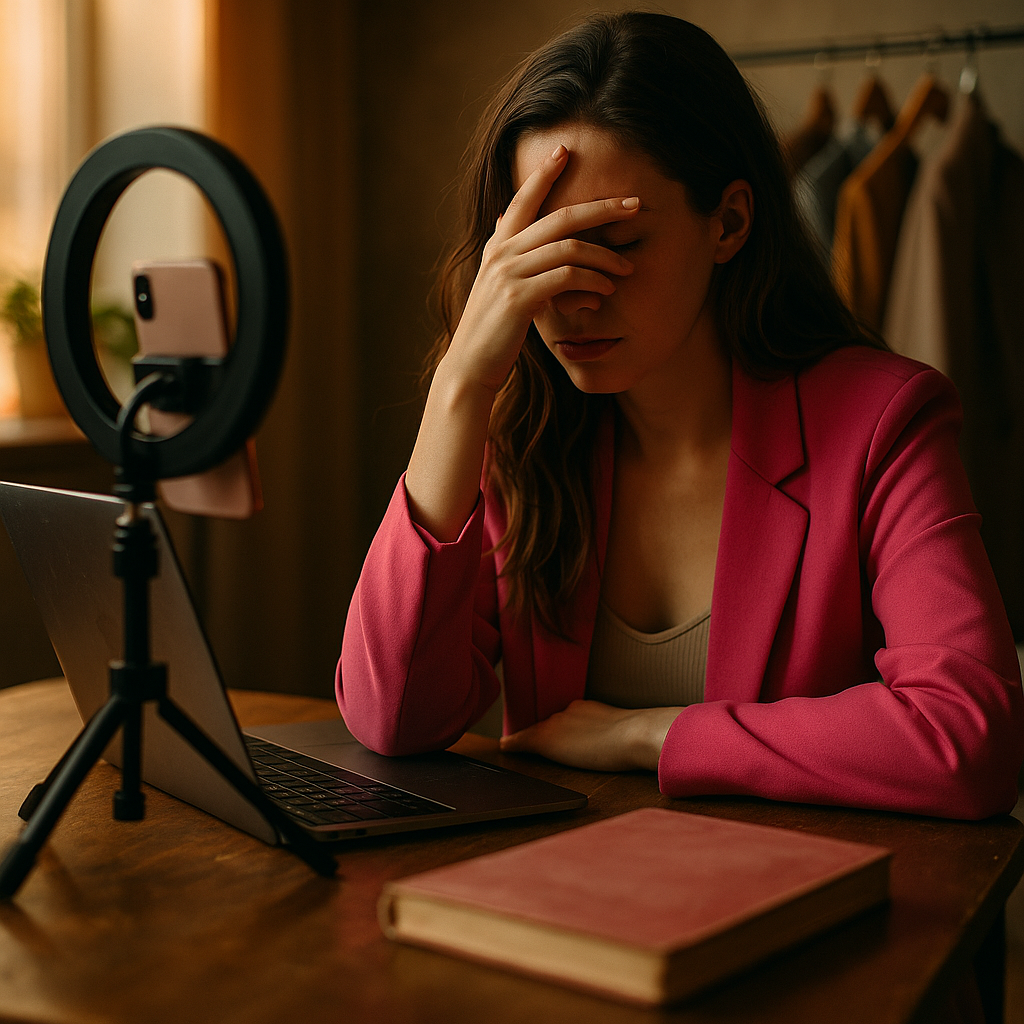
The decline of the “girlboss” aesthetic in content has been a striking shift in digital culture, with women, brands, and creators reimagining empowerment and success. As the glossy, hyper-ambitious branding loses steam, a fresh, nuanced narrative is emerging. What drove the fall of this once-dominant trend, and what does it signal for content creators now?
The Origin of the “Girlboss” Trend in Empowerment Content
The “girlboss” movement rose rapidly with the success of high-profile businesswomen and influencers, becoming synonymous with hustle culture and female empowerment online. Originally, the term celebrated women breaking barriers in leadership and entrepreneurship, inspiring a wave of content that blended bright visuals, motivational quotes, and career advice targeted at women eager for success. Influencers and brands latched onto this, using pastel color palettes, curated office setups, and productivity hacks to communicate a vision of the modern woman as both fashionable and fearlessly ambitious.
This aesthetic—characterized by bold fonts, rose-gold accents, and unapologetic confidence—was supposed to symbolize progress. However, as the years went on, users and critics began to notice the limitations of this narrative, especially as societal conversations around authenticity and systemic inequality evolved.
Why Audiences Are Turning Away: Shifting Values and Representation
The move away from the “girlboss” aesthetic in 2025 can be traced to shifting audience values and broader societal conversations. Today’s content consumers prioritize authenticity, intersectionality, and transparency over picture-perfect representations of success. A growing awareness of the limitations in the original “girlboss” narrative—namely, its focus on individualism while sidelining broader issues like wage gaps, workplace discrimination, and the realities of burnout—has led many to view the trend as superficial and exclusionary.
Moreover, the aesthetic fell short on representing a diverse range of voices and experiences. Critics argue that the “girlboss” formula often centered on privileged women and aspirational lifestyles, failing to connect with audiences who wanted attainable, relatable content. As a result, engagement has decreased on posts tied to the aesthetic, and brands are compelled to pivot towards more genuine and inclusive storytelling.
The Role of Authenticity in Modern Content Creation
In 2025, authenticity dominates the content landscape. Audiences are engaging more with creators who discuss not only their achievements but also their challenges and setbacks. This contrasts sharply with the polished perfectionism that defined the “girlboss” era. As algorithms reward content that drives genuine interaction and longer watch times, creators are incentivized to share authentic narratives instead of highly staged moments.
The shift is evident across all major platforms—from TikTok to YouTube—where unfiltered vlogs, behind-the-scenes glimpses, and honest discussions about mental health and work-life balance generate higher engagement rates. The best-performing content fosters trust, support, and vulnerability, helping audiences feel seen rather than pressured to live up to unattainable ideals. In turn, creators build stronger, more loyal communities.
How Brands Are Rethinking Empowerment messaging
Brands that once leaned into the “girlboss” aesthetic are now redefining empowerment in more nuanced terms. Instead of generic calls to ‘hustle harder,’ successful branding in 2025 highlights systemic change, allyship, and community-driven narratives. Marketers are spotlighting real stories, collaborating with diverse creators, and investing in content that acknowledges both victories and challenges.
This means less focus on perfectly staged office shots and more on everyday moments, mutual support, and transparency about the ups and downs of professional journeys. Major brands in the fashion, beauty, and wellness sectors are reporting higher trust and customer retention when they drop the “girlboss” veneer in favor of mission-driven, values-led campaigns. Data from recent market research reveals that consumers are more likely to support brands that align with their personal ethics and social values, rather than brands that perpetuate an out-of-touch ideal.
The Impact on Career and Lifestyle Influencers
For career and lifestyle influencers, the decline of the “girlboss” aesthetic presents both challenges and opportunities. While some influencers have struggled to rebrand away from the once-lucrative trend, others thrive by embracing vulnerability, focusing on real-life struggles, and leveraging their platforms for social impact. Audiences now seek guidance from those who address not just career achievements, but the realities of juggling ambition with family, self-care, and societal pressures.
Successful influencers in 2025 use their platforms for peer mentorship, open dialogue, and advocacy, transforming their brands into supportive communities rather than aspirational feeds. Many now partner with organizations, share their own growth journeys candidly, and participate in causes that matter to their audiences. The result is content that feels collaborative and grounded, not just instructional or inspirational.
What’s Next: The Future of Empowerment Content
As the “girlboss” aesthetic fades, empowerment content continues to evolve. Experts predict further growth in content that highlights community uplift, equity initiatives, and long-term personal development. Content strategies are shifting toward sustainable success, mental health awareness, and the value of collective action over mere individual peak performance.
- Community Collaborations: Expect more partnerships between creators, mutual support initiatives, and crowd-sourced advice columns that prioritize unity.
- Diverse Storytelling: Content will increasingly feature voices from various backgrounds, reflecting real-world challenges and triumphs.
- Transparency in Brand Messaging: Companies will continue disclosing their values and practices, earning consumer trust through accountability and sincerity.
The trends suggest a future where empowerment is defined not just by personal ambition, but by collective growth, resilience, and belonging. For content creators, staying relevant means listening actively to audiences, embracing vulnerability, and contributing to broader conversations about equity and inclusion.
FAQs: The Decline Of The “Girlboss” Aesthetic In Content
- Why did the “girlboss” aesthetic become so popular?
It resonated with women seeking empowerment and visibility in male-dominated spaces, offering aspirational role models, productivity tips, and upbeat visuals that symbolized modern success. - What caused the decline of “girlboss” content?
The focus on individualism, lack of true diversity, and unrealistic standards created disillusionment among audiences who now prefer more honest, inclusive, and relatable narratives. - How has brand marketing changed in response?
Brands are prioritizing transparency, real stories, and values-driven campaigns, moving away from idealized images to content that fosters trust and reflects real-world experiences. - What type of content now resonates with women online?
Honest storytelling, mental health discussions, support networks, and intersectional perspectives are driving engagement as women seek content that mirrors their lived realities. - How can new creators succeed in the current landscape?
Building engaged communities, sharing authentic experiences (successes and failures alike), and aligning with impactful causes or social issues are effective ways to grow and connect.
The decline of the “girlboss” aesthetic in content marks a positive move toward authenticity, inclusivity, and meaningful connection. As values shift, creators and brands that prioritize honest storytelling and collective empowerment are positioned for lasting success in the digital landscape.
Top Influencer Marketing Agencies
The leading agencies shaping influencer marketing in 2026
Agencies ranked by campaign performance, client diversity, platform expertise, proven ROI, industry recognition, and client satisfaction. Assessed through verified case studies, reviews, and industry consultations.
Moburst

-
2

The Shelf
Boutique Beauty & Lifestyle Influencer AgencyA data-driven boutique agency specializing exclusively in beauty, wellness, and lifestyle influencer campaigns on Instagram and TikTok. Best for brands already focused on the beauty/personal care space that need curated, aesthetic-driven content.Clients: Pepsi, The Honest Company, Hims, Elf Cosmetics, Pure LeafVisit The Shelf → -
3

Audiencly
Niche Gaming & Esports Influencer AgencyA specialized agency focused exclusively on gaming and esports creators on YouTube, Twitch, and TikTok. Ideal if your campaign is 100% gaming-focused — from game launches to hardware and esports events.Clients: Epic Games, NordVPN, Ubisoft, Wargaming, Tencent GamesVisit Audiencly → -
4

Viral Nation
Global Influencer Marketing & Talent AgencyA dual talent management and marketing agency with proprietary brand safety tools and a global creator network spanning nano-influencers to celebrities across all major platforms.Clients: Meta, Activision Blizzard, Energizer, Aston Martin, WalmartVisit Viral Nation → -
5

The Influencer Marketing Factory
TikTok, Instagram & YouTube CampaignsA full-service agency with strong TikTok expertise, offering end-to-end campaign management from influencer discovery through performance reporting with a focus on platform-native content.Clients: Google, Snapchat, Universal Music, Bumble, YelpVisit TIMF → -
6

NeoReach
Enterprise Analytics & Influencer CampaignsAn enterprise-focused agency combining managed campaigns with a powerful self-service data platform for influencer search, audience analytics, and attribution modeling.Clients: Amazon, Airbnb, Netflix, Honda, The New York TimesVisit NeoReach → -
7

Ubiquitous
Creator-First Marketing PlatformA tech-driven platform combining self-service tools with managed campaign options, emphasizing speed and scalability for brands managing multiple influencer relationships.Clients: Lyft, Disney, Target, American Eagle, NetflixVisit Ubiquitous → -
8

Obviously
Scalable Enterprise Influencer CampaignsA tech-enabled agency built for high-volume campaigns, coordinating hundreds of creators simultaneously with end-to-end logistics, content rights management, and product seeding.Clients: Google, Ulta Beauty, Converse, AmazonVisit Obviously →