


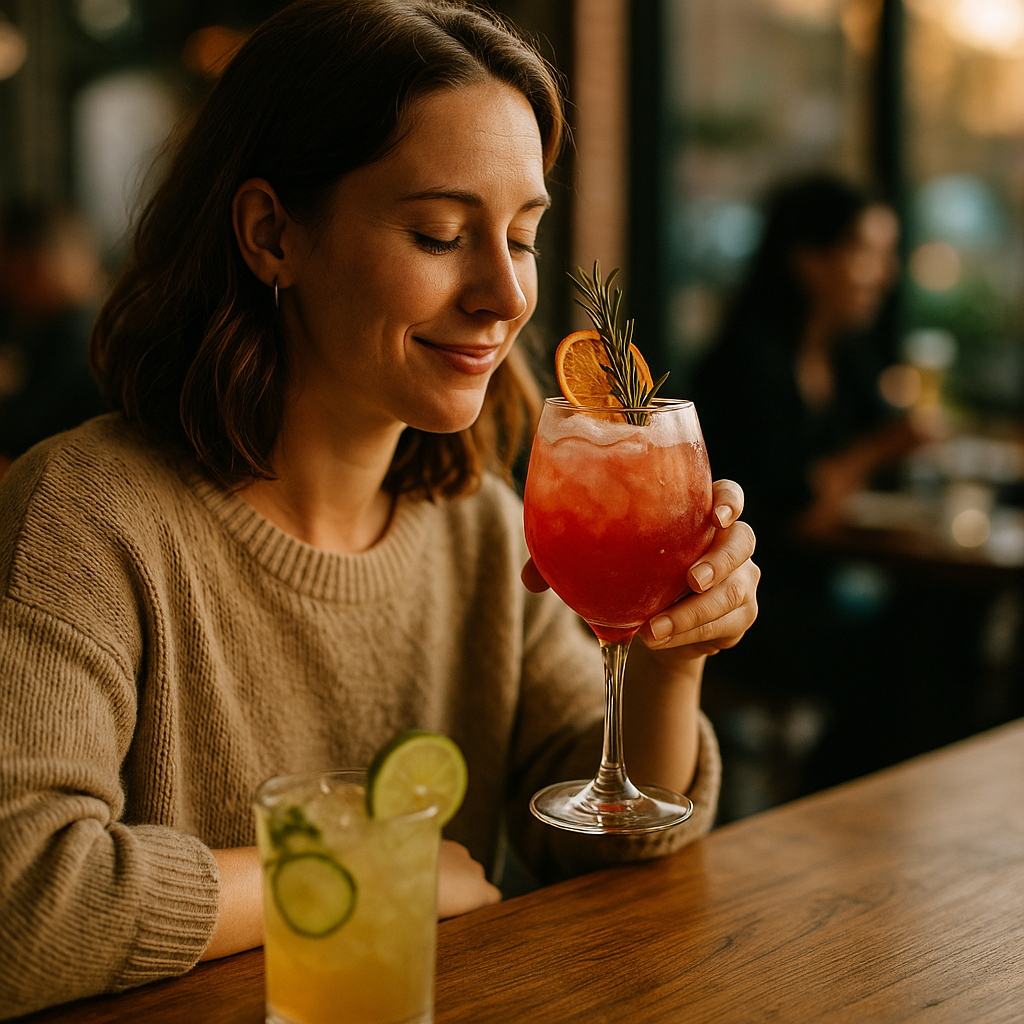
The beverage industry continues to shape trends with creative mocktail recipes, especially during Dry January. As more consumers embrace alcohol-free living, the demand for innovative, tasty, and health-conscious drink options is on the rise. Curious how to make the most of Dry January? Discover the leading mocktail recipes and expert tips inside.
Mocktail Trends Transforming the Beverage Industry
Over the past few years, mocktails have evolved from simple fruity drinks to sophisticated beverages that rival classic cocktails. Data from IWSR in early 2025 shows that the alcohol-free segment saw a 15% increase in market share, driven by health conscientiousness and mindful drinking. Beverage brands are innovating rapidly, using exotic botanicals, premium mixers, and sugar alternatives for elevated non-alcoholic options.
The key drivers behind this surge include:
- Health and wellness: Many consumers are reducing alcohol intake for physical and mental health benefits.
- Flavor innovation: The use of fresh herbs, adaptogens, and complex flavors appeals to discerning palates.
- Social inclusivity: Mocktails allow everyone to enjoy festivities without compromise.
With over 35% of adults participating in Dry January, according to Nielsen, beverage professionals are crafting drinks that impress in both taste and presentation. The industry’s pivot to mocktails is redefining the modern drinking experience.
Inspiring Mocktail Recipes for Dry January
Looking for delicious ways to enjoy Dry January? Here are some standout mocktail recipes, curated by industry mixologists, that deliver on both flavor and presentation.
-
Herbal Citrus Spritz
Ingredients: Fresh orange juice, rosemary sprig, elderflower syrup, tonic water, orange zest.
Instructions: Muddle rosemary and orange zest in a shaker. Add juice and syrup, shake with ice, and strain into a glass. Top with tonic water and garnish with a rosemary sprig. -
Berry Basil Smash
Ingredients: Mixed berries, fresh basil, lemon juice, agave syrup, sparkling water.
Instructions: Mash berries and basil together. Add lemon juice and agave syrup. Shake with ice, strain, and pour over ice. Top with sparkling water and extra berries. -
Cucumber Mint Collins
Ingredients: Cucumber slices, mint leaves, lime juice, simple syrup, soda water.
Instructions: Muddle cucumber and mint. Add lime juice and syrup, shake with ice, and strain into a tall glass. Top with soda water, garnish with cucumber ribbon. -
Ginger Apple Fizz
Ingredients: Fresh apple juice, ginger syrup, lemon wedge, cinnamon stick, club soda.
Instructions: Combine apple juice, ginger syrup, and lemon juice. Shake and pour over ice, top with club soda, and stir gently. Garnish with a cinnamon stick.
Each recipe delivers a burst of flavor without the need for alcohol, ensuring everyone can enjoy a spirited experience all month long.
How Beverage Brands Cater to Dry January
With an eye on Dry January, major beverage brands and bars are expanding zero-proof options and investing in alcohol-free innovations. According to a 2025 Beverage Daily review, companies such as Seedlip, Lyre’s, and Ritual have seen substantial growth, and bars are redesigning menus with dedicated mocktail sections to meet demand.
- Retail: Supermarkets and online platforms now feature entire aisles of non-alcoholic spirits and mixers.
- Beverage start-ups: New entrants focus on botanicals, adaptogens, and wellness-oriented flavors.
- Restaurants and bars: Staff training and menu design ensure mocktails feel as special as alcoholic offerings.
Feedback from customers shows a preference for drinks that are thoughtfully crafted, flavorful, and beautifully presented. The beverage industry’s response is reshaping how we view alcohol-free celebrations, making Dry January both accessible and enjoyable.
Benefits of Participating in Dry January
Choosing to abstain from alcohol for the month of January goes beyond trend-following; it has tangible wellness benefits, confirmed by recent academic research. Experts at the University of Sussex noted improved sleep, better concentration, and increased energy among participants. Additionally, many people report weight loss and a renewed appreciation for mindful drinking.
- Mental clarity: Reduced alcohol intake can sharpen focus and mood.
- Physical health: Liver function, skin quality, and hydration all benefit from a break from alcohol.
- Financial savings: Cutting back on drinks can lower monthly expenses.
- Social discovery: Experiencing nightlife and social events sober can foster genuine connections and creativity in beverage choice.
Dry January also provides a low-pressure way to reset habits, with many participants choosing to continue reduced alcohol consumption even after January ends. Mocktail recipes play a central role in making this lifestyle shift enjoyable.
Pro Tips for Making Showstopper Mocktails at Home
Wondering how to craft bar-worthy mocktails in your own kitchen? The secret lies in detail and creativity. Here’s what beverage industry pros recommend for homemade mocktail excellence:
- Use high-quality, fresh ingredients: Fresh juices, herbs, and spices elevate both taste and nutrition.
- Balance sweetness and acidity: Adjust the ratio for a drink that’s bright and refreshing, not cloying.
- Experiment with textures: Add muddled fruit, crushed ice, or sparkling water for depth.
- Get creative with garnishes: Edible flowers, colorful citrus twists, or herb bundles create visual impact.
- Serve in elegant glassware: Presentation matters. A well-chosen glass enhances the drinking experience.
Additionally, try infusing syrups with flavors such as ginger, lavender, or cardamom for unique homemade mixers. Keep a variety of citrus and herbs on hand, and don’t hesitate to riff on the classics with seasonal ingredients. The possibilities are endless.
Conclusion: The Future of Mocktails and Dry January
The beverage industry’s embrace of Dry January and mocktail recipes underscores a growing shift toward mindful, health-conscious living. With innovation at its core, both industry professionals and home enthusiasts are creating vibrant, satisfying alternatives to traditional cocktails—proving that great taste and celebration need no alcohol.
FAQs: Mocktail Recipes and Dry January
-
What is Dry January?
Dry January is a public health initiative encouraging people to abstain from alcohol for the month of January. It’s grown in popularity worldwide as a way to reset habits and prioritize well-being. -
Are there health benefits to doing Dry January?
Yes. Numerous participants report improved sleep, energy, mood, and even weight loss. Medical experts support Dry January as an effective approach to mindful drinking and better overall health. -
What are the most popular mocktail ingredients in 2025?
Fresh herbs (like basil and rosemary), exotic botanicals, premium non-alcoholic spirits, adaptogens, and fruit juices are in high demand. Brands and mixologists focus on complex, layered flavors without extra sugar or artificial additives. -
Can I buy alcohol-free spirits for mocktails?
Absolutely. Many brands now offer alcohol-free gin, whiskey, rum, and more, available online and in most supermarkets. These products are designed to closely mimic the flavor and mouthfeel of traditional spirits. -
How do I make mocktails taste as good as cocktails?
Balance flavors by combining sweet, sour, and bitter components. Use fresh ingredients and don’t neglect presentation. Experiment with herbs, syrups, and creative garnishes to achieve a complex, satisfying drink. -
Is it common for people to continue with reduced drinking after Dry January?
Yes. Research and consumer surveys show many participants choose to moderate alcohol intake or experiment with more mindful drinking habits beyond January, thanks in part to the rise of delicious mocktail options.
Top Influencer Marketing Agencies
The leading agencies shaping influencer marketing in 2026
Agencies ranked by campaign performance, client diversity, platform expertise, proven ROI, industry recognition, and client satisfaction. Assessed through verified case studies, reviews, and industry consultations.
Moburst

-
2

The Shelf
Boutique Beauty & Lifestyle Influencer AgencyA data-driven boutique agency specializing exclusively in beauty, wellness, and lifestyle influencer campaigns on Instagram and TikTok. Best for brands already focused on the beauty/personal care space that need curated, aesthetic-driven content.Clients: Pepsi, The Honest Company, Hims, Elf Cosmetics, Pure LeafVisit The Shelf → -
3

Audiencly
Niche Gaming & Esports Influencer AgencyA specialized agency focused exclusively on gaming and esports creators on YouTube, Twitch, and TikTok. Ideal if your campaign is 100% gaming-focused — from game launches to hardware and esports events.Clients: Epic Games, NordVPN, Ubisoft, Wargaming, Tencent GamesVisit Audiencly → -
4

Viral Nation
Global Influencer Marketing & Talent AgencyA dual talent management and marketing agency with proprietary brand safety tools and a global creator network spanning nano-influencers to celebrities across all major platforms.Clients: Meta, Activision Blizzard, Energizer, Aston Martin, WalmartVisit Viral Nation → -
5

The Influencer Marketing Factory
TikTok, Instagram & YouTube CampaignsA full-service agency with strong TikTok expertise, offering end-to-end campaign management from influencer discovery through performance reporting with a focus on platform-native content.Clients: Google, Snapchat, Universal Music, Bumble, YelpVisit TIMF → -
6

NeoReach
Enterprise Analytics & Influencer CampaignsAn enterprise-focused agency combining managed campaigns with a powerful self-service data platform for influencer search, audience analytics, and attribution modeling.Clients: Amazon, Airbnb, Netflix, Honda, The New York TimesVisit NeoReach → -
7

Ubiquitous
Creator-First Marketing PlatformA tech-driven platform combining self-service tools with managed campaign options, emphasizing speed and scalability for brands managing multiple influencer relationships.Clients: Lyft, Disney, Target, American Eagle, NetflixVisit Ubiquitous → -
8

Obviously
Scalable Enterprise Influencer CampaignsA tech-enabled agency built for high-volume campaigns, coordinating hundreds of creators simultaneously with end-to-end logistics, content rights management, and product seeding.Clients: Google, Ulta Beauty, Converse, AmazonVisit Obviously →