


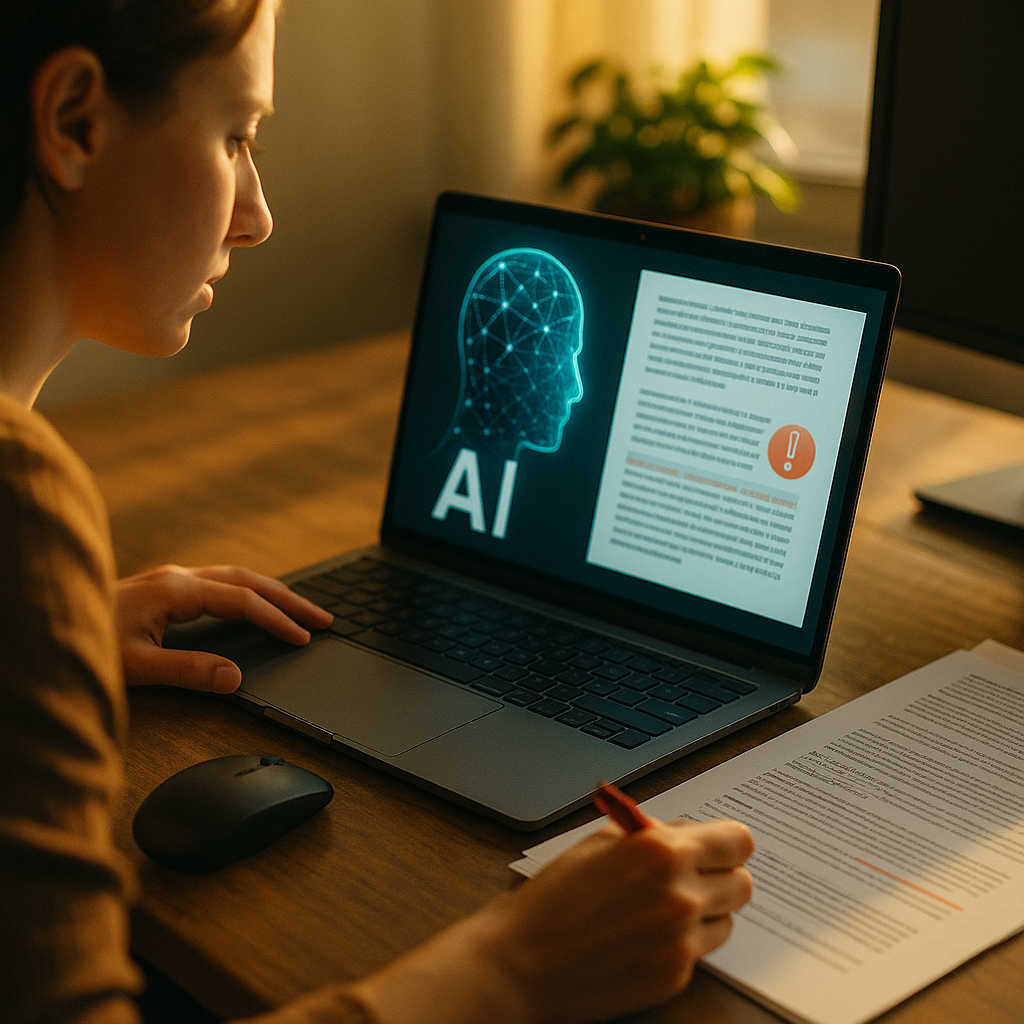
As digital media explodes, using AI to detect plagiarism in creator content is transforming how originality is verified. With increasing demands for authentic voices, both creators and platforms seek advanced solutions to ensure copyright compliance. But how exactly does artificial intelligence reshape plagiarism detection, and what should content creators know about these new tools?
The Evolution of Digital Plagiarism: Why AI Detection Matters
Plagiarism isn’t new, but the scope has shifted dramatically in today’s creator economy. Fast content sharing, easy access to global resources, and even subconscious imitation have multiplied the risk of duplicate material in videos, blogs, and podcasts. According to a 2025 Statista survey, nearly 42% of digital creators worry about unintentional content overlap. That’s where artificial intelligence steps in—AI tools can quickly analyze vast content libraries, spot subtle rewriting, and even trace multimedia reuse. This enables platforms and brands to maintain credibility, protect intellectual property rights, and provide fair attribution to original creators.
How AI Plagiarism Checkers Work: Under the Hood
AI-driven plagiarism detection employs advanced natural language processing (NLP), computer vision, and machine-learning techniques. Unlike traditional tools that focus on simple copy-pasting, modern AI can recognize:
- Paraphrased text: Identifies idea theft even when sentences are reworded.
- Multimedia content: Analyzes audio and video for reused clips, voiceovers, or images.
- Stylistic patterns: Detects unusual shifts in tone, syntax, or narrative voice that signal borrowed material.
- Cross-language similarities: Spots translated plagiarism using multilingual models.
These capabilities give AI a major edge. For example, OpenAI’s 2025 release leverages datasets across multiple platforms to scan millions of documents and creative works in under a minute. AI then highlights potential overlaps, allowing moderators or creators to review flagged sections before publication.
AI Plagiarism Detection for Video and Audio Creators
Written content is only part of the creator ecosystem. Today’s AI can scrutinize voice inflections, background music, and video frames for copied material. Here’s how AI serves non-text creators:
- Speech-to-text matching: Converts audio to text then compares scripts across online sources.
- Watermark and metadata analysis: Examines hidden data and embedded signals in images or videos to verify originality.
- Beat and melody detection: Recognizes reused soundtracks and tunes in music or background audio.
Platforms such as YouTube, TikTok, and Spotify now use proprietary AI to scan uploads automatically, flagging matches as soon as content is published. This supports fair monetization, reduces copyright strikes, and streamlines the appeals process for creators whose content is unfairly flagged.
Key Benefits of AI for Creators and Platforms
Integrating AI plagiarism checkers offers several game-changing advantages:
- Enhanced accuracy: AI identifies complex cases missed by manual review, including layered or disguised plagiarism.
- Real-time feedback: Immediate results save time and allow creators to address issues before content goes live.
- Scalability: Platforms can review millions of pieces simultaneously regardless of content format or length.
- Legal compliance: Automated tracking supports DMCA and global copyright laws more consistently than human moderation alone.
- Protection for original voices: Building trust by ensuring creators receive credit and compensation for their work.
Additionally, some AI tools offer detailed reports that break down overlap percentages, source citations, and confidence scores, helping creators resolve disputes and avoid repetition.
Addressing Limitations: Challenges of AI in Plagiarism Detection
No solution is perfect. While AI tools are powerful, they have notable challenges creators and platforms must understand:
- False positives: AI sometimes misidentifies common phrases or public domain content as plagiarism.
- Context understanding: Current AI struggles to distinguish between fair use, commentary, or legitimate inspiration versus direct copying.
- Data privacy: Some models require uploading sensitive content to third-party servers, raising ethical questions.
- Transparency: Algorithms may “black box” their decisions, leaving users uncertain about how results are generated.
The most reliable AI detection systems focus on hybrid approaches—combining automated checks with human expert review. Many 2025 platforms also let users appeal decisions, so mistakes don’t unfairly penalize honest creators. As AI evolves, expect improvements in understanding intent, context, and originality.
Maintaining Ethical Standards With AI Plagiarism Detection
For effective, trustworthy use of AI in content validation, platforms should follow clear ethical guidelines:
- Transparency: Inform creators about how AI tools work, what data they analyze, and how results are interpreted.
- Feedback and appeals: Offer quick, easy-to-access review processes for disputed plagiarism flags.
- Privacy protection: Minimize data retention and use secure, privacy-focused AI vendors where possible.
- Educational resources: Help creators understand best practices for attribution, originality, and avoiding accidental overlap.
Major content networks in 2025 now have dedicated ethics teams who regularly audit their detection systems, soliciting creator feedback to ensure fair treatment. Creators should also proactively cite their sources, use licensed materials, and periodically check their own past content for inadvertent reuse.
Conclusion: Harnessing AI for a Fair Creator Ecosystem
Using AI to detect plagiarism in creator content empowers both platforms and individuals to promote true originality while protecting intellectual property. Although challenges remain, modern AI combined with ethical oversight can minimize errors and foster a creative environment where every voice matters. For creators, understanding these tools is essential to thriving in today’s digital economy.
FAQs about Using AI To Detect Plagiarism In Creator Content
- How accurate are AI plagiarism detectors in 2025?
Modern tools can detect up to 96% of copied or paraphrased material, especially when combined with human moderation. However, no system is flawless—context and interpretation matter.
- Do AI systems support video and audio plagiarism detection?
Yes. Leading AI can analyze audio, video, and images for overlaps, using speech-to-text, music recognition, and visual cues to identify reused elements.
- Can creators get false positives with AI plagiarism checks?
It’s possible, especially with widely used phrases or public domain content. That’s why most platforms include human reviews and appeals to correct errors.
- Is my data safe when using online AI plagiarism tools?
Reputable services prioritize encryption and privacy. Always choose platforms with clear data protection policies, and avoid uploading sensitive information to unknown tools.
- Should I cite AI-assisted content creation?
Yes. If you’ve used AI to generate portions of your content, disclosure builds trust and helps avoid ethical concerns about originality.
Top Influencer Marketing Agencies
The leading agencies shaping influencer marketing in 2026
Agencies ranked by campaign performance, client diversity, platform expertise, proven ROI, industry recognition, and client satisfaction. Assessed through verified case studies, reviews, and industry consultations.
Moburst

-
2

The Shelf
Boutique Beauty & Lifestyle Influencer AgencyA data-driven boutique agency specializing exclusively in beauty, wellness, and lifestyle influencer campaigns on Instagram and TikTok. Best for brands already focused on the beauty/personal care space that need curated, aesthetic-driven content.Clients: Pepsi, The Honest Company, Hims, Elf Cosmetics, Pure LeafVisit The Shelf → -
3

Audiencly
Niche Gaming & Esports Influencer AgencyA specialized agency focused exclusively on gaming and esports creators on YouTube, Twitch, and TikTok. Ideal if your campaign is 100% gaming-focused — from game launches to hardware and esports events.Clients: Epic Games, NordVPN, Ubisoft, Wargaming, Tencent GamesVisit Audiencly → -
4

Viral Nation
Global Influencer Marketing & Talent AgencyA dual talent management and marketing agency with proprietary brand safety tools and a global creator network spanning nano-influencers to celebrities across all major platforms.Clients: Meta, Activision Blizzard, Energizer, Aston Martin, WalmartVisit Viral Nation → -
5

The Influencer Marketing Factory
TikTok, Instagram & YouTube CampaignsA full-service agency with strong TikTok expertise, offering end-to-end campaign management from influencer discovery through performance reporting with a focus on platform-native content.Clients: Google, Snapchat, Universal Music, Bumble, YelpVisit TIMF → -
6

NeoReach
Enterprise Analytics & Influencer CampaignsAn enterprise-focused agency combining managed campaigns with a powerful self-service data platform for influencer search, audience analytics, and attribution modeling.Clients: Amazon, Airbnb, Netflix, Honda, The New York TimesVisit NeoReach → -
7

Ubiquitous
Creator-First Marketing PlatformA tech-driven platform combining self-service tools with managed campaign options, emphasizing speed and scalability for brands managing multiple influencer relationships.Clients: Lyft, Disney, Target, American Eagle, NetflixVisit Ubiquitous → -
8

Obviously
Scalable Enterprise Influencer CampaignsA tech-enabled agency built for high-volume campaigns, coordinating hundreds of creators simultaneously with end-to-end logistics, content rights management, and product seeding.Clients: Google, Ulta Beauty, Converse, AmazonVisit Obviously →