


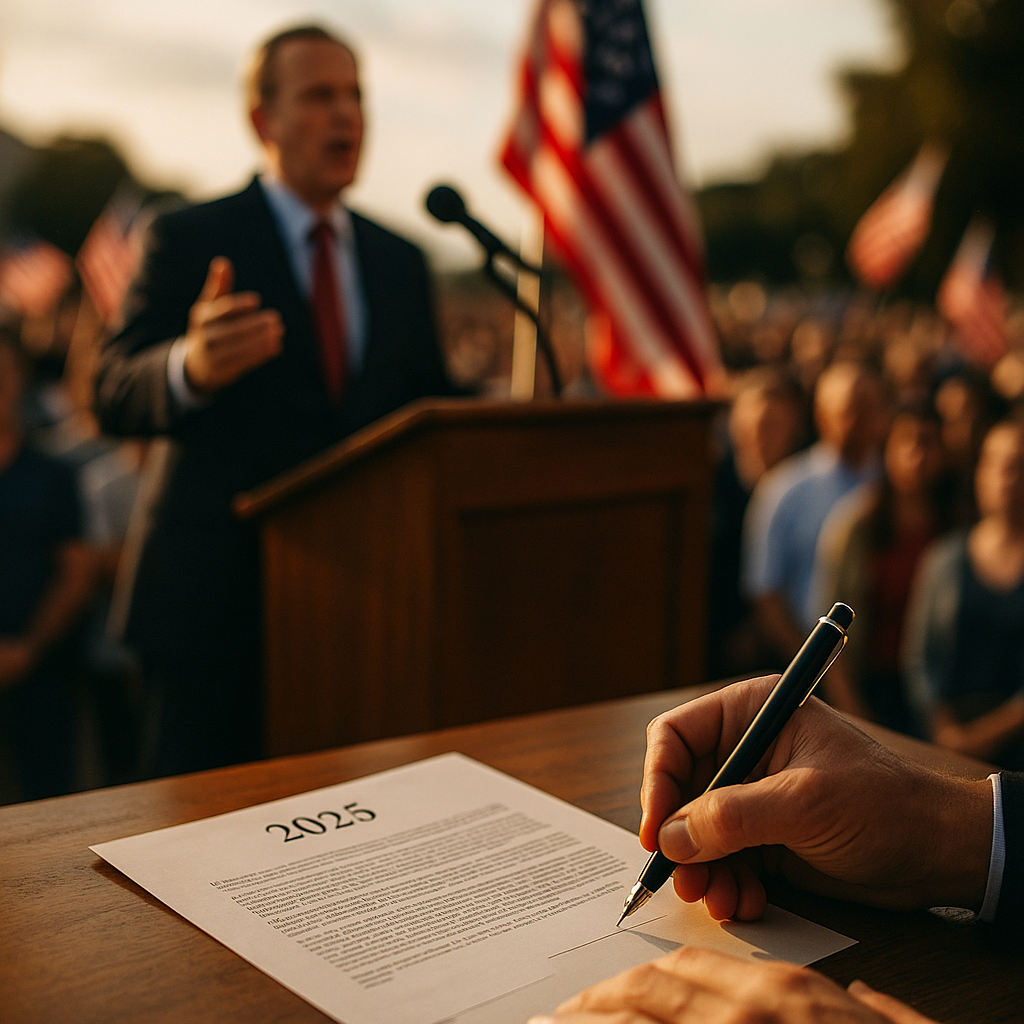
The inclusion of political speech clauses in election year contracts is becoming a vital concern for businesses and employees alike in 2025. As the political landscape intensifies, understanding these clauses is essential for risk management and legal compliance. Are these clauses hindering free speech, or are they safeguarding organizational interests? Let’s unpack the implications for companies, employees, and candidates.
Understanding Political Speech Clauses in Employment Agreements
Political speech clauses are contractual provisions that regulate what employees or executives can say or do in the political sphere, both inside and outside the workplace. Often introduced in election years, these clauses are designed to prevent reputational harm, conflicts of interest, or breaches of organizational neutrality during politically charged times.
Typically, such clauses appear in employment contracts, consultancy agreements, and influencer arrangements. They might restrict employees from making public endorsements, criticizing candidates, or participating in certain political activities. In 2025, demand for these contractual terms has surged as companies aim to avoid PR crises and legal disputes stemming from worker activism and political polarization.
Legal Foundations: Free Speech versus Company Interests
One common misconception is that all speech is protected in the workplace. In reality, private sector entities in the United States are largely free to set their own speech boundaries, provided they do not violate federal or state anti-discrimination laws. The First Amendment limits government action—not private employment agreements.
However, certain states and municipalities have enacted protections for employees engaging in lawful political activity outside working hours. For instance, California and New York prohibit employer retaliation for political expression during personal time, unless it conflicts directly with the employer’s business interests. Modern political speech clauses must therefore be crafted with state and federal legal frameworks in mind to avoid costly litigation.
Risks and Benefits of Including Political Speech Clauses
Employers pursuing political speech clauses in election year contracts do so to mitigate tangible risks:
- Reputational Harm: Employee political endorsements can be spun as surrogates for company positions, disrupting a brand’s neutrality.
- Workplace Tension: Unchecked political debate may foment division, lower morale, or create a hostile environment.
- Legal Compliance: Violations of campaign finance and lobbying laws could arise if employees use company resources to support candidates.
Conversely, overreaching restrictions risk alienating talent, sparking public backlash, or conflicting with evolving social norms and legal rights. Striking the right balance is crucial: some organizations focus clauses narrowly on on-the-job behavior or official communications, while others adopt broader scope, inviting potential challenges.
Key Elements for Drafting Effective Election Year Contracts
Effectiveness in political speech clauses lies in clarity and enforceability. Here are best practices for 2025:
- Precisely define terms: Spell out what constitutes ‘political speech,’ ‘partisanship,’ and restricted activity.
- Delineate scope: Clarify if clauses apply on work premises, on social media, during off-hours, or while using company devices.
- Include exceptions: Acknowledge allowances for protected conduct (such as whistleblowing or union organizing), and comply with local legal protections.
- Establish procedures: Explain how alleged breaches will be investigated, and what consequences may follow.
- Update regularly: Ensure contract language evolves to address legal changes, digital activism trends, and social pressures unique to each election cycle.
Employers should collaborate with legal counsel trained in employment law and free speech issues to tailor enforceable, fair-minded clauses. Transparency with staff about expectations is also key to maintaining trust and compliance.
Impact on Political Candidates, Activists, and Stakeholders
In 2025’s hyper-partisan environment, political speech clauses affect not only employees, but also candidates, activists, and corporate partners. For example:
- Candidates: May face restrictions if they maintain part-time professional roles or consultancy positions, potentially curbing their campaigning activities.
- Activists: Might hesitate to accept employment with companies that monitor or restrict their public advocacy.
- Private Contractors and Influencers: Can be contractually prevented from political endorsements tied to their business relationships, impacting online activism and branding.
Nonprofits, universities, and news organizations are likewise re-examining policies to avoid perceived conflicts of interest, promote institutional trust, and minimize distractions during election cycles.
Navigating Disputes and Future Trends in 2025
As more employees and partners challenge political speech clauses in 2025, arbitration and litigation are increasing. Most disputes hinge on whether restrictions were reasonable, clearly communicated, and consistent with public policy or anti-discrimination protections.
Emerging trends include greater transparency in contract negotiations, use of AI to monitor compliance, and engagement with employee resource groups to develop inclusive, tailored speech policies. Organizations intent on attracting top talent must consider the reputational impact of restrictive clauses versus the organizational risks they are designed to control.
Frequently Asked Questions: Political Speech Clauses in Election Year Contracts
- Are political speech clauses legal in all states?
Not everywhere. While many states allow political speech clauses, some—including California and New York—protect certain employee free speech rights during off-hours. Employers must tailor clauses to fit state and federal law. - Can my employer prohibit me from expressing political views on social media?
It depends on contract terms and relevant law. Many employers can lawfully restrict political speech if it is linked to the company or occurs with company equipment, but may have limited control over private, off-duty posts in protected jurisdictions. - What happens if I violate a political speech clause?
Consequences can range from warnings to termination, depending on the gravity of the breach and clearly defined contract terms. Disputes over enforcement may be subject to arbitration or litigation. - Are there limits to what political speech clauses can cover?
Yes. Clauses cannot override statutory rights such as whistleblower protections, union organizing, or discrimination claims. Overbroad or vague clauses may be unenforceable in court. - Who should review political speech clauses before signing?
Both parties should consult experienced employment law counsel to ensure clauses are fair, lawful, and clearly understood—a best practice as election year legal scrutiny rises.
Political speech clauses in election year contracts are shaping workplace norms and legal battles in 2025. By carefully balancing organizational interests with employees’ lawful rights, companies can mitigate risk and maintain trust as they navigate a uniquely polarized era.
Top Influencer Marketing Agencies
The leading agencies shaping influencer marketing in 2026
Agencies ranked by campaign performance, client diversity, platform expertise, proven ROI, industry recognition, and client satisfaction. Assessed through verified case studies, reviews, and industry consultations.
Moburst

-
2

The Shelf
Boutique Beauty & Lifestyle Influencer AgencyA data-driven boutique agency specializing exclusively in beauty, wellness, and lifestyle influencer campaigns on Instagram and TikTok. Best for brands already focused on the beauty/personal care space that need curated, aesthetic-driven content.Clients: Pepsi, The Honest Company, Hims, Elf Cosmetics, Pure LeafVisit The Shelf → -
3

Audiencly
Niche Gaming & Esports Influencer AgencyA specialized agency focused exclusively on gaming and esports creators on YouTube, Twitch, and TikTok. Ideal if your campaign is 100% gaming-focused — from game launches to hardware and esports events.Clients: Epic Games, NordVPN, Ubisoft, Wargaming, Tencent GamesVisit Audiencly → -
4

Viral Nation
Global Influencer Marketing & Talent AgencyA dual talent management and marketing agency with proprietary brand safety tools and a global creator network spanning nano-influencers to celebrities across all major platforms.Clients: Meta, Activision Blizzard, Energizer, Aston Martin, WalmartVisit Viral Nation → -
5

The Influencer Marketing Factory
TikTok, Instagram & YouTube CampaignsA full-service agency with strong TikTok expertise, offering end-to-end campaign management from influencer discovery through performance reporting with a focus on platform-native content.Clients: Google, Snapchat, Universal Music, Bumble, YelpVisit TIMF → -
6

NeoReach
Enterprise Analytics & Influencer CampaignsAn enterprise-focused agency combining managed campaigns with a powerful self-service data platform for influencer search, audience analytics, and attribution modeling.Clients: Amazon, Airbnb, Netflix, Honda, The New York TimesVisit NeoReach → -
7

Ubiquitous
Creator-First Marketing PlatformA tech-driven platform combining self-service tools with managed campaign options, emphasizing speed and scalability for brands managing multiple influencer relationships.Clients: Lyft, Disney, Target, American Eagle, NetflixVisit Ubiquitous → -
8

Obviously
Scalable Enterprise Influencer CampaignsA tech-enabled agency built for high-volume campaigns, coordinating hundreds of creators simultaneously with end-to-end logistics, content rights management, and product seeding.Clients: Google, Ulta Beauty, Converse, AmazonVisit Obviously →