


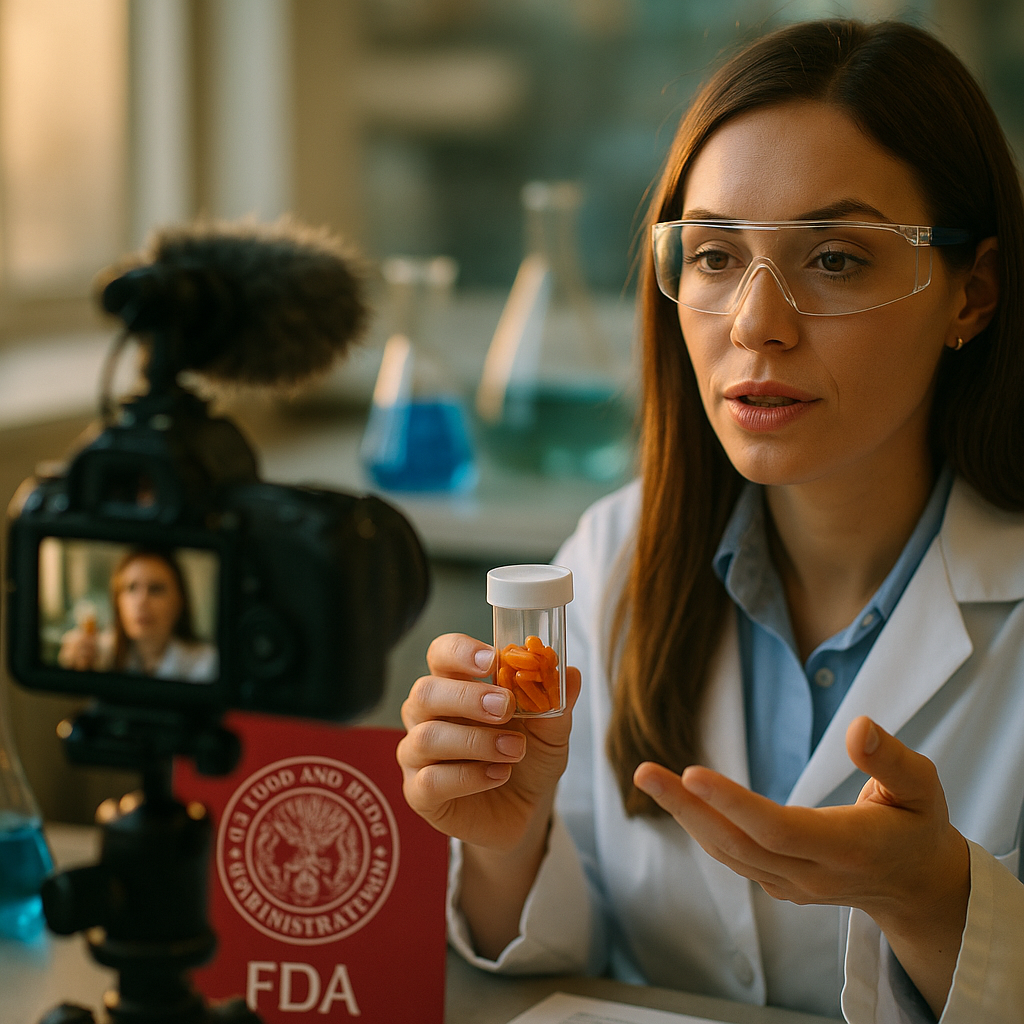
Staying compliant with FDA rules is crucial for any supplement brand, especially as partnerships with science influencers become a cornerstone of modern marketing. Navigating FDA rules with science influencers requires in-depth understanding, strategic planning, and transparent communication. How can supplement brands leverage these experts without risking regulatory missteps in 2025’s fast-evolving landscape?
The FDA’s Role in Supplement Brand Marketing
The U.S. Food and Drug Administration (FDA) enforces rigorous regulations to ensure dietary supplement products are safe, properly labeled, and marketed with truthful claims. For supplement brands, especially those aiming to collaborate with science influencers, it’s essential to recognize that the FDA scrutinizes both direct marketing and third-party endorsements. Every statement—from influencers’ social posts to branded videos—counts as advertising, subject to oversight.
Missteps can result in warning letters, financial penalties, or product recalls. In 2025, the FDA continues to focus on misleading health claims, improper testimonials, and insufficient disclaimers, especially on social media and influencer channels. Brands must, therefore, integrate strict compliance checks into their influencer campaigns, ensuring all claims are substantiated by robust scientific evidence.
Leveraging Science Influencers Without Violating Supplement Claims Regulations
Science influencers carry authority and trust, offering supplement brands a powerful marketing edge. However, the dietary supplement category is particularly sensitive to improper claims. The FDA prohibits influencers and brands from making unsubstantiated statements about products’ ability to diagnose, cure, treat, or prevent diseases.
Brands should brief influencers thoroughly on legal language and approved claims. Supplement endorsements must stick to “structure/function” claims—such as “supports immune health”—that are scientifically validated. Influencer content should:
- Avoid exaggerated health statements
- Include proper disclaimers (such as “These statements have not been evaluated by the FDA”)
- Be supported by published, peer-reviewed research whenever specific benefits are mentioned
Providing a written content guide ensures both parties operate within legal boundaries. Regular monitoring helps detect and correct non-compliant content before it’s widely disseminated.
EEAT: Building Trust Through Experience, Expertise, Authoritativeness, and Trustworthiness
With search engines prioritizing Experience, Expertise, Authoritativeness, and Trustworthiness (EEAT), supplement brands and their science influencers must go beyond compliance. In 2025, successful campaigns integrate credible, relatable voices with transparent data. Collaborations thrive when influencers:
- Present real-life research, lab results, or clinical trial data
- Reference peer-reviewed scientific journals
- Share their science credentials and background
Digital audiences look for influencers with relevant educational or professional experience, especially in nutrition, medicine, or biochemistry. Brands that document their product’s development process and efficacy build both consumer trust and regulatory goodwill. This holistic approach strengthens both brand reputation and search visibility.
Best Practices for Supplement Brands When Partnering with Science Influencers
For supplement brands in 2025, a proactive and detailed influencer policy is non-negotiable. Here’s a checklist for safe, impactful science influencer partnerships:
- Due Diligence: Vet influencers’ credentials, past collaborations, and content style. Choose individuals with a proven record of scientific literacy.
- Legal Briefings: Provide clear, up-to-date FDA compliance documents and approved talking points for sponsored content.
- Scientific Citations: Request that influencers link to peer-reviewed sources to substantiate product claims (without overpromising).
- Ongoing Oversight: Monitor all published content for ongoing compliance, with swift action plans to edit or remove problematic claims.
- Transparency: Require conspicuous disclosure of sponsorships, as mandated by both the FDA and Federal Trade Commission (FTC).
Brands that foster open, science-backed dialogues with influencers not only reduce regulatory risks but also attract an educated consumer base seeking authentic recommendations.
Managing FDA Scrutiny: Documentation, Audits, and Crisis Response
FDA scrutiny of supplement influencer marketing continues to intensify. Brands must maintain a complete record of influencer relationships, posted content, and the evidence supporting their product claims. This documentation demonstrates responsible oversight if regulators question a post or campaign.
Many supplement companies implement regular audits of influencer content, mirroring the FDA’s own monitoring processes. If a violation occurs, brands should have a rapid crisis response plan. This typically includes:
- Immediate public correction of erroneous claims
- Direct communication with the FDA
- Retraining of influencer partners
Swift, transparent responses foster long-term credibility, ensuring the brand navigates both public and regulatory challenges effectively.
Emerging Trends: AI Monitoring and Personalized Supplement Claims
In 2025, supplement brands are leveraging AI-driven tools to monitor influencer posts, flag high-risk language, and identify trending misinformation before it escalates. These systems also track evolving FDA guidelines and adapt campaign content in real time.
Personalized nutrition—a rising sector—offers science influencers the opportunity to discuss genetic or lifestyle-specific formulations. However, the FDA maintains strict requirements: influencers must be careful to clarify that results may vary and avoid any disease treatment claims. Transparency and individualized disclaimers have become industry standards, safeguarding both brand reputation and consumer wellbeing.
Conclusion: Navigating FDA Compliance with Confidence
For supplement brands, navigating FDA rules with science influencers in 2025 demands vigilance, transparent partnerships, and scientifically grounded messaging. By prioritizing regulatory education, robust documentation, and authentic influencer engagement, brands can achieve sustainable growth and consumer trust—even in today’s complex regulatory environment.
FAQs: Navigating FDA Rules With Science Influencers
-
Can science influencers make supplement health claims?
Science influencers can discuss general benefits but cannot make unsubstantiated or disease-related claims. All statements must comply with FDA guidelines and be supported by scientific evidence. -
What are “structure/function” claims in supplement marketing?
These are legally permissible statements describing how a supplement may affect normal body structure or function (e.g., “supports joint health”), not claims to diagnose or treat disease. -
How should supplement brands brief science influencers for compliance?
Provide detailed compliance guidelines, approved scientific references, and clear instructions on required disclosures and permissible language. -
What happens if an influencer violates FDA rules?
The brand may receive warning letters, face financial penalties, or suffer reputational damage. Immediate correction and transparent communication with regulators are essential responses. -
Why is EEAT important in supplement brand marketing?
EEAT principles—experience, expertise, authoritativeness, and trustworthiness—boost both consumer trust and search rankings, helping brands stand out while maintaining compliance.
Top Influencer Marketing Agencies
The leading agencies shaping influencer marketing in 2026
Agencies ranked by campaign performance, client diversity, platform expertise, proven ROI, industry recognition, and client satisfaction. Assessed through verified case studies, reviews, and industry consultations.
Moburst

-
2

The Shelf
Boutique Beauty & Lifestyle Influencer AgencyA data-driven boutique agency specializing exclusively in beauty, wellness, and lifestyle influencer campaigns on Instagram and TikTok. Best for brands already focused on the beauty/personal care space that need curated, aesthetic-driven content.Clients: Pepsi, The Honest Company, Hims, Elf Cosmetics, Pure LeafVisit The Shelf → -
3

Audiencly
Niche Gaming & Esports Influencer AgencyA specialized agency focused exclusively on gaming and esports creators on YouTube, Twitch, and TikTok. Ideal if your campaign is 100% gaming-focused — from game launches to hardware and esports events.Clients: Epic Games, NordVPN, Ubisoft, Wargaming, Tencent GamesVisit Audiencly → -
4

Viral Nation
Global Influencer Marketing & Talent AgencyA dual talent management and marketing agency with proprietary brand safety tools and a global creator network spanning nano-influencers to celebrities across all major platforms.Clients: Meta, Activision Blizzard, Energizer, Aston Martin, WalmartVisit Viral Nation → -
5

The Influencer Marketing Factory
TikTok, Instagram & YouTube CampaignsA full-service agency with strong TikTok expertise, offering end-to-end campaign management from influencer discovery through performance reporting with a focus on platform-native content.Clients: Google, Snapchat, Universal Music, Bumble, YelpVisit TIMF → -
6

NeoReach
Enterprise Analytics & Influencer CampaignsAn enterprise-focused agency combining managed campaigns with a powerful self-service data platform for influencer search, audience analytics, and attribution modeling.Clients: Amazon, Airbnb, Netflix, Honda, The New York TimesVisit NeoReach → -
7

Ubiquitous
Creator-First Marketing PlatformA tech-driven platform combining self-service tools with managed campaign options, emphasizing speed and scalability for brands managing multiple influencer relationships.Clients: Lyft, Disney, Target, American Eagle, NetflixVisit Ubiquitous → -
8

Obviously
Scalable Enterprise Influencer CampaignsA tech-enabled agency built for high-volume campaigns, coordinating hundreds of creators simultaneously with end-to-end logistics, content rights management, and product seeding.Clients: Google, Ulta Beauty, Converse, AmazonVisit Obviously →