


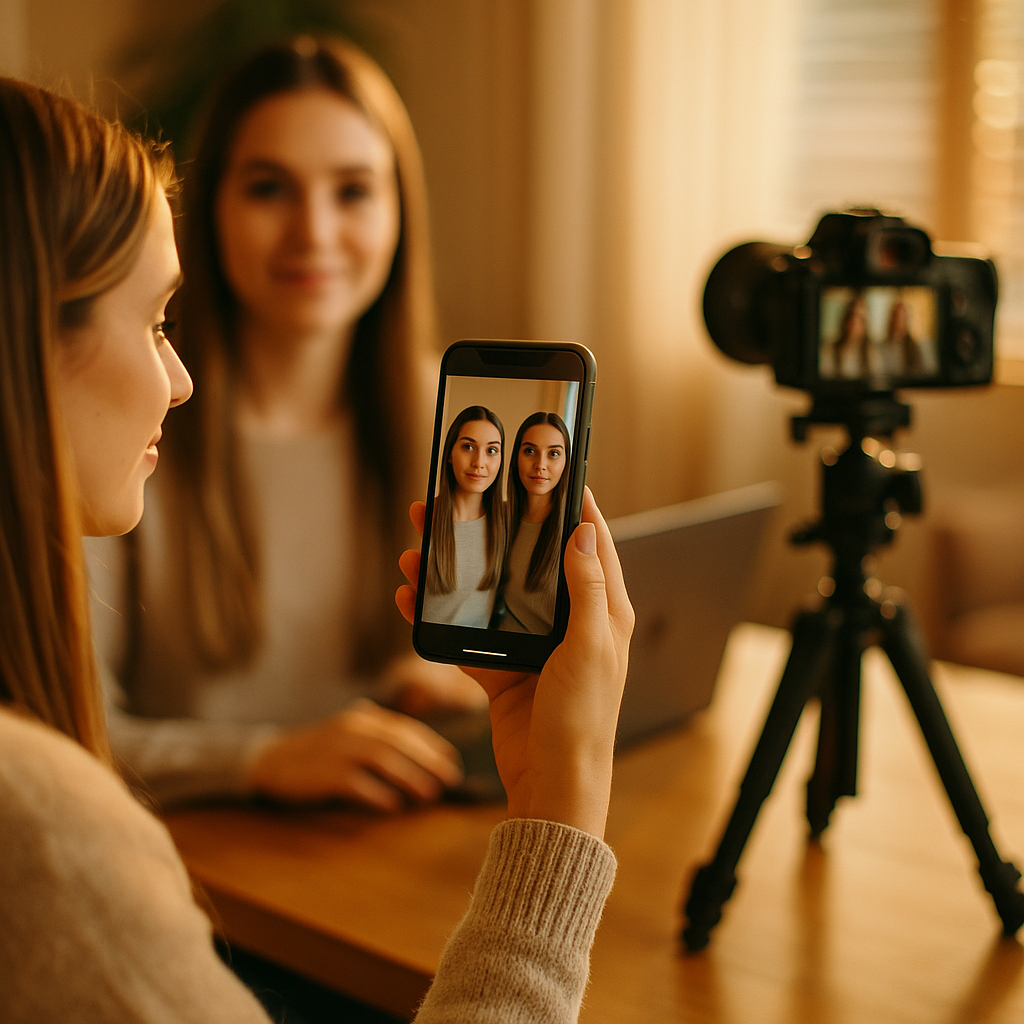
Identifying “lookalike” influencers to scale success is a proven strategy for brands aiming to maximize ROI from influencer partnerships. This approach leverages data and audience insights to pinpoint creators similar to your best performers. Ready to uncover how lookalike influencers can transform your marketing efforts and fuel your next big growth phase?
Understanding Lookalike Influencers for Branding Success
Lookalike influencers are creators whose audience demographics, content style, and engagement rates closely match your top-performing partners. Identifying these influencers allows brands to replicate past successes by reaching comparable audiences at scale. Statista reports that over 61% of marketers in 2025 are focusing on data-driven influencer discovery methods, highlighting the growing importance of precision in influencer selection.
Choosing influencers solely based on follower count or content aesthetic is no longer enough. Lookalike influencer identification leverages insights from successful past collaborations—such as audience affinities, geographic distribution, and post-performance metrics—to find new talent likely to deliver similar results. This targeted strategy increases consistency in campaign performance and helps maintain brand authenticity.
Data-Driven Methods for Finding Lookalike Influencers
A data-driven approach is critical when scaling with lookalike influencers. The process typically includes:
- Analyzing Existing Partnerships: Review your top influencer collaborations to understand what drives results—engagement rates, conversion metrics, and audience overlap.
- Utilizing AI and Social Listening Tools: Platforms now use advanced algorithms to surface creators with similar audience and content fingerprints. Tools like CreatorIQ and Upfluence can automate much of this process in 2025.
- Audience Mapping: Leverage analytics from platforms like Instagram Insights or TikTok Analytics to see demographic and psychographic commonalities across high-performing influencers.
- Lookalike Modeling: Some platforms offer proprietary “lookalike” search, identifying users whose followers match your ideal customer profile.
Modern influencer marketing relies on robust, privacy-compliant data to unlock these insights, blending quantitative analysis with strategic intuition for best results.
Benefits of Scaling with Lookalike Influencer Partnerships
Tapping into lookalike influencers delivers notable advantages:
- Efficient Expansion: Replicating proven strategies cuts research and onboarding time, accelerating campaign delivery.
- Increased Predictability: By engaging creators with similar audiences, brands can better forecast reach and engagement outcomes.
- Audience Trust: Consistent messaging across like-minded creators fosters deeper brand credibility and trust.
- Cost Optimization: Many lookalike influencers are emerging talents who deliver strong ROI at lower costs than mega-influencers, stretching marketing budgets further.
- Scalable Creative Testing: Rolling out campaigns with multiple lookalike influencers enables rapid A/B tests for messaging and formats at scale.
In 2025, brands that focus on optimizing influencer discovery and replication gain a competitive edge, ensuring campaigns remain agile and impactful as trends shift.
Building an Effective Lookalike Influencer Strategy
Developing a high-impact lookalike influencer program involves more than just technology:
- Document Success Criteria: Identify the specific attributes—voice, audience makeup, engagement patterns—that define your most successful influencer partners.
- Refine Search Filters: Use data points like follower overlap, niche relevance, and content themes to create a custom discovery framework.
- Pilot and Scale: Run initial campaigns with a diverse set of lookalike influencers. Use granular tracking (unique links, UTM tags) to monitor performance.
- Iterate and Personalize: Regularly optimize your lookalike influencer lists. Personalize briefs and incentives based on what motivates each creator tier (nano, micro, macro).
- Integrate Feedback Loops: Seek input from influencers and audiences to ensure ongoing alignment with brand values and content goals.
When executed thoughtfully, this process not only scales outreach but continually builds deep-rooted relationships in the creator ecosystem, reinforcing your brand positioning.
Ensuring EEAT: Trust, Transparency, and Influence in 2025
As Google’s EEAT (Experience, Expertise, Authoritativeness, and Trustworthiness) remains central to digital marketing success in 2025, influencer programs must embrace these pillars:
- Experience: Partner with influencers genuinely familiar with your industry, product, or service for more credible endorsements.
- Expertise: Verify creator knowledge in your niche to protect your brand from misinformation or irrelevant associations.
- Authoritativeness: Leverage creators recognized as thought leaders, even at micro or nano levels, ensuring their opinions carry weight in target communities.
- Trustworthiness: Demand transparent partnerships, including clear disclosures and truthful representations of your products or services.
Lookalike influencer models supercharge EEAT-compliance by replicating relationships that have already demonstrated quality, resonance, and success. This method safeguards both your reputation and long-term audience loyalty, minimizing the risk of mismatched campaigns.
Troubleshooting Common Challenges When Scaling with Lookalike Influencers
Scaling any influencer initiative brings potential pitfalls. Here’s how to overcome them:
- Audience Saturation: Spreading similar content across too many lookalike accounts can fatigue audiences. Counter this by varying creative and personalizing messaging for each creator.
- Content Homogeneity: Encourage influencers to interpret briefs in their authentic voice, reducing redundancy and maintaining organic engagement levels.
- Measurement Complexity: As you scale, tracking intricate influencer networks becomes challenging. Adopt integrated tools that centralize reporting while respecting data privacy.
- Overreliance on Algorithms: While AI is powerful, balance recommendations with human vetting to ensure cultural fit and values alignment.
- Maintaining Brand Safety: Continually screen partners for sudden brand misalignment or controversial shifts in content topics.
Proactive communication, strategic oversight, and adaptable campaign mechanics ensure your lookalike influencer program delivers sustained, high-quality results.
Conclusion: The Lookalike Influencer Advantage in 2025
In 2025, identifying lookalike influencers to scale success empowers brands to quickly and confidently amplify proven strategies. Harnessing data, authentic voices, and robust vetting processes ensures that your influencer marketing is both efficient and trustworthy. Adopt this model now to future-proof your campaigns and build enduring consumer relationships.
Frequently Asked Questions
-
What exactly is a lookalike influencer?
A lookalike influencer is a creator whose audience and content closely mirror your existing top-performing partners, enabling brands to scale successful campaigns by targeting similar communities.
-
Why should I use lookalike influencers instead of just recruiting more big influencers?
Lookalike influencers offer strong ROI, increased authenticity, and better engagement by reaching targeted audiences. They also help control costs and foster organic brand growth compared to solely using high-profile creators.
-
How do I find lookalike influencers?
Use influencer marketing tools with AI-driven audience analytics, review your current best partners’ data, and leverage social listening to identify creators with similar audience traits and engagement patterns.
-
Can lookalike influencer strategies work for any industry?
Yes. Lookalike modeling can be adapted for brands across all sectors—from beauty and fashion to tech and finance—by focusing on relevant audience attributes and niche expertise.
-
How do I avoid repetitive content with multiple lookalike influencers?
Empower influencers to personalize campaign briefs and encourage new formats or storytelling techniques, ensuring messages remain fresh and engaging across channels.
Top Influencer Marketing Agencies
The leading agencies shaping influencer marketing in 2026
Agencies ranked by campaign performance, client diversity, platform expertise, proven ROI, industry recognition, and client satisfaction. Assessed through verified case studies, reviews, and industry consultations.
Moburst

-
2

The Shelf
Boutique Beauty & Lifestyle Influencer AgencyA data-driven boutique agency specializing exclusively in beauty, wellness, and lifestyle influencer campaigns on Instagram and TikTok. Best for brands already focused on the beauty/personal care space that need curated, aesthetic-driven content.Clients: Pepsi, The Honest Company, Hims, Elf Cosmetics, Pure LeafVisit The Shelf → -
3

Audiencly
Niche Gaming & Esports Influencer AgencyA specialized agency focused exclusively on gaming and esports creators on YouTube, Twitch, and TikTok. Ideal if your campaign is 100% gaming-focused — from game launches to hardware and esports events.Clients: Epic Games, NordVPN, Ubisoft, Wargaming, Tencent GamesVisit Audiencly → -
4

Viral Nation
Global Influencer Marketing & Talent AgencyA dual talent management and marketing agency with proprietary brand safety tools and a global creator network spanning nano-influencers to celebrities across all major platforms.Clients: Meta, Activision Blizzard, Energizer, Aston Martin, WalmartVisit Viral Nation → -
5

The Influencer Marketing Factory
TikTok, Instagram & YouTube CampaignsA full-service agency with strong TikTok expertise, offering end-to-end campaign management from influencer discovery through performance reporting with a focus on platform-native content.Clients: Google, Snapchat, Universal Music, Bumble, YelpVisit TIMF → -
6

NeoReach
Enterprise Analytics & Influencer CampaignsAn enterprise-focused agency combining managed campaigns with a powerful self-service data platform for influencer search, audience analytics, and attribution modeling.Clients: Amazon, Airbnb, Netflix, Honda, The New York TimesVisit NeoReach → -
7

Ubiquitous
Creator-First Marketing PlatformA tech-driven platform combining self-service tools with managed campaign options, emphasizing speed and scalability for brands managing multiple influencer relationships.Clients: Lyft, Disney, Target, American Eagle, NetflixVisit Ubiquitous → -
8

Obviously
Scalable Enterprise Influencer CampaignsA tech-enabled agency built for high-volume campaigns, coordinating hundreds of creators simultaneously with end-to-end logistics, content rights management, and product seeding.Clients: Google, Ulta Beauty, Converse, AmazonVisit Obviously →