


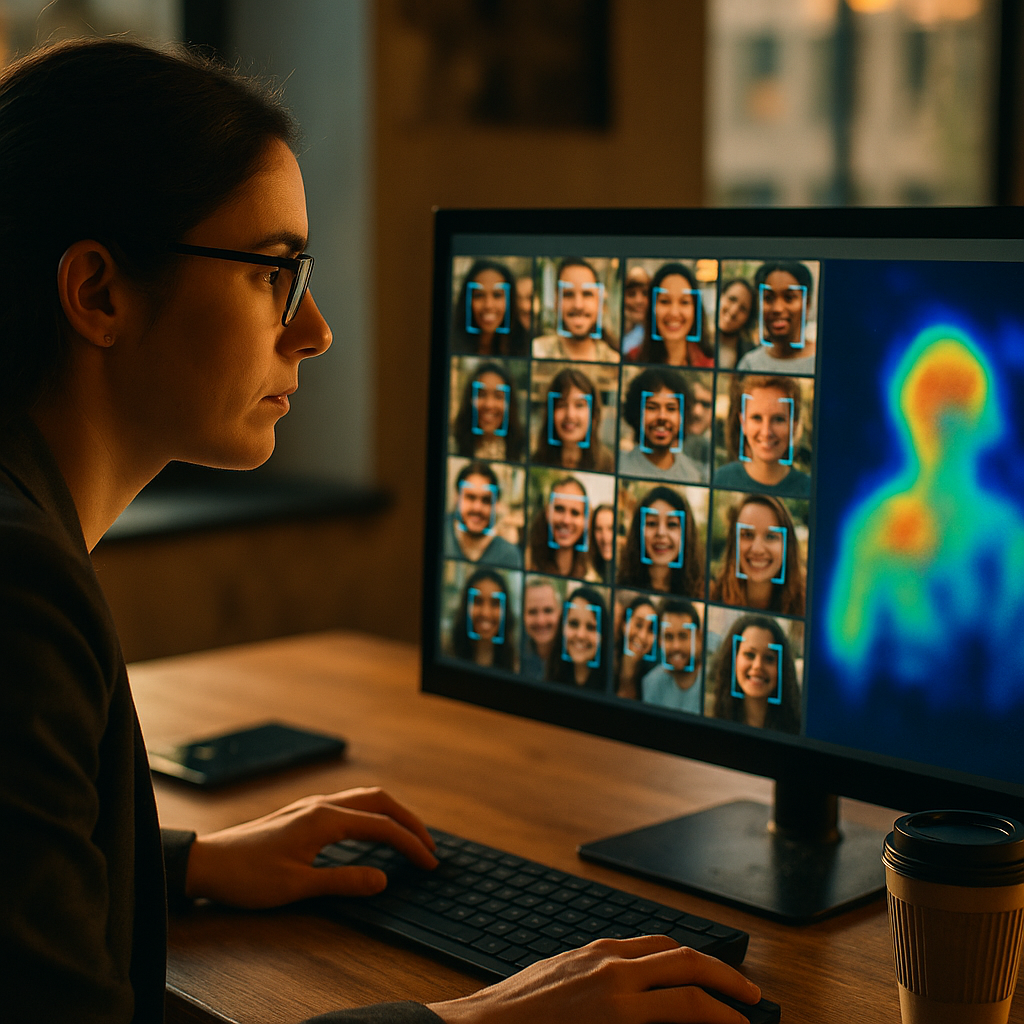
Deep learning for image recognition in social listening is transforming how brands understand online conversations. By analyzing visual content across social media, companies gain crucial insights into brand perception and emerging trends. As platforms become more image-driven, mastering these techniques is vital—ready to learn how deep learning is shaping the future of social listening?
Understanding Deep Learning and Its Impact on Social Listening
Deep learning, a subset of artificial intelligence, excels at recognizing patterns in large datasets. When applied to social listening, deep learning models analyze massive volumes of images shared on platforms like Instagram, TikTok, and X (formerly Twitter). Unlike traditional methods that focused solely on text, this approach opens a new window into user behavior, sentiment, and brand engagement.
Social listening traditionally relied on keyword monitoring and sentiment analysis from written posts. Yet, billions of images are shared daily, many of which convey feelings, preferences, and brand interactions. Deep learning’s capacity to “see” and interpret this content allows organizations to extract previously untapped insights, refine their digital strategies, and respond proactively to social shifts.
By 2025, industry analysts estimate that over 85% of social media content will contain some form of visual data. With text-centric listening alone, brands risk missing a significant portion of audience sentiment.
Why Image Recognition Is Essential in Modern Social Analytics
Image recognition in social analytics refers to the automated identification and classification of objects, logos, scenes, and even emotions within user-generated images. This technology empowers brands to:
- Monitor Logo and Product Visibility: Deep learning tracks product placements, logo appearances, and competitor mentions in images, delivering accurate measurement of brand exposure.
- Understand Consumer Sentiment: Facial expression and scene analysis reveal emotions or activities linked with a brand, from excitement at product launches to dissatisfaction with service experiences.
- Detect Emerging Trends: Pattern recognition within shared images helps identify viral challenges, shifting consumer preferences, or novel use cases of products.
The omnipresence of images on social platforms makes image recognition essential for a comprehensive analytics approach. As algorithms advance, brands not only quantify but qualitatively understand how they appear in visual storytelling.
How Deep Learning Models Power Advanced Image Recognition
Deep learning uses layered neural networks, especially Convolutional Neural Networks (CNNs), to interpret complex visual content. These models process images in multiple stages:
- Feature Extraction: The network identifies features such as shapes, textures, and colors, forming the basis for understanding objects or logos in an image.
- Classification: Using labeled datasets, the model learns to classify and tag photos—identifying brand logos, products, and even sentiment indicators (e.g., smiles, frowns).
- Contextual Analysis: Some advanced networks, like Vision Transformers, assess context—enabling a more nuanced understanding of scenes, brand usage environment, and user intent.
To ensure accuracy, these models are trained with global, multicultural image datasets, addressing biases and improving performance across diverse social feeds. As of 2025, cutting-edge deep learning architectures achieve accuracy rates upwards of 95% in recognizing major consumer brands within social imagery.
Applications and Benefits of Image Recognition in Social Listening Platforms
Top social listening platforms have integrated deep learning-based image recognition modules, offering several actionable advantages:
- Real-Time Crisis Detection: By identifying negative imagery associated with a brand (e.g., damaged products, customer disappointment), teams can intervene swiftly, mitigating potential PR issues.
- Influencer Analytics: Automated tagging of branded content helps brands evaluate influencer partnerships, providing data on campaign reach, authenticity, and audience engagement beyond hashtags or captions.
- Localized Insights: Scene and geo-context recognition enable brands to tailor campaigns to specific regions, monitor cultural adoption, and adjust messaging to resonate with local audiences.
- Competitive Benchmarking: Deep learning tools track rival brands’ presence in social images, offering insights into market share, campaign effectiveness, and consumer affinity.
Leading brands across industries—from retail and automotive to entertainment—use these capabilities to drive smarter marketing, optimize customer support, and outperform competitors through data-driven innovation.
Challenges and Best Practices for Deploying Deep Learning in Social Listening
Despite its transformative power, deploying deep learning for image recognition in social listening presents challenges:
- Data Privacy: Handling user-generated content must comply with privacy regulations and platform guidelines. Transparency and anonymization are essential.
- Model Bias: Ensuring diverse, high-quality training datasets reduces bias and enhances the relevancy of insights across demographics.
- False Positives/Negatives: Even advanced models can misclassify objects or emotions, emphasizing the need for continual retraining and human validation.
Best practices include collaborating with experienced AI vendors, regularly updating models with fresh, diverse data, and supplementing automated insights with human expertise for nuanced decision-making. Implementing explainable AI methods further builds trust with stakeholders by revealing how certain inferences are drawn from visual data.
Future Trends: What’s Next for Image Recognition in Social Listening?
Looking ahead, image recognition in social listening is poised for further evolution. Emerging innovations in 2025 include:
- Multi-modal Analysis: Combining image, video, and audio recognition for a comprehensive understanding of social narratives and user intent.
- Emotion Recognition Advances: Finer-grained emotion analytics that account for subtle expressions and cultural nuances, enabling brands to tailor responses with greater empathy.
- On-Device AI: Edge computing capabilities allow for real-time image recognition directly on user devices, enhancing privacy while speeding up feedback loops.
- Ethical AI Standards: Industry-wide frameworks are being established to ensure responsible, unbiased image analysis across global audiences.
These advancements will empower brands to build deeper connections, track complex themes, and respond to digital trends at unprecedented speed and accuracy.
Conclusion
Deep learning for image recognition in social listening unlocks powerful, actionable insights from online visuals, empowering brands to stay ahead. By integrating this technology with human expertise and ethical practices, organizations gain an accurate, dynamic pulse on consumer sentiment—driving smarter, more responsive digital strategies in the image-first world of 2025.
FAQs: Deep Learning for Image Recognition in Social Listening
-
How does image recognition improve social listening?
It enables the analysis of brand exposure, sentiment, and trends in visual content, supplementing traditional text-based monitoring for more comprehensive audience insights.
-
Which deep learning models are used for image recognition?
Convolutional Neural Networks (CNNs) are most common, with advanced models like Vision Transformers increasingly applied for context-rich scene analysis.
-
Is image recognition on social media privacy-compliant?
Yes, when implemented with proper data anonymization, compliance with platform policies, and strict adherence to data privacy regulations.
-
Can image recognition detect brand sentiment or only logos?
Modern systems can detect sentiment through facial expression and scene analysis, providing deeper context beyond simple logo identification.
-
What industries benefit most from this technology?
Retail, automotive, entertainment, and consumer goods sectors see major gains, but any organization with a branded visual presence can leverage deep learning-powered social analytics.
Top Influencer Marketing Agencies
The leading agencies shaping influencer marketing in 2026
Agencies ranked by campaign performance, client diversity, platform expertise, proven ROI, industry recognition, and client satisfaction. Assessed through verified case studies, reviews, and industry consultations.
Moburst

-
2

The Shelf
Boutique Beauty & Lifestyle Influencer AgencyA data-driven boutique agency specializing exclusively in beauty, wellness, and lifestyle influencer campaigns on Instagram and TikTok. Best for brands already focused on the beauty/personal care space that need curated, aesthetic-driven content.Clients: Pepsi, The Honest Company, Hims, Elf Cosmetics, Pure LeafVisit The Shelf → -
3

Audiencly
Niche Gaming & Esports Influencer AgencyA specialized agency focused exclusively on gaming and esports creators on YouTube, Twitch, and TikTok. Ideal if your campaign is 100% gaming-focused — from game launches to hardware and esports events.Clients: Epic Games, NordVPN, Ubisoft, Wargaming, Tencent GamesVisit Audiencly → -
4

Viral Nation
Global Influencer Marketing & Talent AgencyA dual talent management and marketing agency with proprietary brand safety tools and a global creator network spanning nano-influencers to celebrities across all major platforms.Clients: Meta, Activision Blizzard, Energizer, Aston Martin, WalmartVisit Viral Nation → -
5

The Influencer Marketing Factory
TikTok, Instagram & YouTube CampaignsA full-service agency with strong TikTok expertise, offering end-to-end campaign management from influencer discovery through performance reporting with a focus on platform-native content.Clients: Google, Snapchat, Universal Music, Bumble, YelpVisit TIMF → -
6

NeoReach
Enterprise Analytics & Influencer CampaignsAn enterprise-focused agency combining managed campaigns with a powerful self-service data platform for influencer search, audience analytics, and attribution modeling.Clients: Amazon, Airbnb, Netflix, Honda, The New York TimesVisit NeoReach → -
7

Ubiquitous
Creator-First Marketing PlatformA tech-driven platform combining self-service tools with managed campaign options, emphasizing speed and scalability for brands managing multiple influencer relationships.Clients: Lyft, Disney, Target, American Eagle, NetflixVisit Ubiquitous → -
8

Obviously
Scalable Enterprise Influencer CampaignsA tech-enabled agency built for high-volume campaigns, coordinating hundreds of creators simultaneously with end-to-end logistics, content rights management, and product seeding.Clients: Google, Ulta Beauty, Converse, AmazonVisit Obviously →