


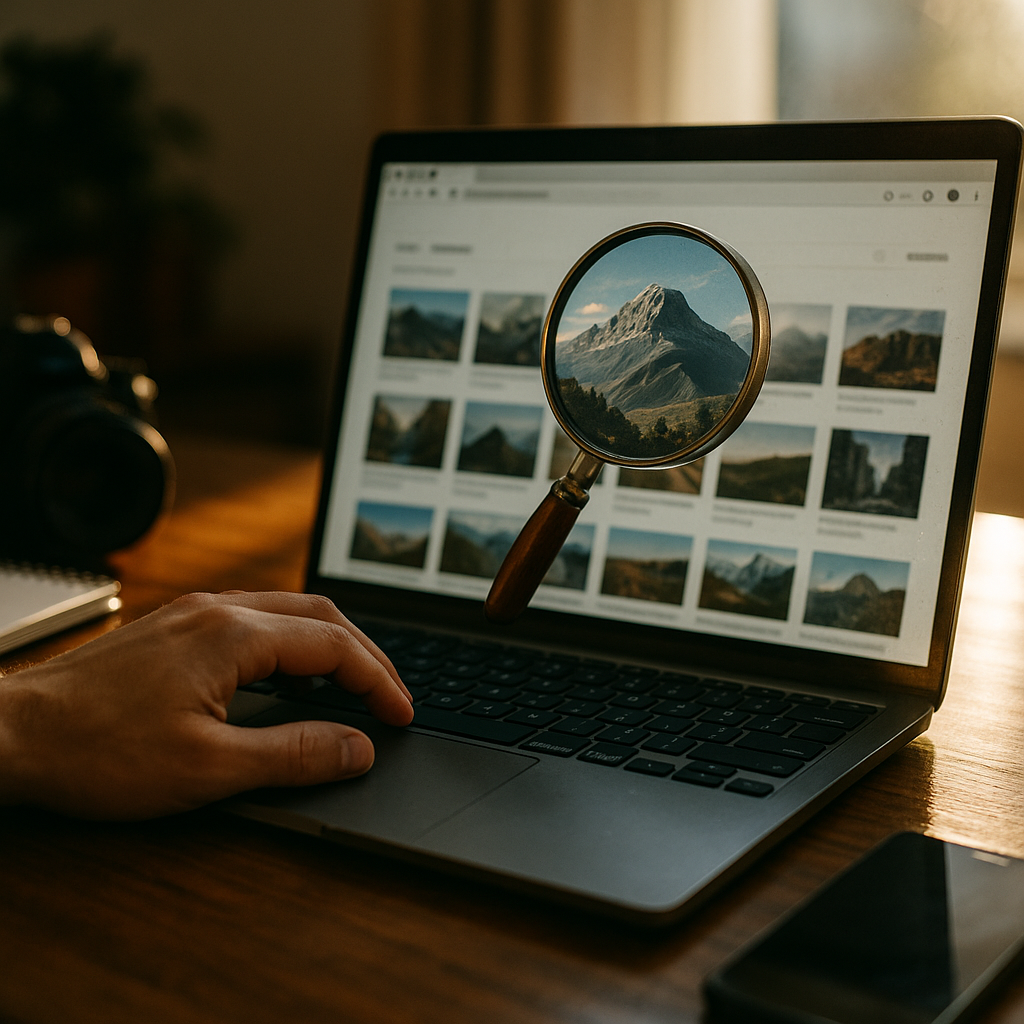
Looking to secure your content’s originality? Learning how to conduct a reverse image search audit for exclusivity is crucial in today’s AI-driven world. This technique helps find unauthorized uses of your visuals and safeguard your brand identity. Discover simple, actionable steps to complete an effective audit and ensure your images stay unique—with insights trusted by top creators.
Why Exclusivity Matters: The Value of Image Ownership
Image exclusivity isn’t just a buzzword—it’s vital for digital credibility and business value. When audiences see familiar images recycled across the web, trust erodes and brand differentiation vanishes. Maintaining exclusive imagery ensures your message remains authentic, strengthens SEO, and deters copyright infringement.
According to a 2024 Content Authenticity Initiative report, brands using original images saw 27% higher engagement rates and experienced fewer intellectual property disputes. Clearly, exclusivity boosts both marketing effectiveness and legal protection. A regular reverse image search audit equips you to monitor, enforce, and showcase this ownership.
Getting Started: Setting Up for a Reverse Image Search Audit
Before digging into the process, gather a complete inventory of every exclusive image or visual asset. Use a cloud-based content management system or spreadsheet to list file names, upload dates, and location URLs. This organization makes tracking and future audits far easier.
Decide how frequently you’ll audit your images. High-value brands typically schedule quarterly checks, but monthly reviews are ideal for fast-moving sectors like e-commerce or media. Set a recurring calendar reminder to guarantee consistency, and involve relevant team members across marketing, design, and legal.
Tools and Techniques: How to Run a Thorough Reverse Image Search
Today’s tools make reverse image search audits accessible to anyone. Start with robust platforms offering comprehensive global reach:
- Google Images: Drag and drop images or upload files to discover where your visuals appear online. Google’s AI scans for near-exact matches and similar-looking content worldwide.
- TinEye: Offers advanced filtering by date, image size, and even crawling multiple formats—helpful for historical audits and catching modified versions of your work.
- Bing Visual Search: Particularly effective for identifying image duplicates on Microsoft-powered networks or discovering unauthorized uses in news results.
For larger libraries, several paid solutions automate batch scanning across the web and dark web, including Pixsy and Copytrack. These services also help initiate takedown requests and analyze patterns of misuse. Whichever tools you choose, document all findings with screenshots and recorded URLs to create an enforcement trail.
Analyzing Results: Detecting Unauthorized Use and Pattern Recognition
Once you’ve compiled search results, organize findings into actionable categories. For each instance, determine:
- Legitimate cross-posts (e.g., your official partners or affiliate brands).
- Unauthorized usage (websites or social media accounts using images without permission).
- Modified versions (cropped, color-altered, or used as backgrounds within other artworks).
Pay special attention to:
- High-traffic domains: Are competitors or aggregators leveraging your creative assets?
- Image clusters: Is a single asset spreading quickly due to viral content or syndication?
- Geographic spread: Could your image be used in markets you’re not actively serving?
Build visual maps or simple spreadsheets to track relationships, repeat offenders, and new domains over time. Recognizing these patterns helps refine your exclusivity strategy and supports legal actions if needed.
Taking Action: Enforcing Image Exclusivity and Protecting Your Rights
After identifying unauthorized uses, decide which infringements require intervention. For minor, non-commercial misuses, a polite email requesting removal often resolves the issue. When dealing with repeat offenders or commercial infringements, consider sending a formal cease-and-desist letter referencing copyright law and any image licensing terms attached to your assets.
Modern reverse image search services often streamline takedown processes—Pixsy, for example, offers one-click DMCA (Digital Millennium Copyright Act) submissions. For high-value instances, especially where your brand’s reputation is at stake, consult an intellectual property attorney to escalate claims or recover damages.
Keep communication records and routinely update your tracking system. Not only does this establish your image rights, but it also deters future misuse, signaling that your team actively protects its creative work.
Best Practices: Maintaining Ongoing Exclusivity and Preventing Future Issues
Long-term success hinges on integrating reverse image search audits into your workflow. Here’s how to keep your visual content exclusive and future-proof:
- Watermark high-value images: Subtle branding deters unauthorized use but preserves aesthetics for your audience.
- Update metadata: Embed copyright and creator details in every image’s EXIF data, boosting authenticity claims in disputes.
- Educate your team: Ensure all staff, especially in marketing and social media, understand correct procedures for sharing and tracking visuals.
- Leverage contracts: When sharing assets externally, use clear agreements outlining permitted uses and consequences for violation.
- Stay updated: Reverse image search technology evolves rapidly. Regularly review new tools and industry best practices to keep your audit process efficient and comprehensive.
By making these practices routine, you reduce risks, preserve brand integrity, and minimize legal exposure—ensuring your visual assets continue to provide exclusive value across every channel.
FAQs: Your Top Questions Answered About Reverse Image Search Audits
- What is a reverse image search audit?
A reverse image search audit is a systematic process where you check if and where your proprietary images appear online to detect unauthorized use and enforce exclusivity. - How often should I conduct a reverse image search audit?
For most brands, quarterly audits suffice. Fast-moving industries may benefit from monthly reviews, especially if they produce large volumes of visual content. - What should I do if I find my images used without permission?
Politely request removal for minor infractions. For commercial or repeat violations, issue a formal takedown notice or consult an intellectual property expert. - Can I automate reverse image searches?
Yes, several services like Pixsy or Copytrack scan your entire image catalog across the internet and offer automated reporting and takedown support. - Will watermarks guarantee exclusivity?
Watermarks help deter misuse but aren’t foolproof. Combine watermarks with audits, legal tools, and robust contracts to maximize protection.
To safeguard your creative assets, conducting regular reverse image search audits for exclusivity is non-negotiable. With the right tools and ongoing vigilance, you can protect your brand’s visuals, maintain audience trust, and stand out in a crowded digital landscape in 2025.
Top Influencer Marketing Agencies
The leading agencies shaping influencer marketing in 2026
Agencies ranked by campaign performance, client diversity, platform expertise, proven ROI, industry recognition, and client satisfaction. Assessed through verified case studies, reviews, and industry consultations.
Moburst

-
2

The Shelf
Boutique Beauty & Lifestyle Influencer AgencyA data-driven boutique agency specializing exclusively in beauty, wellness, and lifestyle influencer campaigns on Instagram and TikTok. Best for brands already focused on the beauty/personal care space that need curated, aesthetic-driven content.Clients: Pepsi, The Honest Company, Hims, Elf Cosmetics, Pure LeafVisit The Shelf → -
3

Audiencly
Niche Gaming & Esports Influencer AgencyA specialized agency focused exclusively on gaming and esports creators on YouTube, Twitch, and TikTok. Ideal if your campaign is 100% gaming-focused — from game launches to hardware and esports events.Clients: Epic Games, NordVPN, Ubisoft, Wargaming, Tencent GamesVisit Audiencly → -
4

Viral Nation
Global Influencer Marketing & Talent AgencyA dual talent management and marketing agency with proprietary brand safety tools and a global creator network spanning nano-influencers to celebrities across all major platforms.Clients: Meta, Activision Blizzard, Energizer, Aston Martin, WalmartVisit Viral Nation → -
5

The Influencer Marketing Factory
TikTok, Instagram & YouTube CampaignsA full-service agency with strong TikTok expertise, offering end-to-end campaign management from influencer discovery through performance reporting with a focus on platform-native content.Clients: Google, Snapchat, Universal Music, Bumble, YelpVisit TIMF → -
6

NeoReach
Enterprise Analytics & Influencer CampaignsAn enterprise-focused agency combining managed campaigns with a powerful self-service data platform for influencer search, audience analytics, and attribution modeling.Clients: Amazon, Airbnb, Netflix, Honda, The New York TimesVisit NeoReach → -
7

Ubiquitous
Creator-First Marketing PlatformA tech-driven platform combining self-service tools with managed campaign options, emphasizing speed and scalability for brands managing multiple influencer relationships.Clients: Lyft, Disney, Target, American Eagle, NetflixVisit Ubiquitous → -
8

Obviously
Scalable Enterprise Influencer CampaignsA tech-enabled agency built for high-volume campaigns, coordinating hundreds of creators simultaneously with end-to-end logistics, content rights management, and product seeding.Clients: Google, Ulta Beauty, Converse, AmazonVisit Obviously →